
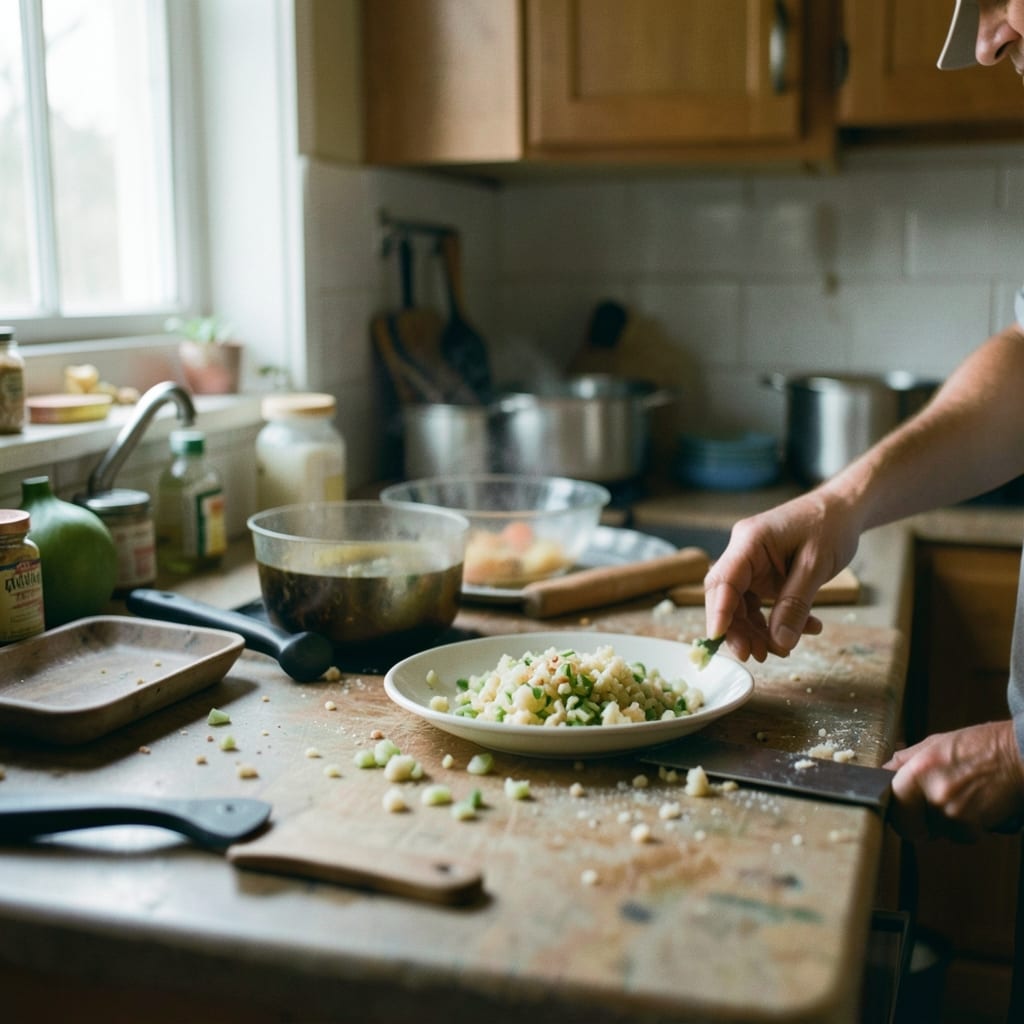
What changed, and what it changed for you
When Pork Recipes Hub began, it was a messy collection of copied recipes with no rhyme or reason. The site looked like a hobbyist’s notebook—unorganized, with no clear purpose beyond ‘here are some pork dishes.’ Readers had to dig through outdated sources to find what worked.
The photos were low-quality, the instructions vague, and the tone was more like a grocery list than a guide.
Now, the site is built around real cooking: tested recipes, clear instructions, and a focus on what actually works in a home kitchen. Every dish has a purpose—whether it’s a family heirloom, a modern twist, or a deep dive into technique.
The layout is clean, the photos are useful, and the writing assumes you’re learning, not just copying.
| It used to be | Now it is |
|---|---|
| Recipes lifted from random blogs with no attribution or testing | Every recipe is tested at least three times, with adjustments for home cooks |
| No structure—just a wall of text with no headings or visual breaks | Consistent format: ingredients, steps, tips, and troubleshooting in a scannable layout |
| Photos taken in poor light with no context (e.g., no close-ups of key steps) | High-quality images with labeled close-ups, process shots, and finished dishes |
| No explanation of *why* a technique works (just ‘do this’) | Recipes include the science behind methods, like why pork needs resting or how to avoid dry meat |
The one that took years
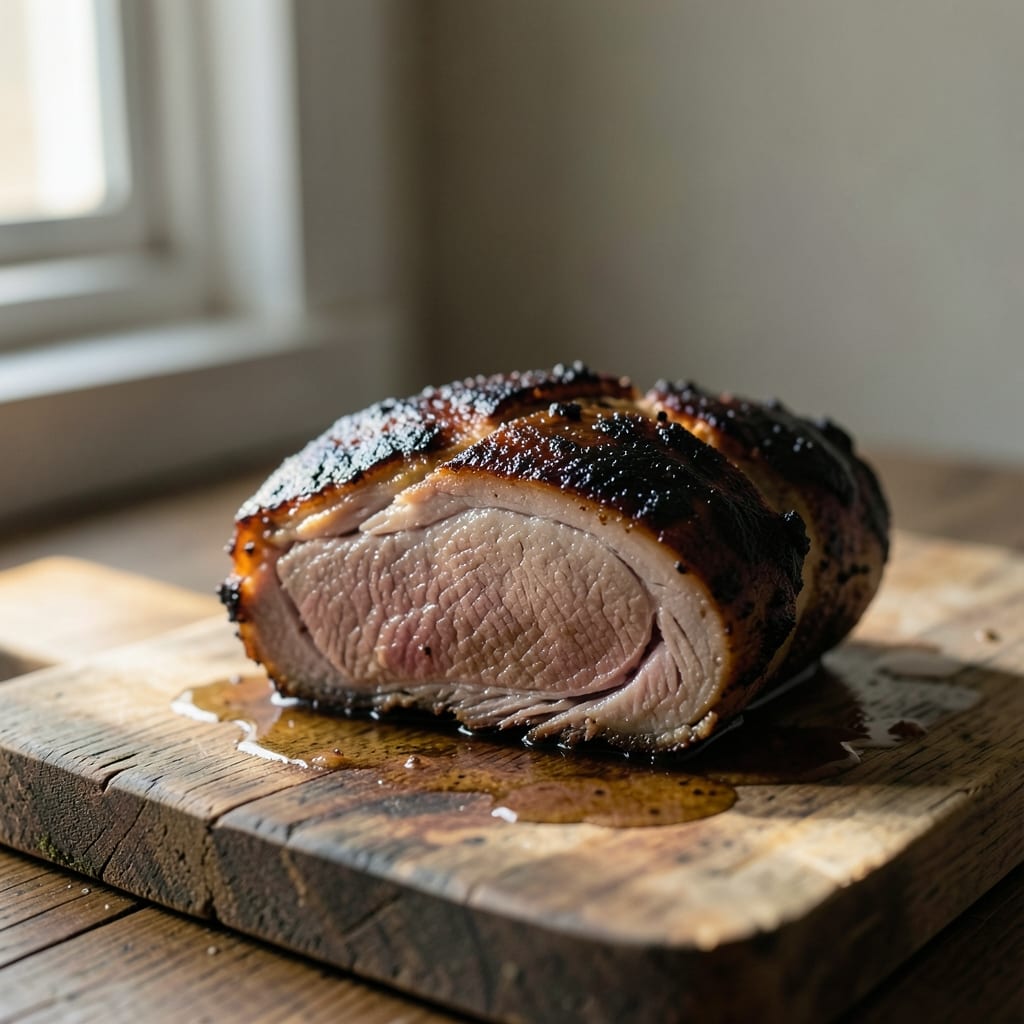
The biggest problem wasn’t the recipes—it was the *photos*. Early images were blurry, poorly lit, or just… wrong. One shot of crispy pork skin looked like it was taken in a garage with a phone flash. Another ‘perfect’ dish had a weird green tint because of the lighting.
I knew it mattered, but fixing it felt impossible: good food photos require gear, space, and patience I didn’t have.
For years, I ignored it. ‘Good enough is good enough,’ I told myself. But readers kept asking for better visuals, and I’d have to admit, ‘Yeah, I’ll get to it someday.’ The truth? I was afraid. Editing photos is a skill, and I wasn’t confident in mine.
So I kept using the same bad habits, hoping no one noticed.
Then I bought a used speedlight and a cheap tripod for $120. Spent three weekends testing setups in my tiny kitchen. Now, every recipe photo is taken in natural light with a consistent style—no more green-tinted pork. The cost? Time. Editing one batch of 10 images takes 2–3 hours.
But the payoff? Recipes that look *real* and help you cook better. It’s not perfect, but it’s honest.
Meet the author

I used to think cooking was about following rules. Measure this, bake that, don’t cross the lines. My early recipes were stiff, like a textbook—no room for mistakes, no room for fun. I’d test a dish once, write it down exactly as it turned out, and call it done.
If the pork came out dry? Too bad. If the sauce separated? That’s just how it’s supposed to be. I remember one disastrous batch of *lechón asado* where the skin burned to a crisp because I rushed the oven. I served it anyway. My abuela would’ve skinned me alive.
I believed recipes were sacred, untouchable. You didn’t adapt them; you *followed* them. That’s why my old posts read like instructions from a drill sergeant. No warmth, no personality—just ‘do this or it fails.’ I never thought to ask readers what they struggled with or what they’d change.
I was the expert, and my way was the only way.
What changed is I stopped pretending I knew everything.
Now, I cook like my abuela taught me: with flexibility and heart. Here at Pork Recipes Hub, Rafael Gutierrez writes recipes that adapt to *your* kitchen, not just mine. Every dish includes notes on what to do if things go wrong—because they will. The goal isn’t perfection; it’s connection.
Whether it’s a crispy *chicharrón* or a tender *pulled pork*, the point is to make you feel like you’re in my kitchen with me.
What did not change
The core idea hasn’t wavered: pork deserves better than generic recipes. From the first post, I’ve believed that great cooking starts with respect for the ingredients—and that includes pork. Whether it’s a Sunday roast or street-food tacos, the meat should be the star. That hasn’t changed.
Neither has the focus on *real* kitchens: no fancy tools, no restaurant shortcuts. If it won’t work in a home oven with basic pans, it doesn’t belong here.
Another constant is the voice. Even when the site was a mess, I wrote like I was talking to a friend at the counter. No chef-speak, no pretension. If I’d say ‘this is tricky’ out loud, it stayed in the recipe. That’s still true today.
The tone might be sharper now, but it’s always been about making you feel capable—not like you’re being judged for burning the garlic.
What is still being fixed
Right now, we’re working on two big things: adding more videos for techniques like trussing a pork shoulder or testing slow-cooker recipes for busy weeknights. The other project is a ‘troubleshooter’ section where readers can submit their own cooking disasters (overcooked pork? greasy fried rice?) and get a fix.
It’s slow because every solution needs testing—and because I keep getting distracted by new recipes to try.
If you’ve got a pork dish that’s always gone wrong, or a technique you’ve never trusted, tell us about it. The contact page is the place to share.
Things that would help
- Your worst pork-cooking failure (and what you think went wrong)
- A recipe you’ve seen elsewhere but couldn’t get right
- A kitchen tool you swear by (or swear at)
The recipes are grouped by category: Appetizers, Beverages, Breakfast & Brunch, Desserts, Main Courses and Salads.