
Main Courses
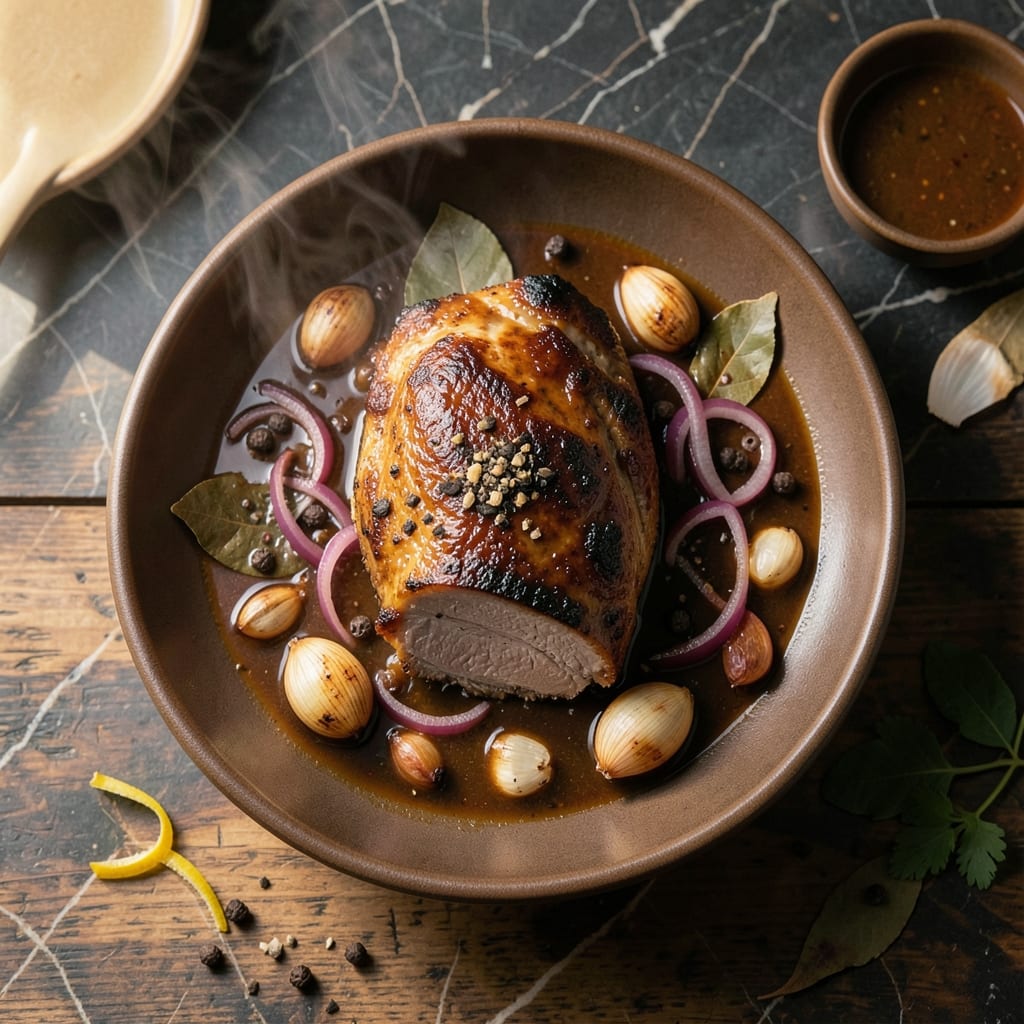
This adobo pork tenderloin recipe brings authentic Filipino flavors to your dinner table with minimal effort. I first tasted this during a Charleston pop-up that changed how I view pork forever.
The marinade of vinegar, soy sauce, garlic, and peppercorns transforms tender pork into something extraordinary. I marinate mine for 4 hours minimum, letting the flavors penetrate deep into the meat.
What emerges is tender pork with a perfect balance of tangy and savory notes, caramelized at the edges. The sauce reduces into a glossy glaze that clings to every slice.
Serve with steamed rice to soak up every drop of that incredible adobo sauce. This dish proves simple ingredients can create complex, unforgettable flavors.
Ingredients for adobo pork tenderloin
A handful of pantry staples plus pork—Filipino adobo magic in every bite.
| Ingredient | Amount | Notes |
|---|---|---|
| Pork Tenderloin 🥩 | 1 ½ lb | Trimmed of visible fat |
| White Vinegar 💧 | ¾ cup | Distilled white or cane vinegar |
| Soy Sauce 🫒 | ½ cup | Low-sodium preferred for balance |
| Garlic Cloves 🧄 | 8 cloves | Smashed and peeled |
| Black Peppercorns 🌶️ | 1 tbsp | Lightly crushed |
| Bay Leaves 🍃 | 3 whole | Dried, whole leaves |
| Brown Sugar 🧈 | 2 tbsp | Light or dark, packed |
| Olive Oil 🫒 | 2 tbsp | For searing pork |
| Onion 🧅 | 1 whole | Yellow or white, sliced |
| Water 💧 | ½ cup | For marinade consistency |
| Cornstarch 🌾 | 1 tbsp | For thickening sauce |
| Green Onions 🧅 | 4 whole | Thinly sliced for garnish |
| Salt 🧂 | 1 tsp | Kosher or sea salt |
The pork tenderloin should be fresh with a light pink hue—avoid grayish or dull-colored meat. I grab mine from Whole Foods or Costco for consistent quality. The vinegar needs to be sharp; distilled white works best for that classic adobo tang. For the soy sauce, San-J low-sodium is my go-to, but any quality brand will do. The garlic? Fresh only—no shortcuts here.
No white vinegar? Apple cider vinegar at the same amount gives a fruitier note. Out of soy sauce? Tamari or coconut aminos work in a pinch (adjust salt accordingly). The bay leaves can be skipped if you're desperate, but they add depth. Want more sweetness? Honey at half the amount of sugar. The cornstarch can be swapped with arrowroot powder for gluten-free thickening.
Marinate the pork for at least 4 hours—overnight is even better. Leftovers keep in the fridge for 4-5 days and freeze beautifully for 3 months. The sauce thickens as it cools, so reheat gently with a splash of water.
Why You'll Love This Recipe
- One Pan Wonder: I just toss the pork tenderloin with vinegar, soy sauce, and garlic, then let it marinate while I prep the rest. Cleanup is a breeze.
- Tangy Garlic Bomb: That first bite—the vinegar’s sharpness mellowed by garlic and soy? I could eat it straight from the pan.
- Feeds the Gang: I serve this at family dinners, and everyone from my picky nephew to my foodie sister asks for seconds.
- Budget Stretch: One affordable pork tenderloin makes multiple meals, and the flavors deepen overnight in the fridge.
Step-by-step instructions for adobo pork tenderloin
Here's the method I've perfected after years of testing—simple technique, incredible flavor.
Marinate the Pork Tenderloin with Bold Flavors
In a large bowl, combine the 0.75 cup white vinegar, 0.5 cup soy sauce, 8 cloves garlic cloves, 1 tbsp black peppercorns, 3 whole bay leaves, 2 tbsp brown sugar, and 1 tsp salt. Whisk until the brown sugar fully dissolves—this ensures even distribution of sweetness.
Add the 1.5 lb pork tenderloin to the marinade, turning to coat completely. I like to use a resealable bag for this step, as it guarantees every inch of the meat gets saturated. Let it marinate in the refrigerator for at least 4 hours, but overnight is ideal for maximum flavor penetration.
Sear the Pork to Lock in Juices
Remove the pork tenderloin from the marinade, reserving the liquid for later use. Pat it dry with paper towels—this is crucial for achieving a proper sear. Heat the 2 tbsp olive oil in a large skillet over medium-high heat until it shimmers.
Add the pork tenderloin and sear for 3-4 minutes per side until deep golden brown. You're not cooking it through here, just creating a flavorful crust that will keep the juices in during the braising step. The pork should release easily from the pan when it's ready to flip.
Braise with Aromatics for Tenderness
In the same skillet, add the 1 whole onion (sliced) and cook for 2 minutes until it begins to soften. Pour in the reserved marinade and 0.5 cup water, then return the pork tenderloin to the pan. Bring to a gentle simmer.
Reduce heat to low, cover, and let it braise for 25-30 minutes, turning the pork occasionally. The pork is done when an instant-read thermometer inserted into the thickest part reads 145°F and the meat feels tender when pierced with a fork.
Thicken the Sauce to Glossy Perfection
Transfer the pork to a cutting board and tent with foil to keep warm. In a small bowl, mix the 1 tbsp cornstarch with 2 tbsp of the cooking liquid to create a slurry. Stir this into the remaining sauce in the skillet.
Cook over medium heat for 2-3 minutes, stirring constantly, until the sauce thickens enough to coat the back of a spoon. The sauce should transform from thin and watery to rich and glossy, perfectly clinging to the pork.
Slice and Garnish for Serving
Slice the pork tenderloin against the grain into ½-inch thick medallions. This cutting technique ensures each piece is as tender as possible. Arrange the slices on a serving platter and spoon the thickened adobo sauce over the top.
Garnish with the 4 whole green onions (thinly sliced) for a fresh, colorful finish. The green onions add a bright contrast to the rich, tangy sauce. Serve immediately while the pork is still warm and the sauce is at its glossy best.
Pro Tips For Making Adobo Pork Tenderloin
- Sear First, Braise Later: Brown the pork tenderloin in a hot pan with a little oil before adding the adobo liquid—this builds a flavor base that plain simmering can't match.
- Crush the Peppercorns: Lightly crush the black peppercorns before adding them to the sauce; whole ones can be too sharp, and pre-ground loses its punch too fast.
- Balance the Vinegar: I learned this the hard way—too much white vinegar can overpower the dish, so stick to a 1:1 ratio with soy sauce for that classic adobo tang without the sour shock.
- Rest Before Slicing: Give the pork a solid 5-10 minutes under foil after cooking—it keeps the juices inside where they belong, not all over your cutting board.
Serving suggestions for this recipe
Plating Elegance
Arrange the sliced pork tenderloin medallions in a circular pattern on a warm platter. I love using my vintage Lodge cast iron serving dish for that rustic presentation. Drizzle the glossy adobo sauce in a zigzag pattern over the top, letting it pool slightly at the edges. 🌟
Rice Pairings
Serve with steamed jasmine rice—the floral notes complement the tangy adobo perfectly. For a Southern twist, I sometimes use Carolina Gold rice from my Charleston connections. The grains should be separate and fluffy to soak up every bit of sauce.
Vegetable Sides
Steamed bok choy or stir-fried green beans add freshness to balance the richness. Quick-pickle some red onions with a splash of the leftover vinegar marinade for a bright, crunchy topping. I always keep a jar of these in my fridge.
Garnish Ideas
Beyond the green onions, try topping with toasted sesame seeds or crushed peanuts for texture. A sprinkle of chili flakes adds a subtle kick that enhances the adobo's depth. These small touches make the dish restaurant-worthy.
Beverage Pairings
An ice-cold San Miguel beer cuts through the richness beautifully. For non-alcoholic options, calamansi juice or iced tea with lemon works wonderfully. I always keep San Pellegrino on hand for a crisp, refreshing contrast. 💛
Family-Style Service
For gatherings, serve the pork and sauce in separate bowls so everyone can customize their plates. This is how we always did it growing up in Georgia—letting each person create their perfect bite. The communal style makes the meal feel more special.
Nutrition facts
Frequently asked questions
Can I use chicken instead of pork tenderloin?
Chicken thighs work especially well with adobo marinade. Reduce braising time to 20-25 minutes and cook until internal temperature reaches 165°F. The flavors translate beautifully to poultry.
How long can I marinate the pork?
For best results, marinate for 4-12 hours. The vinegar will start to "cook" the meat if left longer, making it mushy. I've found the sweet spot is 8 hours for maximum flavor without texture issues.
Why is my adobo sauce too thin?
This usually means the cornstarch slurry didn't have enough time to thicken. Simmer the sauce uncovered for 3-5 minutes after adding the slurry, stirring constantly. For faster results, mix 1 tsp more cornstarch with cold water.
Can I make this in a slow cooker?
Yes! Sear the pork first, then cook on low for 4-5 hours. Add all ingredients except cornstarch, then thicken the sauce in a separate pan afterward. The flavors develop wonderfully with slow cooking.