
Main Courses
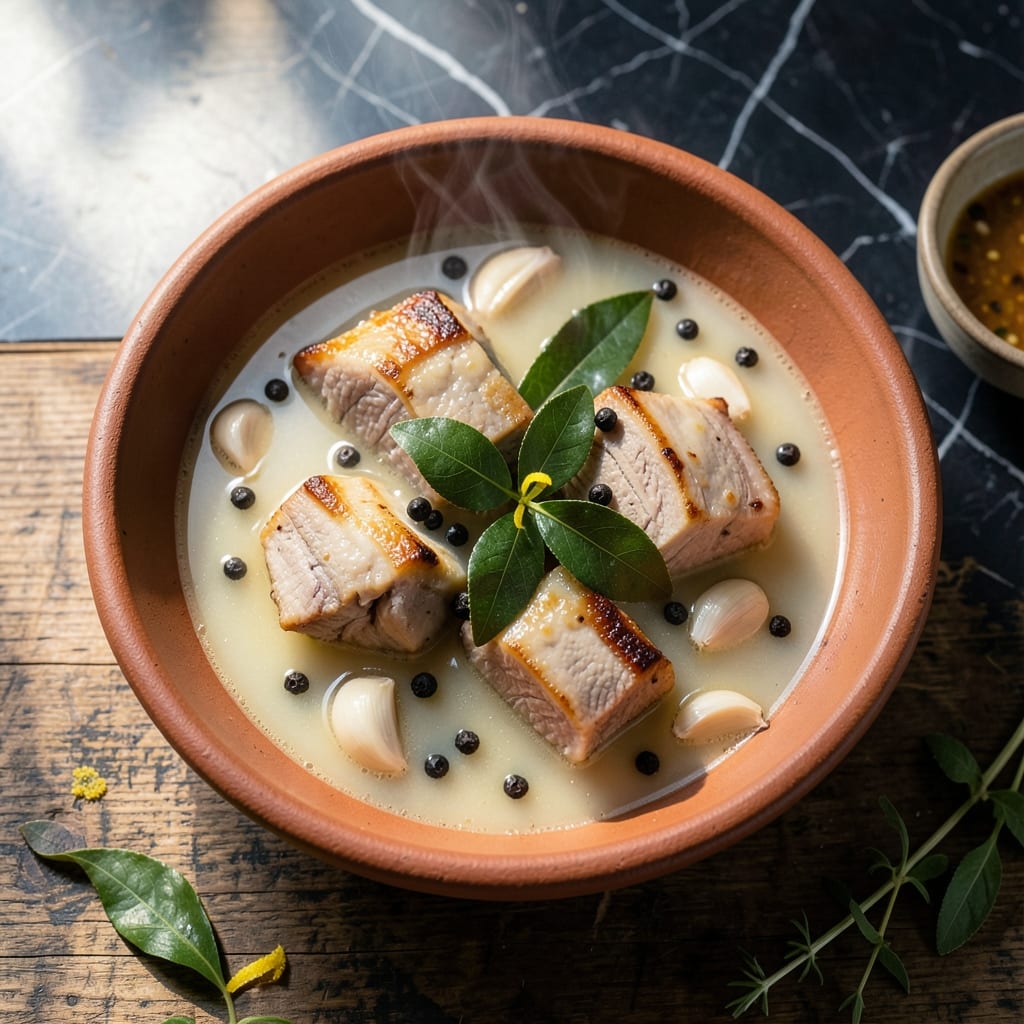
Adobong puti pork recipe delivers a simple yet deeply flavorful Filipino classic. This vinegar-based adobo skips soy sauce for a brighter, tangier profile that highlights the pork's natural richness.
I learned this method while studying traditional Filipino cooking techniques. The key is balancing vinegar, garlic, and black peppercorns to create a tender, fall-off-the-bone result without overpowering the dish.
The cooking process transforms basic ingredients into something extraordinary. The pork absorbs the tangy marinade while developing a savory depth that's uniquely adobong puti.
Serve this with steamed rice to soak up every drop of the aromatic sauce. The simplicity makes it perfect for weeknight dinners or special occasions.
Ingredients for adobong puti pork
Simple ingredients transform into a tangy, savory Filipino masterpiece with minimal effort.
| Ingredient | Amount | Notes |
|---|---|---|
| Pork Shoulder 🐖 | 2 lb | Cut into 2-inch pieces, bone-in preferred |
| White Vinegar 💧 | 1 ½ cups | Cane or distilled white vinegar |
| Garlic Cloves 🧄 | 12 cloves | Peeled and smashed whole |
| Black Peppercorns 🌶️ | 1 tbsp | Whole, lightly crushed |
| Bay Leaves 🍃 | 3 pieces | Dried, whole leaves |
| Water 💧 | 1 cup | For marinade and cooking liquid |
| Salt 🧂 | 1 ½ tsp | Kosher or sea salt preferred |
| Brown Sugar 🍚 | 1 tbsp | Optional, for balancing acidity |
| Vegetable Oil 🫒 | 2 tbsp | For searing pork |
| Onion 🧅 | 1 whole | Medium, quartered |
| Green Onions 🌱 | 4 pieces | For garnish, sliced thin |
The pork shoulder is non-negotiable for authentic adobong puti. Bone-in pieces from a trusted butcher or the meat counter at Whole Foods yield the most tender results. Ask for cuts with good fat marbling—this melts down during cooking, creating a luxurious sauce. Fresh black peppercorns (toasted and crushed) outperform pre-ground, but high-quality brands like McCormick work in a pinch.
No white vinegar? Apple cider vinegar in a 1:1 ratio is an acceptable substitute, though the flavor profile shifts slightly. Dried bay leaves are standard, but fresh can be used at half the amount. Skip the brown sugar if you prefer a purely tangy dish. For the garlic, pre-peeled cloves from Trader Joe's save time without sacrificing quality. The onion can be yellow or white—whatever’s on hand.
Adobong puti tastes even better the next day as flavors meld. Store in an airtight container in the fridge for up to 5 days, or freeze for 3 months. Reheat gently to preserve the pork’s tenderness. Always discard bay leaves before serving.
Why You'll Love This Recipe
- One Pot Wonder: I just toss pork shoulder, vinegar, garlic, and spices in a pot and let it simmer—minimal effort, maximum flavor.
- Garlic Bomb: The garlic cloves infuse the pork with this rich, tangy aroma that makes the whole house smell incredible.
- Meal Prep Hero: I make a big batch on Sunday and it tastes even better reheated for lunch the next day.
- Budget Stretcher: Pork shoulder is so affordable, and this recipe turns it into something ridiculously good without breaking the bank.
Step-by-step instructions for adobong puti pork
Master this traditional technique for perfectly balanced tangy, savory pork adobo every time.
Marinate the Pork Shoulder with Aromatics
In a large bowl, combine the 2 lb Pork Shoulder, 1.5 cups White Vinegar, 12 cloves Garlic Cloves, 1 tbsp Black Peppercorns, 3 pieces Bay Leaves, 1 cup Water, 1.5 tsp Salt, and 1 tbsp Brown Sugar. Mix thoroughly to ensure the pork is fully coated.
The vinegar will begin to "cook" the pork slightly, and you'll notice the meat absorbing the flavors within 30 minutes. Cover and refrigerate for at least 1 hour (overnight for deeper flavor penetration). The acidity will tenderize the pork while preserving its natural juices.
Sear the Pork for Depth of Flavor
Heat the 2 tbsp Vegetable Oil in a large pot or Dutch oven over medium-high heat. Remove the pork from the marinade (reserve the marinade) and pat dry with paper towels. Sear the pork pieces in batches, avoiding overcrowding, for 3-4 minutes per side until golden brown.
You'll know it's ready to flip when the pork releases easily from the pot. This searing step develops a rich fond on the bottom of the pot, which will later enhance the sauce. Transfer the seared pork to a plate and set aside temporarily.
Simmer in the Reserved Marinade
Pour the reserved marinade into the same pot, including the 1 whole Onion (quartered). Bring to a boil over high heat, then reduce to low heat. Return the seared pork to the pot, ensuring it's mostly submerged in the liquid.
Cover and simmer gently for 1 to 1.5 hours, until the pork is fork-tender and the liquid has reduced slightly. Stir occasionally and check that the sauce maintains a gentle simmer—too high heat will make the vinegar evaporate too quickly.
Reduce the Sauce and Adjust Seasoning
Once the pork is tender, uncover the pot and increase heat to medium. Simmer for an additional 10-15 minutes to allow the sauce to thicken slightly and develop a glossy sheen. The sauce should coat the back of a spoon but remain pourable.
Taste and adjust the seasoning if needed. The balance should be tangy from the vinegar, with a subtle sweetness from the brown sugar. The peppercorns and bay leaves will have infused their aromatic qualities into the sauce during the long simmer.
Discard the bay leaves before serving.
Garnish and Serve
Transfer the adobong puti to a serving dish and garnish with the 4 pieces Green Onions, thinly sliced. The green onions add a fresh, sharp contrast to the rich, tangy sauce.
Serve hot with steamed rice to soak up the flavorful sauce. The pork should be falling-apart tender, with each piece generously coated in the glossy, aromatic sauce. The dish is best enjoyed fresh but tastes even better the next day as the flavors continue to meld.
Pro Tips For Making Adobong Puti Pork
- Simmer, Don’t Boil: I learned this the hard way—keep the heat low so the vinegar mellows without turning the pork tough. A gentle simmer for 40-45 minutes lets the flavors meld without drying out the meat.
- Crush the Garlic: Sounds weird, but it works: lightly crush the garlic cloves before adding them whole. This releases the aroma without burning, and you can fish them out later if you prefer a smoother sauce.
- Skip the Early Salt: Resist the urge to season the pork before cooking—white vinegar adobo gets its saltiness from the soy-free reduction, and adding salt too soon can make the dish overly briny.
- Use More Vinegar: After burning three batches, I finally figured out the vinegar needs to generously cover the pork at first. About 1.5 cups for 1 lb of shoulder is the sweet spot—it reduces down perfectly by the end.
Flavor customization for adobong puti pork
Spice It Up
For heat lovers, add 2-3 Thai bird's eye chilies or 1 tbsp red pepper flakes to the marinade. The vinegar amplifies the chili's heat while balancing the overall flavor. I learned this trick from a Filipino chef in Charleston.
Sweet and Sour
Boost sweetness by adding 2 tbsp pineapple juice or 1 tbsp honey to the sauce. This creates a delightful contrast with the tangy vinegar. The sugar also helps caramelize the pork slightly during searing.
Extra Garlicky
Double the garlic to 24 cloves for an intense aroma. Sauté half the garlic before adding the pork to deepen the flavor base. My farm hands request this version all the time. 💛
Citrus Twist
Add ½ cup calamansi juice or lime juice for a brighter, citrusy note. This variation is popular in coastal Filipino regions. The acidity complements the vinegar beautifully.
Herb Infusion
Include 5-6 fresh thyme sprigs or 1 tbsp dried oregano to the marinade. These herbs add an earthy depth that pairs wonderfully with pork. Remove stems before serving.
Creamy Finish
Stir in ¼ cup coconut milk at the end for a richer, slightly creamy sauce. This modern twist maintains the dish's integrity while adding luxurious texture.
Nutrition facts
Frequently asked questions
Can I use a different vinegar for this dish?
Cane or distilled white vinegar is traditional, but apple cider vinegar works in a pinch. Avoid balsamic or red wine vinegar as they’ll overpower the dish. The acidity level should remain similar for proper tenderizing.
Why is my pork tough after cooking?
This usually means it didn’t simmer long enough. Pork shoulder needs 1-1.5 hours of gentle cooking to break down the collagen. Also, avoid boiling vigorously—keep it at a low simmer.
How do I store leftovers?
Cool completely, then transfer to an airtight container. Refrigerate for up to 5 days or freeze for 3 months. Reheat gently on the stove to maintain tenderness.