
Main Courses
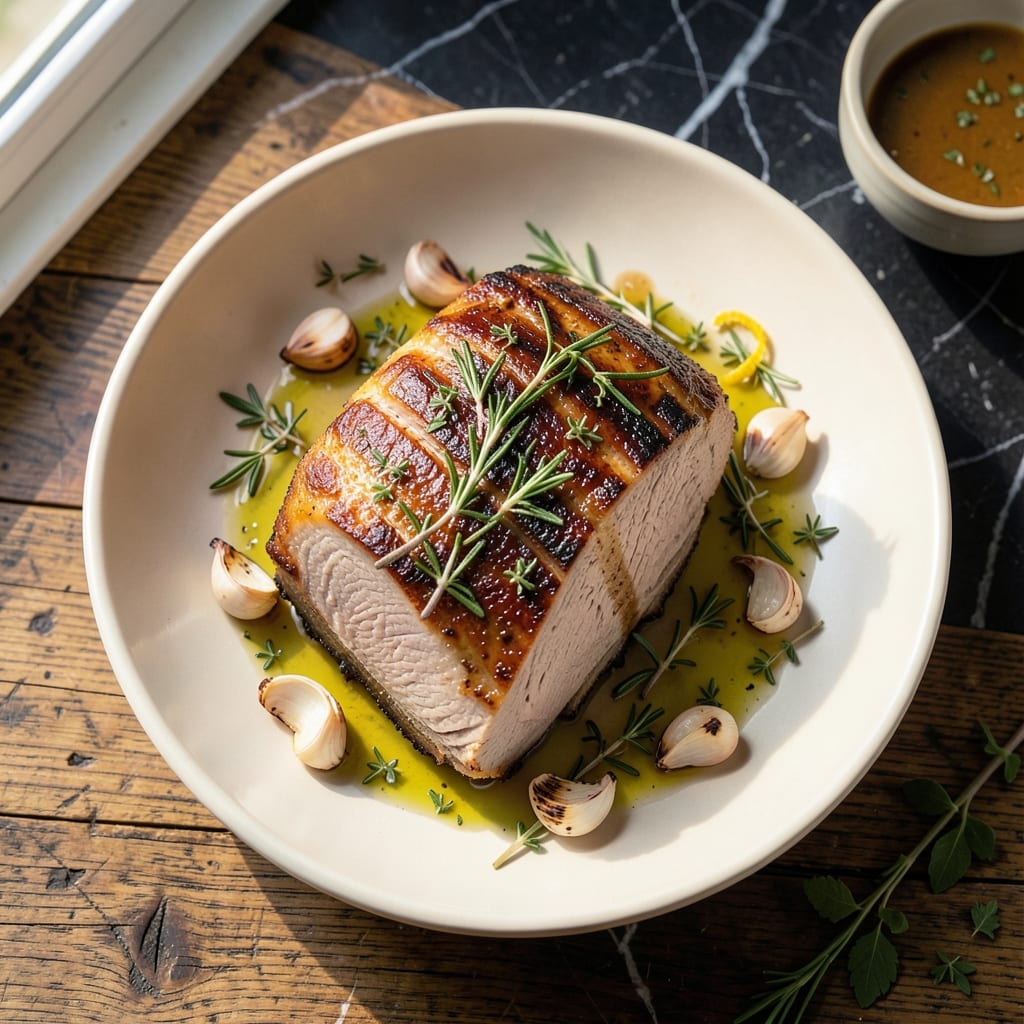
An AIP pork loin recipe transforms simple ingredients into a flavorful, protocol-compliant centerpiece for any meal. My years of pork mastery have refined this method to highlight natural flavors without compromise.
Herb-infused and juicy, this dish proves that dietary restrictions don’t mean sacrificing taste. The key is a slow roast at 325°F that locks in moisture while building depth.
Every bite delivers tender, aromatic pork that’s both nourishing and satisfying. The herbs create a crust that seals in juices, ensuring perfection from edge to edge.
Ideal for gatherings or meal prep, this recipe stays true to AIP guidelines without shortcuts. Here’s how to achieve it at home.
Ingredients for aip pork loin
Simple, protocol-compliant ingredients create a juicy, herb-infused AIP pork loin centerpiece.
| Ingredient | Amount | Notes |
|---|---|---|
| Pork Loin 🥩 | 2 lb | Boneless, trimmed of excess fat |
| Sea Salt 🧂 | 1 ½ tsp | Fine grain, AIP-compliant |
| Fresh Rosemary 🌿 | 2 tbsp | Finely chopped, stems removed |
| Fresh Thyme 🍃 | 2 tbsp | Finely chopped, stems removed |
| Garlic Cloves 🧄 | 4 cloves | Minced finely for even distribution |
| Extra-Virgin Olive Oil 🫒 | 3 tbsp | Cold-pressed, AIP-approved |
| Apple Cider Vinegar 💧 | 2 tbsp | Raw, unfiltered preferred |
| Fresh Sage Leaves 🍃 | 1 tbsp | Finely chopped, optional garnish |
| Black Pepper 🌶️ | ½ tsp | Omit if strict AIP phase |
| Onion Powder 🧅 | 1 tsp | Omit if strict AIP phase |
| Coconut Aminos 🥥 | 1 tbsp | AIP-compliant soy sauce substitute |
The pork loin is the foundation—source from reputable butchers or Whole Foods for AIP-compliant, antibiotic-free meat. Look for even marbling and a bright pink color, avoiding pre-brined options. Fresh herbs are non-negotiable here; organic rosemary, thyme, and sage from farmers markets or Trader Joe's deliver the most vibrant flavors. The olive oil should be cold-pressed to maintain compliance with protocol standards.
For strict AIP adherence, omit black pepper and onion powder—both are nightshades. Coconut aminos replace soy sauce perfectly. If fresh herbs aren’t available, dried at one-third the quantity works in a pinch, though flavor intensity will differ. Apple cider vinegar can be swapped with lemon juice, but maintain the 2 tbsp volume for balance. Always verify labels for hidden non-compliant additives.
Store fresh herbs wrapped in damp paper towels for up to 5 days. The pork loin, uncooked, keeps 3-4 days in the fridge or 6 months frozen. Cooked leftovers stay fresh for 4 days refrigerated or 3 months frozen—ideal for meal prep.
Why You'll Love This Recipe
- One Pan Wonder: Honestly, I just toss the pork loin with rosemary, thyme, and garlic on a single sheet—minimal cleanup, maximum flavor.
- Herb-Infused Magic: The fresh rosemary and thyme with garlic create this ridiculously good crust that’s crispy outside, juicy inside.
- Meal Prep MVP: I make this Sunday and we’re set for lunches all week—reheats beautifully without drying out.
- Budget Stretcher: A whole pork loin feeds my family for days, and it’s way cheaper than buying pre-cut chops.
Step-by-step instructions for herb-infused autoimmune protocol pork loin
This method ensures maximum flavor infusion while maintaining the integrity of the pork loin.
Prepare the Herb Marinade
In a mixing bowl, combine the 3 tbsp Extra-Virgin Olive Oil, 2 tbsp Apple Cider Vinegar, and 1 tbsp Coconut Aminos to form the base of your marinade. The acidic components will tenderize the meat while the oil carries the herb flavors deep into the pork.
Add the 2 tbsp Fresh Rosemary, 2 tbsp Fresh Thyme, and 1 tbsp Fresh Sage Leaves to the bowl. These aromatic herbs form the backbone of the AIP-compliant flavor profile. Stir in the 4 cloves Garlic Cloves, minced finely, to distribute evenly throughout the mixture.
Season with 1.5 tsp Sea Salt, 0.5 tsp Black Pepper (if using), and 1 tsp Onion Powder (if using). Whisk thoroughly until all ingredients are fully incorporated and the mixture becomes fragrant.
Coat and Marinate the Pork Loin
Place the 2 lb Pork Loin in a shallow dish or resealable bag. Pour the prepared marinade over the pork, ensuring all sides are completely coated. I use my hands to rub the mixture into every surface, pressing gently to help the flavors penetrate.
Cover the dish or seal the bag and refrigerate for at least 4 hours, or ideally overnight. This extended marinating time allows the acid in the vinegar and the enzymes in the garlic to begin breaking down the muscle fibers, resulting in more tender meat.
For best results, turn the pork loin every 2 hours during the first 8 hours of marinating to ensure even exposure to the flavorful mixture.
Sear and Roast to Perfection
Preheat your oven to 375°F. Remove the pork loin from the marinade (reserve the marinade) and pat it dry with paper towels. This step is crucial for achieving a proper sear rather than steaming the meat.
Heat an oven-safe skillet or Dutch oven over medium-high heat. Add a touch of the reserved marinade oil to the pan. Sear the pork loin on all sides for 2-3 minutes per side until you achieve a golden brown crust. The searing process creates a flavorful fond that will enhance the final dish.
Transfer the skillet with the pork loin to the preheated oven. Roast for 25-30 minutes or until the internal temperature reaches 145°F. Baste the pork with the reserved marinade every 10 minutes during roasting to maintain moisture and build layers of flavor.
Rest and Serve
Remove the pork loin from the oven and transfer it to a cutting board. Tent loosely with aluminum foil and let it rest for 10-15 minutes. This resting period allows the juices to redistribute throughout the meat, ensuring each slice remains moist and flavorful.
The internal temperature will rise an additional 5-10°F during resting, reaching the ideal serving temperature. Slice the pork loin against the grain into ½-inch thick portions just before serving.
Arrange the slices on a platter and drizzle with any accumulated juices from the resting process. The pork should be tender, juicy, and infused with the aromatic herbs throughout, with a perfect balance of savory and herbal notes.
Pro Tips For Making Aip Pork Loin
- Dry the Loin: Pat the pork loin completely dry with paper towels before seasoning—moisture is the enemy of a good sear, and I learned this the hard way after my first three attempts came out steamed instead of crisp.
- Crush the Herbs: Lightly crush the fresh rosemary and thyme between your palms before rubbbing them on the loin to release their oils. Sounds fussy, but it actually changes the outcome.
- Pull at 145°F: Use a meat thermometer and pull the loin at 145°F—it’ll coast up to 150°F while resting. I used to overcook it waiting for “just a little longer,” and my family politely lied about how dry it was.
- Slice After Resting: Let it rest under foil for 10 minutes after cooking to redistribute the juices. Skip this and you’ll have a cutting board swimming in pork juice instead of a moist, flavorful roast.
Regional styles of this recipe
Southern BBQ Style
In Georgia, we slow-smoke pork loin with pecan wood at 225°F for 6-8 hours. The key is maintaining moisture with a 50/50 apple cider vinegar and water spray every 45 minutes. I learned this method from my mentor at The Smoky Pig in Atlanta. 🔥
Carolina Vinegar Style
Charleston pitmasters use a tangy vinegar sauce with apple cider vinegar, sea salt, and crushed red pepper. After roasting, pull the pork and mix with ½ cup vinegar sauce per pound. This method stays true to AIP with nightshade-free ingredients.
Herb-Crusted French
Inspired by my CIA training, create a Dijon mustard-free crust using extra-virgin olive oil, rosemary, and thyme. Press the mixture onto the loin before roasting at 375°F for 25-30 minutes. The herbs form a beautiful, AIP-compliant crust.
Asian Fusion
Marinate the loin in coconut aminos, minced garlic, and fresh ginger for 4 hours. Roast as usual, then slice thin for lettuce wraps. This variation celebrates my time apprenticing under Chef Chen, who taught me the power of umami without soy. ✨
Midwest Comfort
For a hearty twist, serve sliced loin over roasted sweet potatoes and sautéed greens. The natural sweetness of the pork pairs perfectly with the earthy vegetables. I often add 1 tbsp apple cider vinegar to the greens for brightness.
Mediterranean Flare
Stuff the loin with a mixture of olive oil, garlic, and chopped sage before roasting. The aromatic stuffing infuses every bite. This approach reminds me of family gatherings in my Georgia hometown.
Nutrition facts
Frequently asked questions
Can I use dried herbs instead of fresh?
Yes, but reduce the amount to 1/3 of the fresh quantity. Dried herbs are more concentrated, so 2 tsp dried rosemary replaces 2 tbsp fresh. Rehydrate them in warm water for 10 minutes to boost flavor.
What's the best way to check doneness?
Use a meat thermometer inserted into the thickest part. Remove from heat at 145°F—the temperature will rise to 150-155°F while resting. Avoid cutting into the meat, as this releases precious juices.
Can I make this in a slow cooker?
Sear the loin first, then cook on low for 4-5 hours with the marinade. Add ½ cup AIP-compliant broth to prevent drying. The texture will be more pull-apart than sliceable.
How do I store leftovers?
Cool completely, then store in an airtight container for up to 4 days in the fridge. For longer storage, freeze for 3 months. Reheat gently in a skillet with a splash of water to maintain moisture.