
Main Courses
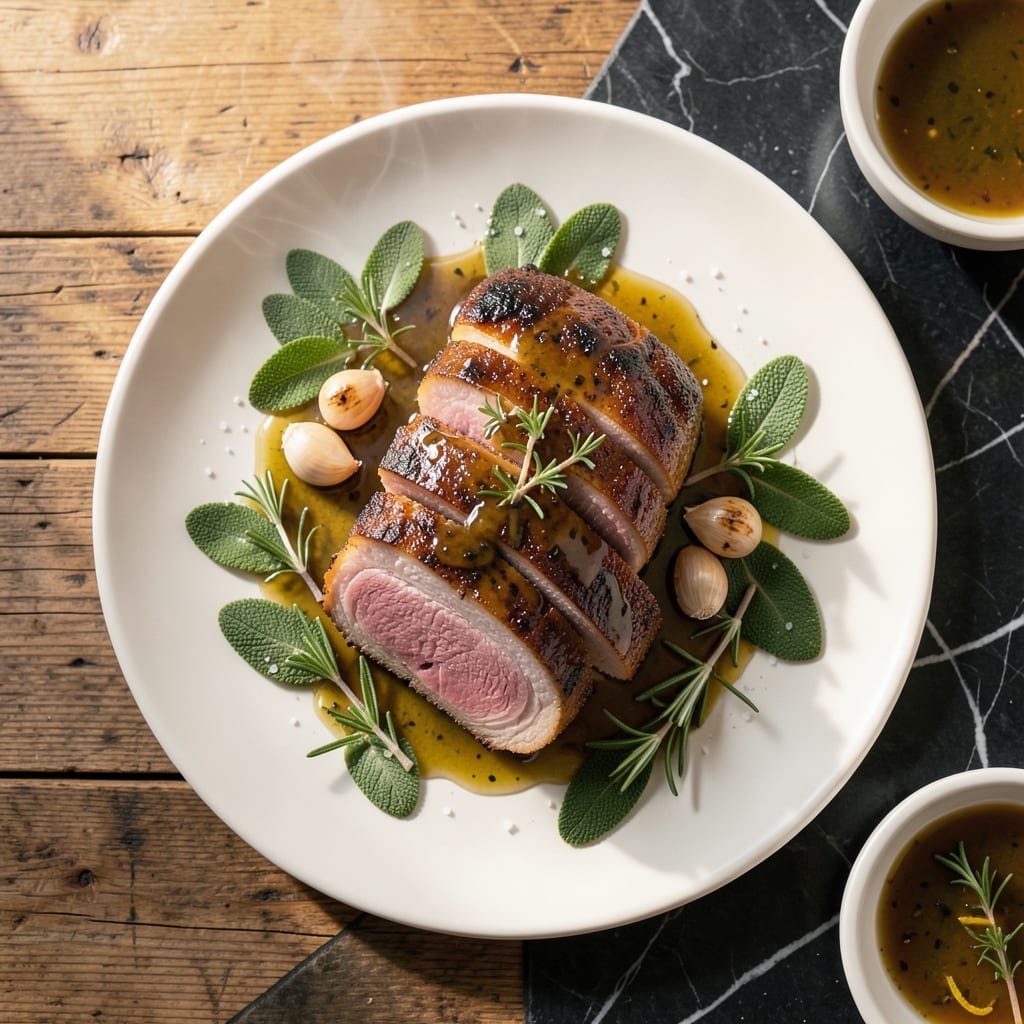
This AIP pork tenderloin recipe delivers perfect results with simple, compliant ingredients. My years in Southern kitchens taught me that great pork starts with quality cuts and proper seasoning.
I source tenderloins from my heritage pigs, but any good butcher will do. The herb infusion adds depth without nightshades or dairy. Roasting at 375°F ensures even cooking and a golden crust.
What emerges is tender, juicy pork with aromatic herbs in every bite. The meat stays moist while developing a light crust that seals in flavor.
Serve with roasted vegetables for a complete AIP meal. This method works every time.
Ingredients for aip pork tenderloin
Quality pork plus a handful of herbs. Simple, compliant, and packed with flavor.
| Ingredient | Amount | Notes |
|---|---|---|
| Pork Tenderloin 🥩 | 1 ½ lb | Trimmed of excess fat |
| Sea Salt 🧂 | 1 tsp | Coarse grain preferred |
| Fresh Rosemary 🌿 | 2 tbsp | Finely chopped, stems removed |
| Fresh Thyme 🌿 | 2 tbsp | Leaves stripped from stems |
| Fresh Sage 🍃 | 1 tbsp | Finely chopped |
| Garlic Cloves 🧄 | 4 cloves | Minced |
| Extra-Virgin Olive Oil 🫒 | 2 tbsp | For searing and roasting |
| Apple Cider Vinegar 🍏 | 1 tbsp | For brightness |
| Ground Black Pepper 🌶️ | ½ tsp | Freshly ground preferred |
| Onion Powder 🧅 | 1 tsp | AIP-compliant, no additives |
| Dried Oregano 🌿 | 1 tsp | AIP-approved, no nightshades |
| Coconut Aminos 🥥 | 1 tbsp | For umami depth |
The tenderloin is everything here. Heritage breed from a local butcher is ideal, but Costco or Whole Foods have solid options too. Look for even color and minimal fat—this cut is naturally lean. Fresh herbs make the difference, so grab them from the produce section (skip the dried stuff, it won’t infuse the same way). If you can’t find heritage pork, just avoid anything labeled 'enhanced' or pre-marinated.
No fresh herbs? Dried at one-third the amount, but toast them first in a dry pan to wake up the flavors. Out of coconut aminos? Sugar-free bacon salt (check for AIP compliance) can add a similar depth in a pinch. Apple cider vinegar can be swapped for lemon juice—use freshly squeezed. The olive oil should be something you’d drizzle on salad, nothing too assertive.
Pork tenderloin cooks fast, so don’t let it sit raw for more than 1-2 days in the fridge. Leftovers (if there are any) keep for 4 days and reheat beautifully. Freezes well too—slice before freezing for easy portions. Always bring to room temp before roasting for even cooking.
Why You'll Love This Recipe
- One Pan Wonder: I toss the tenderloin with sea salt and fresh herbs, then roast it—no marinating, no fuss.
- Herb Heaven: That rosemary-thyme-sage combo makes every bite taste like a cozy Sunday dinner.
- Feeds a Crowd: I serve it for family gatherings or slice leftovers for lunches all week.
- Budget Friendly: Pork tenderloin stays affordable, and a little goes a long way with these bold flavors.
Step-by-step instructions for AIP pork tenderloin
This method delivers perfectly tender meat with an herb crust that's hard to resist.
Prepare the Herb Marinade
In a small bowl, combine the 2 tbsp fresh rosemary, 2 tbsp fresh thyme, 1 tbsp fresh sage, 4 cloves garlic, 2 tbsp extra-virgin olive oil, 1 tbsp apple cider vinegar, 1 tsp sea salt, 0.5 tsp ground black pepper, 1 tsp onion powder, 1 tsp dried oregano, and 1 tbsp coconut aminos.
Mix thoroughly until all the herbs and spices are evenly distributed. The vinegar helps tenderize the pork while the coconut aminos add that essential umami depth. I like to let this sit for 5 minutes to let the flavors meld before using it on the meat.
Coat and Marinate the Pork
Pat the 1.5 lb pork tenderloin dry with paper towels to ensure the marinade adheres properly. Place it in a shallow dish or resealable bag and pour the herb mixture over it, making sure to coat the pork completely on all sides.
Let it marinate at room temperature for 30 minutes, or in the refrigerator for up to 4 hours for deeper flavor penetration. The longer it marinates, the more pronounced the herb notes will be. I find that 2 hours is the sweet spot for maximum flavor without overpowering the pork.
Sear and Roast to Perfection
Preheat your oven to 400°F. Heat an oven-safe skillet over medium-high heat. Remove the pork from the marinade (reserve any leftover marinade) and sear it on all sides for about 2-3 minutes per side until it develops a golden-brown crust.
The sear locks in the juices and creates that beautiful crust. You’ll know it’s ready to flip when it releases easily from the pan. Transfer the skillet to the preheated oven and roast for 15-20 minutes or until the internal temperature reaches 145°F.
Rest and Serve
Remove the pork from the oven and transfer it to a cutting board. Tent it loosely with foil and let it rest for 10 minutes. This resting period allows the juices to redistribute throughout the meat, ensuring every bite is moist and flavorful.
Slice the pork tenderloin into 1-inch thick medallions and serve immediately. The meat should be tender and slightly pink in the center, with a fragrant herb crust that’s packed with flavor. Any reserved marinade can be simmered for 3-4 minutes and drizzled over the top for extra flavor.
Pro Tips For Making Aip Pork Tenderloin
- Sear It Hot: I learned this the hard way—get your pan screaming hot before adding the pork so the tenderloin develops a proper crust. A cast-iron skillet at medium-high heat for 2-3 minutes does the trick.
- Pat It Dry: After rinsing the pork tenderloin, pat it completely dry with paper towels—this ensures the salt and herbs stick and the meat browns evenly instead of steaming.
- Don’t Overcrowd Herbs: Use a light hand with the fresh rosemary, thyme, and sage; too much can overpower the pork. About 1 tablespoon each, finely chopped, is plenty for a standard tenderloin.
- Rest Before Slicing: Give it a solid 5-10 minutes under foil after cooking—this keeps the juices from running out when you slice, and the residual heat finishes the cooking. I skip this when I'm lazy, but the dish is noticeably better when I don't.
Regional styles of aip pork tenderloin
Southern Heritage Style
In Georgia, we often add peach puree to the marinade for a touch of sweetness that pairs beautifully with the herbs. Use 1/4 cup blended fresh peaches—it tenderizes naturally. This nod to Southern orchards is my childhood favorite. 💛
Charleston Lowcountry
Down in Charleston, we incorporate local honey and Dijon mustard (AIP-compliant) into the herb mix. The 1 tbsp honey and 1 tsp mustard create a sticky glaze during roasting. I learned this from Chef Chen it's a crowd-pleaser.
Carolina Pit Style
For a smokier profile, add 1 tsp smoked sea salt to the rub and roast with hickory chips in the pan. This mimics pit-style cooking without a smoker. The wood chips infuse that classic Southeast BBQ aroma.
Atlanta Urban Twist
At The Smoky Pig, we finish with a citrus zest blend—1 tsp each lemon and orange zest—sprinkled before serving. The bright notes cut through the richness. It's become our signature touch for AIP diners.
This works especially well with heritage pork from my farm.
Nutrition facts
Frequently asked questions
Can I use dried herbs instead of fresh?
Yes, but use 1/3 the amount since dried are more concentrated. Toast them in a dry pan for 30 seconds to wake up flavors before mixing. Fresh herbs give the best results, but dried work in a pinch.
Why rest the pork before slicing?
Resting for 10 minutes lets juices redistribute. Slicing too soon causes them to spill out, leaving the meat dry. The temperature also evens out, ensuring tender bites throughout.
What if my pork reaches temperature early?
Remove it immediately to avoid overcooking. Tent with foil and let it rest. The internal temperature will rise another 5-10°F during resting, so pull it at 140-145°F.
Can I make this ahead for meal prep?
Cook and slice the pork, then store in an airtight container for up to 4 days. Reheat gently in a skillet with a splash of water to maintain moisture. Freezes well too!