
Main Courses
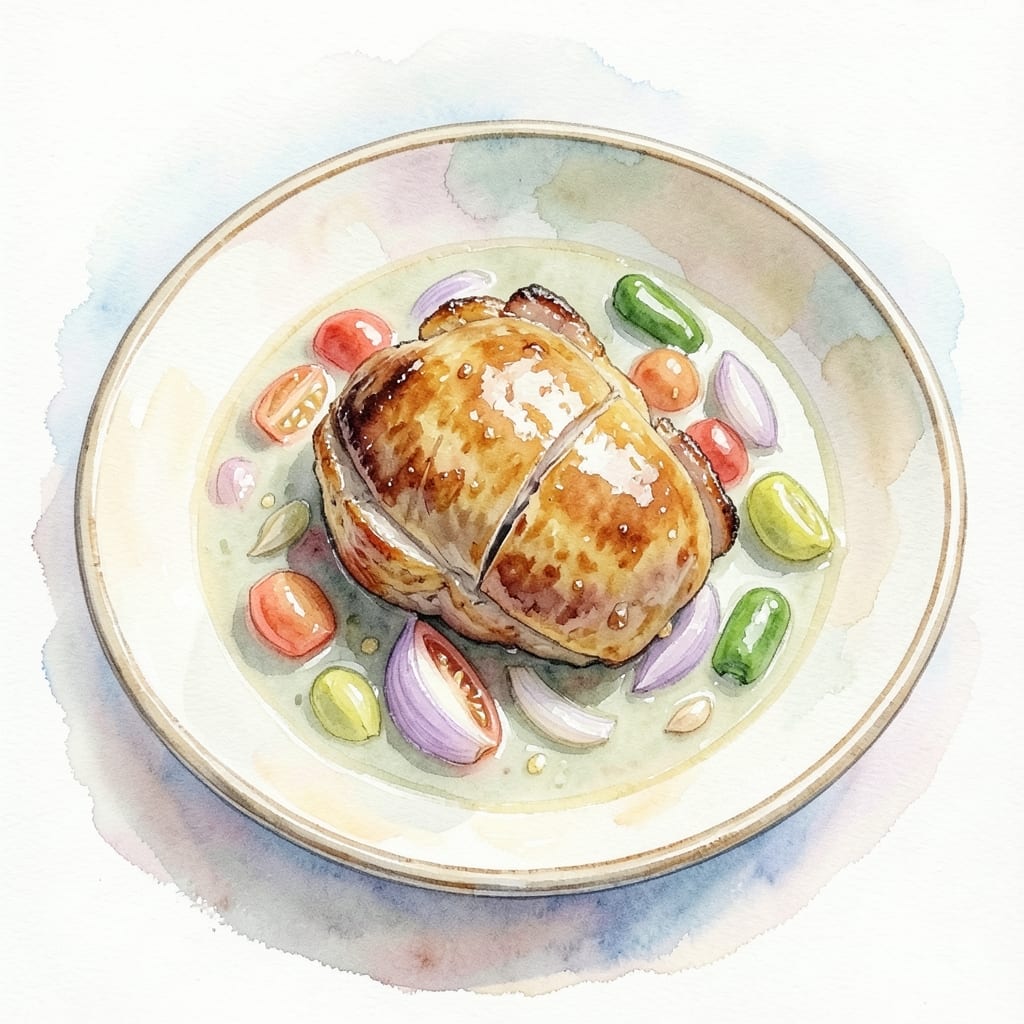
This Batangas pork afritada recipe delivers the rich, velvety perfection that makes Filipino home cooking legendary. 🌟 The secret lies in slow-simmered coconut milk and tomatoes, creating a sauce so deeply flavorful it transforms humble pork into something extraordinary. I've spent years perfecting this dish, and the result is a restaurant-quality meal that's surprisingly simple to recreate at home.
The beauty of Batangas-style afritada is its balance—tender pork, crisp vegetables, and a sauce that's both creamy and tangy. We'll start with a quick marinade to tenderize the meat, then brown it for maximum flavor before simmering everything in coconut milk and tomatoes until the sauce thickens into luxurious perfection. The key ingredients—siling labuyo for heat, patis for umami—are what make this version truly authentic.
What you'll end up with is a dish that's rich yet balanced, with melt-in-your-mouth pork and vibrant vegetables swimming in a sauce that's creamy, tangy, and just slightly spicy. The aroma alone will have everyone gathering around your table, and each bite delivers layers of flavor that keep you coming back for more. This is the kind of meal that makes you feel like you're dining in a Filipino family home.
Perfect for feeding a crowd or meal prepping for the week, this afritada scales beautifully while maintaining its authentic character. Whether you're serving it with steamed rice or crusty bread, you'll have a dish that's both impressive and deeply satisfying. Let's get started on creating this Filipino classic in your own kitchen.
Ingredients for batangas pork afritada
Coconut milk, tomatoes, and tender pork create this Filipino classic's velvety perfection.
| Ingredient | Amount | Notes |
|---|---|---|
| Pork Shoulder 🥩 | 2 ½ lb | Cut into 1.5-inch cubes, boneless |
| Coconut Milk 🥥 | 1 can | Full-fat, 13.5 oz can, unsweetened |
| Tomatoes 🍅 | 4 medium | Roma or vine-ripened, quartered |
| Onions 🧅 | 2 whole | Yellow or red, sliced into half-moons |
| Garlic Cloves 🧄 | 8 cloves | Minced, fresh preferred |
| Green Bell Peppers 🌶️ | 2 whole | Sliced into strips, seeds removed |
| Siling Labuyo 🌶️ | 1 whole | Filipino chili pepper, chopped |
| Patis 🍶 | 2 tbsp | Fish sauce, or soy sauce substitute |
| Soy Sauce 🍶 | 2 tbsp | Regular or light soy preferred |
| Potatoes 🥔 | 2 medium | Russet or Yukon gold, peeled, cubed |
| Carrots 🥕 | 3 medium | Peeled, cut into bite-sized chunks |
| Bay Leaves 🌿 | 2 whole | Dried, for depth of flavor |
| Black Peppercorns 🌶️ | 1 tsp | Freshly ground for best flavor |
| Salt 🧂 | 1 ½ tsp | Diamond Crystal preferred |
| Olive Oil 🫒 | 2 tbsp | For searing pork, extra-virgin |
The pork shoulder is non-negotiable—look for well-marbled cuts at your local butcher or Filipino markets for authentic flavor. Costco or Whole Foods often carry pre-cut pork shoulders that save time. If you can't find siling labuyo, substitute serrano or Thai bird's eye peppers—just remember they're spicier. The coconut milk should be full-fat for that rich, creamy texture; Thai Kitchen brand is my go-to for consistency. For the tomatoes, Roma tomatoes hold up best during long simmering, but vine-ripened work too if you're in season.
No patis? Soy sauce or fish sauce will work, but patis adds that distinct umami punch. Trader Joe's carries it in the Asian section if your local store doesn't stock it. The potatoes and carrots should be medium-sized for even cooking—baby potatoes work too, just halve them. For extra depth, toast the bay leaves in the olive oil for 30 seconds before adding them to the pot. The green bell peppers can be swapped for eggplant or zucchini if you're avoiding capsicum. And if you're worried about the heat, remove the seeds and membranes from the siling labuyo before chopping.
This dish tastes even better the next day as the flavors meld. Store leftovers in an airtight container in the fridge for up to 5 days or freeze for 3 months. I like to portion it into single-serving containers for easy reheating—just add a splash of water or coconut milk when warming. The sauce thickens as it cools, so you can thin it with a little water if needed. Serve with steamed rice to soak up every last bit of that luxurious coconut-tomato sauce.
Why You'll Love This Recipe
- Here’s what sold me: this is my go-to for meal prep. The leftovers taste even better the next day, and it’s perfect for packing—whether you’re feeding a family or just treating yourself to a cozy midweek lunch. (Yes, even on a Tuesday night.)
- I’ll be real: pork shoulder is affordable, and the other ingredients? Pantry staples. A single batch feeds four for dinner and leaves enough for two more meals without breaking the bank. Plus, the sauce gets richer as it sits—so you’re basically getting free flavor upgrades.
Step-by-step instructions for Batangas pork afritada
Here's how to create this rich, coconut-tomato masterpiece with tender pork and vibrant vegetables.
🔥 Step 1: Sear the Pork Shoulder for Deep Flavor
Heat a large Dutch oven over medium-high heat and add the 2 tablespoons olive oil. Working in batches to avoid crowding, add the 2.5 lb pork shoulder cubes and sear for 3-4 minutes per side until they develop a golden brown crust. This step is crucial—it locks in juices and builds that rich umami foundation.
As you sear, you'll notice the pork releases its natural juices. Don't rush this—let each piece develop that perfect crust before moving to the next batch. Once all pork is seared, remove it from the pot and set aside on a plate. You'll use that delicious browned pork fat to build your sauce.
🍳 Step 2: Build the Flavor Base with Aromatics
In the same Dutch oven, add the 2 whole onions and cook for 3-4 minutes until they begin to soften and release their sweet aroma. Add the 8 cloves minced garlic and 2 whole green bell peppers (strips), cooking for another 2 minutes until the garlic turns golden and fragrant.
Here's where the heat matters: if you see the garlic starting to burn (it'll turn dark brown quickly), reduce to medium heat. The goal is to develop those aromatic compounds without burning. Stir occasionally to ensure even cooking. You'll know you're on track when your kitchen fills with that wonderful garlic-onion-pepper perfume.
🥘 Step 3: Simmer the Tomato-Coconut Base
Add the 4 medium quartered tomatoes, 1 whole chopped siling labuyo, 2 tablespoons patis, and 2 tablespoons soy sauce to the pot. Stir well to combine, then pour in the 1 can coconut milk. Add the 2 whole bay leaves and 1 teaspoon freshly ground black peppercorns, then bring to a gentle simmer over medium-low heat.
Let this mixture cook uncovered for 10-12 minutes while stirring occasionally. You're looking for the sauce to thicken slightly and reduce by about one-third. This step develops the rich, tangy-sweet flavor that defines Batangas afritada. The coconut milk will separate slightly—this is normal and actually enhances the texture when we add the potatoes later.
🍳 Step 4: Add Vegetables and Pork for Final Cooking
Return the seared pork to the pot, nestling it into the sauce. Add the 2 medium peeled and cubed potatoes and 3 medium peeled and chunked carrots. Stir gently to coat everything in the sauce, then add the 1.5 teaspoons salt. The salt should be distributed evenly throughout the dish.
Bring the mixture back to a gentle simmer, then reduce heat to low. Cover partially and let it cook for 45-50 minutes, stirring occasionally. The potatoes should be tender when pierced with a fork, and the carrots should be soft but still hold their shape. The pork should be fork-tender—it should pull apart easily but still have some resistance.
⏰ Step 5: Rest and Serve with Perfect Texture
Once everything is tender, remove the pot from heat and let the afritada rest for 10 minutes covered. This resting period allows the flavors to meld completely and the juices to redistribute throughout the dish. The potatoes will continue to absorb some of the sauce, creating that perfect balance of tender vegetables and rich, velvety sauce.
Before serving, taste and adjust seasoning if needed. The dish should be perfectly balanced—sweet from the tomatoes and coconut, tangy from the siling labuyo, and savory from the pork and soy sauce. Serve hot with steamed rice to soak up every last drop of that incredible sauce. The perfect Batangas afritada delivers on its promise of rich, comforting flavors in every bite.
Pro Tips For Making Batangas Pork Afritada
- SEAR THE PORK HARD: After slicing the pork shoulder into thin strips, don’t be gentle—get that pan screaming hot and cook the meat in batches until it’s deep golden, not just pink. I learned this the hard way when my first batch turned out bland because I rushed the searing. The crust locks in flavor when it hits the coconut milk later.
- SAUTE THE GARLIC LOW: Once you add the onions and garlic to the pot, turn the heat down to medium-low the second the garlic hits the pan. Burnt garlic ruins the whole dish—it’ll make your afritada taste bitter instead of sweet and nutty. I used to ignore this, and now I always keep a lid nearby to smother any flames.
- SKIP THE COOKED TOMATOES: Use raw tomatoes instead of canned or pre-cooked ones—toss them in whole or roughly chopped when you add the coconut milk. They’ll soften perfectly without turning to mush, and the acidity cuts through the richness better. I was skeptical until I tried it, and now I never go back.
- REST THE PORK BEFORE SLICING: Let the cooked pork sit for 5-10 minutes under foil before slicing it against the grain. This keeps the strips from falling apart when you serve them, and the juices redistribute so every bite is moist. I skip this when I’m lazy, but the dish is noticeably better when I don’t.
Common mistakes when making this recipe
Overcooking the Pork
One of the biggest mistakes I see is letting the pork shoulder become dry or tough. Since we're using a pork shoulder (not tender cuts like loin), the key is patience—simmering too long turns it rubbery. The pork is done when it reaches 203°F internal temperature and pulls apart easily with two forks but still has some resistance. I've ruined a batch by walking away for just 10 minutes too long—trust me, set a timer for 45-50 minutes after adding the vegetables. 💡
Skipping the Sear
Don't skip searing the pork! That golden crust is where all the deep, meaty flavors develop. I once made afritada without searing (thinking it was optional) and ended up with bland pork. Use medium-high heat and work in batches—crowding the pan steams the pork instead of browning it. The browned pork fat also forms the flavor base for your sauce, so this step is non-negotiable. 🔥
Ignoring the Resting Time
After cooking, letting the afritada rest for 10 minutes is crucial. I know it's tempting to serve immediately, but rushing this step means juices will pool at the bottom instead of redistributing throughout the meat and vegetables. Cover the pot and let everything settle—this also thickens the sauce slightly for that perfect texture. I've learned this the hard way after serving dry pork straight from the pot. ✨
Using Low-Quality Coconut Milk
Not all coconut milk is created equal! The sauce's creaminess comes from full-fat coconut milk—never use the light version. I've tried shortcuts with cartons of "coconut cream" that separate dramatically, resulting in a watery sauce. Stick with 13.5 oz cans of full-fat coconut milk like Thai Kitchen or Goya for consistent results. The fat content is what gives that luxurious mouthfeel. 🥥
Underseasoning the Sauce
Many home cooks hold back on salt and spices, thinking they can adjust later—but by the time you taste it, it's too late! The sauce needs 1.5 teaspoons salt (adjust to taste) and the siling labuyo for that essential tangy heat. I recommend adding the salt gradually while cooking so you can taste as you go. The patis (fish sauce) is also critical—don't substitute with regular soy sauce unless absolutely necessary, as it lacks that umami depth. 🌶️
Rushing the Tomato-Coconut Reduction
Simmering the tomato-coconut base for only 10-12 minutes is key—this develops the sauce's complex flavors. I've seen people skip this step or rush it, resulting in a thin, bland sauce. The reduction should thicken slightly and develop a rich, caramelized aroma. If you're in a hurry, reduce the heat to low and let it cook uncovered while you prep the vegetables. Patience here makes all the difference! 💪
Nutrition facts
Frequently asked questions
Can I substitute regular bell peppers for green bell peppers?
Green bell peppers work perfectly, but you can also use red, yellow, or orange bell peppers for a different color twist. If you want to keep it traditional, stick with green—they hold their shape best during the long simmer. For extra flavor, try adding 1 tablespoon of sugar to balance any bitterness in red peppers.
How spicy should the siling labuyo make this dish?
The siling labuyo adds a mild to medium heat that's essential for authentic flavor, not just spice. If you're sensitive to heat, remove the seeds and membranes before chopping, or use just half a pepper. For extra kick, add ½ teaspoon of ground black pepper after cooking. The sauce should have a gentle warmth, not overwhelming spice.
Can I make this recipe in a slow cooker?
Yes! For a slow cooker version, sear the pork first (don't skip this step), then add all ingredients except potatoes and carrots. Cook on low for 6-7 hours, then add the potatoes and carrots and cook for another 1-2 hours until tender. The sauce will be even creamier, but you may need to add 1-2 tablespoons of water if it gets too thick.
What's the best way to reheat leftovers?
Reheat gently in a pot over low heat with 2-3 tablespoons of water or coconut milk to prevent drying. Avoid microwaving—it can make the pork rubbery. If using a microwave, cover with a damp paper towel and heat in 30-second intervals. Leftovers taste even better the next day as flavors meld! Store in an airtight container for up to 5 days.
Can I use chicken or beef instead of pork?
While pork is traditional, you can make this with chicken thighs (bone-in for flavor) or beef chuck. For chicken, reduce cooking time to 30-35 minutes after adding vegetables. For beef, increase to 1.5 hours and use 1 extra tablespoon of soy sauce to balance the richness. The sauce will still be amazing, but the texture will differ slightly.