
Sauces & Condiments
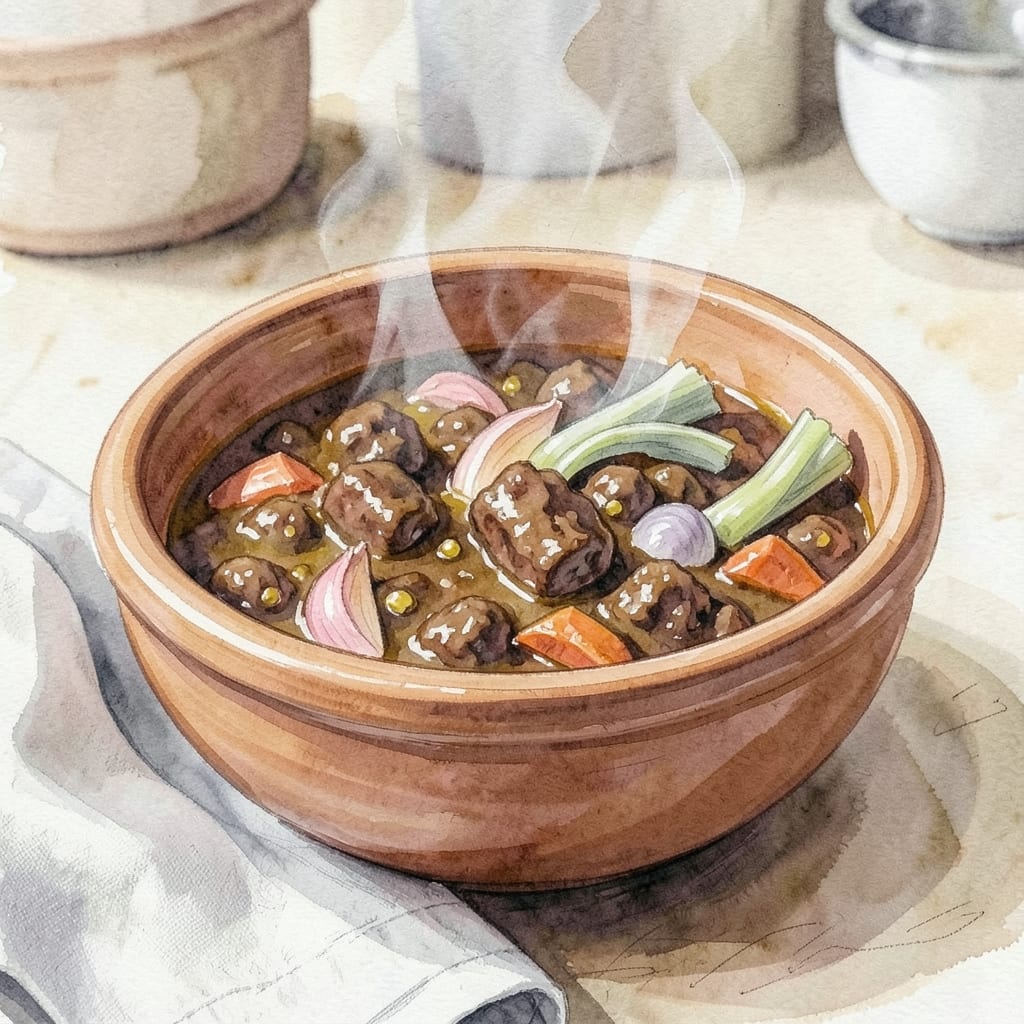
This beef and pork Bolognese sauce recipe delivers the deep, rich umami that transforms ordinary pasta into a restaurant-worthy meal. 🔥 The secret lies in slow simmering ground meats with aromatic vegetables until they develop that signature depth—no shortcuts, just time and technique honed over years of perfecting the balance between meaty richness and tangy tomato sweetness.
What sets this sauce apart is the combination of beef and pork, which creates a complex flavor profile that's both hearty and refined. The key steps—browning the meat thoroughly, deglazing with wine, and simmering for hours—build layers of flavor that store-bought sauces simply can't match. It's the kind of sauce that tastes even better the next day, as the flavors meld and deepen.
By the time you're done, you'll have a velvety, deeply flavorful sauce that clings perfectly to pasta while standing up to its own as a dipping sauce for crusty bread. The texture is rich but not heavy, with just the right balance of meaty chunks and smooth tomato base. This is the kind of sauce that makes weeknight dinners feel like special occasions.
Store it in the refrigerator for up to 5 days or freeze for months, making it perfect for meal prep or batch cooking. The long simmering process ensures every spoonful delivers that perfect harmony of meaty umami and bright tomato acidity—exactly what you need for pasta perfection.
Ingredients for beef and pork bolognese sauce
Eight ingredients transform into the richest Bolognese you'll ever taste—no shortcuts, just deep umami.
| Ingredient | Amount | Notes |
|---|---|---|
| Ground Beef (80/20) 🥩 | 1 ½ lb | 80% lean for best flavor |
| Ground Pork 🐷 | 1 lb | Freshly ground preferred |
| Carrots 🥕 | 2 medium | Diced into small pieces |
| Celery 🌿 | 2 stems | Diced finely |
| Yellow Onion 🧅 | 1 whole | Diced small |
| Garlic Cloves 🧄 | 4 cloves | Minced finely |
| Tomato Paste 🍅 | ½ cup | High-quality preferred |
| Dry Red Wine 🍷 | 1 cup | Bold variety like Cabernet |
| Beef Stock 💧 | 2 cups | Homemade if possible |
| Tomatoes (Canned) 🍅 | 1 can | San Marzano preferred |
| Olive Oil 🫒 | ½ cup | Extra-virgin for richness |
| Salt 🧂 | 1 ½ tsp | Kosher or sea salt |
| Black Pepper 🌶️ | ½ tsp | Freshly ground |
| Dried Oregano 🍃 | 1 tsp | Italian preferred |
| Bay Leaves 🌿 | 2 whole | Fresh if available |
The meat combo is non-negotiable—ground beef and pork give that signature depth. Grab 80/20 beef from the butcher counter for extra flavor (the fat renders out beautifully). Freshly ground pork makes all the difference, but pre-ground works in a pinch. For the veggies, Trader Joe's has pre-diced mirepoix if you're short on time—just check for no added salt. The San Marzano canned tomatoes at Whole Foods are worth the splurge; their sweetness balances the meaty richness perfectly.
No red wine? Dry white wine or extra beef stock works, but add a splash of balsamic for depth. Short on tomatoes? Tomato sauce from a can (like Muir Glen) stretches this easily—just reduce it first. Fresh herbs? Dried oregano at half the amount gets you close. The tomato paste can be the squeeze tube kind (like Trader Joe's)—no waste, lasts forever. And skip the pre-minced garlic; smashing cloves with the flat side of your knife releases more flavor.
This sauce gets better with time—day-old tastes even richer. Store in an airtight container in the fridge for 5-7 days, or freeze in portions for up to 3 months. I double the batch and freeze half; nothing beats pulling out a jar of this for a lazy weeknight. The texture thickens as it cools, so add a splash of stock if it gets too stiff when reheating. Trust me, the leftovers are where this sauce shines.
Why You'll Love This Recipe
- One-Pot Magic: The moment I toss in the ground beef and pork together—no need to separate them—they render and caramelize while you chop. That rich fat? It’s the secret sauce (literally), turning the sauce velvety without extra oil or butter.
- Double-Meat Depth: Honestly, the pork alone makes this sauce sing, but the beef adds that hearty weight. The 80/20 fat ratio? It melts into the tomatoes and wine, creating layers of flavor that taste like you simmered for hours—not just 45 minutes.
- Weeknight to Potluck: I’ve served this over pasta for a quick weeknight dinner, stuffed into manicotti for a crowd, or even as a filling for homemade ravioli when I’m feeling fancy. The same base, endless possibilities—no stress, just delicious.
- Budget-Friendly Staple: Between us, this recipe stretches across meals like nothing else. A big batch feeds my family for days, and the carrots, celery, and onion (the "holy trinity" of flavor) are cheap but transformative. Freeze half for when laziness hits.
Step-by-step instructions for beef and pork Bolognese sauce
Here's how to build the ultimate umami-packed sauce that'll make your pasta unforgettable.
🍳 Step 1: Sear the Meat for Maximum Flavor
Heat a large, heavy-bottomed pot over medium-high heat and add the 0.5 cup olive oil. Once shimmering, add the 1.5 lb ground beef (80/20) and 1 lb ground pork in batches—don't overcrowd the pan. Let the meat brown undisturbed for 5-7 minutes until deeply browned and crispy in spots.
This searing step is non-negotiable—it develops the meat's natural flavors through the Maillard reaction. Use a wooden spoon to break up the meat as it cooks, but avoid stirring constantly. You want those browned bits (fond) to stay in the pot—they'll form the base of your sauce. Once fully browned, transfer the meat to a plate and set aside.
👨🍳 Step 2: Build the Flavor Base with Aromatics
In the same pot, reduce heat to medium and add the 2 medium carrots, 2 stems celery, and 1 whole yellow onion, all diced small. Cook for 8-10 minutes until the vegetables soften and begin to caramelize, stirring occasionally. Add the 4 cloves garlic cloves (minced finely) and cook for another 30 seconds until fragrant.
Here's where the magic happens—the slow cooking of these vegetables releases their natural sugars, which caramelize and deepen the sauce's flavor. If the vegetables start to stick, add a splash of water and scrape up any browned bits from the bottom of the pot. These bits are pure flavor gold.
🍳 Step 3: Deglaze and Simmer the Sauce
Pour in the 1 cup dry red wine and scrape the bottom of the pot vigorously with a wooden spoon to incorporate all those flavorful browned bits. Let the wine simmer for 3-4 minutes until mostly evaporated. Stir in the 0.5 cup tomato paste and cook for another 2 minutes until it darkens slightly.
Now add the cooked meat back to the pot along with the 1 can tomatoes (canned), 2 cups beef stock, 1.5 tsp salt, 0.5 tsp black pepper, 1 tsp dried oregano, and 2 whole bay leaves. Bring the mixture to a gentle simmer, then reduce heat to low and cover partially. Let it cook for 1.5-2 hours, stirring occasionally, until the sauce thickens and the flavors meld together.
⏰ Step 4: Refine and Finish the Sauce
After the initial simmer, uncover the pot and increase heat to medium-low. Let the sauce reduce for another 30-45 minutes, stirring occasionally, until it reaches your desired consistency—it should coat the back of a spoon but still be saucy enough to cling to pasta. Taste and adjust seasoning with more salt or pepper if needed.
Remove the 2 whole bay leaves before serving. For extra richness, stir in a tablespoon of the 0.5 cup olive oil reserved earlier. The sauce should be deeply flavorful, with layers of umami from the meat, sweetness from the caramelized vegetables, and acidity from the tomatoes and wine. Serve immediately over al dente pasta for the ultimate comfort food experience.
Pro Tips For Making Beef And Pork Bolognese Sauce
- CRUSH THE VEGETABLES FIRST: I learned this the hard way—chopping carrots, celery, and onion into tiny dice (about 1/8-inch) isn’t just for looks. It cooks faster and blends into a smoother sauce later, so you’re not left with chewy bits. Use a sharp knife or food processor for consistency.
- SWEAT DON’T BROWN: Low and slow wins here. After adding the diced veggies to the pan, reduce the heat to medium-low and let them sweat for 8–10 minutes until soft but not golden. Browning them too soon burns their flavor before the meat even hits the pan.
- BREAK THE MEAT APART: Don’t just dump the raw ground beef and pork into the pot and stir. Use your hands (or a fork) to break the meat into smaller clumps as it cooks—this ensures even browning and prevents a dense, greasy mess. I know, it’s messy, but it makes a real difference.
- SALT THE MEAT BEFORE SEASONING: Sprinkle the ground beef and pork with 1 teaspoon of salt right as you add them to the pan. This seasoning gets absorbed while the meat cooks, so you’re not left guessing if the sauce needs more later. Trust me, your taste buds will notice.
Troubleshooting your beef and pork bolognese sauce
Meat Not Browning
If your meat stays gray and doesn't brown properly, your heat is likely too low or the pan isn't hot enough. Use a heavy-bottomed Dutch oven and heat it over medium-high heat until it's smoking hot before adding the meat. I've seen home cooks use cast iron skillets from Lodge for this—just let it get screaming hot first. If your stove has hot spots, use the hottest burner available. 🔥
Sauce Too Thin
A watery sauce usually means you didn't reduce it enough or used too much liquid. After the initial simmer, uncover the pot and let it reduce over medium-low heat for an extra 30-45 minutes, stirring occasionally. If it's still too thin, remove the lid and simmer uncovered for another 20 minutes. For an emergency fix, mix 1 tablespoon cornstarch with 1 tablespoon cold water and stir it in—it'll thicken instantly.
Sauce Too Thick
If your sauce is glue-like, you've likely reduced it too much or didn't account for the natural thickening that happens during the long simmer. Add ¼ cup beef stock or water and stir well. For a smoother texture, blend it briefly with an immersion blender (no need to strain). I've also added a splash of red wine to loosen it up while adding depth. 🍷
Bland Flavor
Blandness usually means the meat wasn't browned enough or the sauce didn't simmer long enough. Always sear the meat until deeply browned—those crispy bits are flavor bombs. If it's still bland after simmering, boost the umami by adding 1 teaspoon fish sauce or ½ teaspoon soy sauce (just a little goes a long way). A pinch of smoked paprika or crushed red pepper flakes can also wake up the flavors.
Vegetables Too Soft
If your carrots and celery turn to mush, you likely cooked them too long before adding the tomatoes and stock. They should soften but still hold their shape—about 8-10 minutes is perfect. For extra insurance, add them to the pot after the meat is browned and deglazed. If they do turn mushy, strain the sauce through a fine-mesh sieve before finishing to remove any unwanted texture. 🥕
Wine Taste Overpowering
If the wine flavor dominates, you likely didn't simmer it long enough to evaporate the alcohol. After deglazing with wine, let it reduce for at least 5 minutes until the alcohol burns off and you can smell the deeper, fruitier notes. If it's still too strong, add ½ cup more beef stock to dilute it slightly. A splash of tomato paste can also help balance the flavors while adding richness.
Nutrition facts
Frequently asked questions
Can I substitute chicken or turkey for the pork in this recipe?
While you can technically substitute chicken or turkey, it won't deliver the same rich, meaty depth. Pork adds a crucial fat content and umami that's hard to replicate. If you must substitute, use ground Italian sausage (pork-based) for a closer flavor, or add ½ teaspoon smoked paprika to compensate for the missing richness. The texture will be lighter, but the sauce will still be delicious.
How do I adjust this sauce for a vegetarian version?
For a meat-free version, swap the beef and pork with 1.5 lbs mushrooms (cremini or portobello) and ½ cup lentils for texture. Boost umami with 1 tablespoon soy sauce or 1 teaspoon miso paste, and add ½ cup tomato paste to deepen the flavor. Simmer for 45 minutes instead of 2 hours to avoid mushiness. The sauce will be heartier but still rich and satisfying.
Can I make this sauce in an Instant Pot or pressure cooker?
Yes, but with adjustments! Sear the meat in a separate pan first, then add everything to the Instant Pot. Cook on high pressure for 20 minutes, then quick-release. The sauce will be thinner, so reduce it uncovered on the stove for 20-30 minutes afterward. You'll lose some of the slow-developing depth, but it's a great time-saving method for busy weeknights.
What's the best pasta shape to pair with this sauce?
This rich sauce works best with pappardelle, tagliatelle, or fettuccine—wide noodles that catch the sauce beautifully. For extra texture, try rigatoni or penne, which hold the sauce in their ridges. Avoid thin strands like spaghetti, as they can get lost in the depth of this flavorful sauce.
How do I reheat leftovers without drying out the sauce?
Reheat gently on the stovetop over low heat with a splash of beef stock or water to loosen the sauce. If using the microwave, cover with a damp paper towel and heat in 30-second intervals, stirring between each. For the best results, let the sauce sit at room temperature for 10 minutes before reheating to even out the temperature. The sauce will thicken as it cools, so add a little liquid when reheating.