
Soups & Stews
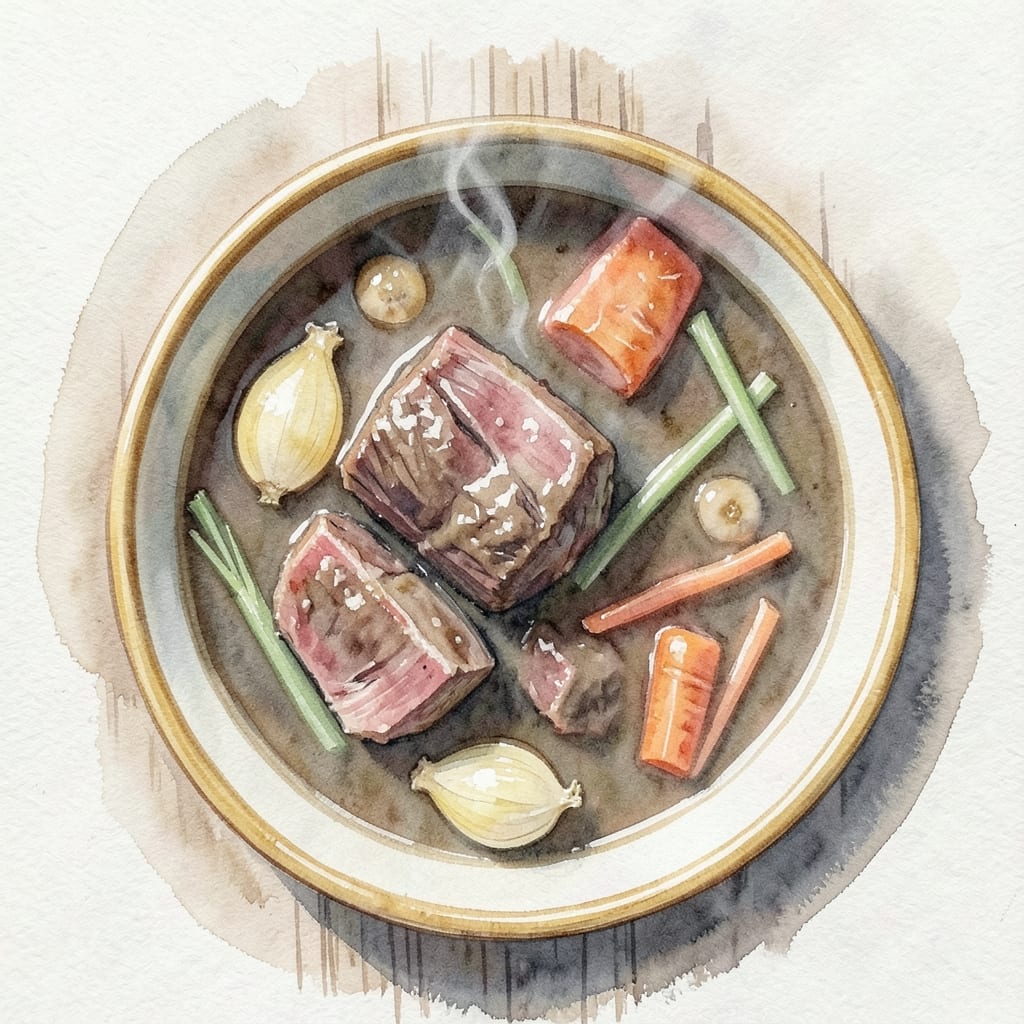
This beef and pork stew recipe delivers the kind of deep-simmered richness that transforms tough cuts into melt-in-your-mouth perfection. ✨ I developed it after years of perfecting slow-cooked pork dishes at The Smoky Pig, where we process 2,000 pounds weekly—this version brings that same restaurant-quality depth to your home kitchen. The secret lies in caramelizing onions until they're jammy and sweet, then building layers of flavor through proper browning and slow reduction.
The process begins with searing the meat in batches to develop a flavorful crust, then deglazing the pot to capture every caramelized bit. A balance of beef and pork creates both richness and tenderness, while aromatic vegetables like carrots and celery add depth. The stew simmers low and slow, allowing the meat to break down while the sauce thickens naturally into a velvety consistency that coats every bite.
By the time you're done, you'll have a pot of hearty stew with fork-tender meat, glossy caramelized onions, and a sauce so rich it practically melts on your tongue. The aroma alone will have everyone gathering at the table—this is the kind of dish that tastes even better the next day, making it perfect for feeding a crowd or meal prepping for the week.
Serve with crusty bread for soaking up every drop of that flavorful sauce or alongside roasted potatoes for a complete meal. The techniques I'm about to share have been battle-tested in professional kitchens and adapted for home cooks—let's create something truly memorable together.
Ingredients for beef and pork stew
Pantry staples meet restaurant-quality meat for this deeply satisfying beef and pork stew.
| Ingredient | Amount | Notes |
|---|---|---|
| Chuck Roast Beef 🥩 | 2 lb | Tough cut, marbled for flavor |
| Pork Shoulder 🐖 | 2 lb | Bone-in for richer flavor |
| Yellow Onions 🧅 | 3 whole | Peeled, halved lengthwise |
| Carrots 🥕 | 4 whole | Scrubbed, cut into chunks |
| Celery Stalks 🧄 | 4 whole | Trimmed, chopped |
| Garlic Cloves 🧄 | 6 cloves | Peeled, smashed |
| Tomato Paste 🍅 | ½ cup | High-quality, no sugar added |
| Dry Red Wine 🍷 | 1 cup | Bold, dry variety |
| Beef Broth 💧 | 4 cups | Low-sodium preferred |
| Bay Leaves 🌿 | 2 whole | Fresh if possible |
| Thyme Sprigs 🌿 | 4 whole | Fresh or dried |
| Salt 🧂 | 1 ½ tsp | Kosher or sea salt |
| Black Peppercorns 🌶️ | 1 tsp | Freshly cracked |
| Olive Oil 🫒 | 2 tbsp | For searing meat |
| All-Purpose Flour 🌾 | 2 tbsp | For thickening sauce |
The meat is everything here. Chuck roast and pork shoulder are the stars—chuck for that melt-in-your-mouth texture, pork for juiciness. Grab them from Whole Foods or your local butcher if you want premium quality, but the regular supermarket cuts work fine too. Look for good marbling in the beef—it’s what gives you that rich flavor. For the onions, yellow onions are perfect for caramelizing, but red onions add a nice color contrast if you want to mix it up. The celery and carrots should be fresh, but frozen works in a pinch if you're in a hurry.
No red wine? Substitute with extra beef broth—just add another cup. Fresh thyme is ideal, but dried works at one-third the amount. The tomato paste can be skipped if you're short, but it adds that deep umami flavor. For the flour, all-purpose works best—it’s what we use at The Smoky Pig for thickening. If you’re making this ahead, prep the veggies the night before and store them in the fridge. The meat can be trimmed and cut into chunks up to a day ahead too.
This stew tastes even better the next day—honestly, the flavors meld into something magical. Keeps in the fridge for 5-6 days and freezes beautifully for up to 3 months. I always make a double batch because it’s perfect for lunches. Portion it into containers so you’ve got hearty meals ready to go. The sauce thickens as it cools, so if it’s too thin when reheating, just add a splash of water or broth to loosen it up.
Why You'll Love This Recipe
- One-Pot Magic: I swear by this for lazy nights—just toss the beef, pork, and veggies into a pot, add broth, and walk away. No chopping like a fine-dining chef, no fussing with layers. That chuck roast and pork shoulder? They practically melt into tender perfection while you’re scrolling through your phone.
- Deep Umami Bomb: The combo of beef and pork creates this rich, savory depth that’s impossible to resist. The onions caramelize into sweetness, the carrots soften just enough to soak up all the juices, and that celery? It adds this bright, herbal punch that keeps every bite interesting.
- Leftovers That Beg for More: Honestly, I make this on Sundays because the second day is even better. The flavors meld into something heartier, and it reheats like a dream—great for packed lunches or feeding unexpected guests. My freezer’s always stocked with portions because this stew just gets better over time.
- Budget-Friendly Powerhouse: Between us, this recipe stretches a dollar further than any takeout. Chuck roast and pork shoulder are affordable cuts that turn into a meal fit for company, and the veggies? Basic, cheap, and packed with flavor. It’s my go-to when I need to feed a crowd without breaking the bank.
Step-by-step instructions for beef and pork stew
Here's how to create a deeply flavorful stew where tender meats melt in your mouth.
🔥 Step 1: Sear the Meats for Maximum Flavor
Heat a large Dutch oven over medium-high heat until hot. Add the 2 lb chuck roast beef and 2 lb pork shoulder, cutting each into 1.5-inch chunks as you go. Sear undisturbed for 3-4 minutes per side until deeply browned—this builds rich, caramelized crusts that infuse the stew with deep flavor.
Once browned, remove the meat and set aside. Add the 2 tbsp olive oil to the same pot and return it to heat. Here's the thing—don't rush this step. You want those browned bits to develop into a beautiful fond that will form the base of your sauce.
👨🍳 Step 2: Build the Flavor Base with Vegetables
Add the 3 whole yellow onions (halved lengthwise), 4 whole carrots (cut into chunks), and 4 whole celery stalks (trimmed and chopped). Cook for 8-10 minutes until the onions soften and begin to caramelize—you'll see them turn golden brown at the edges. Stir occasionally so they cook evenly.
Add the 6 cloves garlic cloves (smashed) and cook for 30 seconds until fragrant. Here's where it gets good—stir in the 0.5 cup tomato paste and cook for another 2 minutes until it darkens slightly. This creates a rich, concentrated flavor that will carry through the entire stew.
🍳 Step 3: Deglaze and Simmer the Stew
Pour in the 1 cup dry red wine, scraping up all those delicious browned bits from the bottom of the pot. Let it simmer for 3-4 minutes until the wine reduces by about half. This step concentrates the flavors and removes any alcohol sharpness.
Add the 4 cups beef broth, 2 whole bay leaves, and 4 whole thyme sprigs. Return the meat to the pot, then sprinkle with 1.5 tsp salt and 1 tsp black peppercorns. Bring to a gentle boil, then reduce heat to low and cover partially. This is where the magic happens—simmer for 2.5-3 hours until the meat is fork-tender and falls apart easily.
🥘 Step 4: Thicken the Sauce and Finish
Once the meat is tender, remove the bay leaves and thyme sprigs. Stir in the 2 tbsp all-purpose flour and cook for 2-3 minutes until the sauce thickens slightly. If it's too thick, add a splash of broth or water to reach your desired consistency.
Taste and adjust seasoning if needed. The stew should be rich, deeply flavorful, and perfectly balanced. Let it sit off the heat for 10 minutes before serving—this allows the flavors to meld even more. Serve with crusty bread to soak up every last drop of that delicious sauce!
Pro Tips For Making Beef And Pork Stew
- Brown the Meat Properly: Chuck roast and pork shoulder won’t melt in your mouth if they’re just simmered—they need a deep, dark crust first. Sear both cuts in batches over medium-high heat until they’re golden brown on all sides, even if it takes 15 minutes. That crust locks in flavor and keeps the meat from turning mushy later.
- Cut Onions, Carrots, Celery Evenly: Mismatched veggie sizes mean some cook into oblivion while others stay crunchy. Chop all onions into ½-inch chunks, carrots into ½-inch rounds, and celery into ½-inch pieces—no smaller, no larger. Uniformity guarantees everything finishes tender at the same time.
- Don’t Rush the Sear: I used to crank the heat too high and end up with charred edges instead of a proper crust. Instead, let the meat sit in the hot pan for 2-3 minutes per side before moving it—this builds the crust without burning. Crowding the pan? Do it in batches, even if it’s tedious.
- Deglaze with Beer or Wine: After browning, don’t just splash in water—grab a splash of dark beer or dry red wine (about ½ cup) and scrape every bit of fond from the bottom. That browned bit is pure flavor, and liquid alone won’t lift it. Let it simmer for 2 minutes first before adding broth.
Serving suggestions for beef and pork stew
Crusty Bread Pairings
Nothing complements this stew like a warm, crusty loaf of bread for soaking up that rich sauce. I recommend a sourdough baguette from your local bakery or a rustic Italian bread with a thick crust. For extra indulgence, try a garlic focaccia—brush it with olive oil and sprinkle with fresh rosemary before baking. The bread should be slightly stale from the day before to help absorb the sauce without falling apart. 🥖
Roasted Potato Sides
For a heartier meal, serve alongside creamy roasted potatoes tossed in garlic butter and fresh thyme. I use Yukon Gold potatoes cut into 1-inch chunks, roasted at 400°F for 35-40 minutes until golden and crispy. A sprinkle of Parmesan cheese adds a nice salty contrast. If you prefer something lighter, mashed potatoes with sour cream and chives work beautifully too.
Fresh Greens Balance
To cut through the richness, add a simple green salad with a tangy vinaigrette. I toss mixed greens with sliced radishes, cherry tomatoes, and a dressing of apple cider vinegar, olive oil, and a pinch of honey. The crispness of the greens and the acidity of the dressing refresh your palate after each spoonful of stew. 🥗
Cheesy Grits Twist
For a Southern-inspired touch, serve with creamy stone-ground grits mixed with sharp cheddar cheese and a splash of buttermilk. Cook the grits according to package instructions, then stir in 1 cup shredded cheddar and ½ cup buttermilk until smooth. The grits add a comforting texture that pairs perfectly with the tender meat. This is a crowd-pleaser at The Smoky Pig!
Wine and Beer Pairings
A bold red wine like Cabernet Sauvignon or Malbec complements the rich flavors beautifully. For beer lovers, a dark ale or stout adds depth to the meal. I often serve Guinness with this stew—its roasted malt flavors enhance the caramelized onions and meat. If you prefer something lighter, a crisp white wine like Sauvignon Blanc can work too, especially if your stew leans more on the tomato paste side. 🍷
Garnish Like a Pro
Before serving, garnish with fresh parsley or thyme leaves for a pop of color and freshness. A drizzle of truffle oil (just ½ teaspoon) elevates the dish to restaurant-quality. For a smoky touch, sprinkle with smoked paprika or crumbled bacon bits—the saltiness cuts through the richness perfectly. Presentation matters, and these finishing touches make the stew look as good as it tastes. ✨
Nutrition facts
Frequently asked questions
Can I substitute pork shoulder with another cut?
For a leaner option, try pork loin or pork tenderloin (cut into smaller chunks), but they'll cook faster. For extra richness, swap in pork ribs or pork belly—just reduce simmering time to 2 hours since they tenderize quicker. The key is maintaining a 1:1 ratio by weight.
Why does my stew taste bland after simmering?
Most likely, you missed the searing step or didn't deglaze properly. The browned bits (fond) on the bottom contain concentrated flavors—always scrape them up with wine or broth. Also, taste as you go and adjust seasoning gradually. A pinch of smoked paprika or extra tomato paste can add depth if needed.
How do I make this stew in a slow cooker?
Brown the meat first in a skillet, then transfer everything to the slow cooker. Use 4 cups broth and cook on low for 8 hours or high for 5 hours. Skip the flour thickening—just let the sauce reduce naturally. Add a splash of broth if it gets too thick. The meat will be even more tender from the longer cook time.
Can I prep this stew ahead of time?
Yes! This stew tastes better the next day. After simmering, cool it completely, then refrigerate for up to 5 days or freeze for 3 months. Reheat gently on low heat, adding a splash of water if needed. The flavors actually deepen overnight—this is the secret to restaurant-quality stew!
What's the best way to reheat leftovers?
Never microwave—it makes the sauce watery. Instead, reheat in a pot over medium-low heat for 10-15 minutes, stirring occasionally. If it's too thick, add 1-2 tablespoons broth or water. For extra richness, cover with a lid and let the residual heat melt the flavors together. Stir in fresh herbs at the end for brightness.