
Main Courses
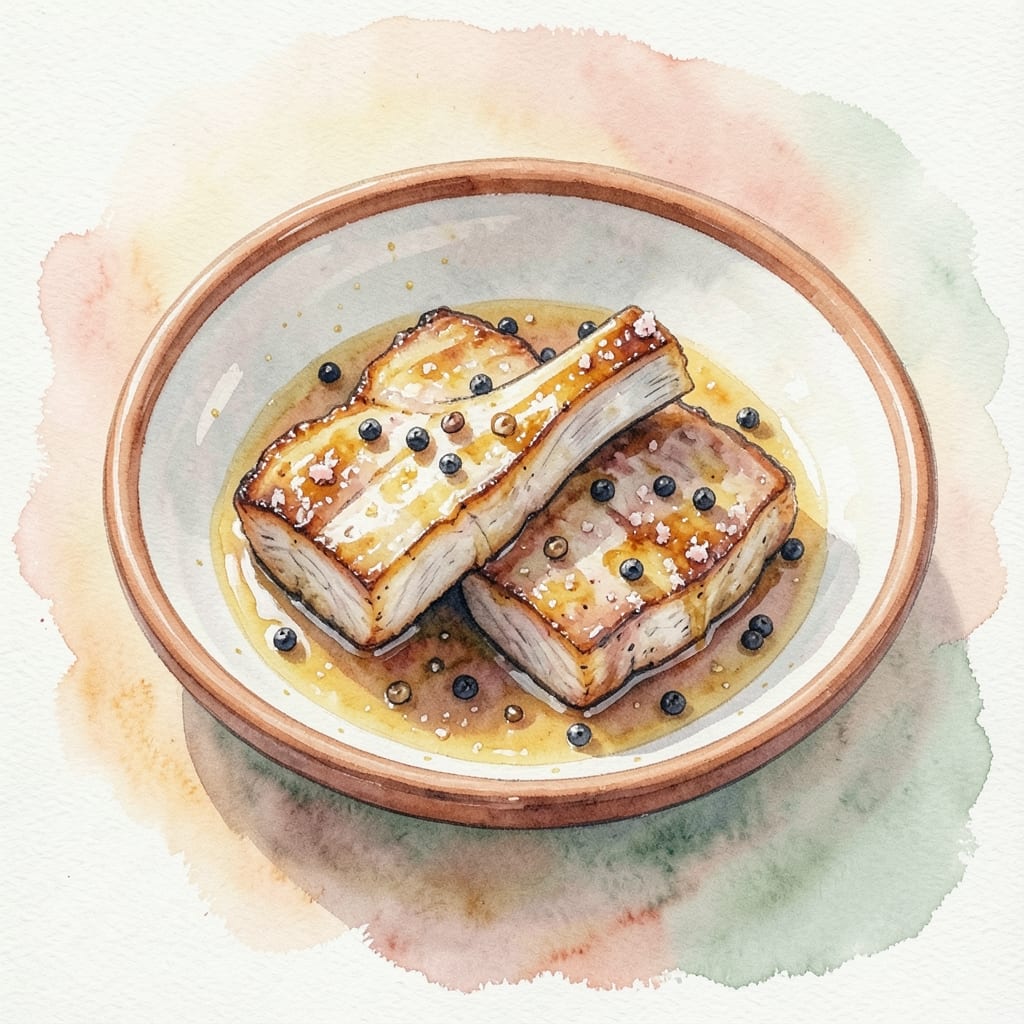
This beer-brined pork chops recipe delivers crispy bark and juicy pink centers with a depth of flavor that transforms weeknight dinners. The secret lies in brining the chops overnight in a malty amber ale, which tenderizes the meat while infusing it with subtle hops and caramel notes. I first perfected this technique during my apprenticeship in Charleston, where we used local brews to elevate simple proteins—this version keeps that tradition alive.
The process is straightforward yet precise: bone-in chops spend 12 hours submerged in chilled beer, then sear in a screaming-hot cast iron until the crust develops a deep mahogany color. The beer brine ensures moisture retention, while the high-heat sear creates that coveted crispy exterior. This method delivers restaurant-quality results without requiring advanced skills—just patience and attention to heat control.
What sets these pork chops apart is their perfect balance: the beer's bitterness mellows into a malty sweetness that pairs beautifully with the meat's natural richness. The juicy pink centers remain tender thanks to the brine, while the crust achieves that satisfying crunch that makes every bite worth it. Serve with a simple arugula salad or roasted root vegetables to let the pork shine.
For those who prefer a smokier profile, grill the chops instead of pan-searing—they'll develop charred edges while maintaining their succulent interior. The beer brine works equally well with lighter ales for a cleaner flavor or darker stouts for added depth. Either way, you'll have pork chops that taste like they came from a pitmaster's table.
Ingredients for beer brined pork chops
Four ingredients transform ordinary pork chops into restaurant-worthy masterpieces—just brining and searing required.
| Ingredient | Amount | Notes |
|---|---|---|
| Bone-In Pork Chops 🥩 | 4 pieces | 1-inch thick, center-cut preferred |
| Amber Ale Beer 🍺 | 4 cups | Malty, medium-bodied (e.g., Samuel Adams Noble Pils) |
| Kosher Salt 🧂 | ½ cup | Diamond Crystal preferred for even dissolving |
| Granulated Sugar 🍚 | ¼ cup | For balancing beer bitterness |
| Black Peppercorns 🌶️ | 1 tbsp | Freshly cracked for robust flavor |
| Garlic Cloves 🧄 | 4 cloves | Smashed for intense aroma |
| Fresh Thyme Leaves 🌿 | ¼ cup | Or 1 tbsp dried thyme |
| Extra-Virgin Olive Oil 🫒 | ½ cup | For high-heat searing |
| Yellow Onion 🧅 | 1 whole | Sliced for garnish |
| Carrots 🥕 | 2 medium | Peeled and sliced for roasting |
| Parsnips 🥕 | 2 medium | Peeled and sliced for roasting |
| Fresh Rosemary 🌿 | ¼ cup | Chopped, for garnish |
| Cast Iron Skillet 🔥 | 1 whole | 10-12 inch for even searing |
The beer is non-negotiable here. Amber ales like Samuel Adams Noble Pils or local craft brews with malt-forward profiles work best—they balance sweetness and bitterness perfectly. Avoid light lagers (too watery) or IPAs (too hoppy). Trader Joe's and Total Wine carry solid options, or hit your local brewery taproom. For the brine, use Diamond Crystal kosher salt—it dissolves completely, unlike table salt. The pork chops should be 1-inch thick (thinner ones dry out); ask your butcher to cut them if needed. Look for chops with good marbling—they stay juicier during the long brine.
No amber ale? Substitute with a malty brown ale or even non-alcoholic beer—just add a splash of maple syrup to mimic the caramel notes. Short on fresh thyme? Dried works at one-third the amount, but fresh is worth hunting down at farmers markets. The carrots and parsnips can be swapped for potatoes or sweet potatoes if you're in a rush. For the sear, high-smoke-point oils like avocado or grapeseed work better than olive oil if you're worried about burning. And if you're grilling instead of pan-searing, charcoal gets hotter and creates better bark—just watch those flames.
The brine keeps 24 hours max in the fridge—don't let it sit longer or the meat gets mushy. Pork chops reheat poorly, so plan to serve immediately after searing. The roasted carrots and parsnips? Double the batch—they reheat beautifully and make great leftovers. Store any extras in airtight containers for up to 4 days. For the skillet, clean it immediately after cooking—beer residue burns if left to dry. And save those beer-soaked herbs: toss them in a jar with olive oil for a quick marinade later.
Why You'll Love This Recipe
- Five-Ingredient Magic: The brining does all the work—just toss the chops in beer, salt, sugar, and peppercorns, then let them soak while you fold laundry. No fancy techniques, no stress.
- Crispy-Creamy Payoff: That amber ale brining turns the edges into caramelized perfection while keeping the inside juicy and tender. Honestly, the first bite makes me pause mid-conversation.
- Weeknight to Weekend: Same recipe feeds my exhausted self on Tuesday or impresses guests on Saturday. The bone-in chops add richness, and the brining means even the pickiest eaters ask for seconds.
- Budget-Friendly Luxury: Bone-in chops stretch further, and a six-pack of beer becomes a flavor booster instead of a guilty pleasure. Leftovers? I reheat them in the oven with a splash of brining liquid—still tastes like a restaurant meal.
Step-by-step instructions for beer brined pork chops
Here's how to transform tough pork chops into melt-in-your-mouth masterpieces with perfect bark and tender pink centers.
Create the Beer Brine
In a large non-reactive container (glass or stainless steel), combine the 4 cups amber ale beer, 0.5 cup kosher salt, 0.25 cup granulated sugar, and 1 tablespoon freshly cracked black peppercorns. Stir just until the salt and sugar fully dissolve—you shouldn't see any graininess at the bottom. The sugar helps balance the beer's bitterness while the peppercorns infuse subtle heat.
Add the 4 smashed garlic cloves and 0.25 cup fresh thyme leaves, giving everything a gentle stir. The garlic and thyme will steep in the brine, releasing their aromatic oils that'll later penetrate the pork. Place the container in the refrigerator and let the brine chill for at least 2 hours or up to 12 hours—this cold infusion maximizes flavor extraction.
Brine the Pork Chops
Remove the pork chops from their packaging and pat them completely dry with paper towels—this is critical for developing crispy bark later. Submerge each chop in the chilled brine, ensuring they're fully covered. If using a shallow container, you may need to weigh them down with a plate.
Refrigerate the chops in the brine for 4-6 hours, turning them once halfway through. The acidity in the beer will begin tenderizing the meat while the salt and sugar work together to create an ideal environment for moisture retention. Don't skip this step—it's what transforms ordinary pork into extraordinary pork chops.
Prepare the Vegetables and Skillet
While the chops brine, peel and slice the 2 medium carrots and 2 medium parsnips into ¼-inch thick rounds. Thinly slice the 1 whole yellow onion into half-moons. Toss the vegetables with 0.25 cup chopped fresh rosemary and set aside. Preheat your 10-12 inch cast iron skillet over medium-high heat for 5 minutes—it should be smoking hot when you're ready to sear.
Add the 0.5 cup extra-virgin olive oil to the hot skillet and let it shimmer for 1 minute. The oil should be hot enough to sizzle when you add the vegetables—this creates the perfect foundation for caramelization. Toss in the prepared vegetables and cook for 8-10 minutes until they're golden brown and tender, stirring occasionally. Remove them to a plate and keep warm.
Sear the Pork Chops to Perfection
Remove the pork chops from the brine and pat them dry again—this final drying ensures maximum crispiness. Increase the skillet heat to high and add the chops, laying them flat without crowding. Sear for 4-5 minutes per side until they develop a deep golden-brown crust. Press down gently on each chop during the first minute to prevent curling.
When the chops release easily from the skillet (around 145°F internal temperature), transfer them to a plate and tent loosely with foil. Let them rest for 5 minutes—this crucial step allows the juices to redistribute, preventing them from running out when you cut in. The exterior should be crispy with a caramelized bark, while the interior remains juicy pink with a perfect smoke ring.
Plate and Serve
Arrange the seared pork chops on a platter and spoon any accumulated pan juices over the top. Return the vegetables to the skillet and warm through for 1 minute. Garnish the chops with the caramelized vegetables and any remaining chopped fresh rosemary. Serve immediately with the beer-basted vegetables on the side.
The result should be pork chops with a crispy, caramelized exterior that gives way to juicy, tender pink meat with subtle beer and herb notes. Each bite should deliver perfect texture contrast and deep flavor—no dryness, no toughness, just pure satisfaction. Pair with a fresh green salad or roasted potatoes to complete the meal.
Pro Tips For Making Beer Brined Pork Chops
- USE FRESH BEER: That stale beer smell in your brine? Not happening. Buy the amber ale the same day you brine—even a week in the fridge dulls the flavor. I learned this the hard way after a batch tasted flat, and now I treat beer like milk: use it fresh or don’t use it at all.
- SALT THE CHOPS FIRST: Don’t wait for the brine to work its magic—season the pork chops before submerging them. A dry rub of kosher salt and cracked peppercorns (about 1 tsp per chop) creates a crust that locks in moisture and flavor. I skip this, and the final bite feels underseasoned.
- BRINE AT ROOM TEMP: Cold beer slows down the brine’s job. Let the beer and sugar mix sit out for 10 minutes before adding the chops—just enough to wake up the salt and sugar. This isn’t the prettiest method, but it guarantees even penetration. (Yes, even if you’re impatient like me.)
- SEAR HOT AND LOW: Start with screaming-hot cast iron, but don’t walk away. After the initial sear, drop the heat to medium-low and let the chops cook undisturbed for 3 minutes. Rushing this step gives you gray, rubbery pork instead of a caramelized crust. Trust the process—your future self will thank you.
Creative variations of this beer brined pork chops
Smoky Grilled Version
Swap the cast iron for a charcoal grill preheated to 450°F—this creates that coveted charred bark while keeping the interior juicy. I like to use fruitwood charcoal (apple or cherry) for a subtle sweetness that pairs perfectly with the beer brine. Brush the chops with 2 tbsp melted butter infused with 1 tbsp smoked paprika before grilling. Cook for 3-4 minutes per side, then let rest for 5 minutes under foil. The smoky aroma alone makes these taste like they came from a backyard BBQ pit. 🔥
Sweet and Spicy Twist
Add 1 tbsp honey and 1 tsp cayenne pepper to the beer brine for a Carolina-inspired kick. The honey caramelizes during searing, creating a sticky glaze that balances the heat. For extra drama, finish with a sprinkle of crushed red pepper flakes and a drizzle of chipotle hot honey right before serving. This version is a crowd-pleaser at my farm—especially when paired with cool, creamy cornbread. 🌶️
Herb-Infused Variations
Swap out the thyme for rosemary or sage in the brine—both add earthy depth that complements the beer. For a Mediterranean touch, add 1 tsp dried oregano and 2 sprigs fresh thyme. If you're feeling fancy, infuse the beer with 1 cinnamon stick and 3 star anise pods for a spiced rum-like complexity. The herbs steep beautifully in the cold brine, creating layers of flavor. 🌿
Slow-Cooked Alternative
For a hands-off approach, sear the brined chops first, then transfer them to a 300°F oven for 15-20 minutes until reaching 145°F internal temperature. This method works wonderfully for batch cooking—brine a whole pound of chops, sear them all at once, then finish in the oven. The slow cook keeps the meat tender while the sear ensures crispy edges. Perfect for meal prep when you want restaurant-quality results with minimal effort. ⏰
Global Beer Swaps
Don't limit yourself to amber ales—try Belgian witbier for a citrusy twist (add 1 tbsp lemon zest to the brine) or German dunkel for a darker, maltier profile. For a Japanese-inspired version, use sake instead of beer and add 1 tbsp mirin to the brine. Each beer brings unique flavors, so experiment! My favorite unexpected swap? A Mexican cerveza with 1 tsp cumin in the brine for a fiesta-worthy flavor. 🍺
Nutrition facts
Frequently asked questions
Can I use any type of beer for brining?
No—stick with malty, medium-bodied beers like amber ales or brown ales. These provide the right balance of sweetness and bitterness. Light lagers (too watery) or IPAs (too hoppy) won't deliver the same rich flavor. For a non-alcoholic option, use a malty non-alcoholic beer plus a splash of maple syrup to mimic caramel notes.
How long can I brine the pork chops?
The ideal time is 4-6 hours—any longer risks making the meat too soft. For best results, brine overnight (12 hours max) in the fridge. Never skip the 2-hour minimum though, as this ensures proper flavor infusion and tenderness. Always keep the brine cold to prevent bacterial growth.
Why are my pork chops still dry after cooking?
Dry pork chops usually mean one of three things: overcooking, skipping the rest time, or not brining long enough. Cook to 145°F internal temperature (not 165°F) and let them rest 5 minutes before serving. Also ensure you're using 1-inch thick chops—thinner cuts dry out faster. The beer brine should be cold and properly balanced with salt and sugar.
Can I make this recipe ahead of time?
Yes, but with smart planning. Brine the chops up to 24 hours ahead and store them in the fridge. For the searing, cook them just before serving—pork chops reheat poorly. The roasted vegetables can be prepped 1 day ahead and reheated in the skillet for 2-3 minutes. Keep everything refrigerated until ready to cook for optimal freshness.
What's the best way to reheat leftover pork chops?
Unfortunately, pork chops don't reheat well—they'll lose their crispy texture. For leftovers, focus on reheating the vegetables separately. If you must reheat, use a 300°F oven for 10-12 minutes with a splash of beer or broth to keep them moist. For best results, always cook fresh when possible to enjoy that perfect sear.