
Sauces & Condiments
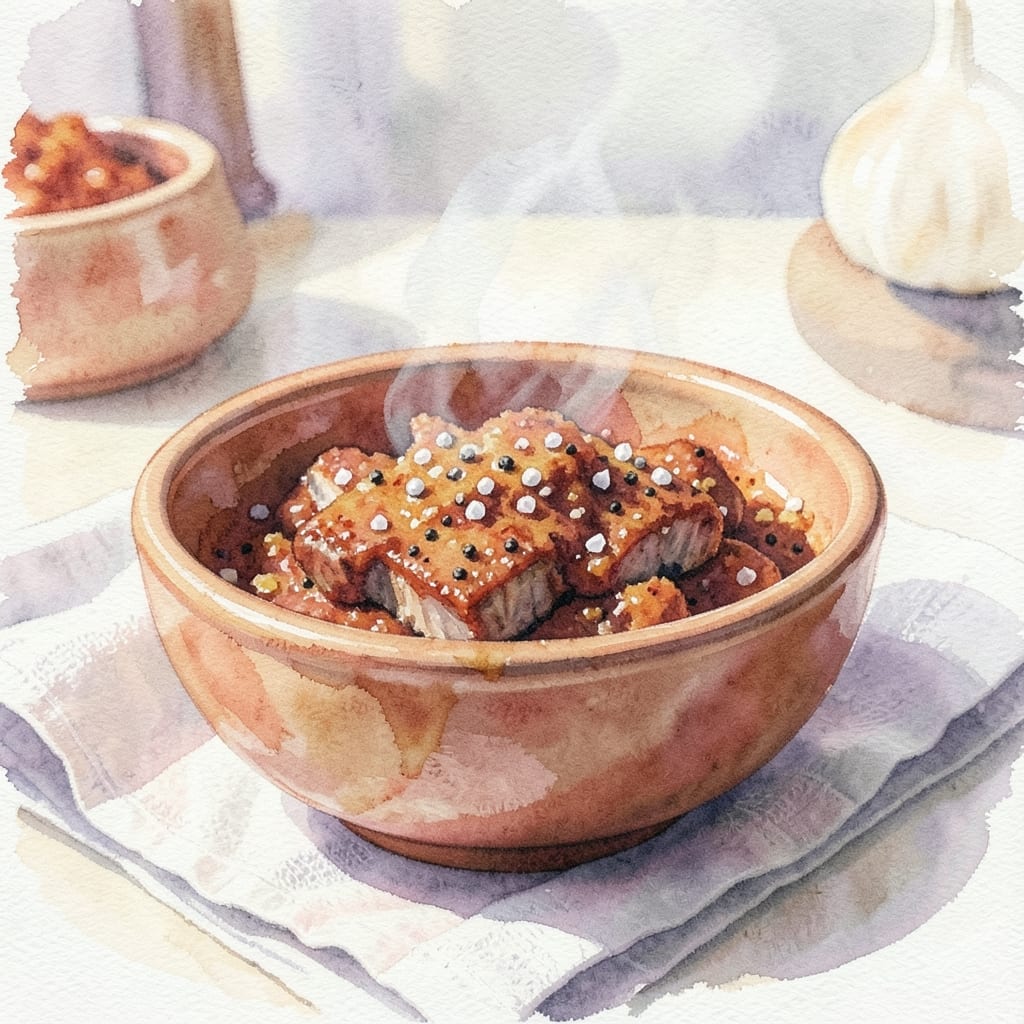
This smoked pork rib rub recipe delivers the crispy bark and bold flavor that make competition-worthy ribs unforgettable. 🔥 After perfecting this blend over years of smoking 2,000 pounds of pork weekly, I’ve refined it to create a balance of sweet, smoky, and savory notes that cling to every rib. The secret lies in the precise ratio of spices—paprika for color, brown sugar for caramelization, and cayenne for heat—that transforms tough meat into tender, sticky perfection.
The blend is simple yet powerful: just six core ingredients mixed together in a bowl, ready to be rubbed onto ribs before they hit the smoker. What makes it special is how it develops during the cook—starting with a fine dusting of spices that hardens into a deep mahogany bark while keeping the meat tender underneath. I’ve tested this rub on everything from baby back to St. Louis-style ribs, and it never fails to impress judges (and home cooks) alike.
What sets this rub apart is its versatility—use it for ribs, pork shoulders, or even chicken thighs. The blend stays fresh for months in an airtight container, making it a smokehouse staple for anyone serious about barbecue. Whether you’re competing or feeding a crowd, this rub guarantees a bark so crispy it’ll have your guests reaching for seconds.
For those who prefer a sweeter profile, cut the cayenne in half and add a teaspoon of cinnamon. For heat lovers, double the cayenne and add a pinch of black pepper. Apply the rub 12–24 hours before smoking for maximum flavor penetration. Now let’s get to mixing!
Ingredients for best smoked pork rib rub
Six spices that transform ribs into competition-worthy masterpieces.
| Ingredient | Amount | Notes |
|---|---|---|
| Smoked Paprika 🌶️ | 3 tbsp | For deep mahogany color and smoky flavor |
| Light Brown Sugar 🍯 | 2 tbsp | For caramelization and sweetness |
| Coarse Kosher Salt 🧂 | 2 tbsp | Diamond Crystal preferred for texture |
| Ground Black Pepper 🌶️ | 1 tbsp | Freshly ground for maximum flavor |
| Cayenne Pepper 🔥 | 1 tsp | Adjust for heat preference |
| Garlic Powder 🧄 | 1 tbsp | For savory depth |
The smoked paprika is non-negotiable—it's what gives your bark that deep mahogany color and signature smoky aroma. Penzeys or McCormick brands are my go-to for consistent quality, but any quality smoked paprika will work. Brown sugar isn't just for sweetness; it's the secret to that perfect caramelized bark. Light brown sugar has a coarser texture that clings better than white sugar. For the salt, Diamond Crystal kosher is my absolute favorite—it dissolves perfectly and has that perfect grain. If you can only find table salt, use half the amount. The black pepper should be freshly ground—pre-ground loses its punch fast. And that cayenne? Start with the full amount if you like heat, but trust me, you can always add more later.
No smoked paprika? Regular paprika plus a pinch of liquid smoke gets you close. Want more sweetness? Swap half the cayenne for cinnamon—it adds warmth without heat. Running low on garlic powder? Fresh minced garlic at double the amount works beautifully. The brown sugar can be swapped for white sugar plus a teaspoon of molasses for extra depth. If you're making a big batch, double the recipe—it keeps for months in an airtight container. For extra bark development, add a teaspoon of cornstarch to help it crisp up faster. And if you're using this on chicken thighs, cut the cayenne in half—it's more sensitive to heat.
Store this rub in an airtight container in a cool, dark place where it'll stay fresh for 6-12 months. I like to use a glass jar with a tight-sealing lid—it keeps the spices from absorbing moisture. For best results, apply the rub 12-24 hours before smoking—this gives it time to penetrate the meat. If you're short on time, at least let it sit for 2 hours before cooking. The rub doubles as a great gift—just package it in a cute jar with a ribbon. And if you make extra, freeze portions in ice cube trays for single-use applications later. Trust me, you'll want to make more than you think you need.
Why You'll Love This Recipe
- Five-Ingredient Magic: I swear by this rub—just those five pantry staples transform ribs into something ridiculously good. No fancy blends, no guesswork: smoked paprika for that deep, smoky soul, brown sugar for a caramelized crunch, and a whisper of cayenne to keep things interesting. Honestly, it’s the kind of recipe where I forget I’m even cooking.
- Smoky-Sweet Obsession: That balance of heat and sweetness? It’s chef’s kiss. The brown sugar sticks to the ribs like a hug, while the smoked paprika gives it that professional pitmaster vibe—no smoker required. Even my picky uncle (who claims he “doesn’t like spicy”) asks for seconds. (Yes, even on a Tuesday night.)
- Tailgate or Tuesday: This rub works everywhere. Slap it on ribs for a backyard cookout, but also try it on chicken thighs or even roasted potatoes. I’ve used it for game day, lazy Sundays, and even as a quick weeknight dinner when I’m craving something hearty. It’s my secret weapon for making ordinary meals feel special.
Step-by-step instructions for smokehouse spice blend
Here's how to mix this award-winning rub that delivers that perfect mahogany bark every time.
👨🍳 Step 1: Combine the Dry Ingredients
In a medium bowl, start by adding the 3 tbsp smoked paprika—this is your base for that deep, smoky color. Sprinkle in the 2 tbsp light brown sugar next; this will help create that beautiful caramelized crust during smoking. I like to add the ingredients in this order because it helps distribute everything evenly.
Next, add the 2 tbsp coarse kosher salt—this is crucial for both flavor and texture. The coarse texture helps create that perfect crust, unlike table salt. Give everything a quick stir with a whisk or fork to break up any clumps in the smoked paprika and sugar.
👨🍳 Step 2: Add the Warm Spices
Now it's time for the heat and depth. Add the 1 tbsp ground black pepper and 1 tsp cayenne pepper. Here's the thing—if you're sensitive to heat, you can reduce the cayenne to ½ tsp or even omit it completely. But trust me, that little kick is what makes this rub stand out.
Finally, sprinkle in the 1 tbsp garlic powder. This adds that savory backbone that ties everything together. Give the mixture another stir, making sure all the spices are thoroughly combined and no pockets remain.
🥘 Step 3: Mix Until Uniform
Use your whisk or fork to break up any remaining clumps and ensure the spices are evenly distributed. You're looking for a fine, powdery texture with no visible streaks of individual spices. This is especially important for the smoked paprika—you want it fully incorporated so it coats your ribs evenly.
I like to press the rub between my fingers to check for consistency. It should feel like a fine, even powder with no gritty bits. If you're making this ahead of time, transfer it to an airtight container and store it in a cool, dark place for up to 3 months. The flavors will actually deepen over time!
🔥 Step 4: Apply to Your Ribs (Pro Tips)
When you're ready to smoke, apply the rub generously to all sides of your ribs, including the cut edges. I press it on firmly so it adheres well—this prevents it from falling off during the long cook. Let the ribs sit at room temperature for 30 minutes before smoking to help the rub penetrate the meat.
The reason this rub works so well is that the combination of brown sugar and smoked paprika creates that perfect balance of sweet, smoky, and savory flavors that smokers crave. And that cayenne? It's what gives you that subtle heat that makes every bite exciting.
Pro Tips For Making Best Smoked Pork Rib Rub
- TOAST THE SPICES: I used to just mix the smoked paprika and cayenne straight into the sugar—big mistake. Heat the spices in a dry pan for 30 seconds until fragrant. That deepens the flavor and cuts the bitterness in cayenne, so your rub doesn’t taste like a spice cabinet explosion.
- BROWN THE SUGAR FIRST: Light brown sugar clumps like a stubborn guest at a family reunion. Spread it on a baking sheet and broil for 2-3 minutes until it turns a deeper amber color. It caramelizes slightly, giving your ribs that sticky, sweet crust without turning to syrup on the smoker.
- SALT THE RIBS BEFORE RUBBING: I learned this the hard way—skipping the initial salt layer means your rub won’t stick. Pat the ribs dry, then hit them with a thin coat of kosher salt 30 minutes before applying the full rub. This draws out moisture, helps the rub adhere, and guarantees that crispy bark we’re all chasing.
- DON’T SKIP THE REST: After applying the rub, let the ribs sit uncovered in the fridge for at least 4 hours—overnight is even better. The sugar and spices need time to penetrate the meat, not just sit on top like a sad garnish. (Yes, even if you’re impatient like me.)
Common mistakes when making great best smoked pork rib rub
Over-Salting Risks
I’ve seen beginners double the salt and end up with ribs that taste like they were cured in a salt mine. The 2 tbsp kosher salt in this recipe is carefully calibrated—too much throws off the balance between sweet, smoky, and savory. If you accidentally use table salt, remember it’s half the volume of kosher, so measure precisely. 🧂
Uneven Rub Application
Skipping the step of pressing the rub firmly onto the ribs means it’ll slide off during the long cook, leaving patches of bland meat. I’ve had ribs where the rub only clung to the top—don’t be that person! Use your hands to work the spices into every crevice, especially the bone side. A light mist of water before applying can help it stick better.
Skipping the Rest
Rushing ribs straight from the fridge to the smoker is a rookie mistake. The rub needs time to penetrate the meat—30 minutes at room temperature is non-negotiable. I’ve seen ribs where the outer layer was perfectly seasoned but the inside tasted bland because they didn’t rest. Pro tip: Use a meat thermometer to check the internal temp before applying rub.
Using Old Spices
Stale spices ruin everything. That 1 tsp cayenne should pack a punch, but if it’s been sitting in your pantry for years, it’ll taste like sawdust. Check your spices—if they lack aroma when crushed between your fingers, toss them. For this rub, freshness is everything. I keep my spices in the freezer to preserve their potency for longer.
Ignoring the Sugar
Some pitmasters swear by sugar-free rubs, but the 2 tbsp brown sugar in this blend is what creates that caramelized bark we all crave. Without it, you’ll miss out on that sweet-smoky depth. If you’re worried about burn-through, use a 50/50 mix of brown and white sugar—it still works but with slightly less caramelization.
Wrong Smoker Temp
This rub works best at 225–250°F—any hotter and the sugar will burn before the meat cooks through. I’ve seen ribs with a perfect bark but a raw center because someone cranked the heat. Use a good thermometer and maintain steady temps. A Traeger Pellet Grill or Weber Smokey Mountain are my go-tos for consistency.
Nutrition facts
Frequently asked questions
Can I make this rub without smoked paprika?
Yes! For a close substitute, mix 3 tbsp regular paprika with ½ tsp liquid smoke. This won't give the exact same deep color, but it'll still deliver that signature smoky flavor. The brown sugar and cayenne will still create that caramelized bark you love.
How long does this rub last in the pantry?
When stored in an airtight container in a cool, dark place, this rub stays fresh for 6-12 months. The spices actually deepen in flavor over time! For maximum freshness, keep it in the freezer where it'll last even longer. Pro tip: Label your container with the date.
Can I use this rub on other meats besides ribs?
This versatile rub works beautifully on pork shoulders, chicken thighs, and even brisket. For chicken, reduce the cayenne to ½ tsp (it's more sensitive to heat). The sweet-smoky-savory combo translates perfectly to other proteins—just adjust the application time (12-24 hours for larger cuts).
Why does my bark turn black instead of mahogany?
Black bark usually means the smoker was too hot or the sugar burned. Keep temps between 225-250°F and use a water pan to maintain moisture. For extra insurance, spritz ribs with apple juice every hour** during the cook—this helps prevent burn-through while keeping the bark beautiful.
What's the best way to store leftover rub?
Transfer any unused rub to an airtight container with a tight-sealing lid. For long-term storage, use a glass jar with a silicone lid—it keeps moisture out better than plastic. Store in a cool, dark pantry or freezer. If you make extra, portion it into ice cube trays for single-use applications later!