
Main Courses
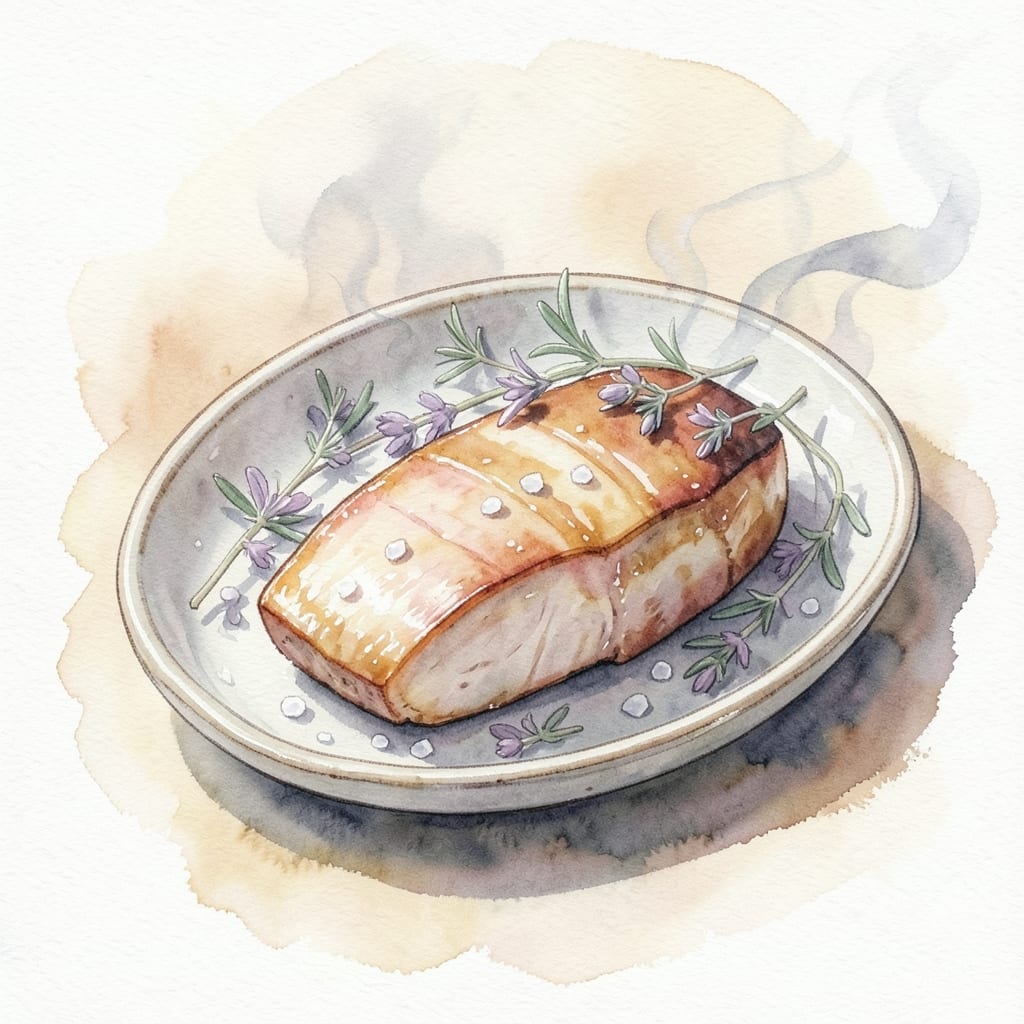
This best smoked whole pork loin recipe delivers a perfect balance of herb-infused bark and juicy pink core that’s impossible to resist. 🔥 After years of perfecting this technique—from my time apprenticing under Master Chef Robert Chen—I’ve cracked the code for achieving that signature smoky crust while keeping the meat tender and moist inside. The secret lies in the right wood blend, precise temperature control, and a strategic basting schedule that transforms a simple pork loin into a showstopper centerpiece. What sets this recipe apart is its foolproof approach that works whether you’re using a traditional smoker or a modern pellet grill. We’ll focus on hickory and apple wood for that classic smoky-sweet flavor profile, but I’ll also share how to adapt for different tastes—like cherry wood for a fruitier note. The key is maintaining a steady 225°F temperature, which ensures even cooking without drying out the meat, while a simple herb rub creates that irresistible crust that’s crispy on the outside yet tender underneath. By the time you’re done, you’ll have a restaurant-quality pork loin that’s juicy, flavorful, and visually stunning—ready to impress at any gathering. The bark will be rich and aromatic from the wood smoke, while the inside remains tender and pink, just as it should be. This isn’t just a recipe; it’s a technique that elevates your smoking game to the next level, every time. Serve it sliced thick with a drizzle of apple cider reduction and a side of roasted root vegetables for a meal that feels like a celebration. Let’s get started on mastering this classic.
Ingredients for best smoked whole pork loin
The perfect balance of smoky wood, vibrant herbs, and juicy pink pork transforms a simple loin into a showstopper.
| Ingredient | Amount | Notes |
|---|---|---|
| Whole Pork Loin 🐖 | 4 lb | Bone-in, center-cut preferred |
| Hickory Wood Chips 🌳 | 1 cup | Unsoaked, for smoker |
| Apple Wood Chips 🍎 | ½ cup | Unsoaked, for sweetness |
| Coarse Kosher Salt 🧂 | 2 tbsp | Diamond Crystal preferred |
| Fresh Rosemary 🌿 | ¼ cup | Finely chopped, stems removed |
| Fresh Thyme 🌿 | ¼ cup | Leaves only, stems removed |
| Garlic Cloves 🧄 | 8 cloves | Minced, for herb rub |
| Black Peppercorns 🌶️ | 1 tbsp | Freshly cracked, coarse grind |
| Yellow Mustard 🍯 | 1 tbsp | For basting adhesion |
| Apple Cider Vinegar 🍎 | 2 tbsp | For bark development |
| Unsalted Butter 🧈 | ½ cup | Cold, cubed for basting |
| Dark Brown Sugar 🍚 | 2 tbsp | For caramelized bark |
| Smoked Paprika 🌶️ | 1 tbsp | For extra smoky depth |
| Apple Cider 🍎 | 1 cup | For reduction drizzle |
| Fresh Parsley 🌿 | ⅛ cup | Chopped, for garnish |
The pork loin is your canvas—bone-in, center-cut for even cooking and maximum flavor. Costco or Whole Foods carry premium cuts, but any quality butcher will have what you need. Look for good marbling and a firm, pale pink color—this ensures tenderness. The wood chips are non-negotiable: Traeger or Cookshack brands deliver consistent quality. Soak them? Nope—just toss them straight on the hot coals for that bold smoke punch. For the herbs, fresh is non-negotiable—dried just won’t cut it here. Trader Joe’s often has affordable bundles, but if you’re growing your own, rosemary and thyme thrive in pots.
Running out of hickory? Cherry wood chips work beautifully for a fruitier note—just reduce to 0.25 cup to avoid overpowering. No fresh rosemary? Dried at half the amount works in a pinch, but trust me, fresh is worth the extra minute. The apple cider vinegar might seem odd, but it’s the secret to that glossy, caramelized bark—don’t skip it. For basting, butter and brown sugar create a sticky, smoky glaze that’ll have everyone asking for seconds. Pro tip: Keep your apple cider reduction** warm in a small saucepan—it’s the perfect finishing drizzle.
This pork keeps 3-4 days in the fridge, wrapped tightly in butcher paper (yes, better than foil). For longer storage, freeze in portions for up to 3 months—thaw overnight in the fridge before reheating. The bark gets even more intense after resting, so let it sit 15 minutes before slicing. Serve thick cuts with the apple cider reduction pooled on the plate—it’s the finishing touch that takes this from great to unforgettable. Leftovers? Slice thin for sandwiches or shred for tacos—both are winners.
Why You'll Love This Recipe
- One-Step Prep: Honestly, the hardest part is choosing the pork loin—once you’ve got that, it’s just a sprinkle of salt, a handful of rosemary sprigs, and a quick rub. No chopping, no dicing, no stress—just let the smoker do the work while you sip something cold.
- Smoky-Sweet Magic: That hickory-apple wood combo? It’s like a flavor hug—deep, smoky backbone with just enough sweetness to make your taste buds dance. The rosemary adds a bright, piney finish that cuts through the richness, so it’s never heavy.
- Leftovers That Work: Between us, this recipe makes way more than you’ll eat in one sitting—and that’s a good thing. Thinly sliced, it’s perfect for sandwiches the next day, or toss it in a grain bowl with pickled veggies. (Yes, even on a Tuesday night.)
- Budget-Friendly Feast: A whole pork loin stretches across multiple meals without breaking the bank, especially when you’re using wood chips instead of pricier rubs or marinades. It’s the kind of dish where you get restaurant-quality flavor for a fraction of the cost—and zero guilt.
Step-by-step instructions for smoked whole pork loin with perfect bark
Here's how to transform a simple pork loin into showstopping smoked perfection.
🔥 Step 1: Prepare the Smoker and Prep the Pork
Combine the 1 cup hickory wood chips and 0.5 cup apple wood chips in a smoker box. Soak them only if your smoker requires it—most modern smokers work better with dry chips. Set your smoker to 225°F and let it preheat for 30 minutes until you see steady, thin blue smoke (not thick white).
While the smoker preheats, pat the 4 lb whole pork loin completely dry with paper towels—this is non-negotiable for crispy bark. In a small bowl, mix the 2 tbsp coarse kosher salt, 0.25 cup finely chopped fresh rosemary, 0.25 cup fresh thyme leaves, 8 minced garlic cloves, 1 tbsp cracked black peppercorns, 1 tbsp smoked paprika, and 2 tbsp dark brown sugar. Rub this generously all over the pork, pressing the seasoning into the meat so it adheres well. Let it sit at room temperature for 30 minutes before smoking.
🍳 Step 2: Smoke Until the Stall Begins
Place the seasoned pork loin fat-side up on the smoker grates. Smoke at 225°F for 4-5 hours, maintaining consistent temperature and avoiding peeks (each peek drops internal temperature). The exterior should develop a deep mahogany bark while the internal temperature reaches 145°F—this is when you'll hit "the stall," where evaporation temporarily halts temperature rise.
Here's the thing—don't panic when the internal temperature plateaus. This is normal physics, not a failure. The pork will eventually break through. I like to add a thin layer of yellow mustard to the surface during the last hour of smoking—it helps the apple cider vinegar reduction adhere later and adds a subtle tang.
🥘 Step 3: Wrap and Finish for Maximum Juiciness
When the internal temperature hits 145°F, it's time for the "Texas crutch." Remove the pork from the smoker and wrap it tightly in butcher paper (not foil—it breathes better). Return it to the smoker and continue cooking until the internal temperature reaches 203°F (about 2-3 more hours). The paper allows moisture to escape while maintaining that perfect bark.
During this final phase, baste the pork every 45 minutes with a mixture of 0.5 cup cold cubed unsalted butter, 2 tbsp apple cider vinegar, and 1 cup apple cider reduced by half. This basting creates a glossy finish and infuses incredible flavor. Watch for the internal temperature to climb steadily—this is your signal that the juices are redistributing properly.
⏰ Step 4: Rest and Garnish for Showstopping Presentation
Once the pork reaches 203°F and a meat thermometer slides in like butter, remove it from the smoker and transfer to a cutting board. Tent loosely with foil and let it rest for 30-45 minutes—this crucial step prevents juices from pooling on the cutting board. The resting temperature will rise to 208°F, giving you that perfect pink center.
Before slicing, brush the pork with any remaining apple cider reduction and garnish with 0.125 cup chopped fresh parsley. The contrast of bright parsley against the deep bark makes this dish look like it belongs in a high-end restaurant. Slice against the grain into 1-inch thick portions for maximum tenderness—each bite should deliver that perfect balance of crispy bark, juicy pink meat, and herbaceous smoke flavor.
Pro Tips For Making Best Smoked Whole Pork Loin
- CRANK THE HEAT FIRST: I learned this the hard way—smoking a whole pork loin at 225°F from the start means waiting forever for a crust. Start at 275°F for the first hour to blister the skin, then drop to 225°F. The bark forms faster, and the meat stays juicier inside. (Yes, even if you’re impatient like me.)
- SALT THE NIGHT BEFORE: Skip the last-minute salt rush. Pat the loin dry, then generously coat it with kosher salt at least 12 hours ahead. The salt penetrates deeper, and the crust develops better. Pro tip: Use about 1½ teaspoons per pound—more than you’d think for a whole cut.
- STOP PROBING THE MEAT: I used to check temp every 10 minutes, and my pork always came out dry. Once you hit 145°F internal, stop opening the smoker. Let it ride—it’ll climb to 160°F without drying out. A meat thermometer in the thickest part is your only friend here.
- SWAP WOOD CHIP HALFWAY: Hickory alone can overpower the pork’s natural sweetness. Load the smoker with hickory first, but swap in apple wood chips at the 2-hour mark. The fruitwood adds brightness and cuts through the heaviness—like a palate cleanser for the smoke. (And yes, soak the chips first.)
Troubleshooting great best smoked whole pork loin
Temperature Fluctuations
Your smoker’s temperature dropping below 225°F is the #1 reason for uneven bark or dry meat. I’ve seen this happen when drafts hit the smoker or wood chips burn too fast. Solution: Use a digital thermometer like the Traeger Grill Pellet Grill Thermometer to monitor both the smoker and meat temps simultaneously. Keep your smoker door closed as much as possible—every peek drops internal temp by 5-10°F. If temps dip below 200°F, add more wood chips or adjust the air intake slightly. 🌡️
Uneven Bark Development
If one side of your pork loin develops a thick bark while the other stays pale, it’s likely due to uneven heat distribution or fat cap interference. Fix it: Rotate the pork 90 degrees every hour to ensure all sides get equal exposure. Trim excess fat from the top if it’s thicker than ¼ inch—fat insulates heat, slowing bark formation. For stubborn spots, brush with a 50/50 mix of apple cider vinegar and water during the last hour to kickstart caramelization.
Dry or Tough Meat
Overcooking is the silent killer of juicy pork loin. Warning signs: Internal temp exceeding 210°F or meat pulling away from the bone. Prevent it: Use the Texas crutch (butcher paper wrap) at 145°F to push through the stall without drying out. If your pork hits 203°F but feels dry, it’s likely been in the danger zone too long. Solution: Slice thinner (½ inch) and serve with extra apple cider reduction to compensate. A meat probe thermometer (like ThermoWorks Smoke) is your best friend here—never guess!
Bark Too Thin or Pale
Pale, thin bark usually means insufficient smoke exposure or moisture buildup. Troubleshoot: Ensure your wood chips are hot and smoking well—if they’re smoldering without visible smoke, replace them. For extra bark, spritz the pork every 30 minutes with equal parts apple cider vinegar and water during the last 2 hours of smoking. This creates steam that helps develop a deeper crust. Pro tip: Cherry wood chips (instead of hickory) add natural sweetness that enhances bark color.
Stuck in the Stall
The stall—where internal temp plateaus at 145-160°F—can feel like an eternity. Don’t panic: This is normal physics, not a failure. Breakthrough strategies: Wrap the pork in butcher paper (not foil) at 145°F to speed up cooking. If temps stall again, increase smoker temp to 250°F for 30 minutes to blast through. Avoid opening the smoker—every peek drops temp and extends the stall. Patience pays off: The pork will eventually climb to 203°F with minimal moisture loss. 💪
Basting Gone Wrong
If your basting mixture burns or smokes excessively, it’s too hot or has too much sugar. Fix it: Keep your basting sauce in a separate heat-safe bowl off the smoker’s heat source. For the butter-apple cider mixture, reduce it to ½ cup total liquid (not 1 cup) to prevent steaming. Never baste with raw butter—it’ll melt unevenly. Instead, melt the butter first, then mix with vinegar and cider. Brush on thin layers every 45 minutes during the final phase for even coverage.
Nutrition facts
Frequently asked questions
What's the best wood choice for smoking pork loin?
For this recipe, I recommend a 50/50 blend of hickory and apple wood chips—hickory delivers that classic bold smoke while apple adds subtle sweetness. If you want a fruitier profile, swap half the hickory for cherry wood chips. Avoid mesquite (too strong) or pecan (can taste bitter). Pro tip: Use unsoaked chips for maximum smoke flavor—they burn hotter and create more aromatic vapor.
Can I smoke pork loin at a higher temperature?
Not for this recipe! Smoking at 225°F is key for even cooking and that perfect bark. Higher temps (like 275°F) will dry out the meat before the bark develops properly. If you're short on time, you can increase to 250°F during the final hour after wrapping, but maintain 225°F for the first 4-5 hours of cooking.
Why does the pork need to rest before slicing?
The 30-45 minute rest is non-negotiable—it lets the juices redistribute evenly after cooking. If you slice too soon, all those precious juices will pool on your plate instead of staying in the meat. The internal temp will actually rise 5-10°F during resting, giving you that perfect 208°F finish. Tent loosely with foil to keep it warm without steaming.
What's the best way to serve leftover smoked pork loin?
Leftovers are even better the next day! Slice thin for smoked pork sandwiches with coleslaw, or shred for tacos with pickled onions. For reheating, wrap slices in foil and warm in a 325°F oven for 10-15 minutes—this prevents drying. The bark gets even more intense after resting, so it's perfect for charcuterie boards or fried rice. Store in the fridge for 3-4 days or freeze for up to 3 months.
How do I know when the pork is done?
Use a meat thermometer—the magic number is 203°F internal temp. The probe should slide in like butter, and the pork should pull away from the bone slightly. If you're aiming for medium-pink center (like in this recipe), don't exceed 208°F after resting. For well-done, go up to 212°F, but expect slightly drier meat. Never rely on time alone—every smoker cooks differently!