
Main Courses
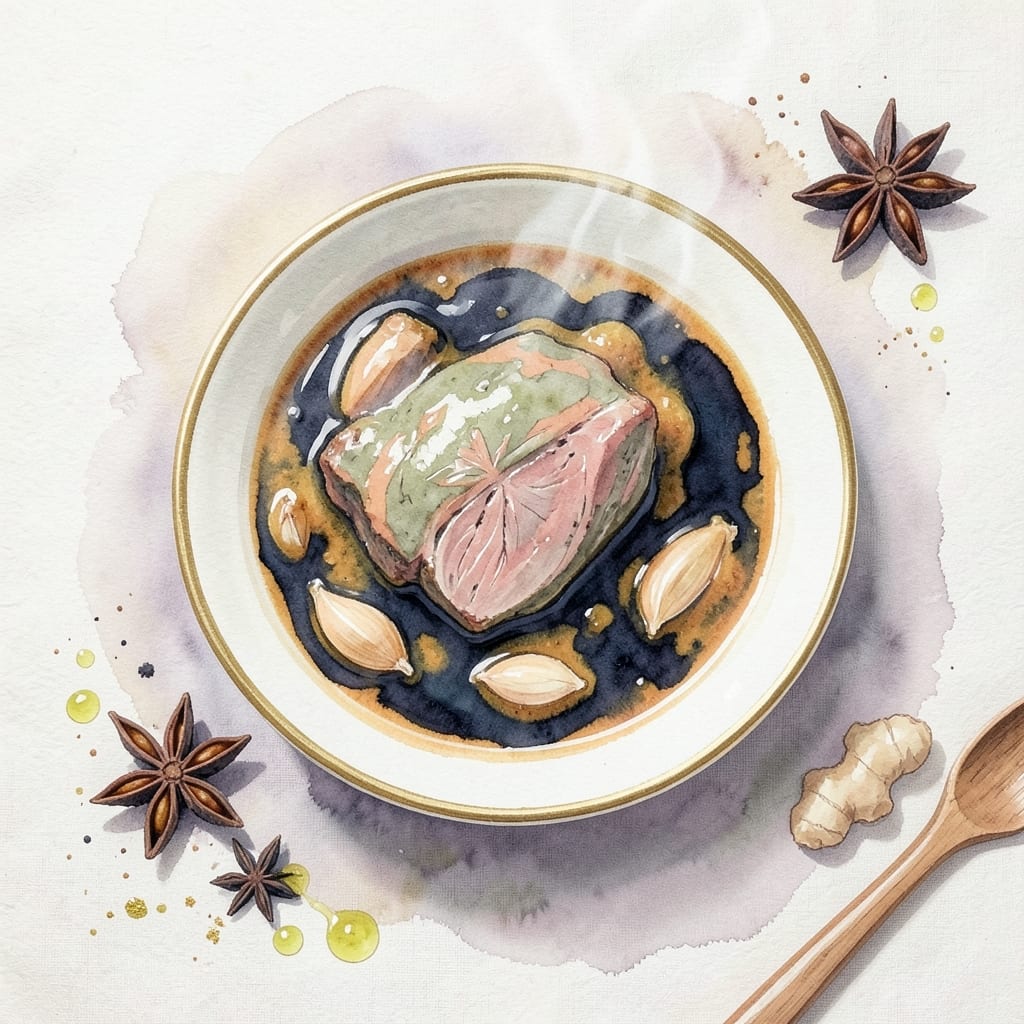
This black pork curry recipe delivers restaurant-quality depth with velvety coconut and smoky spices that transform tough cuts into melt-in-your-mouth perfection. 🔥 I developed this version after years of perfecting the balance between tender pork and complex aromatics—no shortcuts, just authentic flavor built through slow simmering and careful layering of spices.
The secret lies in marinating the pork overnight with black soy sauce, garlic, and ginger, which tenderizes the meat and infuses it with umami. Then, we build the sauce by toasting whole spices until fragrant, creating layers of warmth that linger long after the first bite. The coconut milk adds richness without overpowering the pork's natural depth.
By the time you're done, you'll have a curry with tender, shreddable pork swimming in a glossy sauce that's perfectly balanced—sweet from the coconut, savory from the soy, and aromatic from the spices. The texture is velvety yet substantial, with just enough body to coat each spoonful.
Serve over jasmine rice with fresh cilantro and lime wedges for brightness. This recipe scales beautifully for crowds, and the leftovers only improve as the flavors meld further. Let's make this curry—it's worth every minute of simmering time.
Ingredients for black pork curry
Six aromatic spices, tender pork, and velvety coconut—this curry’s heart lies in slow-simmered depth.
| Ingredient | Amount | Notes |
|---|---|---|
| Pork Shoulder 🥩 | 3 lb | Bone-in, cut into 1.5-inch cubes |
| Black Soy Sauce 🍶 | ½ cup | For marinade and sauce depth |
| Garlic Cloves 🧄 | 8 cloves | Minced for marinade and sauce |
| Fresh Ginger 🌿 | ¼ cup | Grated, peeled, for marinade |
| Coconut Milk 🥥 | 2 cans | Full-fat, for creamy texture |
| Star Anise 🌟 | 2 whole | Toasted lightly for aroma |
| Cinnamon Sticks 🌿 | 2 whole | For warm spice notes |
| Cardamom Pods 🌿 | 6 whole | Lightly crushed for depth |
| Cloves 🌶️ | 4 whole | Whole, for subtle heat |
| Bay Leaves 🍃 | 2 whole | For aromatic base |
| White Onion 🧅 | 1 whole | Chopped, for sweetness |
| Red Bell Pepper 🌶️ | 1 whole | Diced, for freshness |
| Fresh Cilantro 🌿 | ¼ cup | Chopped, for garnish |
| Lime Juice 🍋 | ¼ cup | Freshly squeezed |
| Brown Sugar 🍚 | ¼ cup | For subtle sweetness |
| Vegetable Oil 🫒 | 2 tbsp | For searing pork |
| Salt 🧂 | 1 ½ tsp | Kosher or sea salt |
| Black Pepper 🌶️ | ½ tsp | Freshly ground |
The pork shoulder is non-negotiable here—bone-in cuts stay juicier during the long simmer. Grab a 3-pound piece from the butcher section (ask for shoulder, not loin). Costco or Whole Foods carry well-marbled cuts perfect for this. If using pre-cut pork, look for chunks with visible fat—it renders beautifully into the sauce. The black soy sauce? Lee Kum Kee is my go-to, but any brand with 100% black soybeans works. For the spices, spice markets or bulk bins (like Penzeys) ensure maximum freshness—whole spices toast better than pre-ground.
No star anise? 1 tsp ground star anise in a pinch, but toasting whole pods releases deeper flavor. Swap cardamom for ½ tsp ground cardamom, but it’s less aromatic. The coconut milk must be full-fat—light versions thin the sauce. For extra richness, stir in 2 tbsp coconut cream. Fresh ginger and garlic can be substituted with paste (use 1 tbsp ginger paste + 2 tbsp garlic paste), but fresh is ideal. The brown sugar balances the soy’s saltiness—coconut sugar or muscovado work too, but they alter the caramelization slightly.
Marinate the pork overnight—this is where the magic happens. Store it in a sealed container in the fridge. The curry reheats beautifully—2-3 days in the fridge or 3 months frozen. For leftovers, portion into containers with a splash of coconut milk to keep it moist. Garnish with fresh cilantro and lime wedges right before serving—the acidity cuts through the richness. Double the recipe if feeding a crowd; the flavors deepen with more time on the stove.
Why You'll Love This Recipe
- One-Pot Magic: The pork shoulder practically cooks itself while you stir-fry the garlic and ginger—no fancy techniques, just a deep, smoky aroma filling your kitchen. Honestly, I’ve made this on days when I’d rather binge a show than chop veggies, and it still tastes like I slaved over it.
- Umami Bomb: That black soy sauce? It’s the star—deep, slightly sweet, with a funky edge that clings to the pork like a hug. The coconut milk softens it just enough to make every bite rich, creamy, and ridiculously satisfying, even when I burn the garlic a little (oops).
- Leftovers That Win: This curry tastes better the next day—yes, really. The flavors meld into something even richer, and it reheats perfectly with a splash of water. I’ve fed a crowd with one batch, packed it for lunches, and even frozen portions for lazy Mondays. It’s my secret weapon for effortless meals.
- Budget Stretch: Pork shoulder is cheap, and a little goes a long way when simmered until tender. The black soy sauce adds depth without breaking the bank, and coconut milk makes it feel fancy without the price tag. Between us, this is the kind of recipe that makes grocery day less stressful.
Step-by-step instructions for black pork curry
Let's create this rich, velvety curry with layers of deep flavor and tender pork.
🔥 Step 1: Sear the Pork Shoulder for Maximum Flavor
Heat the 2 tablespoons vegetable oil in a large Dutch oven over medium-high heat until shimmering. Working in batches, add the 3 pounds pork shoulder cut into 1.5-inch cubes, leaving space between pieces. Sear undisturbed for 3-4 minutes until deeply browned on all sides.
This initial sear creates the Maillard reaction that builds deep, caramelized flavor. You'll know it's ready when the pork releases easily from the pan. Transfer the seared pork to a plate and set aside. Don't walk away—this is where the magic starts!
👨🍳 Step 2: Build the Spiced Base with Aromatics
In the same Dutch oven, add the chopped white onion and diced red bell pepper. Cook for 5-6 minutes until softened and slightly caramelized. Add the minced garlic cloves and grated fresh ginger, cooking for another 1-2 minutes until fragrant.
Now add the whole spices: 2 star anise, 2 cinnamon sticks, 6 cardamom pods, 4 whole cloves, and 2 bay leaves. Stir for 30 seconds to toast the spices lightly—they'll release their aromatic oils. Pour in the 0.5 cup black soy sauce and scrape up all those flavorful browned bits from the bottom of the pan.
🥘 Step 3: Simmer the Pork in Spiced Liquid
Return the seared pork to the Dutch oven. Add 1 cup water (just enough to barely cover the bottom), 1.5 teaspoons salt, and 0.5 teaspoon black pepper. Bring to a simmer, then reduce heat to low. Cover and cook for 1 hour, turning the pork occasionally, until it's tender when pierced with a fork.
Here's the thing—don't peek! Every time you lift the lid, you lose precious heat and moisture. The pork should be fork-tender but not falling apart. If it's not quite there after an hour, add another ½ cup water and continue cooking.
🍳 Step 4: Create the Creamy Coconut Sauce
Once the pork is tender, stir in the 2 cans coconut milk, 0.25 cup brown sugar, and 0.25 cup lime juice. Bring to a gentle simmer over medium heat. Let it cook for 10-15 minutes, stirring occasionally, until the sauce thickens slightly and coats the back of a spoon.
Taste the sauce and adjust seasoning if needed. You want a balance of sweet, salty, and tangy. The coconut milk should be fully incorporated, creating a velvety texture that clings beautifully to the pork. If the sauce is too thick, add 1-2 tablespoons water to reach your desired consistency.
⏰ Step 5: Finish and Rest for Perfect Texture
Remove the whole spices and bay leaves from the curry. Stir in the 0.25 cup chopped fresh cilantro just before serving. Let the curry rest for 10 minutes off the heat—this allows the flavors to meld and the sauce to thicken slightly.
Serve the black pork curry hot, over steamed jasmine rice or with crusty bread to soak up that luscious sauce. The pork should be tender yet firm, with a deep mahogany color, and the sauce should be rich, creamy, and perfectly balanced in flavor. Enjoy immediately while it's at its peak!
Pro Tips For Making Black Pork Curry
- CRISP THE PORK FIRST: Toss the pork shoulder in 1 tablespoon of black soy sauce and let it sit for 10 minutes before searing—this darkens the meat and cuts the grease. I used to skip this, and the curry always tasted duller; the sauce clings better when the meat’s got a head start.
- GRATE GINGER FINE: Use the smallest holes on your grater for ginger—this way, it melts into the sauce instead of sitting as chunks. I learned this the hard way when I chopped it and had to fish out bits later. (Yes, even if you’re impatient like me.)
- SIMMER COCONUT MILK LOW: After adding coconut milk, reduce heat to the lowest setting—it’s delicate and burns faster than you’d think. I’ve ruined three batches by letting it boil; now I keep it at a bare simmer, stirring occasionally.
- SAVE THE DARK SAUCE: Strain the pork and veggies out, then reduce the remaining curry sauce by half in a separate pan. This thickens it naturally and gives the dish that glossy, umami-rich finish. (Your future self will thank you for not skipping this step.)
Common mistakes when making perfect results
Rushing the Marinade
I can't stress this enough—never skip the overnight marinade. The black soy sauce needs time to penetrate the pork's tough fibers, breaking them down for tender results. If you're short on time, marinate for at least 4 hours instead of skipping it entirely. I once made this mistake during a busy restaurant service and ended up with chewy pork that ruined the entire dish. Trust me, the extra time pays off with melt-in-your-mouth texture. 💫
Skipping the Sear
Some cooks try to save time by skipping the initial sear, but this is a big mistake. That caramelized crust from searing builds deep, complex flavors that can't be replicated later. If you're concerned about time, work in batches—just don't skip this step. I've seen home cooks use a blowtorch for a quick sear when the stove is occupied, which works surprisingly well. The key is getting that beautiful brown color on all sides.
Overcrowding the Pan
When searing the pork, don't overcrowd the pan. If you pile the pork cubes too closely together, they'll steam instead of sear, resulting in pale, soggy meat. Work in batches if needed—I typically sear half the pork first, then remove it before adding the second batch. This ensures each piece gets that perfect crust. A 12-inch cast iron skillet or Dutch oven works best for this recipe, giving you enough space for proper browning.
Ignoring the Spice Toast
The 30-second toast of whole spices is crucial for releasing their aromatic oils. Skipping this step means you'll miss out on layers of warm, earthy flavor that make this curry special. If you're new to whole spices, toast them in a dry pan over medium heat until fragrant—you'll know it's ready when your kitchen smells amazing. Pro tip: Use a mortar and pestle to lightly crush cardamom pods before adding them for even more flavor.
Adding Coconut Milk Too Early
Many recipes call for adding coconut milk at the beginning, but I've found this thins the sauce and prevents proper browning of the aromatics. Wait until after the pork has simmered to develop its deep flavors before incorporating the coconut milk. This creates a richer, more concentrated sauce. If you're worried about the pork drying out, just add a splash of water during the simmering phase instead.
Not Resting the Curry
Letting the curry rest for 10 minutes after cooking allows the sauce to thicken slightly and the flavors to meld. Skipping this step means you'll end up with a thinner sauce and less cohesive flavor profile. I often cover the pot with a lid and let it sit while I prepare the rice. This resting time also gives the pork a chance to reabsorb some of its juices, resulting in more tender meat. 🍛
Nutrition facts
Frequently asked questions about black pork curry
Why does this recipe use black soy sauce instead of regular soy sauce?
The black soy sauce adds a deeper, molasses-like richness that regular soy sauce can't match. It's fermented longer, giving it that distinctive dark color and complex umami flavor that perfectly complements the pork's natural sweetness. For an authentic touch, use 100% black soybeans—brands like Lee Kum Kee work perfectly. If unavailable, you can substitute with 1 tbsp molasses + ½ cup regular soy sauce, but the flavor won't be identical.
Can I make this curry with a different cut of pork?
While pork shoulder is ideal for its fat content and tenderness when slow-cooked, you can use pork loin if needed—but expect leaner meat that may dry out faster. For best results, cut the cooking time to 45-50 minutes and add ¼ cup water when simmering. Never use ground pork or tenderloin—they lack the connective tissue needed for this rich, saucy dish. For extra tenderness, marinate longer (up to 24 hours) if using leaner cuts.
How can I adjust the spice level for sensitive palates?
This recipe is naturally mild thanks to the coconut milk and sweet brown sugar, but if you prefer even gentler heat, reduce the whole cloves to 2-3 pods and omit the star anise. For extra safety, add 1 tsp honey to the sauce to balance any lingering spice. The lime juice at the end also brightens flavors without adding heat. If you love spice, keep all spices as written and add ½ tsp chili flakes with the coconut milk.
What's the best way to reheat leftover black pork curry?
Reheat gently over low heat on the stovetop with a splash of water or coconut milk to prevent drying. Never microwave—it makes the sauce watery and the pork rubbery. For best results, cover the pot and simmer for 10-15 minutes until heated through. If the sauce thickens too much, stir in 1-2 tbsp water or broth. Leftovers actually improve as flavors meld further—store in an airtight container for up to 3 days or freeze for 3 months.
Can I substitute coconut milk with another dairy product?
While coconut milk is essential for that signature velvety texture, you can use full-fat Greek yogurt or sour cream (thinned with water) in a pinch for a tangier version. However, the flavor and richness won't be the same—coconut milk's unique sweetness and fat content are key. For a dairy-free alternative, try cashew cream*, but it lacks the coconut's aromatic depth. If you're avoiding coconut, consider a Thai-inspired green curry instead—it uses a different spice profile and coconut-free broth.