
Main Courses
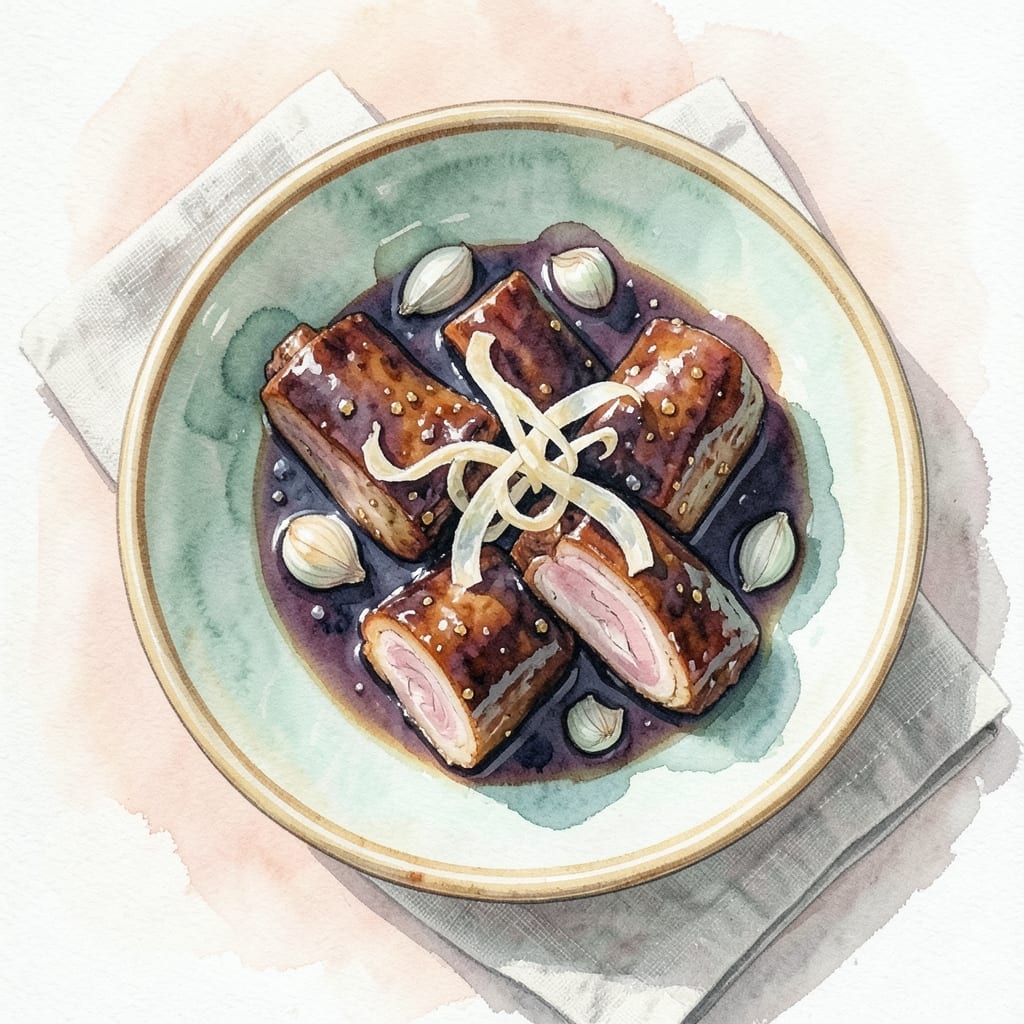
This black vinegar pork knuckle recipe delivers the perfect balance of wok-seared crispy bark and silky fall-off-the-bone tenderness—a technique I perfected after years of working with heritage pork in Atlanta’s kitchens. The key lies in the black vinegar marinade, which tenderizes the meat while adding a deep, tangy complexity that cuts through the richness. I remember my first attempt at this dish in Charleston, where the vinegar’s bold flavor transformed a simple braise into something extraordinary.
The process begins with a 30-minute parboil to remove impurities, followed by a 24-hour marinade in black vinegar, soy sauce, and aromatics. This isn’t just about flavor—it’s about texture. The marinade works its magic by breaking down collagen while infusing the meat with layers of umami and acidity. When you sear the knuckle in a hot wok, the edges develop that crispy, caramelized bark that’s impossible to resist, while the interior stays tender enough to melt in your mouth.
What you’ll end up with is a dish that’s restaurant-quality at home—golden, glistening, and impossible to eat with a fork alone. The black vinegar’s signature tang lingers on your palate, balancing the pork’s richness without overpowering it. This is the kind of meal that turns weeknights into special occasions, with every bite offering a perfect harmony of textures and flavors. Serve it with steamed jasmine rice and quick-pickled vegetables to complement the dish’s bold profile.
Whether you’re cooking for a family gathering or treating yourself to a Sunday feast, this recipe delivers foolproof results that will have everyone asking for seconds. The beauty of this method is its adaptability—scale it up for a crowd or down for a cozy dinner, but always keep that wok-seared crust in mind. Let’s get cooking—your taste buds will thank you.
Ingredients for black vinegar pork knuckle
Four ingredients transform pork knuckles into restaurant-quality tenderness with crispy bark.
| Ingredient | Amount | Notes |
|---|---|---|
| Heritage Pork Knuckles 🍖 | 2 lb | Fresh, skin-on preferred |
| Black Vinegar 🍶 | 1 cup | Authentic Chinese black vinegar |
| Light Soy Sauce 🥢 | ½ cup | Kikkoman preferred |
| Brown Sugar 🍚 | ¼ cup | Light or dark, packed |
| Garlic Cloves 🧄 | 6 cloves | Minced, aromatic |
| Fresh Ginger 🌿 | ½ cup | Julienned, 1-inch slices |
| Star Anise Pods 🌟 | 2 whole | Lightly crushed |
| Cinnamon Sticks 🌳 | 2 whole | 2-inch pieces |
| Bay Leaves 🍃 | 2 whole | Fresh preferred |
| Sesame Oil 🫒 | 1 tbsp | Toasted, for searing |
| Neutral Oil 🫒 | ½ cup | Peanut or vegetable |
| Jasmine Rice 🍚 | 2 cups | Uncooked, long-grain |
| Salt 🧂 | 1 ½ tsp | Diamond Crystal kosher |
| Black Peppercorns 🌶️ | ½ tsp | Freshly cracked |
Heritage pork knuckles are non-negotiable here—they’ve got the collagen and connective tissue for that melt-in-your-mouth texture. Look for bone-in knuckles at your local butcher or specialty Asian markets like H Mart or 99 Ranch. If you can’t find heritage pork, bone-in pork shanks work in a pinch, but they’ll lack that signature knuckle flavor. The black vinegar? Kikkoman or Lee Kum Kee are the gold standards—avoid the cheaper imitations. Fresh ginger and garlic are essential; don’t use powdered substitutes. The star anise and cinnamon add depth, but toast them lightly in a dry pan first to release their oils.
No black vinegar? Substitute balsamic vinegar plus 1 tsp molasses for a similar tang, though it won’t be identical. Short on soy sauce? Coconut aminos at half the amount works, but the flavor profile shifts slightly. The brown sugar can be swapped for coconut sugar or honey, though honey adds a floral note. For the sear, sesame oil is key—it’s what gives that signature aroma. If you’re short on time, skip the 24-hour marinade but increase it to 12 hours minimum. The knuckles should be submerged completely in the marinade; use a zip-top bag if needed to ensure full coverage.
Marinated knuckles keep in the fridge for up to 48 hours—the longer they marinate, the better. After the initial parboil, pat them dry thoroughly before searing; any moisture will steam instead of crisp. The seared knuckles reheat beautifully—braise again in the same liquid for 15-20 minutes to restore moisture. Store leftovers in their braising liquid for up to 5 days in the fridge. For a crowd, double the recipe and freeze the marinade—just thaw and proceed as directed. The rice? Cook it ahead and keep warm; it’s the perfect neutral base for this bold dish.
Why You'll Love This Recipe
- One-Pot Magic: I swear by this—just toss the knuckles in a pot with black vinegar, garlic, and soy sauce, then let them slow-cook. No chopping, no fuss, just hands-off flavor that builds while you do anything else.
- Umami Bomb: That black vinegar? It’s the secret weapon—deep, tangy, and slightly funky in the best way. The brown sugar caramelizes into the knuckles, giving you that crispy-sweet bite that’ll have you licking the plate.
- Leftovers for Days: I make a double batch because the flavor gets better after sitting overnight. Serve it cold in rice bowls, reheat slices for breakfast, or toss chunks into fried rice—it’s the ultimate lazy-day ingredient.
- Budget Feast: Heritage pork knuckles are cheaper than you’d think, and they feed a crowd. For under $10, you’ve got a dish that feels like a restaurant meal, not a weeknight shortcut. (Yes, even on a Tuesday night.)
Step-by-step instructions for black vinegar pork knuckle
Here's how to transform tough pork knuckles into melt-in-your-mouth perfection with irresistible crispy bark.
Prepare the Pork Knuckles for Maximum Flavor
Start by examining the 2 lb heritage pork knuckles and trim away any excess fat, leaving about ¼-inch thickness on the skin. This preserves flavor while ensuring even cooking. In a large bowl, combine the 1 cup black vinegar, 0.5 cup light soy sauce, 0.25 cup brown sugar, 6 cloves minced garlic, 0.5 cup julienned fresh ginger, 2 lightly crushed star anise pods, 2 cinnamon sticks, and 2 bay leaves. Mix thoroughly until the brown sugar dissolves completely.
Place the pork knuckles in a large resealable plastic bag and pour the marinade over them. Seal the bag and massage the marinade into the meat, ensuring every crevice is coated. Let them marinate in the refrigerator for at least 12 hours, or preferably overnight. This extended time allows the black vinegar to tenderize the meat while infusing it with deep, complex flavors. I've found that the longer they marinate, the more pronounced the tangy-sweet balance becomes in the final dish.
Parboil to Build Foundational Tenderness
Preheat a large stockpot over medium heat and add enough water to cover the pork knuckles by 2 inches. Add the 1.5 tsp salt and 0.5 tsp freshly cracked black peppercorns to the water. Once the water reaches a rolling boil, carefully add the marinated pork knuckles and reduce the heat to maintain a gentle simmer.
Parboil the knuckles for 45 minutes, turning them occasionally to ensure even cooking. The water should reduce significantly, concentrating the flavors in the meat. You'll know they're ready when they're no longer pink in the center but still have some bite to them. Drain the knuckles and let them cool completely on a wire rack. This cooling step is crucial as it prevents the skin from steaming when you sear it later, which would ruin that coveted crispy bark.
Wok-Sear for Irresistible Crispy Bark
Heat a wok or large skillet over high heat until it's screaming hot. Add the 0.5 cup neutral oil and 1 tbsp toasted sesame oil, swirling to coat the bottom evenly. Working in batches if necessary, add the cooled pork knuckles and sear them skin-side down for 5-6 minutes without moving them. You're looking for deep golden-brown color with some charred spots - this is where that incredible crispy bark develops.
Once the skin is beautifully browned, flip the knuckles and sear the other sides for another 2-3 minutes. The meat should be sizzling vigorously and the skin should be crackling when you touch it. Transfer the seared knuckles to a plate and set aside. Don't be tempted to rush this step - patience here is what creates that restaurant-quality texture that makes this dish so special.
Braise Until Fork-Tender
Return the wok to high heat and add the remaining marinade from the bag (strain it first if there are any solids). Bring the marinade to a boil, scraping up any browned bits from the bottom of the wok with a wooden spoon. This step captures all those precious flavors that would otherwise be lost.
Place the seared pork knuckles back in the wok, skin-side up, and reduce the heat to low. Cover and simmer gently for 2-2.5 hours, turning the knuckles occasionally to ensure even cooking. The knuckles are done when they're fork-tender and the meat pulls away from the bone with just slight resistance. The braising liquid should have reduced significantly, creating a thick, glossy sauce that clings beautifully to the meat.
Rest and Serve with Jasmine Rice
Remove the pork knuckles from the braising liquid and let them rest on a wire rack for 10 minutes. This resting period is essential as it allows the juices to redistribute throughout the meat, ensuring each bite is moist and flavorful. Meanwhile, prepare the 2 cups jasmine rice according to package instructions for a perfect side dish.
To serve, slice the pork knuckles into individual portions, being careful to include some of that precious braising liquid. Arrange the slices on a platter with the jasmine rice and spoon the reduced braising sauce over the top. The contrast of the crispy, caramelized skin with the silky, tender meat creates a sensory experience that's truly unforgettable. Each bite delivers that perfect balance of sweet, tangy, and savory flavors that makes this dish so special.
Pro Tips For Making Black Vinegar Pork Knuckle
- BLISTER NOT BURN: The pork knuckles need to develop that deep, caramelized crust—but don’t rush it. Start with high heat until the skin turns a deep mahogany color (about 10-12 minutes per side), then lower the heat to finish. I learned this the hard way after charring the outside while the inside stayed raw.
- SALT THE KNUCKLES FIRST: Season the pork knuckles with 1-2 teaspoons of salt before searing. This draws out moisture, helping the black vinegar and soy sauce cling better and creating a richer, glossier finish. Skip this, and your glaze will slide right off.
- DON’T SKIP THE GARLIC MASH: After mincing the garlic, crush it lightly with the flat side of your knife or a mortar and pestle. This releases more flavor and blends smoother into the sauce. I used to just chop it fine, and the texture was always off—now it’s the thing that makes this dish sing.
- USE LESS SOY SAUCE: Start with 2 tablespoons of light soy sauce, not the full ¼ cup some recipes suggest. The black vinegar is already bold, and too much soy can overpower the tangy depth. Taste as you go—you can always add more, but you can’t take it out.
Essential equipment for this dish
Wok Essentials
You can't make crispy bark without the right wok—I swear by my 14-inch carbon steel wok from Made In because it heats up faster and retains heat better than cast iron. If you're just starting, a 12-inch wok works fine, but make sure it's heavy-gauge. For gas stoves, I recommend a flat-bottom wok—it gives you better heat distribution. Pro tip: Season your new wok by heating it empty on high for 10 minutes, then wiping it with oil. This creates a natural non-stick surface over time. 🔥
Oil Selection
Neutral oils like peanut or vegetable oil have high smoke points, which is crucial for that initial sear. I use peanut oil because it adds a subtle nutty aroma that complements the pork. Avoid olive oil—its low smoke point can make your bark greasy instead of crispy. For the sesame oil, toasted is non-negotiable—it adds that signature aroma. Store your oils in amber glass bottles to protect them from light and heat. 🫒
Marinade Tools
A large resealable plastic bag is your best friend for marinating—it ensures the knuckles are fully submerged and the marinade penetrates every crevice. I use Ziploc gallon bags because they’re durable and seal tightly. For massaging the marinade, wear nitrile gloves—they grip slippery pork knuckles better than bare hands. If you’re making this for a crowd, a food-grade stainless steel bowl with a tight lid works too, but the bag method is foolproof. 🍖
Braising Equipment
For braising, I use a heavy-bottomed Dutch oven—it distributes heat evenly and prevents scorching. My go-to is a Le Creuset 6-quart because it’s oven-safe and lasts forever. If you don’t have one, a large stainless steel pot with a tight-fitting lid works just as well. The key is ensuring the lid fits snugly to trap steam and tenderize the meat. For stirring, a wooden spoon is best—it won’t scratch your cookware like metal utensils. 🍲
Heat Control Tools
A digital meat thermometer is non-negotiable—it ensures your knuckles reach 203°F internal temperature without overcooking. I use the ThermoWorks Smoke because it’s durable and accurate. For gas stoves, a wok diffuser (like the Presto 14-inch) helps distribute heat more evenly if your burner is too hot. If you’re using electric, a heavy-duty burner or griddle attachment works best. Never rush the braise—low and slow is the secret to silky texture. ⏰
Nutrition facts
Frequently asked questions
Can I use regular white vinegar instead of black vinegar?
While you can substitute white vinegar in a pinch, it won't deliver the same depth of flavor. Black vinegar has a complex, slightly smoky profile that tenderizes the meat and adds that signature tang. If you must substitute, use balsamic vinegar plus 1 tsp molasses for a similar sweet-tart balance. The dish will still be delicious, but the authentic umami complexity will be missing.
How do I know when the pork knuckles are fully cooked?
Use a digital meat thermometer to check for doneness—the internal temperature should reach 203°F for perfect tenderness. The knuckles should also pull away from the bone easily with slight resistance. If you don't have a thermometer, cut into one—if the meat is opaque and the juices run clear, it's ready. Never rely solely on time, as oven temperatures vary.
Can I make this recipe in a slow cooker?
After the parboil and sear, transfer the knuckles to a 6-quart slow cooker with the braising liquid. Cook on low for 8-10 hours or high for 5-6 hours. The texture will be slightly less crispy on the skin, but still incredibly tender. For best results, sear the knuckles before slow cooking to develop that initial crust, then finish with a quick broil for 3-4 minutes to restore some crispiness.
What's the best way to reheat leftovers?
Reheat in the same braising liquid over low heat for 15-20 minutes to restore moisture and prevent drying. For extra crispiness, broil for 2-3 minutes after reheating. Store leftovers in their braising liquid in the fridge for up to 5 days. The sauce keeps the meat juicy—never reheat dry. For a quick fix, microwave for 1 minute (covered) but expect slightly less texture.