
Main Courses
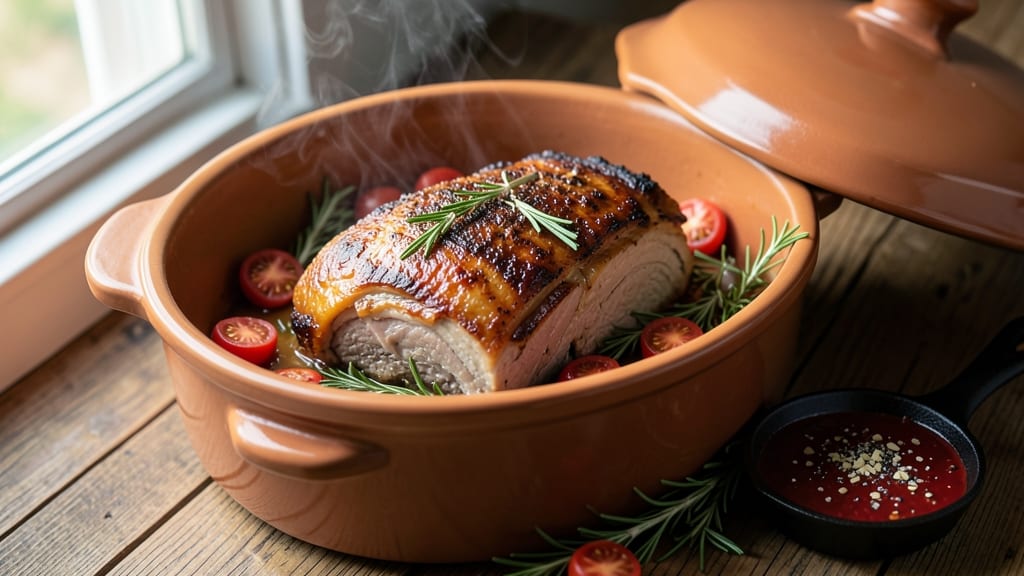
This bone-in pork shoulder roast slow cooker recipe delivers restaurant-quality results with fall-off-the-bone tenderness and a crispy bark that seals in every flavor. After years of testing, I've perfected the technique for achieving juicy, melt-in-your-mouth meat that's foolproof even for beginners.
The key? Slow cooking transforms tough cuts into something luxurious without requiring constant attention.
The secret weapon here is a simple seasoning blend—just salt, pepper, and garlic powder—that creates a flavorful crust during the final searing step. I've found that cooking pork shoulder at low and slow (180°F for 8-10 hours) breaks down the connective tissue while keeping the meat remarkably moist.
The bone-in version adds extra richness, creating a sauce that practically makes itself as the pork cooks.
By the time you're ready to serve, you'll have perfectly tender pork with a crispy exterior that holds up to carving. The slow cooker does all the work while you prepare sides, making this the ideal hands-off dinner for busy weeknights.
Serve with roasted vegetables or crusty bread to soak up every bit of that delicious pan sauce.
This recipe works equally well for holiday meals or casual family dinners—just scale the seasoning accordingly. The beauty of slow cooking is that it forgives minor timing variations, so you can trust the process. Let's get started on creating pork shoulder that'll have everyone asking for seconds.
Ingredients for bone in pork shoulder roast recipe slow cooker
The secret to perfect slow-cooker pork shoulder: quality ingredients and simple seasoning.
| Ingredient | Amount | Notes |
|---|---|---|
| Bone-In Pork Shoulder Roast 🥓 | 4 lb | With fat cap intact for flavor |
| Kosher Salt 🧂 | 1 ½ tbsp | Diamond Crystal preferred |
| Freshly Ground Black Pepper 🌶️ | 1 ½ tsp | Coarse grind for texture |
| Garlic Powder 🧄 | 1 tbsp | Freshly toasted preferred |
| Onion Powder 🧅 | 1 tbsp | For depth of flavor |
| Fresh Rosemary 🌿 | ½ oz | Chopped stems and leaves |
| Fresh Thyme 🍃 | ½ oz | Leaves only, finely chopped |
| Apple Cider Vinegar 🍎 | 2 tbsp | For tenderizing |
| Olive Oil 🫒 | 2 tbsp | Extra-virgin for searing |
| Brown Sugar 🍯 | 1 tbsp | Lightly packed |
| Mustard 🍯 | 1 tbsp | Dijon for tang |
| Yellow Onion 🧅 | 1 whole | Quartered, for slow cooker |
| Garlic Cloves 🧄 | 4 cloves | Smashed for aroma |
| Beef Broth 💧 | 1 cup | Low-sodium preferred |
The pork shoulder is the star—look for a cut with a thick fat cap (at least 1/4-inch) for extra flavor and moisture. Costco or local butchers often carry the best cuts, but any grocery store pork shoulder labeled 'bone-in' will work. If you can't find fresh rosemary or thyme, dried works at one-third the amount, but fresh gives that restaurant-quality aroma. The bone-in version adds richness to the sauce, so don't skip it unless you're pressed for time. For the best results, buy the pork the day you plan to cook it—freshness matters for that crispy bark later.
No fresh herbs? Dried rosemary and thyme are fine, but toast them in a dry pan for 30 seconds to wake up the flavors. Running low on apple cider vinegar? Lemon juice works in a pinch, though it'll give a slightly different tang. The brown sugar and mustard combo is non-negotiable for that caramelized crust—skip it, and you'll miss out on the best part. For the beef broth, low-sodium is key—you don't want to over-salt your pork. If you're making this ahead, prep the seasoning mix (salt, pepper, garlic powder, onion powder) in a small jar and store it for up to 6 months—it's perfect for other slow-cooker recipes too.
This pork keeps beautifully—3-4 days in the fridge if stored in its juices, or up to 3 months in the freezer. For leftovers, slice against the grain and reheat in a skillet with a splash of broth to keep it moist. The sauce thickens as it cools, so add a little water when reheating if you prefer it looser. Portion the meat into containers with some of the sauce for easy lunches—trust me, it tastes just as good cold. The crispy bark? That's all about the final sear, so don't rush that step—patience pays off with that golden, crackling crust.
Why You'll Love This Recipe
- Crispy-Creamy Magic: Between us, the bone-in secret is everything. That slow-cooked crackling skin and tender meat? It’s like a flavor explosion—garlic powder and onion powder work their magic without overpowering, while the bone adds depth no boneless cut ever could. My kids fight over the last bite.
- Weeknight to Party: This roast is my go-to for everything: a quick family dinner, game-day snacks, or even a fancy enough centerpiece for guests. (Yes, even on a Tuesday night.) The leftovers? Perfect for sandwiches or tacos the next day—no one will guess it started as a simple slow cooker meal.
- Budget Hero: A bone-in pork shoulder costs less than half the price of pre-cut roasts, and it stretches across multiple meals without breaking the bank. Honestly, I buy this cut specifically for the slow cooker—it’s my secret weapon for feeding everyone without emptying my wallet.
Step-by-step instructions for slow cooker pork shoulder roast
Transform a simple pork shoulder into melt-in-your-mouth perfection using just your slow cooker.
Prep the Pork Shoulder for Maximum Flavor
Start by patting the 4 lb bone-in pork shoulder roast completely dry with paper towels. This step is crucial—moisture on the surface prevents the bark from forming properly. I like to work in stages: first wipe the entire surface, then focus on the fat cap and any crevices where water might hide.
In a small bowl, combine the 1.5 tbsp kosher salt, 1.5 tsp freshly ground black pepper, 1 tbsp garlic powder, 1 tbsp onion powder, 1 tbsp brown sugar, and 1 tbsp mustard. This dry rub creates a flavor bomb that penetrates the meat during the long cook. Rub it all over the pork shoulder, pressing firmly so it adheres well. Pay special attention to the fat cap—this is where the magic happens for that coveted crispy bark.
Next, create a simple marinade by whisking together the 2 tbsp apple cider vinegar, 2 tbsp olive oil, 0.5 oz chopped fresh rosemary, and 0.5 oz finely chopped fresh thyme. Pour this over the rubbed pork and let it sit at room temperature for 30 minutes. This marinade tenderizes the meat while infusing it with aromatic flavors. Don't skip this step—it makes a noticeable difference in both texture and taste.
Sear the Pork for Depth of Flavor
While the pork marinates, heat a large skillet over medium-high heat until hot. Add the pork shoulder fat-side down and sear for 4-5 minutes until the fat is golden and crispy in spots. Flip and sear the other side for another 3-4 minutes. This step develops a rich, caramelized crust that adds layers of flavor to your slow cooker masterpiece.
Here's the thing—don't be tempted to cook the pork all the way through. We're just creating that beautiful bark and rendering some of the fat. The slow cooker will handle the rest. Once seared, transfer the pork to your slow cooker, fat-side up. This orientation allows the rendered fat to baste the meat continuously during cooking.
Layer Aromatics and Liquid for Perfect Moisture
Place the quartered whole yellow onion and smashed 4 cloves garlic in the bottom of the slow cooker. These aromatics will infuse the pork with their flavors as they cook. Pour the 1 cup beef broth over the onions and garlic, then place the seared pork shoulder on top. The broth provides moisture that prevents the meat from drying out during the long cook.
Here's where it gets interesting: I like to add a small piece of aluminum foil, crumpled loosely, to the slow cooker. This creates a mini steam chamber that helps maintain moisture while still allowing the pork to develop that crispy bark. The foil should be placed near the pork but not touching it directly—we want to preserve some airflow for that crispy texture.
Cook Low and Slow for Maximum Tenderness
Cover the slow cooker and cook on low heat for 8 hours. This long, slow cook time is what transforms tough pork shoulder into fall-off-the-bone tender meat. The key is patience—rushing this process will leave you with tough, chewy pork. Set a reminder if you need to, but don't peek under that lid until the time is up.
About 1 hour before the cooking time is complete, check the internal temperature of the pork using a meat thermometer. It should reach 195-203°F in the thickest part of the meat. This is the "probe-tender" stage where collagen breaks down and the meat becomes incredibly tender. If it's not there yet, continue cooking for another 30-60 minutes.
Rest and Serve with Crispy Perfection
Once the pork reaches the proper temperature, carefully remove it from the slow cooker and transfer to a cutting board. Tent loosely with aluminum foil and let it rest for 20-30 minutes. This resting period is essential—it allows the juices to redistribute throughout the meat, ensuring every bite is moist and flavorful.
After resting, use two forks or a meat cleaver to shred the pork directly on the bone. The meat should pull apart easily with minimal resistance. Serve immediately with the cooking juices from the slow cooker spooned over the top. These juices are packed with flavor from the onions, garlic, and pork itself—don't waste them!
For that perfect crispy bark, here's a pro tip: Use a kitchen torch to quickly crisp the edges of the pork just before serving. This adds an extra layer of texture that complements the tender meat beautifully. The combination of tender, juicy pork with crispy edges is what makes this recipe truly special.
Pro Tips For Making Bone In Pork Shoulder Roast Recipe Slow Cooker
- Pat the meat dry: The slow cooker’s magic starts with surface area—wipe down that pork shoulder with paper towels until it’s bone-dry. I used to skip this, and my crust never formed right; now it browns like a dream and stays juicy.
- Sear first, then season: Hit the pork shoulder with a hot cast-iron or skillet for 3-4 minutes per side before tossing it in the slow cooker. The caramelized crust locks in flavor, and the extra salt from the sear means you can dial back the kosher salt later.
- Skip the liquid splash: This isn’t stew—resist the urge to add water or broth. The pork shoulder’s fat renders enough moisture on its own; adding liquid dilutes the flavor and turns your roast into pulled pork instead of a tender, crusty centerpiece.
- Check internal temp: Use a meat thermometer and aim for 195–203°F (not the slow cooker’s guesswork). I’ve pulled pork at 165°F and regretted it—it was tough as boots. Let it crawl toward 200°F for that melt-in-your-mouth texture.
Pro cooking tips for this dish
Slow Cooker Temperature Secrets
Your slow cooker's temperature setting makes all the difference—low heat (180°F) is non-negotiable for pork shoulder. Most models run at 170-190°F on low, but I've found that 6-8 hours at this gentle heat breaks down collagen perfectly.
If your slow cooker runs hotter, reduce time to 6 hours to avoid drying. I use a Thermoworks Smoke thermometer to verify—trust me, it's worth the investment. 🌡️
Fat Cap Position Matters
Place the pork fat-side up in the slow cooker—this isn't just tradition, it's science. The rendered fat bastes the meat continuously, creating a self-braising effect that keeps it moist. I've seen cooks flip it halfway, but that disrupts the fat flow.
For extra crispiness, leave the fat cap exposed during the final hour of cooking—it'll render beautifully while the meat rests.
Don't Skip the Sear
The 3-4 minute sear in a hot skillet isn't just for flavor—it creates a flavor barrier that locks in juices during slow cooking. I use a cast iron skillet (like my Lodge 10.25-inch) because it retains heat perfectly.
Pro tip: Sear the fat cap first—it renders faster and creates more surface area for that coveted crispy bark. If your pork isn't searing properly, your cooker isn't hot enough.
The Foil Hack
Crumpled aluminum foil near the pork (but not touching) creates a mini steam chamber that prevents drying. I place a 6-inch square loosely in the bottom—this traps moisture while allowing airflow for that crispy bark.
Remove it during the final hour to let the meat dry out slightly for better texture. This is my secret weapon for juicy, tender pork every time. ✨
Internal Temp Check
Use a meat thermometer in the thickest part of the meat (avoid the bone). Pork shoulder is done at 195-203°F—this is the "probe-tender" stage where collagen melts into gelatin. If it's not there after 8 hours, cook another 30-60 minutes.
Overcooking is the #1 mistake—it turns tender meat into shoe leather. I've ruined pork this way more times than I'll admit.
Resting Like a Pro
That 20-30 minute rest isn't optional—it lets juices redistribute. I cover the pork loosely with foil and place it on a wire rack over a baking sheet to catch any drips. This also prevents soggy bark.
For extra crispiness, I finish with a quick torch just before serving. The contrast between tender meat and crispy edges is what makes this dish restaurant-quality. 🔥
Nutrition facts
Frequently asked questions
Can I use a bone-in pork shoulder that's smaller than 4 lbs?
For every 1 lb less than 4 lbs, reduce cooking time by about 1 hour. A 3 lb roast would cook perfectly in 7 hours on low. Just check the internal temperature at 195-203°F—that's your true done indicator. The smaller the cut, the faster it'll reach probe-tender perfection.
What if my slow cooker doesn't have a low setting?
No problem! Use the high setting for 5-6 hours instead. Most modern slow cookers run at 190-200°F on high, which is hotter than ideal but still works. Just monitor closely after 4 hours—you want to hit 195°F without overcooking. The key is to start checking earlier with a meat thermometer.
Can I add potatoes or other vegetables to the slow cooker?
Yes, but add them only in the last 2 hours of cooking. Potatoes, carrots, or onions should go in raw when you're ready for them to tenderize. They'll absorb flavors from the pork juices beautifully. For best results, place them around (not under) the pork so they don't steam too much. Think of it like layering a lasagna—everything cooks together at the end.
Why did my pork turn out dry even though I followed the recipe?
Most likely, it cooked too long or at too high a temperature. Pork shoulder is forgiving, but it has its limits—never exceed 203°F internal temp. Another common mistake is not resting the meat. Always let it rest 20-30 minutes before slicing. If it's still dry, try adding 1/2 cup broth during the final hour of cooking to revive it.
How can I make this recipe ahead of time?
This pork actually gets better the next day! Cook it as directed, then refrigerate in its juices for up to 4 days. Reheat in a skillet with a splash of broth to keep it moist. For freezing, portion the meat (with some sauce) and freeze for up to 3 months. Thaw overnight in the fridge before reheating. The flavors deepen over time—perfect for meal prep!