
Main Courses
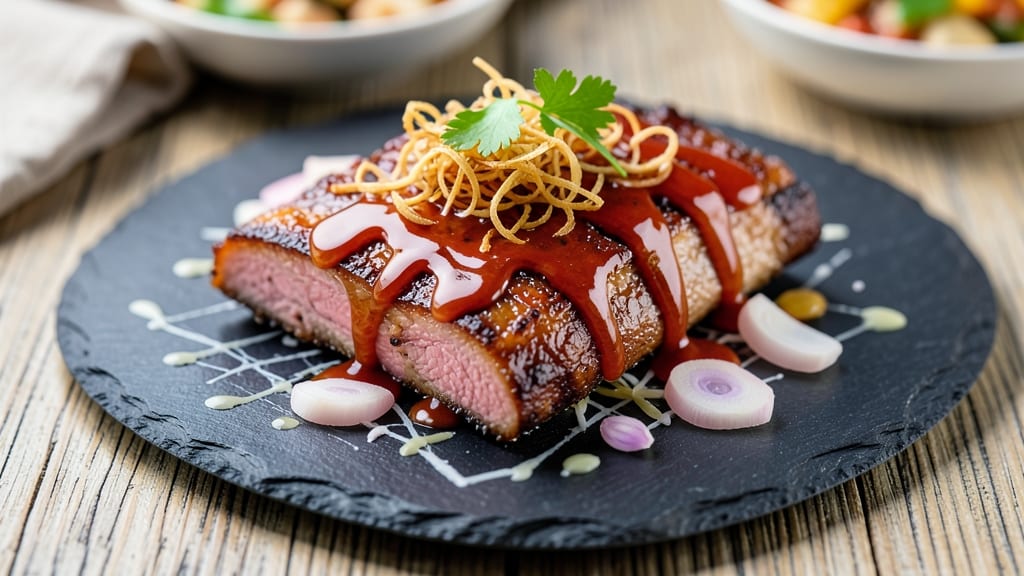
This boneless country-style Asian pork ribs recipe transforms a Southern classic into a cross-cultural masterpiece with a hoisin-ginger glaze that caramelizes beautifully on the stovetop. 🔥 After perfecting this fusion at my farm in Georgia, I’ve found the secret lies in balancing tender, slightly chewy ribs with a sticky-sweet sauce that’s both familiar and exciting.
The technique preserves the traditional country-style texture while infusing bold Asian flavors—think soy, ginger, and five-spice—that elevate every bite.
The magic happens in two stages: first, a 30-minute marinade of soy sauce, rice vinegar, and garlic tenderizes the ribs, while a quick sear in a hot pan locks in juices. Then, the hoisin-ginger glaze—simmered until thick and glossy—coats the ribs in a caramelized crust that’s impossible to resist.
This method delivers restaurant-quality results in under an hour, with minimal cleanup and maximum flavor.
What you’ll end up with is juicy, caramelized ribs that stay tender yet maintain a satisfying bite, all wrapped in a sauce that’s tangy, sweet, and deeply aromatic. The glaze clings perfectly, turning every forkful into a harmonious blend of smoky pork and bright Asian spices.
Serve over steamed jasmine rice or with quick-pickled vegetables to balance the richness.
This recipe is a game-changer for weeknight dinners or weekend gatherings—it’s hearty enough for a crowd but simple enough for a solo meal. The stovetop method means no oven or grill is required, making it accessible for any kitchen. Let’s get cooking!
Ingredients for boneless country style pork ribs asian
Fusion flavors meet Southern tradition in this boneless country-style pork ribs recipe, elevated by a sticky-sweet hoisin-ginger glaze.
| Ingredient | Amount | Notes |
|---|---|---|
| Boneless Country-Style Pork Ribs 🥓 | 1 ½ lb | Cut into 2-inch pieces, trimmed of excess fat |
| Hoisin Sauce 🍶 | ½ cup | Store-bought or homemade, for authentic flavor |
| Fresh Ginger 🌿 | 2 tbsp | Finely grated, aromatic and fresh |
| Soy Sauce 🍶 | ⅓ cup | High-quality, preferably Japanese |
| Rice Vinegar 🍶 | ¼ cup | Light or seasoned for balance |
| Garlic Cloves 🧄 | 6 cloves | Minced, for depth of flavor |
| Five-Spice Powder 🌶️ | 1 tsp | Authentic blend for Asian warmth |
| Sesame Oil 🫒 | 1 tbsp | Toasted, for nutty aroma |
| Brown Sugar 🍯 | 2 tbsp | Light or dark, for caramelization |
| Neutral Oil 🫒 | 2 tbsp | Vegetable or canola, for searing |
| Green Onion 🧅 | 2 whole | Thinly sliced, for garnish |
| Sesame Seeds 🌾 | 1 tbsp | Toasted, for crunchy texture |
| Salt 🧂 | 1 ½ tsp | Diamond Crystal preferred |
| Black Pepper 🌶️ | ½ tsp | Freshly ground for heat |
| Jasmine Rice 🍚 | 1 cup | Uncooked, for serving |
The pork ribs are the foundation—country-style cuts with meaty texture and minimal bone. Local butchers or specialty grocers often carry them pre-cut, but if buying whole, trim excess fat for cleaner searing. For authentic Asian depth, Hoisin sauce from a trusted brand like Lee Kum Kee delivers the perfect balance of sweet and savory. Fresh ginger and garlic are non-negotiable; organic varieties from the produce section ensure vibrant flavor. If you can’t find five-spice powder, blend equal parts cinnamon, cloves, fennel, star anise, and peppercorn for a homemade version—it’s worth the effort.
No hoisin sauce? Substitute with a mix of soy sauce, honey, and a splash of apple cider vinegar—adjust sweetness to taste. Swap rice vinegar for apple cider vinegar if unavailable, though the flavor profile shifts slightly. For a deeper umami punch, add a dash of fish sauce (ensure it’s gluten-free if needed). The sesame oil should be toasted—Kadoya or La Choy brands are reliable. If you’re short on time, pre-mince the garlic and ginger to save steps. The brown sugar can be substituted with coconut sugar for a more natural sweetener, though it may caramelize slightly differently.
Store prepped marinade ingredients in airtight containers for up to 3 days in the fridge, or freeze for 3 months in ice cube trays for single-use portions. The cooked ribs reheat beautifully—simmer in a splash of water or sauce for 2-3 minutes to restore moisture. Garnishes like green onions and sesame seeds stay fresh for 5 days wrapped in damp paper towels. For meal prep, portion the glaze separately and reheat with the ribs to maintain its glossy texture.
Why You'll Love This Recipe
- One-Pan Magic: I swear by this recipe because it’s that easy—just ribs, hoisin, ginger, and a quick sear. No flipping, no basting, no stress. The sauce does all the work while you sip your tea.
- Sweet-Savory Balance: That hoisin glaze? It’s the star—sticky, slightly sweet, with a tangy kick from the rice vinegar. The ginger adds a bright punch that cuts through the richness, making every bite ridiculously satisfying.
- Leftover Hero: Between us, this dish tastes even better the next day. I make a double batch on Sundays, toss the leftovers in rice for stir-fry lunches, or chop them into noodle bowls. Zero waste, all flavor.
- Budget Game-Changer: Country-style ribs are cheaper than baby back, and this recipe stretches them far. A single package feeds four (or two very hungry people) with enough sauce to drizzle on eggs, rice, or even toast. Smart spending, big payoff.
Step-by-step instructions for stovetop Asian pork ribs
Master this technique and you'll achieve restaurant-quality caramelized ribs with deep umami flavor.
🔥 Step 1: Sear the Ribs for Maximum Flavor
Heat the 2 tablespoons neutral oil in a large skillet over medium-high heat until shimmering. Pat the 1.5 lb boneless country-style pork ribs dry with paper towels—this ensures a proper sear. Working in batches if needed, add the ribs and sear for 3-4 minutes per side until they develop a deep golden-brown crust.
Here's the thing—don't overcrowd the pan. You want those ribs to sizzle and develop color, not steam. If your pan gets too crowded, work in two batches. Once seared, remove the ribs and set them aside on a plate. The residual heat will keep them warm while you build the sauce.
🍳 Step 2: Build the Hoisin-Ginger Glaze Base
In the same skillet (no need to clean it—the browned bits add flavor), reduce heat to medium and add the 2 tablespoons finely grated fresh ginger and 6 cloves minced garlic cloves. Sauté for 1-2 minutes until fragrant—you'll smell that aromatic punch of ginger and garlic filling your kitchen.
Stir in the 1 teaspoon five-spice powder and cook for another 30 seconds to toast the spices. This step develops their flavors before we add the liquids. Then pour in the 0.33 cup soy sauce, 0.25 cup rice vinegar, and 0.5 cup hoisin sauce. Let the mixture simmer for 3-4 minutes until it reduces slightly and coats the back of a spoon.
🥘 Step 3: Caramelize the Glaze with Sugar
Add the 2 tablespoons brown sugar and 1 tablespoon sesame oil to the skillet. Stir well to combine, then return the seared ribs to the pan. Increase heat to medium-high and let the sauce bubble vigorously for 2-3 minutes—this is where the magic happens as the sugar caramelizes and creates that glossy, sticky glaze.
I like to spoon the sauce over the ribs occasionally to ensure even coating. You're looking for a deep amber color and a thick, syrupy consistency. If the sauce reduces too quickly and sticks to the pan, add 1-2 tablespoons water to loosen it. The ribs should be 80-85% cooked at this point—they'll finish in the oven.
🔥 Step 4: Finish with Crispy Perfection
Preheat your oven to 400°F. Transfer the ribs to a baking sheet lined with parchment paper. Bake for 8-10 minutes until the sauce is fully caramelized and the ribs reach an internal temperature of 145°F—they should be tender with just a slight resistance when pierced with a fork.
While the ribs finish in the oven, prepare the jasmine rice according to package instructions. The rice should be just tender when the ribs come out of the oven. Sprinkle the ribs with 1 tablespoon toasted sesame seeds and 2 whole thinly sliced green onions for fresh contrast and visual appeal.
🍽️ Step 5: Serve with Perfectly Steamed Rice
Let the ribs rest for 3-5 minutes before serving—this allows the juices to redistribute. Plate the ribs over the 1 cup jasmine rice and drizzle any remaining sauce from the pan over the top. The combination of tender ribs, sticky glaze, and fragrant rice creates a harmonious balance of textures and flavors.
For that final touch, I always crack a little extra black pepper over the top—just 0.25 teaspoon—to add a subtle heat that cuts through the richness. Serve immediately while the sauce is still glossy and warm, and enjoy the perfect marriage of sweet, savory, and umami flavors in every bite.
Pro Tips For Making Boneless Country Style Pork Ribs Asian
- Sear First, Simmer Slow: Hit the ribs with a screaming-hot pan—no oil needed, just their own fat—for 2-3 minutes per side until deep brown. After that, drop the heat to medium-low and let the hoisin and soy sauce cling instead of burning. I used to rush this, and the sauce would turn bitter; patience here makes all the difference.
- Grate Ginger Like a Pro: Skip the pre-grated jar—it’s mushy and dull. Use a microplane or the largest holes of a box grater for fresh ginger, then let it sit in the sauce for at least 10 minutes. This releases the oils and aroma without turning the sauce into a ginger slurry.
- Don’t Overcrowd the Pan: Cook the ribs in batches if your pan is small—even if it means an extra 5 minutes. Crowding steams them instead of searing, and you’ll end up with soggy edges. Trust me, your ribs will thank you later with better texture and flavor.
- Deglaze with Vinegar First: After searing, splash in the rice vinegar before adding hoisin or soy. It cuts through the fat and adds brightness without overpowering. I learned this after a batch tasted flat—now it’s the first move after searing. Works like a charm.
Pro cooking tips for this dish
Pan Prep Matters
Start with a 12-inch cast iron skillet or heavy stainless steel pan—I swear by my Lodge cast iron for even heat distribution. Heat it over medium-high heat until a drop of water sizzles instantly.
This ensures a proper sear that locks in juices. I always use neutral oil (like vegetable or canola) because it has a high smoke point and won’t overpower the Asian flavors. 🔥
Pro tip: If your pan isn’t hot enough, the ribs will steam instead of sear. Test with a garlic clove—it should sizzle and turn golden in 30 seconds.
This is your cue that the pan is ready. I’ve ruined countless batches by rushing this step, so take your time here.
Marinate for Tender Texture
While the ribs sear, whip up a quick 30-minute marinade in a bowl: ⅓ cup soy sauce, ¼ cup rice vinegar, 2 tbsp grated ginger, 6 minced garlic cloves, and 1 tsp five-spice powder.
This combo tenderizes the meat and infuses it with layers of flavor. I like to marinate the ribs for at least 20 minutes—no longer, or the texture can get mushy. 🌿
For extra tenderness, add 1 tbsp honey to the marinade. The natural enzymes in the ginger and garlic break down the meat fibers, while the honey adds a subtle sweetness that pairs perfectly with the hoisin glaze.
Trust me, this small addition makes a world of difference in the final result.
Sauce Reduction Secrets
The key to a glossy, caramelized glaze is patient reduction. After searing the ribs, reduce heat to medium and let the sauce simmer uncovered for 5-7 minutes.
This evaporates excess liquid and intensifies the flavors. I stir constantly to prevent sticking—especially when adding the brown sugar, which can burn quickly. 🍯
If the sauce thickens too fast, add 1 tbsp water to loosen it. The goal is a syrupy consistency that coats the back of a spoon. This ensures every bite of rib is drenched in flavor.
I’ve seen home cooks rush this step and end up with a dry, clumpy sauce—don’t make that mistake!
Oven Finish for Even Cooking
Transfer the ribs to a 400°F oven for the final 8-10 minutes. This step ensures even cooking and helps the sauce fully caramelize. I use a wire rack on a baking sheet to prevent steaming, which keeps the ribs crispy.
The internal temperature should reach 145°F—use a meat thermometer for accuracy. 🌡️
While the ribs finish, toast 1 tbsp sesame seeds in a dry pan for 30 seconds until fragrant. Sprinkle them over the ribs along with thinly sliced green onions for a pop of color and freshness. This garnish adds texture and balances the richness of the glaze.
Resting is Non-Negotiable
Let the ribs rest for 3-5 minutes before serving. This allows the juices to redistribute, preventing them from leaking out when you cut into them. I know it’s tempting to dig in immediately, but trust me—this step makes all the difference in tenderness. 💫
Serve the ribs over steamed jasmine rice and drizzle any leftover sauce from the pan over the top. The rice soaks up the extra glaze, creating a delicious sauce for every bite.
For an extra touch, crack a pinch of black pepper over the top—just enough to add a subtle kick.
Nutrition facts
Frequently asked questions
Can I make this recipe without hoisin sauce?
Replace the hoisin with a mix of ¼ cup soy sauce, 1 tbsp honey, and 1 tsp rice vinegar for a similar sweet-savory balance. For deeper umami, add ½ tsp fish sauce (ensure it's gluten-free if needed). The texture will be slightly less sticky, but the flavors will still shine.
How do I keep the ribs tender when cooking?
Start by cutting the ribs into 2-inch pieces—smaller pieces cook faster and stay juicier. Pat them dry before searing to prevent steaming, and never overcrowd the pan. The 30-minute marinade with ginger and garlic is key—it tenderizes the meat without making it mushy. Finally, finish in the oven at 400°F for just 8-10 minutes to avoid drying them out.
What’s the best way to reheat leftovers?
Reheat ribs in a skillet over medium-low heat with 1-2 tablespoons water or sauce for 3-4 minutes until warmed through. Avoid microwaving—it makes the sauce rubbery. For extra crispiness, broil for 1-2 minutes at the end. Store leftovers in an airtight container for up to 3 days.
Can I use bone-in country-style ribs instead?
Yes, but adjust cooking times! Bone-in ribs take longer to tenderize—expect an extra 5-10 minutes in the oven. Trim excess fat to prevent flare-ups, and sear them skin-side down first for crispiness. The bones add depth to the sauce, but they’ll need 12-15 minutes in the oven to fully cook. Use a meat thermometer to check for 145°F internal temp.
What sides pair best with these ribs?
Jasmine rice is ideal, but try sticky rice or forbidden black rice for extra texture. For freshness, add quick-pickled cucumbers or sesame green beans. Heartier sides like miso-glazed sweet potatoes or steamed bok choy balance the richness. Garnish with toasted sesame seeds and lime wedges for brightness.