
Main Courses
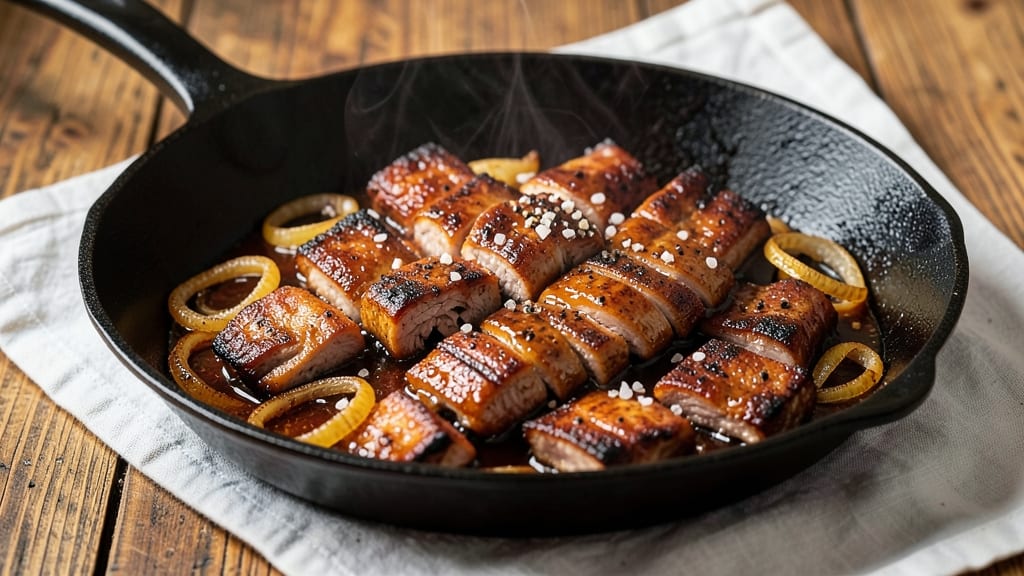
This boneless country-style pork ribs skillet recipe delivers restaurant-quality results with just one pan and 30 minutes of active time. I developed it after years of perfecting the balance between crispy edges and tender meat—no smoker required.
The secret lies in a high-heat sear followed by a slow braise, creating that signature smoky-sweet gloss that makes these ribs impossible to resist.
What sets this recipe apart is its simplicity: no fancy equipment, no complicated techniques. We start with pork shoulder ribs, seasoned with a blend of brown sugar, smoked paprika, and garlic powder for that classic Southern flavor profile.
The skillet method ensures maximum flavor concentration, with all those caramelized bits sticking to the meat instead of burning off.
By the time you're done, you'll have ribs with crispy, caramelized edges that shatter when you bite into them, while the inside remains juicy and tender. The sauce—just a touch of apple cider vinegar and honey—adds that signature tangy-sweet balance that defines country-style ribs.
Serve with mashed potatoes or cornbread to soak up every last drop of that flavorful pan sauce.
This is the kind of recipe that transforms a weeknight dinner into a comfort-food experience. The aroma alone will have everyone gathering around the table, and the leftovers? They're even better the next day. Let's get cooking—your taste buds will thank you.
Ingredients for boneless country style pork ribs skillet
Pork shoulder chunks, smoky spices, and a touch of sweetness—this skillet delivers crispy edges and tender meat in one pan.
| Ingredient | Amount | Notes |
|---|---|---|
| Boneless Pork Shoulder Ribs 🥓 | 2 lb | Cut into 2-inch chunks, trimmed |
| Brown Sugar 🍯 | ½ cup | Packed, light or dark |
| Smoked Paprika 🌶️ | 2 tbsp | High-quality for smoky depth |
| Garlic Powder 🧄 | 1 tbsp | Freshly ground preferred |
| Kosher Salt 🧂 | 1 ½ tbsp | Diamond Crystal preferred |
| Black Pepper 🌶️ | 1 tsp | Freshly cracked for heat |
| Apple Cider Vinegar 🍎 | 2 tbsp | For tangy brightness |
| Honey 🍯 | 2 tbsp | Wildflower preferred |
| Heavy Cream 🥛 | ¼ cup | Full-fat for richness |
| Yellow Onion 🧅 | 1 whole | Diced, yellow or red |
| Fresh Thyme Leaves 🌿 | ½ tsp | Or 0.25 tsp dried |
| Vegetable Oil 🫒 | 2 tbsp | High smoke point |
| Butter 🧈 | 2 tbsp | Unsalted, cubed |
The pork shoulder is your canvas here. Look for well-marbled cuts at the butcher counter—the fat renders beautifully, keeping the meat juicy. Costco or Whole Foods often have pre-cut ribs, but if buying whole, trim excess fat to avoid flare-ups. Smoked paprika is non-negotiable; Penzeys or McCormick work well, but avoid the generic supermarket brands—they taste like dust. For the brown sugar, light or dark makes no difference here, but pack it tightly when measuring. The ribs should be cut into even 2-inch chunks for consistent cooking.
No smoked paprika? Substitute with 1 tbsp regular paprika plus 0.5 tsp liquid smoke—it's not identical, but gets you close. Fresh thyme is ideal, but dried works at half the amount. Running out of honey? Maple syrup or agave will do in a pinch, though the flavor shifts slightly. The apple cider vinegar adds that signature tang—Bragg is my go-to, but any quality brand works. For the heavy cream, full-fat is essential—low-fat versions won't give the same velvety finish. And if you're avoiding butter, extra olive oil works, though the flavor will be lighter.
These ribs reheat beautifully—5 minutes in a skillet over medium heat restores that crispy edge. Store leftovers in the fridge for 4 days or freeze for 3 months. For meal prep, portion the sauce separately—it thickens when chilled. The ribs themselves? Wrap tightly in foil before freezing to prevent freezer burn. Double the batch—these disappear faster than you can say 'skillet magic.'
Why You'll Love This Recipe
- One-Pan Magic: I swear by this recipe because it’s literally one skillet, one flip, and done. No trays to wash, no mess, just that caramelized brown sugar crust clinging to tender ribs—while my kitchen stays cleaner than a Sunday morning.
- Sweet-Smoky Crunch: That brown sugar and smoked paprika combo? It’s the secret weapon. The ribs get this perfect balance of sticky-sweet with a hint of smoky heat that makes them disappear faster than my willpower on a lazy weekend.
- Leftovers That Don’t Suck: Between us, most rib leftovers are sad. Not these. The meat stays juicy, the flavors deepen overnight, and I’ve reheated them in foil packets or tossed them into tacos—no one’s complained (yet).
- Budget-Friendly Feast: Boneless pork shoulder ribs are cheaper than their bone-in cousins, and this recipe stretches them across meals. Feed four for dinner, then split the rest for sandwiches or salads—no guilt, just flavor.
Step-by-step instructions for boneless country style pork ribs skillet recipe
Let's create tender, caramelized pork ribs with a sweet-smoky glaze that'll impress anyone at your table.
Prepare and Season the Pork Ribs
Start by cutting the 2 lb boneless pork shoulder ribs into 2-inch chunks, trimming any excess fat. I like to use a sharp boning knife for this—it gives you clean cuts and prevents tearing. Pat the chunks dry with paper towels; this step is crucial for achieving that perfect crispy crust later.
In a large bowl, combine the 0.5 cup packed brown sugar, 2 tbsp smoked paprika, 1 tbsp garlic powder, 1.5 tbsp kosher salt, and 1 tsp black pepper. Mix well to create a uniform coating. Add the pork chunks and toss until every piece is evenly covered in the spice blend. Let them sit at room temperature for 15 minutes while you prep the rest of the ingredients—this helps the seasoning adhere better.
Sear the Ribs in a Hot Skillet
Heat a large cast-iron skillet over medium-high heat until it's smoking hot. Add 2 tbsp vegetable oil and swirl to coat the bottom evenly. Working in batches if needed (to avoid crowding), add the seasoned pork ribs and cook undisturbed for 3-4 minutes per side until they develop a deep golden-brown crust. This sear locks in the juices and builds incredible flavor.
Once the first batch is browned, transfer the ribs to a plate and set aside. Repeat with the remaining chunks, adding a bit more oil if needed. Don't skip this step—it's what gives these ribs their restaurant-quality texture and depth of flavor.
Build the Sweet-Smoky Glaze
Reduce the heat to medium and add the 2 tbsp butter to the same skillet. Let it melt completely, then add the 1 whole yellow onion (diced) and cook for 3-4 minutes until softened and slightly caramelized. Stir in the 0.5 tsp fresh thyme leaves and cook for another 30 seconds until fragrant.
Pour in the 2 tbsp apple cider vinegar and 2 tbsp honey, scraping up any browned bits from the bottom of the pan. Let the mixture simmer for 2-3 minutes until it thickens slightly and the liquid reduces by about half. This creates a glossy, tangy-sweet base for the ribs.
Finish with Cream and Thyme
Return the seared pork ribs to the skillet and pour in the 0.25 cup heavy cream. Stir gently to combine, then cover the skillet and let it simmer on low heat for 10-12 minutes. This slow cooking ensures the ribs become fork-tender while absorbing all that delicious glaze. Check occasionally and add a splash of water if the mixture seems too dry.
Once the ribs are tender (they should pull apart easily with a fork), taste and adjust seasoning if needed. The glaze should coat the ribs beautifully, with a perfect balance of sweet, smoky, and tangy flavors. Garnish with extra thyme leaves if you like, and serve immediately with crusty bread or roasted vegetables.
Pro Tips For Making Boneless Country Style Pork Ribs Skillet
- CRANK THE HEAT FIRST: I learned this the hard way—starting on medium means your ribs steam instead of sear. Get that skillet screaming hot (medium-high) for the first 2 minutes, then back off. That initial burst locks in flavor and keeps them from turning soggy when the sugar caramelizes.
- SALT THE RIBS BEFORE SEASONING: Skip the dry rub until after you’ve salted. Generously coat the ribs with kosher salt (about 1 teaspoon per pound) and let them sit uncovered for 15 minutes. This guarantees the seasoning sticks and the meat stays juicy—no more flaky, dry edges because you rushed the process.
- STIR THE BROWN SUGAR: Don’t just dump it in. Once the ribs hit the skillet, sprinkle the brown sugar over them and stir it into the pan’s drippings for the first 30 seconds. This melts the sugar faster, creates a glossy glaze, and prevents clumping—yes, even if it looks messy, it actually changes the outcome.
- LET THEM REST—NO EXCUSES: I know, I know, you’re starving. But tent those ribs with foil for 5 minutes after they come out of the pan. This lets the juices redistribute instead of pooling on your plate. Trust me, the first bite will make you forget you waited.
Essential equipment for perfect results
Cast-Iron Skillet
You absolutely need a 12-inch cast-iron skillet for this recipe—it’s my go-to for searing and braising. The Lodge Pre-Seasoned 12-Inch is my favorite; its heavy weight ensures even heat distribution, and the pre-seasoned coating means you can cook immediately without extra prep.
If you’re starting fresh, season your skillet with flaxseed oil and bake it at 450°F for 1 hour before using. Cast iron retains heat perfectly, creating that signature crispy crust on the ribs while keeping the inside tender. 🔥
Tongs and Meat Thermometer
Use heat-resistant silicone tongs (like OXO Good Grips) to handle the ribs—no forks! They prevent piercing the meat, which would release juices. A meat thermometer is non-negotiable for checking doneness.
I swear by the Thermoworks Smoke, but even a basic instant-read thermometer works. Aim for an internal temperature of 195°F—this ensures the ribs are fork-tender without being dry.
Sharp Boning Knife
A 6-inch boning knife (like Wüsthof Classic) is essential for cutting the pork shoulder into even 2-inch chunks. Uneven pieces cook at different rates, leading to some ribs being overdone while others stay tough. Invest in a quality knife—it makes prep faster and safer.
If you don’t have one, ask your butcher to trim and portion the ribs for you; many will do it for free if you buy the whole cut.
Mixing Bowl and Whisk
For the spice rub, grab a large mixing bowl (I use Le Creuset stoneware) and a whisk to evenly distribute the brown sugar, smoked paprika, and garlic powder. A whisk ensures no clumps form in the rub, which guarantees every rib chunk gets the same flavor punch.
Pro tip: Use a fine-mesh sieve to dust the ribs with excess spices after tossing—it adds an extra layer of flavor without making the rub too sticky.
Measuring Spoons and Scale
Precision matters with spices and liquids. A set of stainless steel measuring spoons (like OXO Good Grips) ensures accurate measurements for the smoked paprika, garlic powder, and black pepper.
For the pork ribs, a kitchen scale (I love the OXO Good Grips) helps portion the 2 lb evenly. If you’re eyeballing, you risk uneven cooking or over-seasoning. Trust me, the difference is noticeable!
Optional: Smoker or Oven
While this recipe is designed for a skillet, if you want extra smokiness, finish the ribs in a smoker or oven for 10-15 minutes at 375°F. For a smoker, use hickory or applewood chips—they add depth without overpowering the sweet glaze.
In an oven, place the skillet on a rack to allow heat to circulate evenly. This step is optional but takes the dish to the next level if you’re feeling ambitious. 🌟
Nutrition facts
Frequently asked questions
Can I use regular pork ribs instead of boneless country-style ribs?
Yes, but you'll need to make adjustments! Country-style ribs are cut from the pork shoulder with the bone removed but the meat left intact. If using regular pork ribs (like baby back or spare ribs), cut them into 2-inch chunks and trim excess fat. The cooking time may vary slightly—check for 195°F internal temp for perfect tenderness.
Why does my skillet sauce turn out too thin or too thick?
Sauce consistency depends on cooking time and liquid reduction. For a thicker glaze, simmer uncovered for 1-2 extra minutes to reduce the sauce. If it's too thin, remove the ribs and reduce the liquid over medium-high heat until it thickens. The heavy cream helps emulsify the sauce, so avoid adding extra liquid mid-cook.
Can I make this recipe in a nonstick skillet?
Technically yes, but cast iron is ideal for this recipe. Nonstick skillets may not get hot enough for that perfect sear, and the ribs won't develop the same crispy edges. If you must use nonstick, cook over medium-high heat and monitor closely to prevent sticking. For best results, stick with cast iron—it's worth the investment for this dish!
How do I reheat leftovers without drying them out?
Reheat leftovers in the same skillet over medium heat for 5-7 minutes, adding 1-2 tbsp water or broth to keep the sauce moist. Cover the skillet to trap steam and prevent drying. For extra crispiness, broil for 1-2 minutes at the end. Store leftovers in an airtight container for up to 4 days.
What’s the best way to serve these ribs?
These ribs shine with classic Southern sides like creamy mashed potatoes, buttery cornbread, or tangy coleslaw. For a hearty meal, add a simple green salad with a vinaigrette. The smoky-sweet glaze pairs perfectly with crusty bread to soak up every last bit of sauce. For a modern twist, serve with roasted sweet potatoes or a fresh herb salad.