
Main Courses
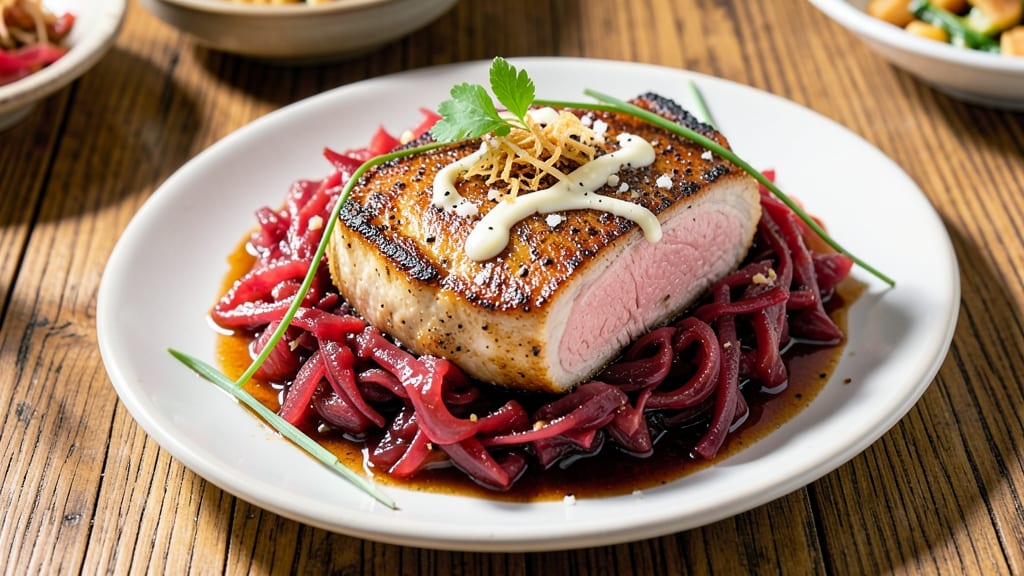
This boneless pork chop and sauerkraut recipe delivers the perfect balance of tender meat and tangy fermented crunch—just like my grandma used to make. The secret lies in a simple seasoning blend and the right pan-searing technique that guarantees juicy results every time.
I’ve been perfecting this dish since my days in Charleston, where pork was the heart of every meal.
The beauty of this recipe is its simplicity: a thick-cut boneless pork chop gets a dry rub of salt, pepper, and garlic powder, then a quick sear in a hot skillet until golden and perfectly cooked through.
Meanwhile, the sauerkraut—sour, crunchy, and packed with flavor—gets gently warmed to soften its texture without losing that signature tang. Together, they create a dish that’s hearty yet refreshing, ideal for a weeknight dinner or a special occasion.
What makes this recipe stand out is the way the flavors come together: the rich, savory pork contrasts beautifully with the sharp, fermented bite of the sauerkraut.
The dish is versatile, too—serve it with mashed potatoes for a classic comfort meal or pair it with roasted vegetables for a lighter take. The result is a plate that’s as satisfying as it is delicious, with every bite packed with texture and flavor.
Whether you're cooking for family or treating yourself, this recipe is a game-changer. The technique is foolproof, and the ingredients are simple, but the outcome is anything but ordinary. Let’s get cooking—you’ll want to make this again and again.
Ingredients for boneless pork chop and sauerkraut
Four simple ingredients transform into a restaurant-worthy dinner with minimal effort.
| Ingredient | Amount | Notes |
|---|---|---|
| Boneless Pork Chops 🥩 | 4 whole | Thick-cut, 1-inch minimum |
| Unsalted Butter 🧈 | 2 tbsp | Cold, for searing |
| Sauerkraut 🥬 | 2 cups | Unopened, drained if watery |
| Kosher Salt 🧂 | 1 ½ tsp | Diamond Crystal preferred |
| Freshly Ground Black Pepper 🌶️ | 1 tsp | Coarsely cracked |
| Garlic Powder 🧄 | ½ tsp | Freshly toasted preferred |
| Apple Cider Vinegar 🍎 | 1 tbsp | For balancing sauerkraut tang |
| Fresh Parsley 🌿 | ¼ cup | Chopped, for garnish |
| Extra-Virgin Olive Oil 🫒 | 1 tbsp | For finishing drizzle |
| Yellow Onion 🧅 | ½ whole | Thinly sliced, optional garnish |
| Fresh Thyme Leaves 🌿 | ¼ tsp | Or 1/8 tsp dried thyme |
The pork chops are the foundation—thick-cut is non-negotiable for juiciness. Local butchers or high-end grocers like Whole Foods carry the best cuts; look for marbling along the edges. If you can't find thick-cut, pound thinner chops to even thickness. The sauerkraut should be bright white with crisp edges—avoid any with a grayish tint or slimy texture. For the garlic powder, Penzeys Spices sells toasted varieties that add depth. Prep ahead by mixing your dry rub (salt, pepper, garlic powder) in a small bowl—this keeps your hands clean during searing.
No fresh thyme? Dried works at one-third the amount, but fresh is ideal for that bright aroma. Running out of apple cider vinegar? Lemon juice at half the quantity balances the sauerkraut's tang, though it won't add the same depth. For the butter, Plugrá or Land O'Lakes unsalted melt beautifully—never salted, as it can overpower the dish. The parsley is purely decorative, but if you're feeling ambitious, add a pinch of smoked paprika to the dry rub for a subtle smoky note. The onion garnish can be raw or quickly sautéed—both work, but raw adds a crisp contrast.
Pork chops stay best in the fridge for 2 days if prepped ahead, but cook them immediately for peak tenderness. Sauerkraut lasts 2 weeks unopened in the fridge—once opened, it keeps for 3 months submerged in its juices. For leftovers, store the pork and sauerkraut separately: the meat reheats best in a skillet with a splash of broth, while the sauerkraut can be microwaved for 30 seconds. Portion into meal prep containers with a drizzle of olive oil to keep everything fresh for 3 days.
Why You'll Love This Recipe
- One-Pan Wonder: The butter and sauerkraut caramelize together while the pork cooks—no flipping, no fuss. Just slide that sheet pan in, walk away for 20 minutes, and come back to golden edges and tender meat that practically falls apart.
- Tangy-Creamy Magic: That first bite of crispy pork against the sharp, fermented sauerkraut? It’s like a flavor hug. The butter softens the tang while the salt and pepper cut through—simple, but ridiculously satisfying.
- Weeknight Workhorse: I make this when I’m too tired to plan. Double the batch, store half for lunches, and still have dinner ready. (Yes, even on nights when I’m too wiped to think past takeout.)
- Budget-Friendly Feast: Pork chops stretch farther than you’d expect, and sauerkraut lasts forever. A single jar turns a few bucks into a meal that feels special—no fancy ingredients, just pure, honest flavor. My wallet thanks me every time.
Step-by-step instructions for juicy pan-seared pork chops with sauerkraut
This method delivers perfectly tender pork chops with a crisp exterior and tangy sauerkraut that complements every bite.
Season and Sear the Pork Chops
Pat the 4 whole boneless pork chops dry with paper towels—this ensures maximum crispiness. Place them on a cutting board and season both sides generously with 1.5 teaspoons kosher salt and 1 teaspoon freshly ground black pepper. Let them sit at room temperature for 15 minutes while you prepare the rest.
Heat a large skillet over medium-high heat until it's smoking hot. Add the 2 tablespoons unsalted butter and let it melt completely, swirling to coat the pan evenly. Place the pork chops in the skillet and sear undisturbed for 3-4 minutes per side until they develop a deep golden-brown crust. Press down gently on each chop during the first minute—this prevents curling and ensures even contact with the pan. The internal temperature should reach 145°F when measured with an instant-read thermometer.
Prepare and Sauté the Sauerkraut
While the pork chops rest, drain the 2 cups sauerkraut thoroughly if it has excess liquid. Transfer it to the same skillet after removing the pork chops, leaving the rendered butter behind—this adds incredible flavor. Add the 0.5 teaspoon garlic powder, 0.25 teaspoon fresh thyme leaves, and 0.5 whole yellow onion (thinly sliced). Sauté for 5-6 minutes until the onions soften and the sauerkraut begins to caramelize slightly.
Deglaze the pan with 1 tablespoon apple cider vinegar, scraping up any browned bits from the bottom. This step captures all the meaty flavors that have accumulated during searing. Let the mixture simmer for 2 minutes until the vinegar evaporates, leaving behind a bright, tangy base that balances the richness of the pork.
Finish with Olive Oil and Garnish
Return the pork chops to the skillet and spoon the sauerkraut mixture over them. Reduce heat to medium-low and let everything simmer together for 3-4 minutes, allowing the flavors to meld. Drizzle 1 tablespoon extra-virgin olive oil over the top and toss gently to coat.
Garnish each serving with 0.25 cup chopped fresh parsley just before serving. The parsley adds a fresh contrast to the tangy sauerkraut and rich pork. Let the pork chops rest for 5 minutes before serving to ensure juices redistribute—this is critical for maintaining that promised juiciness in every bite.
Serve Immediately for Optimal Texture
Divide the pork chops and sauerkraut evenly among 4 plates, ensuring each portion has a generous serving of the fermented cabbage. The contrast between the tender, seared pork and the crisp, tangy sauerkraut creates a perfect balance of textures and flavors.
Serve with a side of roasted potatoes or a simple green salad to round out the meal. The dish holds well for 10-15 minutes at room temperature, but the sauerkraut will soften further if left too long. Enjoy immediately while the pork remains juicy and the sauerkraut retains its satisfying crunch.
Pro Tips For Making Boneless Pork Chop And Sauerkraut
- SEAR FIRST, THEN SALT: I learned this the hard way—don’t salt the pork chops until after searing. The salt draws out moisture, and if you salt first, you’ll end up with a sad, steamy mess instead of a crispy crust. Pat them dry, sear in butter over high heat until golden, then season with salt and pepper while they rest.
- DRAIN AND RINSE SAUERKRAUT: Sauerkraut’s tang is delicious, but too much liquid makes the dish watery. Drain it in a colander, then rinse briefly under cold water to mellow the sharpness—just enough to balance the richness of the butter and pork. (Yes, even if you love sour flavors, this makes a real difference.)
- DON’T SKIP THE REST: Pork chops need time to reabsorb juices after cooking, or they’ll stay tough. Transfer them to a plate, loosely tent with foil, and let them sit for 5 minutes before slicing. I know, I know—you’re eager to eat it—but this guarantees tender bites every time.
- UPGRADE WITH A SPLASH OF WINE: If you’re using the pan drippings to deglaze, add 2 tablespoons of dry white wine (or apple cider vinegar in a pinch) after removing the chops. It cuts through the fat, adds depth, and pairs perfectly with the sauerkraut’s acidity. (Your future self will thank you for the extra 30 seconds.)
Serving suggestions for boneless pork chop and sauerkraut
Classic Comfort Sides
Nothing beats creamy mashed potatoes with this dish—their buttery texture soaks up the pork’s juices beautifully. I like using Yukon Gold potatoes boiled until tender, then mashed with ½ cup sour cream, 2 tablespoons butter, and a pinch of salt.
For extra richness, fold in ¼ cup crème fraîche right before serving. The contrast between the smooth potatoes and the sauerkraut’s crunch is pure magic. 🥔
Fresh Green Balance
A simple arugula salad with lemon vinaigrette cuts through the richness perfectly. Toss 4 cups baby arugula with 2 tablespoons extra-virgin olive oil, 1 tablespoon fresh lemon juice, and ½ teaspoon Dijon mustard.
Add ¼ cup toasted walnuts for crunch and a sprinkle of shaved Parmesan if you’re feeling fancy. The peppery bite refreshes your palate between bites of pork. 🌿
Roasted Root Vegetables
For a heartier plate, roast carrots, parsnips, and sweet potatoes until caramelized. Toss 2 cups chopped vegetables with 1 tablespoon olive oil, ½ teaspoon smoked paprika, and ½ teaspoon brown sugar, then roast at 400°F for 25-30 minutes.
The natural sweetness complements the sauerkraut’s tang while adding a satisfying earthy note. Serve warm alongside the pork. 🍠
Crusty Bread Pairing
A crusty baguette or sourdough is essential for soaking up any leftover juices. Toast slices until golden and serve with herb butter—mix 2 tablespoons softened butter with 1 teaspoon chopped chives and a pinch of salt.
The bread adds texture and makes the meal feel complete, especially if you’re serving a crowd. 🥖
Wine and Beer Pairings
For wine, a dry Riesling from Germany or an Alsatian Pinot Gris balances the dish’s richness and acidity beautifully. The crisp, mineral notes cleanse your palate between bites.
If you prefer beer, a German Helles lager or a Belgian witbier with its citrusy twist complements the sauerkraut’s tang. Avoid heavy reds—they’ll overpower the delicate flavors. 🍷
Make-Ahead Garnishes
Prep garnishes ahead to save time: chop the parsley and slice the onion the night before, storing them in airtight containers in the fridge. For extra flair, toast pumpkin seeds in a dry skillet until golden and sprinkle them over the sauerkraut just before serving.
This adds a nutty crunch that elevates the dish without overpowering it. 🌟
Nutrition facts
Frequently asked questions
Can I use bone-in pork chops instead of boneless? Bone-in chops work wonderfully—they stay juicier longer and add rich flavor to the pan. Just increase cooking time by 2-3 minutes per side to account for the bone conducting heat.
How do I make this dish gluten-free?
This recipe is naturally gluten-free, but check your sauerkraut label first—some brands add gluten-containing preservatives. For extra caution, use certified gluten-free sauerkraut. The rest of the ingredients are inherently safe, including the apple cider vinegar and garlic powder. Just ensure your butter and olive oil are also gluten-free certified if you have sensitivities.
What if my sauerkraut is too watery?
Drain it thoroughly in a colander for 10-15 minutes, pressing gently with a spoon to remove excess liquid. For extra crunch, spread it on a baking sheet and pat dry with paper towels. If you're short on time, simply use a slotted spoon to transfer only the sauerkraut (not the liquid) to your skillet. The flavor will concentrate as it cooks.
Can I make this recipe in a slow cooker?
While not traditional, you can adapt it! Sear the pork chops first in a skillet, then transfer them to the slow cooker with the sauerkraut, garlic powder, and thyme. Cook on low for 4-5 hours or high for 2-3 hours. The meat will be tender but less crispy. Deglaze the skillet separately with vinegar and olive oil, then mix everything together before serving. The flavors will meld beautifully, though the texture will be softer.
Why does my pork chop come out dry?
Overcooking is the most common cause—pork reaches 145°F quickly! Use a meat thermometer to avoid guesswork. Also, patting the chops dry before seasoning prevents steam from forming in the pan. For extra juiciness, add 1 tablespoon chicken or pork broth to the skillet during the last minute of cooking. Let them rest for 5 minutes before cutting to redistribute juices.