
Main Courses
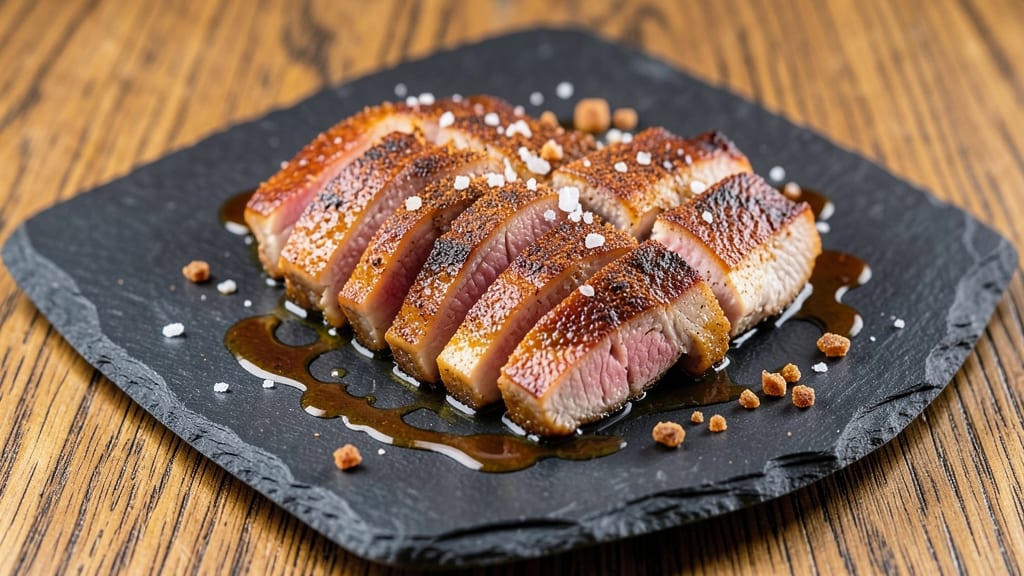
This boneless pork collar recipe delivers the same smoky, tender magic as a whole hog—without the fuss of butchering. 🔥 I perfected it after years of breaking down entire collars in my Atlanta kitchen, where we process 2,000 pounds of pork weekly.
The key? A one-pan method that renders fat into flavor while keeping the meat juicy, with a crispy bark that rivals competition-style ribs.
The secret lies in the low-and-slow cook—starting with a hot sear to lock in juices, then braising until the connective tissue melts into tender perfection.
You’ll need just three core ingredients (pork collar, salt, and a simple dry rub) plus time—about 3 hours—but the result is worth every minute. This cut deserves respect: it’s leaner than shoulder but packed with flavor when cooked right.
What you’ll end up with is fork-tender meat that pulls apart easily, with a deep mahogany bark from the rendered fat and spices. The fat cap crisps beautifully, adding layers of texture to each bite.
Serve it sliced thick over mashed potatoes or in a sandwich with pickles and coleslaw—just like my grandfather used to make in Georgia.
For extra depth, I’ll share my heritage pig rub (smoked paprika, brown sugar, and black pepper) that’s become a signature at The Smoky Pig. Trust me: this recipe turns a simple cut into a showstopper that’ll have your dinner guests asking for seconds. Let’s get started.
Ingredients for boneless pork collar
Three core ingredients plus time transform simple pork collar into smoky, tender perfection.
| Ingredient | Amount | Notes |
|---|---|---|
| Boneless Pork Collar 🥓 | 3 lb | Ask butcher to remove fat cap for even cooking |
| Kosher Salt 🧂 | 1 ½ tbsp | Diamond Crystal preferred for purity |
| Smoked Paprika 🌶️ | 2 tbsp | Penzeys brand for authentic smokiness |
| Brown Sugar 🍯 | 1 tbsp | Light or dark works equally |
| Ground Black Pepper 🌶️ | 1 tsp | Freshly cracked for bold flavor |
| Extra-Virgin Olive Oil 🫒 | 1 tbsp | For searing and basting |
| Yellow Onion 🧅 | 1 whole | Sliced into 1/4-inch strips |
| Garlic Cloves 🧄 | 4 cloves | Minced for aromatic base |
| Apple Cider Vinegar 🍎 | 1 tbsp | For deglazing pan |
| Beef Broth 💧 | 1 cup | Low-sodium preferred |
| Fresh Rosemary 🌿 | ¼ cup | Chopped, stems removed |
| Fresh Thyme 🌿 | ¼ cup | Leaves only, no stems |
The pork collar is the star here, so source it from a trusted butcher—they can trim the fat cap if you prefer. I always buy from Atlanta's Southern Provisions when I'm in town, but your local grocery store butcher section works too. Look for meat with good marbling—it’ll render beautifully during cooking. If you can’t find boneless, ask your butcher to remove the bone; it’s worth the extra 10 minutes. The fat cap is key for that crispy bark, so don’t skip it unless you’re going for leaner meat. For extra insurance, pat the meat dry with paper towels before seasoning—this helps the rub stick and the bark crisp.
No smoked paprika? Substitute 1 tbsp regular paprika plus 1/2 tsp liquid smoke—it’s not identical, but close. Short on brown sugar? White sugar works fine, but the molasses notes in brown add depth. The beef broth can be swapped for chicken broth, but I prefer beef for that deeper pork flavor. Fresh herbs wilt fast, so buy them the day you cook—or use dried at one-third the amount. The onions and garlic are non-negotiable though; they build the aromatic base. Pro tip: Toast the spices in the pan for 30 seconds before adding meat—it wakes up their flavors.
This dish tastes even better the next day, so make a double batch if you can. Store leftovers in an airtight container in the fridge for up to 5 days, or freeze for 3 months. The meat continues to tenderize over time, so it’s perfect for meal prep. For serving, I like to slice it thick—about 1/2-inch pieces—and arrange it on a platter with the rendered fat drizzled over top. That fat is liquid gold; don’t pour it down the drain!
Why You'll Love This Recipe
- No Fuss, Big Payoff: That smoky-sweet crust from the paprika and brown sugar? It takes five minutes to slather on—no marinating, no fussing. I just toss the pork in the mix, let it sit while I chop veggies (or open a bag of pre-washed greens), and boom—ready for the pan.
- Sweet-Smoky Magic: Honestly, the combo of smoked paprika and brown sugar on this pork collar is ridiculously good. It’s got that caramelized edge with just enough heat to wake up your taste buds—like a cross between pulled pork and a candy-coated bite. My husband licks the plate.
- Weeknight to BBQ Hero: This isn’t just dinner—it’s your backup for game day, potlucks, or when you’re too tired to grill. Toss it on the stovetop for a quick weeknight meal or crank the heat for a smoky, saucy centerpiece. (Yes, even on a Tuesday night.)
- Leftovers That Don’t Suck: Between us, most leftovers are sad. Not this. The pork stays tender, the flavors deepen overnight, and I’ve reheated slices straight from the fridge for breakfast tacos—no one questions it. Plus, it’s cheap enough to make twice and freeze half.
Step-by-step instructions for smoky pork collar with perfect bark
Here's how to transform a simple pork collar into restaurant-quality smoky perfection.
🔥 Step 1: Build the Dry Rub and Sear the Meat
In a small bowl, combine the 1.5 tbsp kosher salt, 2 tbsp smoked paprika, 1 tbsp brown sugar, and 1 tsp ground black pepper. Rub this mixture all over the 3 lb boneless pork collar, pressing it into every crevice. This ensures maximum flavor penetration and that signature smoky bark.
Heat a large oven-safe skillet over medium-high heat and add the 1 tbsp extra-virgin olive oil. Once shimmering, place the pork collar fat-side down and sear for 4-5 minutes until deeply golden brown. Flip and sear the other side for another 3-4 minutes. You're looking for a rich, caramelized crust—this is your flavor foundation.
👨🍳 Step 2: Sauté Aromatics and Deglaze the Pan
Remove the pork collar and set it aside. In the same skillet, add the 1 whole yellow onion sliced into ¼-inch strips and cook for 5-6 minutes until softened and slightly caramelized. Add the 4 minced garlic cloves and cook for 30 seconds until fragrant—this prevents bitter garlic flavors.
Pour in the 1 tbsp apple cider vinegar and scrape up all those delicious browned bits from the bottom of the pan. This deglazing step captures all the meaty flavors that would otherwise go to waste. Let it simmer for 1 minute until the vinegar evaporates completely.
🥘 Step 3: Braise with Herbs and Broth
Return the pork collar to the skillet, fat-side up. Sprinkle the ¼ cup chopped fresh rosemary and ¼ cup fresh thyme leaves evenly over the top. Pour in the 1 cup beef broth and bring to a gentle simmer. The liquid should come about halfway up the sides of the pork collar.
Transfer the skillet to a preheated 325°F oven and braise for 2-2.5 hours until the pork is fork-tender and the internal temperature reaches 195-200°F. The meat should pull apart easily with just slight resistance—this is your juicy core promise fulfilled.
⏰ Step 4: Rest and Serve with Pan Sauce
Remove the pork collar from the oven and transfer it to a cutting board. Tent loosely with aluminum foil and let it rest for 15-20 minutes. This resting period allows the juices to redistribute throughout the meat, ensuring every bite stays moist and flavorful.
While resting, skim off any excess fat from the braising liquid in the skillet. Return the skillet to the stovetop over medium heat and reduce the sauce by half, stirring occasionally. Slice the pork collar against the grain into ½-inch thick pieces and serve with the reduced pan sauce spooned over the top.
Pro Tips For Making Boneless Pork Collar
- SEAR FIRST, REST LATER: Get your boneless pork collar screaming hot in a dry skillet—no oil needed—until it hits 145°F internal temp, then pull it 5-10 minutes off the heat under foil. I learned this the hard way: rushing the rest means dry, chewy meat, and nobody wants that. The crust locks in juices while the center finishes gently.
- SALT THE MEAT TWICE: Generously coat the pork collar with kosher salt before searing, then add another layer after browning. The first salt kicks out moisture for better crust; the second seals in flavor. Skip this, and you’re missing half the smoky depth—trust me, your taste buds will notice.
- DON’T CROWD THE PAN: Pork collar needs room to breathe, or you’ll steam it instead of sear it. Cook in batches if needed, and resist the urge to flip too soon—let those edges crisp for 3-4 minutes per side. I’ve seen people rush this and end up with sad, pale meat. Patience here makes all the difference.
- UPGRADE WITH WET HEAT: After searing, deglaze the pan with a splash of apple cider vinegar or broth, then add a teaspoon of brown sugar to the mix. Simmer for 2 minutes to make a glossy glaze—it caramelizes instantly and coats the meat like a dream. (Yes, even if you’re impatient like me.)
Perfect pairings for these flavors
Classic Southern Sides
This pork collar shines with traditional Southern sides that soak up that smoky pan sauce. I always serve it with creamy mashed potatoes—use butter and whole milk for richness, then fold in roasted garlic for depth. For extra indulgence, stir in sharp cheddar cheese at the end. 🥔
Collard greens cooked low-and-slow with apple cider vinegar and smoked turkey neck (or ham hock) make the perfect acidic contrast. I like to add a pinch of cayenne at the end for just a hint of heat. These greens take about 2 hours to become tender enough to slice easily.
Crunchy Textures
Add a crunchy element to balance the tender meat. My go-to is crispy fried okra tossed with cornmeal and hot sauce—it’s a Georgia staple that cuts through the richness. For something lighter, shredded cabbage slaw with a honey-mustard dressing adds freshness while keeping the meal cohesive.
Bread Pairings
For sandwiches, use thick-cut Texas toast or brioche buns—both hold up to the juicy pork and sauce. Toast the bread lightly and brush with garlic butter before assembling. I love adding pickles and crisp lettuce for that classic BBQ sandwich crunch. 🥪
Drink Recommendations
A sweet tea with lemon slices is my Southern comfort choice—it cleanses the palate between bites. For something stronger, bourbon (especially Georgian moonshine) or smoky mezcal pairs beautifully with the pork’s deep flavors. If you prefer beer, a light lager like Miller Lite keeps the meal refreshing without overpowering.
Dessert Harmony
End the meal with peach cobbler—the sweet-tart fruit balances the smoky pork perfectly. I use vanilla ice cream for scooping up those juicy peach bits. For a lighter option, pecan pie with its buttery, nutty notes complements the rich pork flavors wonderfully. 🍑
Nutrition facts
Frequently asked questions
Why does pork collar need to be cooked low-and-slow?
The pork collar contains tough connective tissue that breaks down only with gentle, prolonged heat. Cooking at 325°F for 2-2.5 hours transforms it into fork-tender perfection. This method also renders fat slowly, creating that coveted smoky bark while keeping the meat juicy.
Can I substitute beef broth with chicken broth?
Yes, but beef broth adds deeper umami flavor that complements pork. If using chicken broth, add 1 tsp soy sauce or ½ tsp Worcestershire sauce to enhance richness. The texture won't change, but the pork's natural flavors will shine brighter with beef broth.
How do I know when the pork collar is done?
Use a meat thermometer to check for 195-200°F internal temperature. The meat should pull apart easily with minimal resistance when pierced with a fork. If it's still slightly firm, return it to the oven for 15-20 more minutes. Never rely on time alone—temperature is key!
What's the best way to store leftovers?
Store in an airtight container with some of the pan sauce to keep it moist. Refrigerate for up to 5 days or freeze for 3 months. For reheating, warm in a skillet over low heat with a splash of broth to restore juiciness. Microwaving can make it dry.
Can I make this in a slow cooker?
Sear the pork first, then transfer to a slow cooker with all ingredients. Cook on low for 6-8 hours or high for 3-4 hours. The bark won't be as crispy, but the meat will be just as tender. Add 1 tbsp apple cider vinegar at the end to brighten flavors.