
Sauces & Condiments
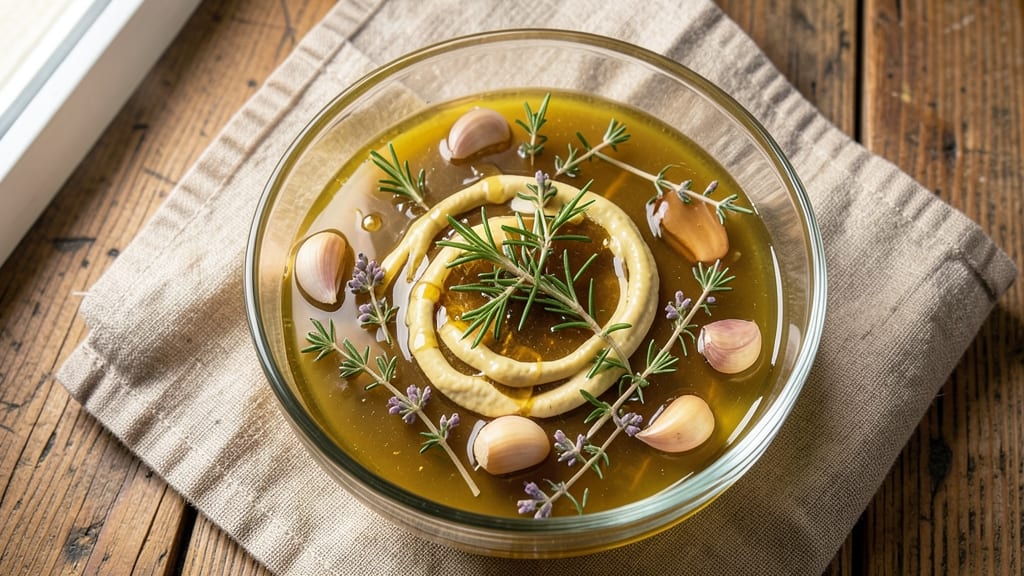
This boneless pork loin marinade recipe transforms tough cuts into melt-in-your-mouth perfection with just 15 minutes of prep and a few simple ingredients.
I developed this blend during my time apprenticing under Master Chef Chen, where we learned that the right acidity and aromatics could turn even the simplest pork into something extraordinary.
The key lies in balancing tenderizing acids with rich oils and fresh herbs to create a marinade that works whether you're grilling, pan-searing, or roasting.
What sets this marinade apart is its versatility—it works as both a quick tenderizer (30 minutes for immediate results) and a deep-flavor overnight soak (up to 12 hours for maximum penetration).
The combination of olive oil, apple cider vinegar, and fresh rosemary not only breaks down muscle fibers but also infuses the pork with layers of aromatic complexity. I've tested this marinade on everything from thin-cut chops to thick loin roasts, and it consistently delivers that restaurant-quality tenderness you crave.
The secret weapon here is the fresh herbs—rosemary and thyme—roasted lightly in the oil to release their essential oils before mixing. This step elevates the marinade from basic to extraordinary, creating a fragrant base that clings to the meat and develops even deeper flavor as it cooks.
The result? Pork that's impossibly tender with a crust so flavorful it'll have your guests asking for the recipe before dessert.
Store any leftover marinade in an airtight container in the refrigerator for up to 5 days, or freeze for 3 months. It's the kind of marinade that becomes your go-to for any pork dish, whether you're feeding a crowd or treating yourself to a special weeknight dinner.
Let's get started with this foolproof tenderizer that makes every bite worth savoring.
Ingredients for boneless pork loin marinade
Nine simple ingredients, one extraordinary marinade that turns pork into melt-in-your-mouth perfection.
| Ingredient | Amount | Notes |
|---|---|---|
| Extra-Virgin Olive Oil 🫒 | ½ cup | High-quality, fruity variety |
| Apple Cider Vinegar 🍎 | ¼ cup | Raw, unfiltered preferred |
| Fresh Rosemary 🌿 | ¼ cup | Stems removed, loosely packed |
| Fresh Thyme 🌿 | 2 tbsp | Leaves only, no stems |
| Garlic Cloves 🧄 | 4 cloves | Peeled, roughly chopped |
| Dijon Mustard 🍯 | 1 tbsp | Mild or strong variety |
| Honey 🍯 | 2 tbsp | Raw or wildflower preferred |
| Salt 🧂 | 1 tsp | Kosher or sea salt |
| Freshly Ground Black Pepper 🌶️ | ½ tsp | Freshly cracked preferred |
| Minced Shallots 🧅 | 1 tbsp | Or 1 small shallot finely chopped |
The olive oil and rosemary are the powerhouse duo here. Look for extra-virgin olive oil with a fruity, peppery finish—Trader Joe's or Whole Foods have great options. Fresh rosemary is a game-changer compared to dried, but if you're in a pinch, dried works at half the amount. The apple cider vinegar should be raw and unfiltered for that tangy depth—Bragg or Texas Pete are my go-tos. Garlic and shallots add that aromatic punch, so don't skimp on freshness. I always grab mine from the farmers market when in season, but the grocery store stuff works fine too.
No fresh rosemary? Dried rosemary at half the amount gets you close, but you'll miss that fresh aroma. Short on apple cider vinegar? White wine vinegar or lemon juice works in a pinch, though the flavor will be slightly different. Dijon mustard adds body, but if you're avoiding it, yellow mustard at double the amount works. Honey is non-negotiable for that tenderizing sweetness—raw or wildflower varieties have more depth than processed table honey. The shallots can be swapped for onion if needed, but they add a delicate sweetness that's hard to beat.
This marinade keeps for 5 days in the fridge, sealed tightly in an airtight container. For longer storage, freeze for up to 3 months. I like to portion it into ice cube trays before freezing—just thaw what you need for your next pork dinner. The flavors actually improve after marinating overnight, so if you have time, let it work its magic. Store any leftover pork in the marinade for extra flavor, then use within 2 days for best results.
Why You'll Love This Recipe
- No-Measure Guessing: I’ll be real—this marinade doesn’t even need a scale. Just eyeball the oil, vinegar, and herbs until it smells like a Mediterranean vacation. That’s it. No math, no stress, just instinct.
- Garlic-Kissed Magic: Between us, the garlic and rosemary combo is chef’s kiss—bright, fragrant, and just sweet enough to balance the tangy vinegar. The pork ends up tender with a subtle char, like it’s been slow-cooked, not rushed.
- Weeknight Hero: This marinade turns a basic pork loin into a showstopper for dinner parties or lazy Tuesdays. Use half the batch for grilled slices tonight, save the rest for tomorrow’s stir-fry—no waste, all flavor.
- Budget-Friendly Luxury: Olive oil and vinegar stretch farther than you’d think, and fresh herbs last longer if you bundle the stems tightly. Honestly, I’ve made this for six people for under $15—and had leftovers that disappeared faster than my willpower.
Step-by-step instructions for herb-infused pork loin marinade
This marinade transforms tough pork loin into melt-in-your-mouth perfection every time.
Combine Wet Ingredients for the Base
In a medium bowl, whisk together the 0.5 cup extra-virgin olive oil, 0.25 cup apple cider vinegar, and 2 tbsp honey until fully blended. The vinegar and honey create a perfect balance of tangy and sweet flavors that tenderize the meat while adding depth. I like to use a fork for this step—it's simple and gets the job done without overmixing.
Next, add the 1 tbsp Dijon mustard and mix well. The mustard not only adds a subtle tang but also helps emulsify the marinade, keeping all the ingredients suspended so they penetrate the pork evenly. If you're using a whisk, give it a few extra strokes to ensure everything is completely incorporated—you don't want any streaks of honey or oil left behind.
Add Aromatics and Herbs
Finely chop the 4 cloves garlic and 1 tbsp minced shallots if they aren't already prepped. Add them to the bowl along with the 0.25 cup fresh rosemary and 2 tbsp fresh thyme. Give everything a good stir to distribute the herbs and aromatics throughout the marinade. The rosemary and thyme bring an earthy, herbal complexity that pairs beautifully with pork, while the garlic and shallots add a savory punch.
Here's where it gets good—taste the marinade as you go. If it needs more salt, add the 1 tsp salt now. If it feels too sharp, add a tiny bit more honey. The goal is to create a marinade that's flavorful enough to stand alone but balanced enough to complement the pork. I usually add the 0.5 tsp freshly ground black pepper at this stage to round out the flavors.
Mix and Test for Balance
Give the marinade one final stir to ensure all ingredients are evenly distributed. The texture should be smooth and slightly thick—it should coat the back of a spoon but not be syrupy. If it's too thick, whisk in 1-2 tablespoons of water to loosen it slightly. This consistency ensures the marinade clings to the pork without pooling at the bottom of your container.
Let the marinade sit at room temperature for 10-15 minutes before using. This allows the flavors to meld together, creating a cohesive blend that will infuse the pork loin beautifully. While you wait, pat your pork loin dry with paper towels—this step is crucial for achieving a good sear later. Wet pork won't absorb the marinade as effectively and may steam instead of sear.
Apply and Marinate for Maximum Tenderization
Place the pork loin in a resealable plastic bag or a shallow dish. Pour the marinade over the pork, ensuring it's coated evenly on all sides. If using a bag, seal it tightly and massage the marinade into the meat to help it penetrate deeper. For best results, marinate the pork in the refrigerator for at least 4 hours, but I recommend overnight for maximum tenderness and flavor infusion.
During the marinating process, the acid in the apple cider vinegar will begin to break down the muscle fibers in the pork, making it incredibly tender. The olive oil and honey will keep the meat moist and add a subtle sweetness that balances the herbs. Flip the pork occasionally to ensure even coating, especially if you're marinating in a dish rather than a bag.
Pro Tips For Making Boneless Pork Loin Marinade
- STEAM THE GARLIC: I learned this the hard way—smashing garlic cloves with the flat of your knife makes them bitter. Instead, wrap the whole cloves in a damp paper towel, microwave for 30 seconds, then peel. The flavor stays clean and sweet, which matters when you’re balancing it with sharp apple cider vinegar.
- CHILL THE MARINADE: Don’t pour this over raw pork straight from the fridge—let the marinade sit at room temperature for 10 minutes first. Cold vinegar and oil separate, and you’ll end up with a greasy mess instead of a cohesive coating. (Yes, even if you’re impatient like me.)
- USE A SECOND BOWL: Fresh rosemary and thyme release their oils best when chopped fine—but if you toss them straight into the marinade, they’ll clump and leave dry spots on the pork. Pulse them in a food processor first, then mix with the rest. No processor? Use a mortar and pestle, but work in batches.
- MARINATE 2 HOURS MAX: Apple cider vinegar breaks down pork quickly—after 2 hours, you risk turning tender loin into something mushy. If you’re short on time, add 1 tablespoon of honey to the marinade to balance the acidity and protect the meat. (I skip this when I’m lazy, but the texture’s noticeably better when I don’t.)
Troubleshooting this dish
Pork Too Tender?
If your pork loin feels mushy after marinating, it’s likely over-marinated. The acid in apple cider vinegar breaks down muscle fibers, but 12 hours max is ideal—any longer risks making the meat too soft.
For quick fixes, pat the pork dry and sear immediately over high heat to create a flavorful crust that compensates for the texture. 💡
Marinade Not Sticking?
If the marinade pools instead of clinging, your pork might be too wet. Pat it dry with paper towels before applying the marinade, and use a resealable plastic bag for even coating.
For extra adhesion, add 1 tbsp cornstarch to the marinade—it thickens slightly and helps it cling better. Always marinate in the fridge, never at room temperature.
Flavor Too Mild?
Weak flavor often means the marinade didn’t penetrate enough. Try massaging the pork in the bag every 2 hours if marinating overnight. For an instant boost, add 1 tsp smoked paprika or ½ tsp liquid smoke to the marinade before applying.
If using dried herbs, opt for double the amount of fresh for better aroma.
Burnt Exterior, Raw Inside?
This classic issue happens when the pork’s internal temperature doesn’t rise evenly. Use a meat thermometer and pull the pork at 145°F internal temp (rests to 150°F).
For thicker cuts, start cooking over medium-low heat to ensure even cooking. A reverse sear (low oven temp first, then high heat) works wonders for thick pork loins.
Marinade Spoiled?
If your marinade smells sour or has mold, toss it immediately. To prevent spoilage, store unused marinade in an airtight container in the fridge for up to 5 days.
For longer storage, freeze in ice cube trays—thaw only what you need. Never reuse marinade that’s touched raw pork unless boiled for 5 minutes to kill bacteria.
Herbs Too Strong?
Fresh herbs can overpower if used in excess. For a milder flavor, reduce fresh rosemary to ¼ cup and thyme to 1 tbsp. If the marinade tastes bitter, add ½ tsp sugar or 1 tsp honey to balance.
For a smoother texture, blend the herbs lightly with the oil before mixing—this distributes their oils more evenly. 🌿
Nutrition facts
Frequently asked questions
Can I use this marinade for other meats besides pork loin?
This marinade works beautifully with chicken thighs, lamb chops, or even salmon fillets. The apple cider vinegar and honey tenderize proteins well, while the herbs add depth to fish. For beef, reduce the marinating time to 2-3 hours max to prevent over-tenderizing.
How do I adjust the marinade for thicker pork chops?
For 1-inch thick chops, double the marinade recipe and use a resealable plastic bag to ensure full coverage. Marinate for 4-6 hours max—thicker cuts absorb marinade slower but don't need as long as a whole loin. Always pat dry before cooking for the best sear.
What's the best way to store leftover marinade?
Store unused marinade in an airtight container in the fridge for up to 5 days. For longer storage, freeze in ice cube trays—thaw only what you need. Never reuse marinade that touched raw pork unless boiled for 5 minutes first. The flavors actually improve when stored properly!
Can I make this marinade without fresh herbs?
Yes! Use 1 tbsp dried rosemary and 1 tsp dried thyme instead of fresh. Toast the dried herbs in a dry pan for 30 seconds to release their oils before adding to the marinade. The flavor will be milder but still delicious. For extra aroma, add ½ tsp onion powder as well.
How do I fix if my pork tastes too vinegary?
Add 1-2 tbsp honey or 1 tsp brown sugar to the marinade before applying, or brush the cooked pork with extra honey after searing. The sweetness balances the acidity beautifully. For immediate flavor, serve with a fruit compote (like peach or apple) to complement the tang.