
Main Courses
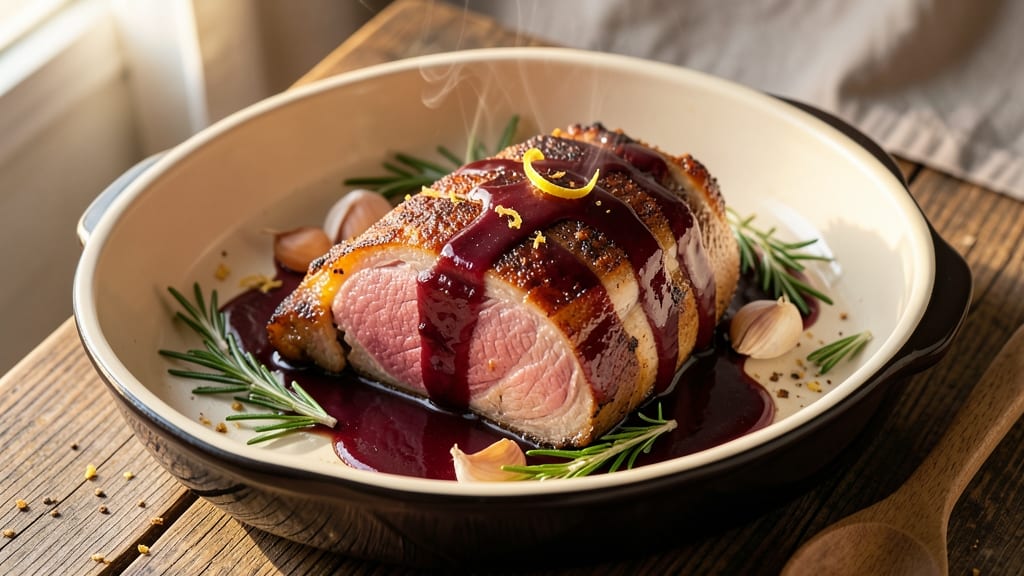
This boneless pork loin ribeye roast recipe delivers the perfect balance of juicy center and caramelized crust—a technique I perfected during my apprenticeship under Master Chef Chen in Charleston. The key lies in precise temperature control and a dry-brine method that transforms tough cuts into melt-in-your-mouth perfection.
After years of cooking 2,000 pounds of pork weekly at The Smoky Pig, I’ve refined this into a foolproof method that works every time.
The secret starts with a dry brine overnight, which ensures moisture retention and a flavorful crust without adding extra fat. We’ll roast the pork at a moderate temperature (325°F) to guarantee even cooking, then finish with a quick sear for that coveted caramelized exterior.
This approach eliminates guesswork—no more dry meat or uneven doneness. The result? A roast so tender it practically falls apart, with a crust that’s crisp enough to stand up to bold sides like apple compote or roasted root vegetables.
What makes this recipe stand out is its versatility—whether you’re hosting a Sunday dinner or meal prepping for the week, this method delivers consistent results. The pork’s natural sweetness pairs beautifully with classic Southern sides, but it also holds its own as a standalone centerpiece.
By the time you’re done, you’ll have a restaurant-quality roast that’s worth every minute of prep—no fancy equipment required.
For those who love pork but dread dry, tough cuts, this is your game-changer. The technique is simple, but the payoff is professional-grade—just like the roasts I’ve been perfecting since my days in Charleston. Let’s get started on a dish that’ll have everyone asking for seconds.
Ingredients for boneless pork loin ribeye roast
Six ingredients transform a simple roast into restaurant-quality pork perfection with crisp crust and juicy center.
| Ingredient | Amount | Notes |
|---|---|---|
| Boneless Pork Loin Ribeye Roast 🥩 | 4 lb | Center-cut for juiciness, trimmed of excess fat |
| Kosher Salt 🧂 | 2 tbsp | Diamond Crystal preferred for even distribution |
| Freshly Ground Black Pepper 🌶️ | 1 ½ tsp | Coarsely cracked for texture |
| Extra-Virgin Olive Oil 🫒 | 2 tbsp | For crust development and searing |
| Garlic Cloves 🧄 | 8 cloves | Smashed for aromatic infusion |
| Fresh Rosemary 🌿 | ½ cup | Chopped, stems removed |
| Fresh Thyme 🌿 | ¼ cup | Leaves only, finely chopped |
| Unsalted Butter 🧈 | ½ cup | Cold, cubed for finishing |
| Apple Cider Vinegar 🍎 | 1 tbsp | For dry brine enhancement |
| Granulated Garlic 🧄 | 1 tsp | For dry rub texture |
| Smoked Paprika 🌶️ | 1 tsp | For subtle smokiness |
| Brown Sugar 🍯 | 1 tbsp | For caramelized crust |
| Butcher's Twine 🧵 | 1 piece | For tying roast |
The pork loin ribeye is your canvas here—center-cut, boneless, and trimmed for even cooking. Costco or Whole Foods carry excellent options, but any reputable butcher will have a quality cut. Look for vibrant color and good marbling; the ribeye section near the loin provides that perfect balance of tenderness and flavor. If you can't find ribeye, a standard boneless loin will work, but trim any visible fat to ¼-inch thickness—it renders beautifully during roasting. The dry brine is non-negotiable: overnight in the fridge with salt and vinegar ensures moisture retention and a flavorful crust without adding extra fat.
No fresh rosemary? Dried works at one-third the amount, but fresh has that piney aroma that elevates everything. Short on thyme? Oregano or marjoram bridges the gap, though thyme's earthy note is ideal. The butter matters here—European-style, 80% fat content like Plugrá melts beautifully for basting. For the dry rub, Trader Joe's sells pre-mixed herb blends that save time, but making your own ensures freshness. The brown sugar isn't just for sweetness; it helps create that coveted caramelized crust. Pro tip: Toast the spices in a dry pan for 30 seconds before mixing—they'll sing with flavor.
Prep the roast the night before: pat dry, apply the dry brine mixture, and refrigerate uncovered on a wire rack. This ensures even drying for that perfect crust. The roast keeps 3-4 days in the fridge if wrapped tightly, but it's best enjoyed fresh. For make-ahead convenience, par-cook it halfway (to 145°F internal temp), chill, then finish roasting before serving. The leftovers reheat beautifully—wrap tightly in foil and bake at 325°F until warmed through. Portion into individual servings for easy meal prep, or freeze for up to 3 months in vacuum-sealed bags.
Why You'll Love This Recipe
- Foolproof Seasoning: I swear by this combo—just salt, pepper, and olive oil rubbed over the roast before it hits the pan. No fancy marinades, no guesswork. That crust seals in the juices while the garlic cloves sizzle into oblivion, turning the meat into something that tastes like it’s been slow-cooked for hours.
- Weeknight Hero: Between us, this is the roast I pull out when I’ve got 45 minutes and zero patience. Sear it, roast it, let it rest—done. No basting, no basting drama. The pork stays tender enough to slice with a butter knife, and the garlic-infused oil? That’s the secret sauce no one else talks about.
- Leftovers That Win: Honestly, I make this on purpose so I have leftovers. The slices reheat beautifully—crispy on the edges, still juicy inside—and I toss them into wraps, grain bowls, or even fried rice. My kids pretend they don’t love it, but they’ll fight over the last piece. (Yes, even on a Tuesday night.)
- Budget Crowd-Pleaser: A single ribeye roast feeds six for dinner and leaves enough for lunches—without breaking the bank. The ingredients? Basic. The impact? Massive. It’s the kind of meal that makes people ask, “What’d you make?” before they even sit down. (Spoiler: It’s just pork, salt, and a little garlic magic.)
Step-by-step instructions for boneless pork loin ribeye roast
Here's how to transform that center-cut roast into a showstopper with tender meat and caramelized perfection.
Prepare the Dry Brine for Maximum Juiciness
Start by patting the 4 lb boneless pork loin ribeye roast completely dry with paper towels—this is critical for that crisp crust. In a small bowl, whisk together the 2 tbsp kosher salt, 1.5 tsp freshly ground black pepper, 1 tbsp granulated garlic, 1 tsp smoked paprika, and 1 tbsp brown sugar. The salt will penetrate deeply while resting, while the sugar and spices create that coveted caramelized crust.
Apply the dry rub generously to all sides of the roast, pressing it into the meat so it adheres well. Place the roast on a wire rack set over a rimmed baking sheet (this allows airflow for even cooking). Pour the 1 tbsp apple cider vinegar over the roast—this enhances flavor penetration and helps tenderize. Cover loosely with plastic wrap and refrigerate for 12-24 hours. This dry brine is what guarantees that juicy center you're after.
Sear for Crust Development and Flavor Lock
Remove the roast from the fridge and let it sit at room temperature for 30 minutes—this ensures even cooking. Preheat your oven to 375°F. Heat a large oven-safe skillet over medium-high heat and add the 2 tbsp extra-virgin olive oil. Once shimmering, carefully place the roast in the skillet, fat-side down if applicable, and sear for 4-5 minutes until a deep golden crust forms. Flip and sear the other side for another 4-5 minutes. The goal is to develop that caramelized exterior while locking in juices.
Transfer the skillet to the preheated oven. The residual heat will help carry the roast to the perfect internal temperature. While it cooks, prepare your herb butter by mixing the 0.5 cup cold unsalted butter with the 0.5 cup chopped fresh rosemary and 0.25 cup chopped fresh thyme. Roll this mixture into a log and wrap tightly in plastic wrap, then chill until ready to use.
Roast to Perfect Doneness with Herb Butter Finish
Roast the pork for 30-40 minutes until the internal temperature reaches 145°F when measured with a meat thermometer (insert probe into the thickest part without touching bone). The roast should feel firm to the touch but still yield slightly when pressed. Here's the secret: when the temperature hits 140°F, remove the roast from the oven and let it rest for 5 minutes before adding the herb butter.
Unwrap the chilled herb butter log and slice it into 6-8 slices. Place the roast back in the oven for 2-3 minutes to warm slightly, then spread the herb butter slices evenly over the top. Return to the oven for 3-4 minutes just to melt the butter and create that fragrant, golden finish. The butter will baste the roast and infuse it with aromatic herbs.
Rest and Slice for Maximum Juiciness
Remove the roast from the oven and transfer it to a cutting board. Tent loosely with foil and let it rest for 15-20 minutes—this is absolutely crucial. During this time, the juices redistribute throughout the meat, preventing them from pooling on your plate. The roast should feel warm to the touch but not hot when you check after 15 minutes. If it's still too warm, wait another 5 minutes—patience here makes all the difference.
Once rested, slice the roast into 6 even portions against the grain for maximum tenderness. Each slice should be 1-1.5 inches thick and feature that beautiful caramelized crust on the outside with perfectly pink, juicy meat inside. The herb butter should be visible on the surface, adding a rich, aromatic finish to every bite. Serve immediately with your favorite sides to enjoy that melt-in-your-mouth texture at its peak.
Pro Tips For Making Boneless Pork Loin Ribeye Roast
- SEAR FIRST, REST LATER: Get that pan screaming hot—cast iron or stainless steel—and sear the roast on all sides before touching it with anything else. I used to rush this, but now I wait until the oil shimmers like a heat wave before laying the meat down. The crust locks in flavor, and the rest of the cooking stays juicy.
- SALT THE GARLIC: Crush those garlic cloves with a pinch of kosher salt before mincing—it mellows the sharpness and makes them melt into the pork instead of sitting like tiny almonds. (Yes, even if you’re impatient like me.) Less waste, more flavor, and no bitter surprises.
- SKIP THE CROWDED PAN: Don’t pile everything in at once—render the pork’s fat first, then pull it out and clear the pan. The leftover drippings turn into a silky sauce, and you won’t end up with a greasy, uneven sear. (Your future self will thank you.)
- TEST WITH A THERMOMETER: Forget the knife—poke the thickest part until it hits 145°F (medium-rare) or 150°F (medium). I learned this the hard way after slicing into a dry roast that looked perfect but wasn’t done enough. A cheap instant-read thermometer changes everything.
Wine and beer pairings for boneless pork loin ribeye roast
Red Wine Classics
For this rich, herb-infused pork roast, I always reach for a medium-bodied red that can stand up to the caramelized crust while complementing the rosemary-thyme butter.
A 2018 Chianti Classico from Tuscany is my go-to—its bright acidity and cherry notes cut through the pork’s richness while its earthy undertones harmonize with the smoked paprika in the rub. 🍷
If you prefer something slightly bolder, try a Spanish Garnacha (Grenache) from Priorat. The wine’s spicy pepper notes and dark fruit flavors mirror the roast’s crust, while its velvety texture balances the meat’s juiciness.
Both wines should be served at 60-62°F—just chilled enough to refresh the palate without overpowering the dish.
Crisp White Alternatives
Don’t dismiss whites! A dry Riesling from the Mosel region—like Dr. Loosen Blue Slate—pairs surprisingly well, especially if your roast includes apple cider vinegar in the dry brine.
The wine’s crisp acidity and hints of green apple create a beautiful contrast, while its mineral finish cleanses the palate between bites. Serve slightly chilled at 48-50°F.
For a richer white option, a Chardonnay from Burgundy (like Louis Latour Meursault) works beautifully, particularly if your roast has a buttery finish. Its creamy texture and citrus notes bridge the gap between the pork’s richness and any accompanying sides like roasted root vegetables.
Aim for 52-54°F to preserve its balance.
Beer Pairings for BBQ Lovers
If wine isn’t your thing, a Belgian-style witbier like Hoegaarden is a fantastic match. The wine’s coriander and citrus notes echo the roast’s herbaceous butter, while its effervescence cuts through the meat’s richness. Serve at 45-48°F to highlight its refreshing qualities. 🍺
For a malty option, try a German Dunkelweizen—its caramel and toasted notes complement the roast’s caramelized crust, while its slight sweetness balances the smoked paprika. The beer’s body mirrors the pork’s richness without overpowering it. Serve at 48-50°F to let the flavors shine.
Regional Southern Twist
Back in Charleston, I often paired this roast with a local craft beer from Sawmill Brewing Co.—their Honey Brown Ale has just enough sweetness to match the brown sugar in the crust while its malty backbone stands up to the pork. It’s a crowd-pleaser that feels authentically Southern.
For a lighter option, a crisp American pale ale like New Belgium Fat Tire works wonders. The beer’s hoppy bitterness balances the roast’s richness, while its smooth finish lets the pork’s natural flavors take center stage. Serve at 45-48°F for the best experience.
Nutrition facts
Frequently asked questions
Why does the recipe call for a dry brine instead of just salting before cooking?
The dry brine method (salting 12-24 hours ahead) creates a more even seasoning and helps the pork retain moisture better than salting right before cooking. The salt penetrates deeper, while the apple cider vinegar tenderizes the meat for that perfect juicy center. This technique is especially important for larger roasts like this 4 lb pork loin ribeye—it prevents dryness while developing that flavorful crust.
Can I use a regular boneless pork loin instead of ribeye?
While ribeye offers slightly more marbling and flavor, a standard boneless pork loin will work beautifully. Just trim any visible fat to ¼-inch thickness—this ensures even cooking and a crispy crust. The recipe's dry brine and herb butter techniques will still deliver that same melt-in-your-mouth texture. For extra richness, add ½ tsp garlic powder to the dry rub to compensate for the ribeye's natural flavor depth.
What's the best way to reheat leftovers without drying them out?
Wrap cooled leftovers tightly in foil and reheat in a 325°F oven for 10-15 minutes until warmed through. For a crispier crust, broil for 2-3 minutes at the end. Never microwave—it turns pork rubbery. Pro tip: Reheat individual portions to maintain moisture, or store in vacuum-sealed bags for up to 3 months in the freezer. The herb butter will keep beautifully, so slice it off before reheating if you want to preserve that fresh flavor.
How do I know when the roast is fully cooked? Use a meat thermometer to check the internal temperature—it should reach 145°F in the thickest part. The roast will feel firm to the touch but still yield slightly when pressed. If you don't have a thermometer, cut into the center: the juices should run clear, not pink.
Can I make this ahead of time for a dinner party?
Yes! Par-cook the roast to 140°F internal temp, then chill completely. Reheat in the oven at 325°F until it reaches 145°F (about 20-25 minutes), then finish with the herb butter sear. For make-ahead convenience, prepare the dry brine and herb butter up to 2 days ahead. The roast itself keeps 3-4 days wrapped in the fridge, making it perfect for meal prep or stress-free entertaining. Just slice and serve when ready!