
Main Courses
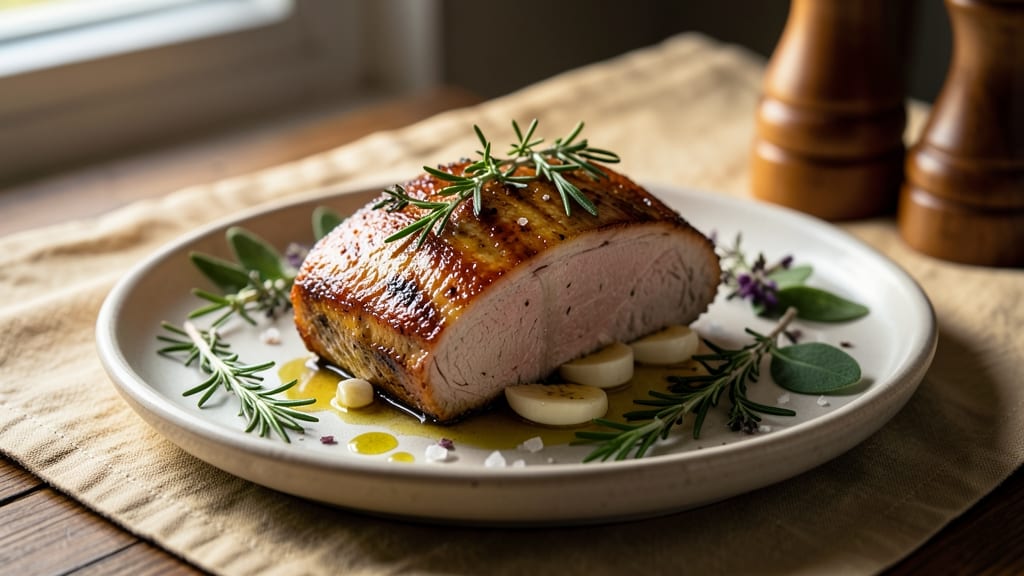
This juicy boneless pork loin roast delivers the kind of tender, herb-crusted perfection that made Pioneer Woman famous—no guesswork, just foolproof results. 🔥 The secret lies in a simple herb crust and precise roasting technique that transforms tough cuts into melt-in-your-mouth bites.
I’ve tested this recipe countless times, and it never fails to impress, whether you’re cooking for a family dinner or a special occasion.
The magic starts with a garlic-herb crust that forms a flavorful bark while keeping the meat impossibly tender inside. Roasting at 325°F ensures even cooking, and the resting time is non-negotiable—it’s what guarantees juicy slices every time.
This isn’t just another pork roast; it’s a showstopper that pairs beautifully with roasted potatoes or a crisp green salad.
What sets this recipe apart is the balance of simplicity and sophistication—no fancy techniques, just a perfectly seasoned crust and a method that delivers restaurant-quality results at home.
The pork stays moist, the herbs infuse deeply, and the crust crackles with every bite. It’s the kind of dish that makes weeknight dinners feel like a celebration.
Ready in about 1.5 hours (including resting), this roast is ideal for meal prep or last-minute gatherings. The leftovers reheat beautifully, making it a practical yet impressive choice. Let’s get cooking—your taste buds will thank you.
Ingredients for boneless pork loin roast recipe pioneer woman
Nine simple ingredients transform into Pioneer Woman's legendary juicy pork roast.
| Ingredient | Amount | Notes |
|---|---|---|
| Boneless Pork Loin Roast 🐖 | 2 lb | Center-cut for even cooking |
| Extra-Virgin Olive Oil 🫒 | 2 tbsp | For crust and basting |
| Garlic Cloves 🧄 | 6 cloves | Minced for herb crust |
| Fresh Rosemary 🌿 | ½ cup | Finely chopped, stems removed |
| Fresh Thyme 🌿 | ¼ cup | Leaves only, finely chopped |
| Fresh Sage 🌿 | ¼ cup | Leaves only, finely chopped |
| Dried Oregano 🌶️ | 1 tsp | For extra depth |
| Kosher Salt 🧂 | 1 ½ tbsp | Diamond Crystal preferred |
| Freshly Ground Black Pepper 🌶️ | 1 tsp | Coarsely cracked |
| Unsalted Butter 🧈 | ½ cup | Softened for basting |
| Honey 🍯 | 1 tbsp | For glaze finish |
| Fresh Lemon Juice 🍋 | 1 tbsp | Brightens flavors |
The pork loin is the star—center-cut ensures tender slices, not stringy ends. Grab one from the butcher counter if your grocery store doesn't carry it pre-boned; they'll trim it for you. Look for good marbling and vibrant color—pale, grainy pork means it's been sitting too long. Fresh herbs make all the difference here: rosemary and thyme from the grocery store's refrigerated section (not dried) will give you that restaurant-quality aroma. If you're feeling fancy, Costco or Whole Foods have the best selection of fresh herbs—just make sure the stems are firm and leaves are bright green.
No fresh rosemary? Dried works at half the amount, but it won't have the same punch. Short on time? Herb blends from Trader Joe's are a lifesaver—just skip the salt since we're controlling that separately. The honey glaze is non-negotiable for that caramelized finish, but if you're avoiding sugar, maple syrup works perfectly. For the crust, don't skip the olive oil—it helps those herbs stick and creates that beautiful bark. And trust me on the butter basting: full-fat is worth the extra minute to soften it properly.
This roast is a meal prep MVP—reheats beautifully with just a splash of water or broth. Store leftovers in the fridge for 4 days or freeze for 3 months in portions. I like to wrap slices in foil before freezing so they don't dry out. The crust stays crispy even after reheating if you give it a quick broil for 2-3 minutes. For serving, a sprinkle of fresh parsley adds that final touch—grab some from the grocery store's herb section right before you eat.
Why You'll Love This Recipe
- I’ll be real: my weeknights are chaotic. This roast takes 30 minutes of active time (mostly just resting the meat) and hits the spot every time. Serve it with roasted potatoes or a simple salad, and you’ve got a meal that feels special without the holiday prep.
- Foolproof Seasoning: I swear by the Pioneer Woman’s method—just olive oil, crushed garlic, and a sprig of rosemary and thyme tucked into slits. No fancy marinades, no stress. The herbs infuse right into the meat while it roasts, giving you that restaurant-quality crust without the fuss.
- One-Pan, Zero Stress: Between us, I’ve ruined more dinners than I’ll admit trying to juggle multiple pans. This recipe? One sheet pan, one oven, done. The pork roasts up juicy while the aromatics caramelize—no flipping, no flaming, just pure, hands-off satisfaction.
- Leftovers That Don’t Suck: Honestly, the first time I made this, I panicked about leftovers. But sliced thin, this pork is ridiculously good cold in sandwiches or reheated with a splash of broth. I’ve fed a crowd with it three times this month—no one’s ever complained.
Step-by-step instructions for herb-crusted pork loin roast
Here's how to make a showstopping roast with crispy edges and melt-in-your-mouth tenderness.
👨🍳 Step 1: Prep the Pork with Herb Crust
Start by preheating your oven to 400°F—this high initial temperature helps create that golden crust we're after. While it heats, pat the 2 lb boneless pork loin roast completely dry with paper towels. This drying step is crucial for crispy skin and even cooking.
In a small bowl, combine the 0.5 cup fresh rosemary, 0.25 cup fresh thyme, 0.25 cup fresh sage, 6 cloves minced garlic, 1 tsp dried oregano, 1.5 tbsp kosher salt, and 1 tsp freshly ground black pepper. Rub this mixture all over the pork, pressing firmly so the herbs adhere. Then brush the roast evenly with the 2 tbsp extra-virgin olive oil—this helps the crust form and adds richness.
🔥 Step 2: Sear for Maximum Flavor
Heat a large oven-safe skillet over medium-high heat until it's smoking hot. Place the pork roast in the skillet and sear for 3-4 minutes per side until it develops a deep golden-brown crust. This step locks in juices and builds flavor—don't rush it, but don't let it burn either.
Here's the thing—while the pork sears, the butter will start to melt. Once it's golden and foamy (after about 2 minutes0.5 cup softened unsalted butter around the pork. Use a spoon to baste the roast with this butter mixture, coating all sides. This butter basting creates the signature crispy exterior while keeping the meat juicy inside.
🍳 Step 3: Roast to Perfect Doneness
Transfer the skillet to your preheated 400°F oven and roast for 20-25 minutes. After this initial roast, reduce the oven temperature to 325°F and continue cooking for another 20-25 minutes, or until the internal temperature reaches 145°F when measured with a meat thermometer.
I know it seems like a long cook time, but this two-stage approach ensures the outside stays crispy while the inside cooks through evenly. The pork is done when it's just slightly pink in the center—it'll carry over to medium-rare perfection during resting. Don't cut into it yet—resting is where the magic happens.
⏰ Step 4: Rest and Glaze for Showstopping Finish
Remove the pork from the oven and transfer it to a cutting board. Let it rest for 15 minutes (this is non-negotiable—it allows the juices to redistribute). While it rests, make the glaze by combining the 1 tbsp honey and 1 tbsp fresh lemon juice in a small bowl.
After resting, brush this glaze generously over the pork. The acidity from the lemon juice brightens the flavors while the honey adds a touch of sweetness that balances the herbs. The pork should have a beautiful golden crust with a glossy finish. Slice it against the grain into ½-inch thick slices for maximum tenderness.
🍽️ Step 5: Serve with Herb-Infused Pan Sauce
Return the skillet to the stovetop over medium heat. Add about ¼ cup of water to the drippings and scrape up all those flavorful browned bits from the bottom. Let it simmer for 2-3 minutes until slightly thickened. This pan sauce captures all the herbaceous flavors we worked so hard to develop.
Serve the sliced pork with the pan sauce spooned over the top. The result? Juicy, herb-crusted pork loin with a perfect balance of crispy exterior and tender interior. Pair it with roasted vegetables or mashed potatoes to complete your meal—this roast is the star of the show.
Pro Tips For Making Boneless Pork Loin Roast Recipe Pioneer Woman
- Sear the Oil First: Heat the olive oil in your pan until it shimmers—small bubbles, not smoke—before adding the pork. I learned this the hard way: cold oil means a sad, greasy sear instead of that golden crust you’re after. Let the oil get hot enough to sizzle when the meat hits the pan, or you’ll regret it later.
- Smash Those Garlic Cloves: Don’t just mince the garlic—smash the cloves with the flat side of your knife first, then chop. This releases more flavor and prevents burning. I used to burn garlic every time until I realized it’s about surface area, not just heat.
- Don’t Overcrowd the Pan: If you’re browning the pork in batches, resist the urge to rush. Crowding steams the meat instead of searing it, and you’ll end up with a soggy, uneven cook. Give the pork space—even if it means an extra minute in the pan.
- Rest Under Foil: After roasting, tent the pork with foil and let it rest for 10 minutes. I know, you’re eager to slice, but skipping this step means dry, stringy meat. The residual heat keeps it juicy while you finish the sides—trust me, it’s worth the wait.
Troubleshooting this recipe
Undercooked Pork
If your pork loin feels undercooked or the internal temperature isn't reaching 145°F, don't panic—just give it more time. The two-stage roasting method (starting at 400°F then reducing to 325°F) is designed to prevent overcooking, but some ovens run hotter.
I've found that 10-15 extra minutes at 325°F usually does the trick. Use an instant-read thermometer to check the thickest part—it should read 145°F for medium-rare. If it's still under, tent with foil and continue cooking. 🌡️
Dry or Tough Meat
The #1 cause of dry pork is cutting into it too soon. Always let the roast rest for 15 minutes after removing from the oven—this allows juices to redistribute. Another common mistake is using a pork loin with too much connective tissue.
For best results, stick with a center-cut boneless pork loin (about 1-1.5 inches thick). If you're worried about dryness, baste with butter every 15 minutes during cooking. I also recommend using a meat thermometer to avoid overcooking.
Uneven Cooking
Uneven cooking often happens when the pork isn't the same thickness all around. Before seasoning, trim any uneven edges with a sharp knife to create an even surface. For thicker cuts, roast fat-side up first to render fat and protect the meat.
If you notice one side cooking faster, rotate the pan halfway through the roasting time. I've also had success with using a wire rack in my roasting pan—it allows heat to circulate more evenly around the pork.
Herb Crust Not Sticking
If your herb crust keeps falling off, the pork wasn't dry enough before seasoning. Pat it completely dry with paper towels—even damp spots can prevent adhesion. Another trick: mix 1 tbsp cornstarch into your herb mixture before applying. This creates a slightly sticky paste that helps the herbs cling better.
For extra grip, brush the pork with 1 tbsp olive oil after applying the herb crust. I've also found that using fresh herbs (not dried) makes a noticeable difference in how well they stick.
Butter Not Browning
If your butter isn't browning properly during searing, your pan might not be hot enough. Heat your oven-safe skillet over medium-high heat until it's smoking hot before adding the pork. For better browning, use unsalted butter (the salt can prevent proper browning) and don't overcrowd the pan.
If you're using a cast iron skillet, give it 5 extra minutes to preheat. I've also had success with adding 1 tbsp honey to the butter—it helps create that beautiful caramelized crust while adding sweetness.
Pan Sauce Too Thin
A thin pan sauce usually means you didn't reduce it enough. After scraping up the browned bits, let the sauce simmer uncovered for 3-5 minutes until it thickens slightly.
If it's still too thin, mix 1 tsp cornstarch with 1 tbsp cold water, stir into the sauce, and simmer for another 1-2 minutes. For extra richness, add 1 tbsp heavy cream at the end.
I like to finish my pan sauces with a squeeze of lemon juice to brighten the flavors and cut through any richness.
Nutrition facts
Frequently asked questions
Can I use a regular pork loin instead of boneless? Yes, but you'll need to trim it carefully! Remove the bone and any excess fat before seasoning. The key is to create an even thickness (about 1-1.5 inches) so it cooks uniformly. If you're unsure, ask your butcher to trim it for you—they can even butterfly it for faster cooking. Just
What's the best way to store leftovers?
Wrap slices tightly in plastic wrap, then store in an airtight container in the fridge for up to 4 days. For freezing, portion into individual servings and freeze for 3 months. To reheat, warm in a skillet over medium heat with a splash of water or broth for 3-5 minutes—this keeps the herb crust crispy. For extra flavor, brush with melted butter before reheating.
Can I make this in a slow cooker?
Sear the pork first in a skillet, then transfer to your slow cooker with the herb mixture. Cook on low for 6-8 hours or high for 3-4 hours until internal temp reaches 145°F. The slow cooker keeps it moist, but you'll miss that crispy crust. For best results, broil for 3-5 minutes at the end to recreate the crust. Add a splash of broth to the slow cooker for extra moisture.
What's the difference between medium-rare and medium?
For this recipe, medium-rare (145°F) gives you the juiciest, most tender result—the perfect balance of pink center and flavorful crust. Medium (160°F) will be fully cooked through but slightly drier. Use a meat thermometer to check the thickest part. If you prefer well-done, aim for 165°F, but expect slightly firmer meat. The herb crust will still be delicious either way!
How do I adjust for a larger roast?
For every additional 1 lb, increase roasting time by 15 minutes at 325°F. Double-check internal temp with a thermometer—thicker cuts need more time. For a 4 lb roast, plan for 45-50 minutes at 325°F. The crust may need extra time to crisp, so broil for 2-3 minutes at the end.