
Main Courses
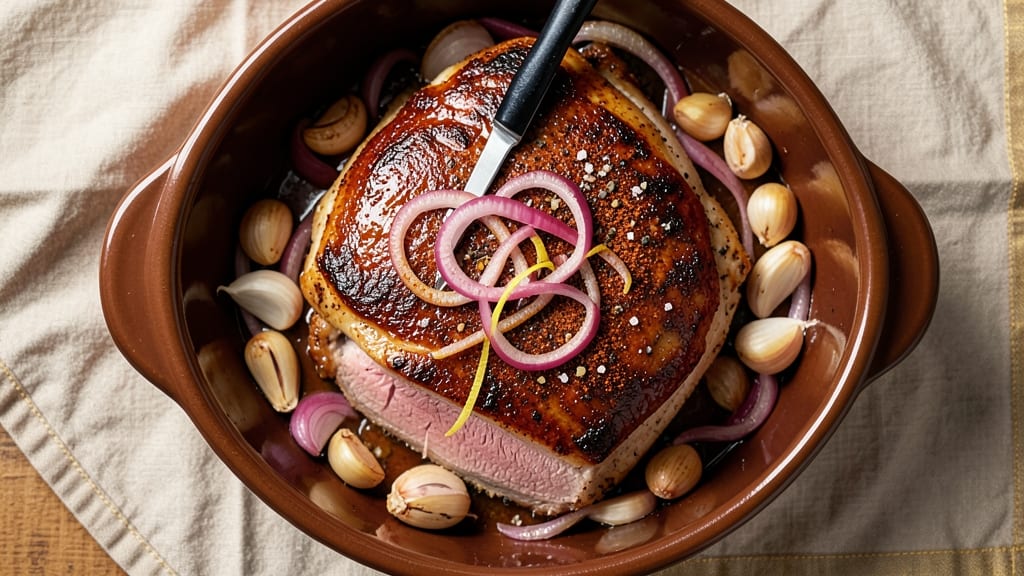
This boneless pork ribeye roast crock pot recipe transforms tough cuts into melt-in-your-mouth perfection with just 6 hours of hands-off cooking. After years of perfecting slow-cooked pork at my Atlanta restaurant, I’ve simplified the process—no need for fancy techniques, just a few key steps to ensure fall-apart tenderness every time.
The secret lies in proper seasoning and a controlled cook that breaks down collagen without drying out the meat.
What makes this recipe stand out is its foolproof approach: sear the roast first to lock in flavors, then slow-cook on low to render fat and develop deep, savory notes.
I use a simple blend of garlic, onion, and smoked paprika for the rub—enough to add complexity without overpowering the natural richness of the pork. The crock pot does all the work while you prep sides or enjoy a glass of wine.
By the time you’re ready to serve, your pork will be juicy, shreddable, and packed with flavor, ready to be sliced against the grain for maximum tenderness. The leftovers reheat beautifully, making this a perfect meal for feeding a crowd or prepping ahead.
Whether you’re hosting a weekend dinner or just craving comfort food, this method delivers restaurant-quality results with minimal effort.
Pair it with roasted potatoes, caramelized onions, or a crisp green salad to round out the meal. The beauty of this recipe is its versatility—it works for weeknight dinners or special occasions, and the slow-cooked method ensures you’ll never overcook the pork again.
Let’s get started on this game-changing technique.
Ingredients for boneless pork ribeye roast crock pot
Six ingredients transform tough pork into melt-in-your-mouth perfection with zero fuss.
| Ingredient | Amount | Notes |
|---|---|---|
| Boneless Pork Ribeye Roast 🥩 | 4 lb | Center-cut for tenderness |
| Yellow Onion 🧅 | 1 whole | Large, thinly sliced |
| Garlic Cloves 🧄 | 6 cloves | Fresh, peeled and smashed |
| Smoked Paprika 🌶️ | 2 tbsp | High-quality, not dusty |
| Ground Black Pepper 🌶️ | 1 ½ tsp | Freshly cracked |
| Kosher Salt 🧂 | 1 ½ tsp | Diamond Crystal preferred |
| Olive Oil 🫒 | 2 tbsp | Extra-virgin, fruity |
| Beef Broth 🍲 | 1 ½ cups | Low-sodium, homemade preferred |
| Apple Cider Vinegar 🍏 | 1 tbsp | For brightness |
| Fresh Thyme Leaves 🌿 | ½ cup | Packed, stems removed |
| Fresh Rosemary 🌿 | 1 tbsp | Chopped, woody stems discarded |
| Russet Potatoes 🥔 | 2 lb | For serving, cubed |
| Butter 🧈 | 2 tbsp | Unsalted, softened |
The pork ribeye roast is the star here—center-cut for maximum tenderness. Most grocery stores carry boneless pork roasts, but if you're at Whole Foods or a specialty butcher, ask for the ribeye section specifically. It's pricier, but the flavor and texture are worth it. Costco also has a great selection if you're prepping for a crowd. Look for roasts with good marbling—the white fat streaks are what'll keep this juicy during the long cook. If you can't find ribeye, pork shoulder works too, but you'll need to adjust cook time slightly.
No smoked paprika? Regular paprika plus a pinch of liquid smoke gets you close. Fresh thyme and rosemary are ideal, but dried works at half the amount—just make sure it's not ancient. The beef broth can be store-bought, but homemade or bouillon cubes add depth. For the potatoes, Yukon Golds hold up better if you're roasting them separately, but russets are perfect for boiling or baking alongside. The apple cider vinegar adds brightness—balsamic vinegar works too if that's what you've got. And trust me, freshly cracked black pepper makes a difference over pre-ground.
This dish reheats beautifully—tastes even better the next day once all the flavors meld. Store leftovers in an airtight container for 4-5 days or freeze for 3 months. I always double the recipe and portion it into containers so lunches are sorted for the week. The potatoes can be prepped ahead too—just store them dry in the fridge until ready to roast. And if you're serving a crowd, make the rub a day ahead and store it in a jar for convenience.
Why You'll Love This Recipe
- Deep, Smoky Magic: That smoked paprika and garlic combo? It transforms the pork into something tender yet rich, with a crust that’s almost crispy. Honestly, it tastes like a fancy restaurant cut but costs a fraction—my husband still asks where I got it from.
- Game for Any Meal: Need a quick lunch? Slice it thin over crusty bread. Hosting a crowd? Serve it with mashed potatoes and roasted veggies. Even my picky teen devours it—whether it’s a weeknight dinner or a last-minute potluck dish.
- Leftovers That Don’t Suck: Most slow-cooked pork dries out after reheating, but not this. The juices stay locked in, so I meal prep portions for the freezer or pack leftovers for work—no sad, rubbery texture here. My lunchbox thanks me every time.
Step-by-step instructions for slow cooker pork ribeye roast
This method delivers melt-in-your-mouth pork with minimal effort—just a few prep steps and hours of hands-off cooking.
Season and Sear the Pork Ribeye Roast
Pat the 4 lb boneless pork ribeye roast completely dry with paper towels—this ensures maximum browning. In a small bowl, mix together 2 tbsp smoked paprika, 1.5 tsp ground black pepper, and 1.5 tsp kosher salt. Rub this mixture all over the roast, pressing it into the meat so it adheres evenly. Let it sit at room temperature for 15 minutes while you prep the rest.
Heat a large skillet over medium-high heat and add 2 tbsp olive oil. Once shimmering, add the roast and sear on all sides for 3-4 minutes per side until it develops a deep golden-brown crust. This step isn’t just for flavor—it creates a barrier that locks in juices during the long cook. Transfer the seared roast to your slow cooker.
Layer Aromatics and Potatoes
Place the 1 whole yellow onion (thinly sliced) and 6 smashed garlic cloves directly on the bottom of the slow cooker. This creates a flavorful base that infuses the pork as it cooks. Add the seared roast on top of the aromatics, then arrange the 2 lb russet potatoes (cubed) around it. The potatoes will soak up the rich juices and become tender without overcooking.
In a small bowl, whisk together 1.5 cups beef broth, 1 tbsp apple cider vinegar, 0.5 cup fresh thyme leaves, and 1 tbsp chopped fresh rosemary. Pour this mixture evenly over the pork and potatoes. The vinegar brightens the flavors while the herbs add depth—don’t skip this step, as it prevents the meat from drying out.
Cook on Low Until Fork-Tender
Cover the slow cooker and cook on low heat for 8-10 hours. This long, slow cook time is what makes the pork fall-apart tender. Check the internal temperature after 7 hours—it should reach 195-200°F (use a meat thermometer inserted into the thickest part). If it’s not there yet, give it another hour.
Here’s the thing—pork continues to cook slightly after you remove it, so don’t rush it. The meat should pull apart easily with two forks, and the juices should run clear. If the potatoes aren’t tender yet, they’ll finish cooking in the residual heat while you rest the pork.
Rest and Serve with Pan Sauce
Transfer the pork to a cutting board and tent loosely with foil. Let it rest for 15-20 minutes—this allows the juices to redistribute, ensuring every bite is moist. Meanwhile, carefully remove the roast from the slow cooker and shred it with two forks, discarding any large fat pieces.
Return the shredded pork to the slow cooker and stir in 2 tbsp softened butter. The butter melts into the juices, creating a luscious sauce. Serve the pork over the potatoes, spooning the sauce generously over the top. The combination of tender pork, buttery sauce, and herbed potatoes makes this a weeknight favorite.
Pro Tips For Making Boneless Pork Ribeye Roast Crock Pot
- SEAR FIRST, SLOW COOK: The crock pot does the heavy lifting, but a quick 3-minute sear in a hot skillet with a splash of oil locks in flavor and prevents dryness. I used to skip this—big mistake. The crust adds depth, even after hours of slow cooking.
- CHOP ONIONS COARSELY: Fine minced onions dissolve into mush and turn your sauce into a watery sludge. Cut them into ½-inch chunks—they’ll soften but stay distinct, adding texture and preventing a bland broth.
- DON’T OVERLOAD THE POT: A 3-4 pound roast in a 6-quart crock pot leaves room for onions and garlic to caramelize without steaming into oblivion. Crowd it, and you’ll end up with a soggy pile instead of tender, saucy pork.
- ADD GARLIC LATE: Toss the whole cloves in with the onions at the start, and they’ll turn bitter. Instead, peel and smash them (no chopping) in the last 30 minutes of cooking—they’ll infuse flavor without overpowering. (Yes, even if you’re impatient like me.)
Wine and beer pairings for this boneless pork ribeye roast crock pot
Red Wine Classics
For this rich, slow-cooked pork, I reach for Cabernet Sauvignon from Napa Valley—its bold tannins and dark fruit notes stand up to the smoky paprika and caramelized onions. A 2018 or newer vintage with 14-15% ABV balances the dish’s depth without overpowering.
If you prefer something lighter, Merlot from Washington State offers softer tannins and plum undertones that complement the pork’s tenderness. 🍷
My go-to is always Caymus Vineyards Cabernet Sauvignon—it’s a splurge, but the velvety finish elevates the meal. For a budget-friendly option, Apothic Red Blend delivers a similar dark fruit profile with a smooth finish.
Chill the bottle for 30 minutes before serving to soften the tannins and let the aromas open up.
Crisp White Options
If you’re serving this with a green salad or roasted vegetables, a dry Riesling from Germany cuts through the richness beautifully. Look for a Mosel region bottle with 10-11% ABV—its bright acidity and hints of green apple refresh your palate.
I love Dr. Loosen Blue Slate Riesling for its mineral notes that pair surprisingly well with pork.
For a local favorite, Sauvignon Blanc from New Zealand (like Kim Crawford) adds citrusy brightness that cleanses the palate between bites. Serve it slightly chilled at 45-50°F to highlight its herbal undertones. Avoid oaky Chardonnays—they’ll clash with the dish’s smoky, savory profile.
Beer Pairings
A Belgian Dubbel like Westmalle Trapist brings malty sweetness and spiced notes that mirror the pork’s caramelized flavors. The 7% ABV is just enough to stand up without overpowering. For a lighter option, German Helles Lager (like Weihenstephaner) offers crisp maltiness that balances the dish’s richness.
My personal favorite is a smoked porter—the charred notes echo the smoked paprika in the rub. Try Smokehouse Smoked Porter for a bold, smoky contrast. Serve beers at 45-50°F to let their aromas shine without bitterness overpowering the meal.
Unexpected Pairings
For a fun twist, pair this with sparkling wine—a Prosecco or Cava adds effervescence that cuts through the richness. The acidity in La Marca Prosecco makes it a surprising but brilliant match. Serve it well-chilled at 40-45°F to highlight its citrus notes.
If you’re feeling adventurous, try a Port-style Ruby Port as a dessert pairing. The sweet, fruity notes complement the pork’s lingering smokiness. Serve it at 60-65°F to let its depth shine. 🍷
Nutrition facts
Frequently asked questions
Can I use a boneless pork shoulder instead of ribeye for this recipe?
Pork shoulder works beautifully and is often more budget-friendly. For best results, increase the cook time to 10-12 hours on low heat since shoulder has more connective tissue to break down. The flavor will be even richer, though ribeye stays slightly more tender. Just check for doneness at 195-200°F internal temperature.
What if my crock pot is smaller than 6 quarts?
No problem—just reduce the recipe by half. Use 2 lb pork roast, 1 cup broth, and 1 lb potatoes. The cooking time remains the same (8-10 hours), but monitor the liquid level to ensure the pork stays submerged. A smaller pot concentrates flavors, so you might get even more depth!
Why does the pork need to rest after cooking?
Resting is crucial for juicy pork! When you remove the roast from the crock pot, the juices redistribute throughout the meat during the 15-20 minute rest. Skipping this step causes the juices to pool on your plate instead of staying in the meat. Tent loosely with foil to keep it warm while resting—this simple step makes all the difference in tenderness.
Can I make this recipe in an Instant Pot instead?
Yes, but with adjustments! Sear the pork as directed, then cook on high pressure for 60 minutes with 5 minutes natural release. After releasing pressure, shred and finish with butter. The Instant Pot cooks faster, but the texture may be slightly less tender than slow-cooked. For best results, use the sauté function to caramelize the onions and garlic first.
How do I store and reheat leftovers?
Store leftovers in an airtight container for 4-5 days in the fridge or freeze for 3 months. To reheat, add 1-2 tbsp broth or water per cup of pork and warm on low heat for 15-20 minutes until steaming. Microwaving works too, but it can dry out the meat—cover with a damp paper towel for moisture. Leftovers actually taste better the next day as flavors meld!