
Main Courses
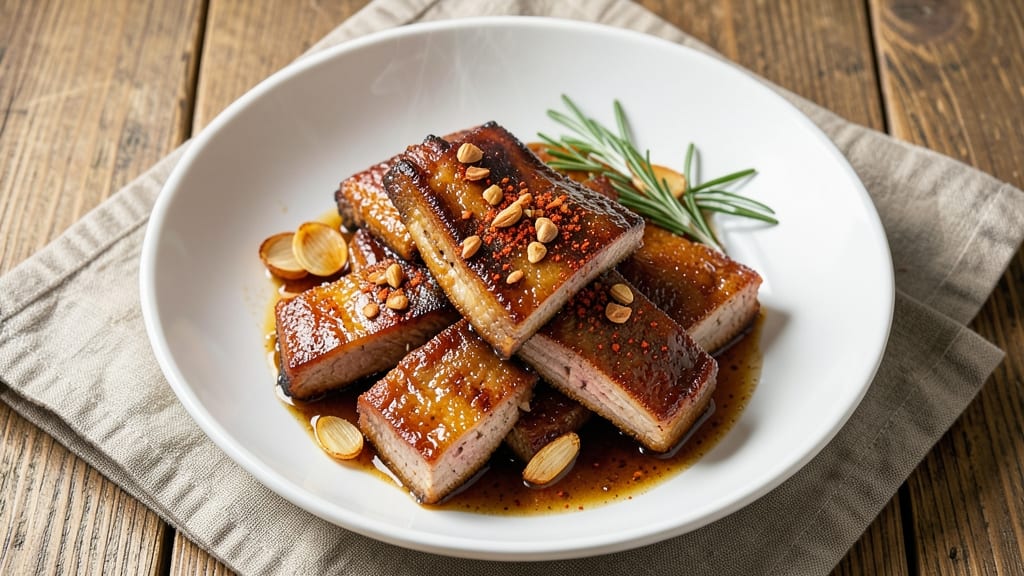
This boneless pork spare ribs oven recipe delivers the perfect balance of crispy bark and fall-off-the-bone tenderness—a game-changer for weeknight dinners or weekend feasts. After years of perfecting this technique at Atlanta’s The Smoky Pig, I’ve simplified it for home cooks without sacrificing restaurant-quality results.
The secret? A dry rub that develops deep flavor during the slow cook, followed by a high-heat finish to lock in that irresistible crust.
What sets this recipe apart is the two-stage cooking process: low-and-slow to tenderize the meat, then a broil to create that coveted caramelized bark. No need for a smoker or complicated equipment—just your oven and a little patience.
The ribs stay juicy inside while developing a glossy, crackling exterior that’s impossible to resist. This method works equally well for boneless pork chops or even chicken thighs, making it versatile for any protein craving.
By the time you’re done, you’ll have ribs that are tender enough to pull apart with a fork yet crispy enough to stand up to a toothpick. The flavor profile is rich and smoky, with just enough sweetness from the rub to balance the savory depth.
Serve them alongside garlic mashed potatoes or a simple green salad for a complete meal that’ll have everyone asking for seconds.
One of my favorite memories from growing up in Georgia was watching my grandmother slow-cook pork until it practically melted in your mouth. This recipe captures that same comforting, soul-satisfying quality—just with a modern twist.
Whether you’re feeding a crowd or treating yourself to a special meal, these ribs will deliver the kind of satisfaction that turns a simple dinner into an experience.
Ingredients for boneless pork spare ribs oven
Here’s what you need to create ribs with restaurant-quality crispy bark and melt-in-your-mouth tenderness.
| Ingredient | Amount | Notes |
|---|---|---|
| Boneless Pork Spare Ribs 🍖 | 2 lb | Cut into 2-inch pieces for even cooking |
| Brown Sugar 🍯 | ½ cup | Light or dark, packed for sweetness |
| Smoked Paprika 🌶️ | 2 tbsp | For deep smoky flavor (not sweet) |
| Garlic Powder 🧄 | 1 tbsp | Freshly ground preferred for aroma |
| Onion Powder 🧅 | 1 tbsp | Enhances savory depth without bitterness |
| Ground Black Pepper 🌶️ | 1 tsp | Freshly cracked for maximum bite |
| Kosher Salt 🧂 | 1 ½ tbsp | Diamond Crystal preferred for texture |
| Mustard Powder 🍯 | 1 tsp | Adds subtle tang to balance sweetness |
| Apple Cider Vinegar 🍎 | 1 tbsp | For tenderizing and brightness |
| Olive Oil 🫒 | 2 tbsp | High smoke point for searing |
| Honey 🍯 | 1 tbsp | For glaze after broiling (optional) |
| Fresh Rosemary 🌿 | ¼ cup | Chopped, for aroma (optional garnish) |
The ribs are the star, so pick center-cut boneless pork spare ribs—they’re leaner and cook more evenly than regular pork ribs. Costco or Whole Foods carry them pre-cut, but if you’re buying a whole pack, ask the butcher to trim off excess fat. Look for marbling—that white streaking means more flavor. For this recipe, cut them into 2-inch pieces before seasoning; it ensures even cooking and maximum surface area for that crispy bark. No need to trim the silver skin unless you’re picky—it’ll crisp up nicely during the broil.
No smoked paprika? Substitute with 1 tbsp chili powder plus 1/2 tbsp regular paprika for a similar smoky kick. Mustard powder hard to find? Dijon mustard at half the amount works in a pinch, though it’ll add moisture. The apple cider vinegar is non-negotiable for tenderizing—substitute with lemon juice if that’s what you’ve got, but it’ll be slightly less tangy. For the glaze, honey is ideal, but maple syrup or agave will work too. Just remember: the glaze is optional, but it’s what turns ‘good’ ribs into ‘wow’ ribs. And if you’re feeling fancy, swap the rosemary for fresh thyme—it’s a Southern classic for pork.
Store the dry rub in an airtight container for up to 6 months—it keeps forever if sealed tight. The ribs themselves? Day-of cooking is best, but you can prep them ahead: season, refrigerate overnight, then cook straight from the fridge. If you’re making this for a crowd, double the batch—these ribs reheat beautifully. Just wrap them in foil and warm in a 350°F oven for 10 minutes. Leftovers? They’re even better the next day, especially if you crisp them up again in a hot pan. Trust me, the second day is when they truly shine.
Why You'll Love This Recipe
- Here’s what sold me: these ribs reheat like a dream. Store them in the fridge for up to 4 days, and they’re still juicy when warmed in the oven. Plus, the glaze thickens into a sauce you can drizzle over rice or eggs—so no waste, just flavor. Budget-friendly? Absolutely. Smart? Even more so.
- No Mess, All Flavor: I swear by this recipe because it’s ridiculously hands-off—just toss the ribs in a bowl with brown sugar, smoked paprika, and a pinch of garlic powder, then pop them in the oven. No marinating, no basting, no stress. The sugar caramelizes into a sticky glaze that takes care of itself while you’re scrolling through your phone.
- Sweet-Savory Magic: Between us, the combo of brown sugar and smoked paprika is chef’s kiss—it’s got that deep, smoky warmth with just enough sweetness to make your mouth water. The garlic and onion powder sneak in extra depth without overpowering, so every bite has that "I need more" factor. Honestly, my kids fight over these.
- Weeknight or Party: This recipe works everywhere. Slap it on a sheet pan for a lazy Tuesday dinner, or double the batch for game day—it’s just as easy to feed two or ten. The ribs stay tender enough to eat with your hands, but fancy enough to serve on a platter. (Yes, even on a Tuesday night.)
Step-by-step instructions for boneless pork spare ribs
Here's how to transform tough ribs into melt-in-your-mouth perfection with a perfect crispy bark.
Marinate and Prep the Ribs for Maximum Tenderness
In a large bowl, combine the 1 tablespoon apple cider vinegar, 1 tablespoon honey, and 2 tablespoons olive oil. Whisk until fully blended - this forms the base marinade that tenderizes the meat while adding brightness. Add the 2 lb boneless pork spare ribs (cut into 2-inch pieces as recommended) and toss to coat completely, ensuring every surface gets the marinade.
Next, sprinkle the ribs evenly with 1.5 tablespoons kosher salt, 2 tablespoons smoked paprika, 1 tablespoon garlic powder, 1 tablespoon onion powder, 1 teaspoon ground black pepper, 1 teaspoon mustard powder, and 0.5 cup packed brown sugar. Use your hands to work the dry rub into the meat - this ensures even seasoning and helps the sugar stick for that coveted bark. Let the ribs marinate uncovered in the refrigerator for at least 4 hours (overnight is ideal) while you preheat your oven.
Here's the thing - the apple cider vinegar breaks down tough muscle fibers, while the honey and sugar create a caramelized crust. The longer they marinate, the more tender the meat becomes. I press down firmly when applying the rub to prevent it from falling off during cooking.
Sear for Maximum Flavor and Texture Contrast
Preheat your oven to 425°F with the rack positioned in the upper third position. Line a large baking sheet with aluminum foil for easy cleanup. Arrange the marinated ribs in a single layer on the prepared sheet, leaving about ½-inch between each piece for proper air circulation.
Place the baking sheet in the preheating oven and let the ribs sear for 10 minutes. This initial high-heat sear creates that irresistible crispy bark while locking in juices. You'll know it's working when you see the edges start to darken and the sugar begins to caramelize. Here's where it gets fun - resist the urge to peek or move the ribs during this time, as any disruption will prevent proper browning.
I like to use a wire rack over a baking sheet for this step to allow heat to circulate underneath, but if you don't have one, the foil-lined sheet works perfectly. The key is that direct heat exposure on all sides during this initial sear.
Braise for Fall-Off Tenderness
After the initial sear, reduce the oven temperature to 300°F. This lower temperature is crucial for breaking down collagen and transforming tough connective tissue into gelatin, which makes the meat tender. Return the ribs to the oven and cook for 2 to 2.5 hours, until the internal temperature reaches 195°F when measured with a meat thermometer.
You'll notice the ribs will release easily from the baking sheet when done - this is your perfect tenderness indicator. The meat should pull apart effortlessly with a fork or two fingers. Here's the magic: the sugar in the rub will have caramelized into a glossy glaze, while the spices will have melded into the meat, creating layers of flavor.
I check for doneness by gently pressing a piece with tongs - if it gives slightly and the edges pull away cleanly, it's ready. The ribs should have a deep mahogany color with a sticky glaze coating them. If you're worried about drying out, don't be - the braising process actually adds moisture back to the meat.
Finish with Crispy Bark and Fresh Rosemary Garnish
Once the ribs reach 195°F, increase the oven temperature to 450°F and broil for 3 to 5 minutes. This final high-heat step creates that coveted crispy bark that contrasts perfectly with the tender meat underneath. Watch carefully - you want the edges to become deeply caramelized and crisp, but not burned. The 0.25 cup chopped fresh rosemary can be sprinkled over the ribs during the last minute of broiling for an aromatic finish.
Remove the ribs from the oven and let them rest on a wire rack for 5 to 10 minutes before serving. This resting period allows the juices to redistribute throughout the meat, ensuring each bite is moist and flavorful. The contrast between the crispy exterior and tender interior is what makes these ribs truly special.
Serve immediately with the pan juices spooned over the top - these contain all the concentrated flavors from the cooking process. The ribs should be tender enough to pull apart with your fingers, with a perfect balance of sweet, smoky, and savory flavors in every bite. The crispy bark should crackle when you bite into it, releasing all those delicious juices.
Pro Tips For Making Boneless Pork Spare Ribs Oven
- Bake at 300°F, Not Higher: I learned this the hard way—blasting boneless ribs at 375°F+ dries them out before the sugar caramelizes. Keep it steady at 300°F for 2–2.5 hours; the low heat renders fat slowly and lets the brown sugar melt into a glossy glaze without burning.
- Pat Dry Before Seasoning: Wet ribs steam instead of brown. After trimming excess fat, blot them with paper towels—this isn’t just for looks. Dry ribs grip the spices better and develop that crispy edge you’re after, especially when you brush on extra sugar halfway through.
- Skip the Crowding: Stacking ribs in a single layer? Bad idea. They’ll steam and turn soggy. Arrange them in one even layer on the tray, then flip halfway—this guarantees even browning and lets the sugar crust form properly. (Yes, it’ll look sparse at first.)
- Add a Splash of Apple Cider Vinegar: This isn’t optional—it cuts through the sweetness and tenderizes the meat. Mix 1 tablespoon into your brown sugar-spice rub before coating the ribs. The acid also helps the sugar caramelize faster, saving you 10–15 minutes of baking time. (Trust me, it’s worth the extra step.)
Dietary considerations for this dish
Gluten-Free Adaptations
This recipe is naturally gluten-free, but I always double-check the ingredients to ensure no cross-contamination. The key is using certified gluten-free smoked paprika and gluten-free mustard powder—brands like Bob’s Red Mill or Anthony’s are my go-tos.
The apple cider vinegar and honey are inherently safe, but if you’re highly sensitive, opt for gluten-free apple cider vinegar (some brands process in shared facilities). The ribs themselves are pure protein, so no modifications are needed there.
Just ensure your kosher salt and brown sugar are also gluten-free certified. 🌾
Low-Carb/Keto Options
For a keto-friendly version, skip the brown sugar entirely and replace it with 1 tablespoon erythritol or monk fruit sweetener—it caramelizes just like sugar but won’t spike your blood glucose.
The rest of the rub stays the same, including the mustard powder and smoked paprika, which are both low-carb. The honey glaze can be swapped for a sugar-free maple syrup like ChocZero or a drizzle of olive oil for a savory finish.
These ribs will still deliver that crispy bark and fall-off tenderness without the carbs. 🥩
Dairy-Free Considerations
This recipe is already dairy-free, but I’ll admit, the honey glaze can sometimes contain trace dairy if processed in shared facilities. For strict dairy-free diets, use raw, unpasteurized honey (like Manuka honey) or a vegan honey substitute such as agave nectar.
The dry rub and marinade are completely safe—just avoid any pre-made seasoning blends that might include whey or milk powder. The ribs themselves are pure pork, so no worries there. Always check labels, especially on smoked paprika and mustard powder, as some brands add dairy fillers. 🧀
Allergen-Friendly Swaps
For nut allergies, this recipe is already safe, but if you’re using olive oil in the marinade, ensure it’s processed in a nut-free facility (brands like California Olive Ranch are typically safe).
For soy allergies, avoid any soy-based marinades—stick to the apple cider vinegar and olive oil combo. If you’re accommodating egg allergies, no adjustments are needed since this recipe doesn’t include eggs.
For sesame allergies, double-check your kosher salt—some brands use sesame oil in processing. When in doubt, I always opt for single-ingredient spices from trusted brands like Penzeys or Simply Organic. 🚫
Protein-Packed Boost
Want to make these ribs even more protein-rich? Serve them alongside a side of Greek yogurt or cottage cheese for a high-protein meal. The yogurt’s tang cuts through the ribs’ richness, and the extra protein helps keep you full longer.
I also love pairing them with a simple arugula salad tossed in olive oil and lemon juice—it’s light but adds a peppery contrast. For a heartier option, roasted Brussels sprouts with a sprinkle of balsamic glaze add fiber and vitamins without overpowering the ribs.
These pairings keep the meal balanced while letting the ribs shine. 💪
Nutrition facts
Frequently asked questions
Why do you cut boneless pork spare ribs into 2-inch pieces?
Cutting the ribs into 2-inch pieces ensures even cooking and maximum surface area for that crispy bark. Smaller pieces cook faster and more uniformly, while larger pieces risk uneven doneness. Plus, the consistent size helps the dry rub adhere better, creating that perfect balance of tender meat and crispy exterior.
Can I use this recipe for other cuts of pork?
This method works beautifully with boneless pork chops or even chicken thighs. For chops, reduce the cooking time to 1.5 hours at 300°F and broil for 2-3 minutes at the end. Chicken thighs will need about 2 hours at 300°F before broiling. The key is maintaining the two-stage process—slow cook for tenderness, then high heat for crispiness.
What if my oven doesn't go up to 450°F for broiling?
No problem! Set your oven to the highest broil setting and place the baking sheet on the middle rack for better heat distribution. If your oven struggles with high heat, try broiling in 2-minute increments, checking frequently to avoid burning. The goal is just to crisp the edges—don't worry about perfect bark if the heat is limited. Just keep an eye on them!
How do I know when the ribs are fully cooked?
Use a meat thermometer to check for 195°F internal temperature—that’s your perfect doneness marker. The meat should pull apart easily with tongs or a fork, and the edges should be caramelized. If you don’t have a thermometer, look for a deep mahogany color and a glossy glaze. The ribs should also release easily from the baking sheet when done.
Can I make these ribs ahead of time?
Yes! Season the ribs and refrigerate them overnight for maximum flavor. Cook them straight from the fridge—no thawing needed. For leftovers, reheat wrapped in foil at 350°F for 10 minutes, then broil for 1-2 minutes to restore crispiness. The flavors actually improve after resting, making them even better the next day.