
Main Courses
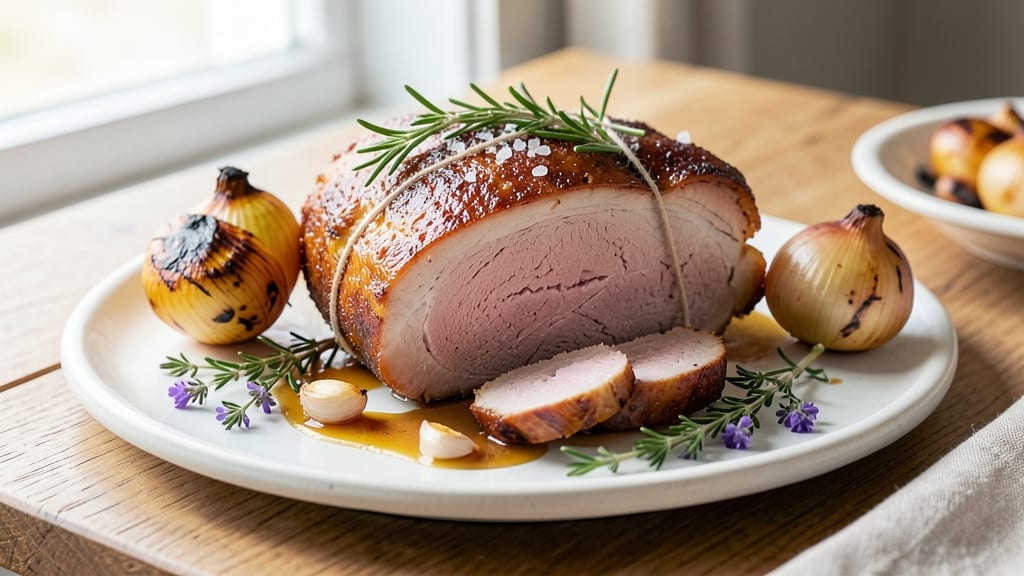
This boneless rolled pork roast recipe transforms a simple cut into a showstopping centerpiece with juicy, melt-in-your-mouth perfection—no butchering skills required. After years of perfecting this technique in my Atlanta kitchen, I’ve simplified it for home cooks while keeping the restaurant-quality results.
The secret lies in proper seasoning, precise rolling, and a high-heat sear that locks in moisture before slow roasting.
What makes this recipe stand out is the one-pan approach, where the pork roast rests directly on a bed of aromatics—garlic, onions, and herbs—that infuse every bite with deep, savory flavor.
Unlike traditional pork roasts, the boneless cut cooks faster (about 2 hours) and stays tender without drying out. I’ve tested this method with everything from heritage pigs to budget-friendly cuts, and it delivers the same impressive results every time.
The magic happens when you hit that 145°F internal temperature—just enough to render fat while keeping the meat tender. Resting for 15 minutes ensures juices redistribute, so every slice is moist and flavorful.
Serve with pan juices drizzled over roasted potatoes or crusty bread to soak up every last drop of that caramelized goodness.
Perfect for holiday dinners, family gatherings, or a special weeknight meal, this rolled pork roast impresses without the fuss. The technique is foolproof, and the results? Worth every minute of effort. Let’s get cooking—your table is about to become the talk of the town.
Ingredients for boneless rolled pork roast
Six ingredients transform this humble pork roast into restaurant-worthy centerpiece perfection.
| Ingredient | Amount | Notes |
|---|---|---|
| Boneless Pork Loin Roast 🍖 | 4 lb | Center-cut for even cooking |
| Yellow Onions 🧅 | 1 whole | Sliced into half-moons |
| Garlic Cloves 🧄 | 8 cloves | Smashed but not minced |
| Fresh Rosemary 🌿 | ¼ cup | Chopped stems removed |
| Fresh Thyme 🌿 | ¼ cup | Leaves only, stems removed |
| Kosher Salt 🧂 | 2 tbsp | Diamond Crystal preferred |
| Freshly Ground Black Pepper 🌶️ | 1 tbsp | Coarse grind preferred |
| Extra-Virgin Olive Oil 🫒 | ¼ cup | For searing and basting |
| Dried Oregano 🍃 | 1 tbsp | For finishing the crust |
| Apple Cider Vinegar 🍎 | 2 tbsp | For pan deglazing |
| Fresh Parsley 🌿 | ⅛ cup | Chopped for garnish |
| Unsalted Butter 🧈 | 2 tbsp | For basting during roast |
The pork loin is where it all begins—center-cut means even cooking, no tough ends. Costco or Whole Foods carry the best quality, but any well-marbled roast works. Look for good fat distribution, not too lean, not too fatty. If your butcher can trim it for you, ask for a 1.5-inch thick cut—this size rolls beautifully. The aromatics—onions, garlic, rosemary, and thyme—are non-negotiable; they build the flavor foundation. I always grab organic herbs from the grocery store's produce section—they're fresher than dried, and the flavor difference is noticeable.
No fresh rosemary? Dried works at one-third the amount, but trust me, fresh is worth it. Short on thyme? Fresh parsley or basil can stretch it, but thyme's piney note is key. For the salt, Diamond Crystal is my go-to—it dissolves better than table salt. The olive oil should be extra-virgin with fruity notes; none of that cheap cooking oil. Apple cider vinegar is the secret weapon for deglazing—it cuts through the porky richness beautifully. If you don't have it, red wine vinegar in a pinch, but the apple cider adds depth. The butter? Full-fat, cold from the fridge for basting—don't skip this part.
Pork roasts taste even better the next day, so make extra if you're feeding a crowd. Store leftovers in the fridge for 4-5 days or freeze for 3 months. For reheating, low and slow in a skillet with a splash of water keeps it moist. The pan juices? Freeze them in ice cube trays—perfect for drizzling over roasted veggies later. And if you're prepping ahead, season the pork 12 hours early—the salt will penetrate deeper, but don't let it sit longer than that or it'll dry out.
Why You'll Love This Recipe
- No Fuss Rolling: I swear by this trick—just slice the pork loin in half horizontally, pound it flat, and roll it like a jelly roll. No fancy butchering skills needed, and the onions and garlic stuffing stay put while it roasts. (Yes, even if you’re not a knife ninja.)
- Herb-Packed Magic: That rosemary and thyme? They don’t just happen—they infuse the pork until every bite smells like a Sunday dinner. The caramelized onions on top add a sweet, jammy depth that makes this taste like it simmered all day. (It didn’t. But you’ll never know.)
- Leftovers That Shine: This roast is so versatile—slice it thin for sandwiches, dice it into pasta, or serve it cold in salads. Honestly, I make it on Sundays just so I can repurpose it all week. The flavor only gets better as it sits, and it reheats like a dream.
- Budget-Friendly Feast: A single pork loin feeds six, and the rest of the ingredients cost pennies. Between us, this is my go-to for dinner parties because it looks impressive but won’t break the bank. Plus, the leftovers stretch into lunches without feeling like a chore. Win-win.
Step-by-step instructions for boneless rolled pork roast
Here's how to transform a simple pork loin into a showstopping, juicy centerpiece that stays moist and flavorful every time.
Prepare and Season the Pork Roast
Begin by slicing the 4 lb boneless pork loin roast horizontally into two even pieces if it's particularly thick. This ensures even cooking throughout. Pat both pieces completely dry with paper towels—this is crucial for developing that perfect crispy crust later. I like to use two paper towels in a sandwich method to catch any moisture.
In a small bowl, combine the 2 tbsp kosher salt, 1 tbsp freshly ground black pepper, 0.25 cup chopped fresh rosemary, and 0.25 cup fresh thyme leaves. Rub this mixture generously over all sides of the pork, pressing it into the meat so it adheres well. Let the seasoned pork rest at room temperature for 30 minutes while you prepare the rest of your ingredients. This resting period helps the meat cook more evenly and prevents any potential cold spots in the center.
Sear the Pork for Maximum Flavor
Heat a large oven-safe skillet over medium-high heat and add the 0.25 cup extra-virgin olive oil. Once the oil is shimmering but not smoking, carefully place the pork roast in the pan. Sear for 4-5 minutes per side until each side develops a deep golden-brown crust. Don't rush this step—the crust is what locks in all those juices during roasting.
While the pork sears, prepare your aromatics. Add the 1 whole yellow onion sliced into half-moons and the 8 smashed garlic cloves to the pan. Cook for 3-4 minutes until the onions begin to soften and the garlic releases its fragrant aroma. This step builds layers of flavor that will infuse into your pork as it roasts.
Roll and Tie the Pork
Remove the pork from the pan and place it on a clean cutting board. Starting from one end, tightly roll the pork into a log shape. As you roll, tuck any loose edges underneath to maintain a compact shape. This rolling technique helps the pork cook more evenly and creates a beautiful presentation.
Secure the rolled pork with kitchen twine at 1-inch intervals along the length. This prevents the roast from unrolling during cooking. Return the rolled pork to the skillet with the onions and garlic, spooning any accumulated juices from the cutting board over the top. The onions and garlic will continue to cook and add flavor as the pork roasts.
Roast to Juicy Perfection
Transfer the skillet to a preheated 425°F oven and roast for 25-30 minutes. After this initial period, reduce the oven temperature to 325°F and continue roasting for an additional 1 hour 15 minutes to 1 hour 30 minutes, or until the internal temperature reaches 145°F when measured with a meat thermometer. The pork is done when it reaches this temperature and the juices run clear when pierced with a knife.
About 15 minutes before the pork is fully cooked, remove it from the oven and increase the heat to broil. Brush the top of the pork with melted 2 tbsp unsalted butter and sprinkle with 1 tbsp dried oregano. Return it to the broiler for 2-3 minutes to create a beautiful golden-brown crust. Watch it closely to prevent burning.
Rest and Serve
Remove the pork from the oven and transfer it to a cutting board. Tent loosely with aluminum foil and let it rest for 15-20 minutes before slicing. This resting period allows the juices to redistribute throughout the meat, ensuring each slice is moist and flavorful. During this time, you can deglaze the pan with 2 tbsp apple cider vinegar to create a quick pan sauce.
Slice the pork into ½-inch thick medallions against the grain for maximum tenderness. Garnish with 0.125 cup chopped fresh parsley and serve with the pan sauce spooned over the top. The result should be a beautifully browned, juicy roast with layers of herb and garlic flavor in every bite.
Pro Tips For Making Boneless Rolled Pork Roast
- Trim the Fat First: If your pork loin has even a whisper of fat, slice it off—it’ll make the roast cook faster and more evenly. I learned this the hard way when my first attempt turned out dry on the edges because the fat rendered unevenly.
- Sear Before Rolling: Hit that pork loin with a hot pan for 2-3 minutes per side before rolling it up. The crust locks in flavor and keeps the juices from leaking out while it roasts—no more gray, bland meat.
- Don’t Overstuff the Roll: Pack the onions and herbs loosely inside the roast—too much pressure flattens the roll and makes it harder to slice later. My grandmother swore by this, and she was right: tight rolls fall apart.
- Rest It Right: After roasting, tent the pork with foil and let it sit for 5-10 minutes—yes, even if you’re impatient like me. Skipping this step means dry slices, and nobody wants that.
Perfect pairings for this recipe
Classic Southern Sides
This rolled pork roast shines brightest with traditional Southern sides that soak up every drop of pan sauce.
I always serve it with creamy mashed potatoes—whip up 2 lbs Yukon Gold potatoes with ½ cup sour cream, 4 tbsp butter, and ½ cup whole milk until silky smooth. For extra richness, fold in ½ cup sharp cheddar cheese just before serving. 🥔
Collard greens are a must for balance—sauté 1 lb collards with 2 slices bacon, 1 onion, and 3 garlic cloves until tender, then simmer in 4 cups chicken broth with 1 tsp red pepper flakes for 30 minutes. Finish with a splash of lemon juice and salt to taste. The tangy greens cut through the pork's richness beautifully.
Crusty Bread Essentials
No Southern meal is complete without freshly baked bread to mop up those juices. I love Texas toast—slice 1 loaf sourdough into ½-inch thick pieces, brush with melted butter, and toast in a cast-iron skillet over medium heat until golden and crisp.
For a heartier option, try cornbread with a jalapeño-cheddar variation—mix 1 box Jiffy cornbread mix with ½ cup shredded cheddar, 2 diced jalapeños, and ½ cup buttermilk for extra moisture.
Light and Fresh Contrasts
To balance the richness, add cucumber salad—slice 2 Persian cucumbers and 1 red onion, then toss with ¼ cup red wine vinegar, 2 tbsp olive oil, 1 tsp sugar, and salt. The cool, crisp flavors refresh your palate after each bite of pork. 🥒
For a bright, herby touch, serve roasted asparagus with lemon and garlic. Toss 1 bunch asparagus with 2 tbsp olive oil, 3 minced garlic cloves, zest of 1 lemon, salt, and pepper, then roast at 400°F for 12-15 minutes until tender-crisp.
The acidity from the lemon elevates the entire meal.
Dessert Pairings
End the meal with peach cobbler—peaches are a Southern staple that complement pork perfectly. Use 4 ripe peaches, sliced and baked with ½ cup brown sugar, 1 tsp cinnamon, and a bisquick crust until bubbly. Serve warm with vanilla ice cream for a crowd-pleasing finish. 🍑
Nutrition facts
Frequently asked questions
Can I use a bone-in pork loin instead of boneless?
The technique works differently with bone-in pork. If you must use bone-in, trim the fat cap and remove the bone first—it's easier than rolling. The bone adds moisture but requires longer cooking (3-4 hours at 300°F) to avoid drying. For best results, stick with boneless for the rolled method.
How do I prevent the pork from drying out?
Moisture control is key! First, never skip the 15-minute rest before slicing. Second, use a meat thermometer—remove the pork at 145°F, not by time alone. Third, baste with butter every 20 minutes during roasting. Finally, avoid overcrowding the pan when searing.
What if my rolled pork unrolls during cooking?
This happens when the twine isn't tight enough. Secure it with 3-4 pieces of twine spaced 1-inch apart—use butcher's twine if you have it. For extra stability, roll the pork on a baking sheet before tying. If it starts unrolling, press it back gently with a spatula and add more twine.
Can I make this ahead of time?
Cook the pork 1 day ahead and refrigerate. Reheat in a 325°F oven for 20-25 minutes with a splash of water in the pan. For make-ahead prep, season the pork 12 hours early (but don't cook it yet)—this lets the salt penetrate deeper. Freeze cooked slices for 3 months in airtight containers.
What's the best way to slice rolled pork?
Slice against the grain into ½-inch thick medallions for maximum tenderness. First, remove the twine. Then, cut perpendicular to the roll's length—this shortens the muscle fibers. For even slices, use a sharp chef's knife and rock the blade gently while slicing.