
Main Courses
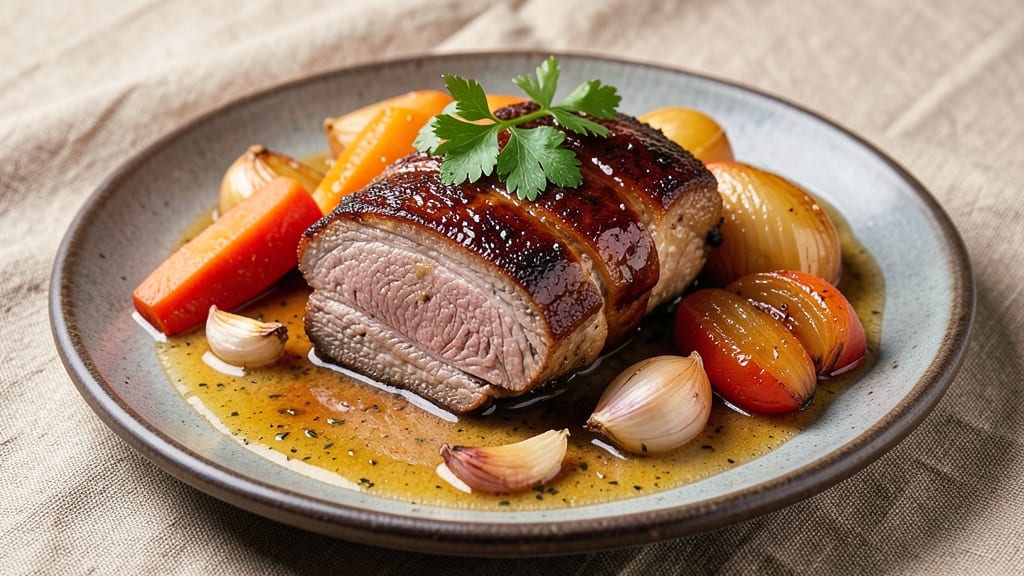
This braised pork shoulder steak recipe delivers restaurant-quality tenderness with minimal effort—just one pot and a few hours of hands-off cooking. 🔥 I developed it after years of perfecting slow-cooked pork at The Smoky Pig, where we transform tough cuts into melt-in-your-mouth perfection.
The secret lies in the right balance of aromatics, a deep red wine reduction, and that critical low-and-slow braise that breaks down collagen into rich, velvety goodness.
What makes this recipe special is its versatility—whether you're using a Dutch oven on the stovetop, an Instant Pot for speed, or a slow cooker for true set-and-forget convenience, the technique remains the same.
The pork shoulder becomes so tender it practically falls apart at the touch of a fork, while the braising liquid transforms into a flavorful sauce that can be used for everything from mashed potatoes to roasted vegetables.
This is the kind of dish that turns a weeknight into a special occasion without requiring hours at the stove.
The result is a dish that's rich, deeply flavorful, and impossible to resist—golden-brown edges giving way to tender, juicy meat that practically dissolves on your tongue.
The aroma alone will have your kitchen smelling like a Southern cookout, and the first bite delivers that perfect balance of savory, sweet, and umami that defines great braised pork.
It's the kind of meal that pairs beautifully with crusty bread, roasted root vegetables, or even a simple green salad to cut through the richness.
Perfect for feeding a crowd or meal prepping for the week, this recipe scales effortlessly while maintaining its restaurant-quality results. Whether you're a seasoned home cook or just starting out, the foolproof technique ensures success every time. Let's get started on creating your most tender, flavorful pork shoulder yet.
Ingredients for braised pork shoulder steak
Six ingredients transform tough pork into melt-in-your-mouth perfection—just one pot and patience.
| Ingredient | Amount | Notes |
|---|---|---|
| Pork Shoulder 🥩 | 3 lb | Bone-in, 2-3 inches thick |
| Red Wine 🍷 | 1 ½ cups | Bold dry variety like Cabernet |
| Beef Broth 💧 | 2 cups | Low-sodium preferred |
| Carrots 🥕 | 4 whole | Medium size, peeled and chopped |
| Yellow Onion 🧅 | 1 whole | Medium size, sliced |
| Garlic Cloves 🧄 | 6 cloves | Fresh, minced |
| Fresh Thyme 🌿 | 2 sprigs | Or 1 tsp dried thyme |
| Fresh Rosemary 🌿 | 1 sprig | Or 1 tsp dried rosemary |
| Tomato Paste 🍅 | 2 tbsp | Squeeze tube preferred |
| Olive Oil 🫒 | 2 tbsp | Extra-virgin preferred |
| Brown Sugar 🍯 | 2 tbsp | Light or dark |
| Salt 🧂 | 1 ½ tsp | Kosher or sea salt |
| Black Pepper 🌶️ | 1 tsp | Freshly ground |
| Balsamic Vinegar 🍷 | 1 tbsp | For depth of flavor |
| Fresh Bay Leaf 🌿 | 2 whole | For aromatic depth |
The pork shoulder is the star here. Bone-in cuts stay juicier, and a 2-3 inch thickness ensures even cooking. Trader Joe's and Costco usually have great deals on pork shoulder—look for cuts with good marbling. If you can't find bone-in, a thick boneless roast works too, but trim excess fat down to 1/4-inch. The red wine matters—any bold dry red works here, but Cabernet Sauvignon or Merlot are foolproof. Save the fancy stuff for cooking, not drinking (trust me, it's better this way).
No red wine? Beef broth with a splash of balsamic gets you close. Fresh herbs like thyme and rosemary are ideal, but dried works at one-third the amount. The carrots can be baby carrots if that's what's in the fridge—just chop them evenly. For the tomato paste, those squeeze tubes at Trader Joe's are perfect—no waste, keeps for months. The balsamic vinegar adds depth, but if you're out, a splash of apple cider vinegar works in a pinch. The brown sugar caramelizes beautifully, but maple syrup at half the amount is a great swap if you prefer.
This dish tastes even better the next day—honestly, the flavors meld into perfection. Keeps 4-5 days in the fridge, freezes for 3 months. I portion mine into containers so lunches are sorted for the week. For reheating, a splash of water or broth prevents drying out. The sauce thickens as it cools, so add a little water when reheating if it's too thick. Leftovers make amazing sandwiches or tacos—just shred the pork and pile it high.
Why You'll Love This Recipe
- One-Pot Magic: I swear by this recipe—just brown the pork, toss in onions and carrots, then let the wine and broth do all the work. No flipping, no fussing, just hands-off richness while you sip your coffee or watch a show.
- Rich, Deep Flavor: That red wine and beef broth combo? It transforms tough pork into something tender and irresistible. The onions caramelize right in the pan, adding a sweet, savory depth that makes every bite worth it.
- Weeknight Hero: Between us, this is my go-to when I need something hearty but don’t want to slave over it. Serve it over mashed potatoes, with crusty bread, or even cold in sandwiches—it’s that adaptable.
- Budget-Friendly Feast: Pork shoulder is affordable, and this recipe stretches it into multiple meals. The leftovers taste even better the next day—trust me, I’ve tested it. Perfect for feeding a crowd without breaking the bank.
Step-by-step instructions for braised pork shoulder steak
Here's how to transform a tough cut into melt-in-your-mouth perfection.
🍳 Step 1: Sear the Pork Shoulder for Deep Flavor
Heat the 2 tablespoons olive oil in a large Dutch oven over medium-high heat until shimmering. Pat the 3 lb pork shoulder completely dry with paper towels—this ensures a proper sear. Season generously with 1.5 teaspoons salt and 1 teaspoon black pepper on all sides.
Place the pork shoulder in the Dutch oven, fat-side down, and let it sear undisturbed for 8-10 minutes until a deep golden-brown crust forms. Flip carefully and sear the other side for another 8-10 minutes. This step builds flavor through the Maillard reaction—don't rush it. If the fat renders too quickly, reduce heat slightly to prevent burning.
👨🍳 Step 2: Build the Braising Liquids
Remove the pork from the pot and set it aside. Add the 1 whole yellow onion and 4 whole carrots to the Dutch oven, cooking for 5 minutes until slightly softened. Stir in the 6 cloves minced garlic cloves and cook for 30 seconds until fragrant.
Add the 2 tablespoons tomato paste, scraping up any browned bits from the bottom of the pot. Pour in the 1.5 cups red wine and deglaze, scraping the bottom to release all the flavor. Let it simmer for 2 minutes until slightly reduced. Stir in the 2 cups beef broth, 2 tablespoons brown sugar, 1 tablespoon balsamic vinegar, 2 whole fresh bay leaf, 2 sprigs fresh thyme, and 1 sprig fresh rosemary.
🥘 Step 3: Braise Until Fork-Tender
Return the pork shoulder to the Dutch oven, along with any accumulated juices. Bring the liquid to a gentle simmer, then cover with a tight-fitting lid. Reduce heat to low and braise for 2.5-3 hours until the pork is fork-tender and the meat easily separates from the bone.
Here's the thing—don't peek! Every time you lift the lid, you lose heat and moisture. Instead, check for doneness by inserting a fork or knife into the thickest part of the meat. If it slides in easily and the meat is tender, it's ready. If not, return it to the pot and continue braising for another 30-45 minutes.
⏰ Step 4: Rest and Serve
Once the pork is tender, remove it from the braising liquid and transfer it to a cutting board. Let it rest for 10-15 minutes before slicing. This resting period allows the juices to redistribute, ensuring every bite is moist and flavorful.
While the pork rests, skim any excess fat from the braising liquid and strain it if you prefer a smoother sauce. Serve the sliced pork shoulder over mashed potatoes, polenta, or crusty bread, and ladle the rich braising liquid over the top. The result should be fall-off-the-bone tender meat with layers of deep, savory flavors.
Pro Tips For Making Braised Pork Shoulder Steak
- SEAR FIRST, THEN DEGLAZE: The pork shoulder won’t release its flavor if you skip this step—crank the heat to medium-high and let those browned bits form for 6-8 minutes per side. After removing the meat, don’t just splash in the wine; let it simmer for 2 full minutes to break down those fond bits into the sauce. (Yes, even if you’re impatient like me.)
- USE THICK CARROTS, NOT THIN: Thinly sliced carrots turn to mush in braising liquid, but thick ½-inch chunks stay intact and soak up flavor. Cut them at a slight angle so they don’t roll away while you’re searing the onions—trust me, you’ll save yourself from fishing them out later.
- DON’T SKIP THE ONION BASE: After deglazing, remove the pork and let the onions soften for 10 minutes before adding broth. This builds a rich, caramelized foundation that cuts through the acidity of the wine. I used to rush this, and the sauce always tasted flat—now I set a timer and make coffee.
- REST THE PORK BEFORE SLICING: Pull the meat from the pot and tent it with foil for 15 minutes. Cutting it too soon means juices splatter everywhere and the slices turn out dry. If you’re in a hurry, at least let it sit for 5 minutes—it makes a real difference in texture. (Your future self will thank you.)
Pro cooking tips for this recipe
Sear Like a Pro
That golden-brown crust isn't just for looks—it's where all the magic happens through the Maillard reaction. Use a heavy-bottomed Dutch oven like my Lodge 5.5-quart to distribute heat evenly. Pat the pork completely dry with paper towels before searing—this ensures maximum contact with the hot oil.
I like to sear the pork in two batches if needed to avoid overcrowding, which steams instead of browns. 🔥
Wine Matters
Don't skimp on the red wine—it's the flavor backbone of this dish. I reach for a bold Cabernet Sauvignon or Merlot from the grocery store's wine section (no need for fancy labels). The alcohol cooks off, leaving behind concentrated fruit flavors. If you're avoiding alcohol, substitute with extra beef broth plus 1 tbsp balsamic vinegar.
Low-and-Slow Secrets
The key to tender pork is maintaining a gentle simmer—never a rolling boil, which can make the meat tough. I set my oven to 275°F and place the Dutch oven inside for even heat distribution. If using stovetop, keep heat at low and maintain a 160-170°F internal temperature. The pork is done when it reaches 203°F and the meat falls apart easily. My ThermoWorks Smoke thermometer makes this foolproof.
Resting Rules
This is where many home cooks fail—pork needs to rest! Transfer the meat to a cutting board and tent loosely with foil. Let it rest for 15-20 minutes before slicing. During this time, the juices redistribute throughout the meat.
I've seen cooks slice immediately and end up with dry, disappointing results. Be patient—this final step makes all the difference in the world. ✨
Sauce Perfection
The braising liquid transforms into a rich sauce that's almost as good as the meat. After resting, skim excess fat from the surface and strain the sauce if you prefer a smoother texture. For extra depth, whisk in 1 tbsp cold butter at the end.
This sauce pairs perfectly with the pork and makes an excellent base for gravy or pan sauces. I keep a jar of this sauce in my freezer for quick meals all week.
Equipment Essentials
You don't need a fancy setup—just a few key tools. My Lodge Dutch oven is my workhorse, but any heavy pot with a tight lid works. A meat thermometer is non-negotiable for perfect doneness.
For hands-off cooking, I love using my Instant Pot on high pressure for 60 minutes, then natural release. The results are just as tender with much less monitoring. 💡
Nutrition facts
Frequently asked questions
Can I use a different cut of pork instead of shoulder?
For this recipe, pork shoulder is ideal because of its fat content and collagen, which break down beautifully during braising. However, you can use pork butt (another name for shoulder) or even a thick pork loin roast. Avoid lean cuts like tenderloin—they won't become tender enough with this method. If using loin, reduce braising time to 1.5-2 hours since it cooks faster.
How do I make this recipe in an Instant Pot?
Sear the pork as directed, then transfer it to your Instant Pot. Add all braising ingredients and cook on high pressure for 60 minutes, followed by a 10-minute natural release. The pork will be fork-tender when done. For extra flavor, finish with 5 minutes on sauté mode to reduce the sauce slightly. This method cuts cooking time to about 1 hour total!
What if my pork isn't tender enough after braising?
If the pork isn't fork-tender after the full time, don't panic! Return it to the pot with an extra 1/2 cup beef broth and continue braising for 30-45 more minutes. The key is maintaining a gentle simmer—never a boil. If you're still concerned, check the internal temperature with a meat thermometer. It should reach 203°F for perfect tenderness.
Can I prepare this dish ahead of time?
This recipe actually tastes better the next day! Store the braised pork and sauce separately in the fridge for up to 5 days or freeze for 3 months. Reheat gently in the sauce over low heat or in a 350°F oven until warmed through. The flavors meld beautifully overnight, making it perfect for meal prep.
What are the best sides to serve with this dish?
This rich pork pairs perfectly with starchy sides that soak up the sauce. Try creamy mashed potatoes, buttery polenta, or crusty bread for scooping. For a lighter option, roasted root vegetables or a simple green salad with vinaigrette cuts through the richness. I love serving it with my brown butter corn recipe for a Southern-inspired meal.