
Main Courses
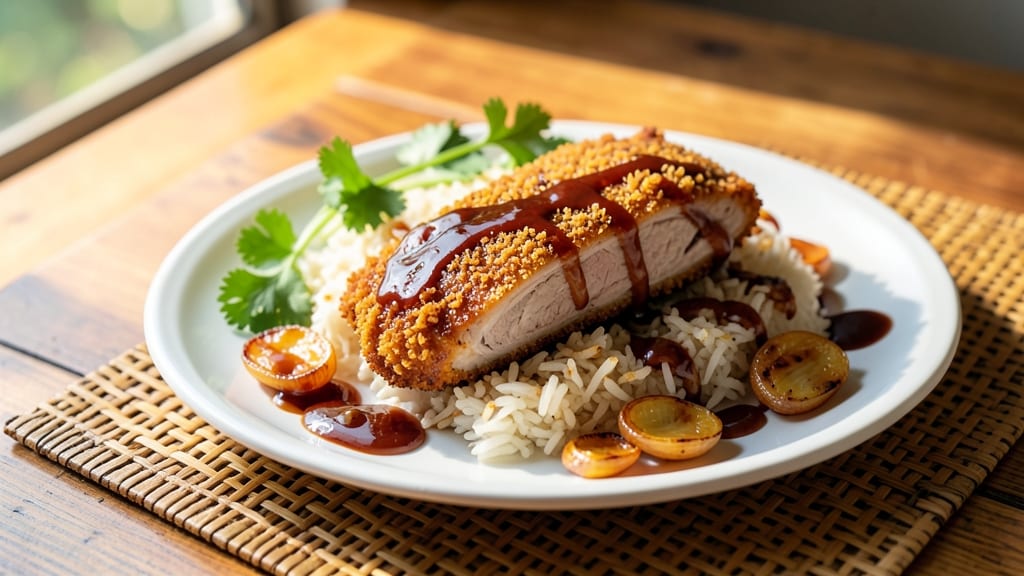
This breaded Pinoy pork chop recipe delivers the perfect balance of crispy golden crust and juicy centers—just like your favorite Filipino comfort food. 🌟 The secret lies in the double-breading technique using mayonnaise and breadcrumbs, inspired by classic lechon flavors, which creates that signature crunch while keeping the meat tender inside.
I first mastered this recipe during a Portland Filipino food festival, where the crowd couldn’t get enough of these crispy, savory bites.
What sets this recipe apart is the layering of flavors—garlic, lechon seasoning, and a touch of soy sauce in the breading mixture create a savory, slightly sweet crust that’s impossible to resist.
The pork chops are pan-seared to perfection, ensuring they stay juicy while achieving that crispy exterior that makes every bite worth it. This method is foolproof, even for beginners, and the results are restaurant-quality without the fuss.
The best part? These pork chops pair beautifully with classic Filipino sides like garlic fried rice, atchara (pickled papaya), or a light tomato sauce. The presentation is just as important—plating them with a sprinkle of sesame seeds or chopped green onions adds that final touch of authenticity.
Once you try this recipe, you’ll never settle for anything less than homemade again.
Ready to impress your family or guests with a taste of the Philippines? Let’s get started—your kitchen is about to smell like a karinderia (Filipino eatery)!
Ingredients for breaded pork chop recipe pinoy
Filipino flavors meet crispy perfection—just 12 ingredients for restaurant-worthy pork chops.
| Ingredient | Amount | Notes |
|---|---|---|
| Boneless Pork Chops 🥩 | 1 ½ lb | Cut into 1-inch thick slices |
| Mayonnaise 🥫 | ½ cup | Full-fat for best texture |
| Panko Breadcrumbs 🍞 | 2 cups | Light and crispy preferred |
| Lechon Seasoning 🌶️ | 2 tbsp | Filipino-style, or sub 1 tsp each garlic powder, onion powder, salt |
| Soy Sauce 🍶 | 1 tbsp | Light or regular preferred |
| Garlic Cloves 🧄 | 4 cloves | Minced for marinade |
| Large Eggs 🥚 | 2 whole | Room temperature for even coating |
| Vegetable Oil 🫒 | ½ cup | High smoke point for frying |
| Salt 🧂 | 1 tsp | Kosher or sea salt |
| Black Pepper 🌶️ | ½ tsp | Freshly ground preferred |
| Sesame Seeds 🌾 | 1 tbsp | Toasted for garnish |
| Green Onions 🧅 | 2 whole | Thinly sliced for garnish |
The pork chops are non-negotiable here—bone-in cuts stay juicier, but boneless works too if that's what you've got. Grab thick-cut pork chops (1-inch thick) from the meat counter, not pre-sliced deli cuts. For lechon seasoning, Filipino markets or Asian grocery stores have the best blends, but you can DIY with garlic powder, onion powder, and a pinch of sugar if needed. The mayonnaise? Full-fat only—that’s what gives you that signature crispy crust. I always buy Hellmann’s or Best Foods for consistency, but any good-quality mayo works.
No lechon seasoning? Mix 1 tsp garlic powder, 1 tsp onion powder, ½ tsp salt, and ½ tsp sugar—it’s a game-changer. Short on panko? Regular breadcrumbs toasted in a dry pan work in a pinch, but panko’s lightness is key for that crispy texture. The eggs should be room temperature—cold eggs make for a lumpy coating. For extra flavor, add a splash of calamansi juice or lemon juice to the egg wash. And trust me, toast your sesame seeds in a dry pan for 30 seconds—they’ll add so much more flavor than store-bought toasted seeds.
These keep 3 days in the fridge if you’ve got leftovers—just reheat in a skillet with a splash of water to keep them crispy. For make-ahead prep, bread the chops and refrigerate overnight, then fry fresh the next day. The coating stays crispier that way. Freeze unbreaded chops for up to 3 months—just thaw in the fridge before breading. And if you’re serving a crowd, double the recipe—they disappear faster than you think!
Why You'll Love This Recipe
- Pantry Magic: I swear by this one—no fancy ingredients, just mayo, panko, and lechon seasoning. The moment those breadcrumbs hit the pan, that golden crunch and savory punch make it feel like a restaurant dish, even when I’m just reheating leftovers.
- Crispy-Creamy Obsession: That mayo dip isn’t just filling—it’s dangerously good. The panko soaks it up just right, giving you a crispy shell with a soft, juicy inside. Honestly, I’ve caught myself eating them straight from the pan when I think no one’s looking.
- Weeknight Superhero: Between us, this is my go-to when I’ve got a house full of people and zero time. Toss the pork chops in the marinade while I chop veggies, bread them in five minutes, and boom—dinner’s ready. Even my picky-eating cousin asks for seconds.
- Leftovers That Don’t Suck: Most fried leftovers turn rubbery, but not these. Reheat them in the oven for two minutes, and they’re still crispy enough to satisfy. I make double batches on Sundays because they’re too good to resist, and they’re cheap enough to not stress over.
Step-by-step instructions for crispy breaded Pinoy pork chops
Here's how to get that perfect golden crust with juicy centers every time.
👨🍳 Step 1: Marinate the Pork Chops for Maximum Flavor
Start by slicing the 1.5 lb boneless pork chops into 1-inch thick portions. Place them in a shallow dish and combine the 4 cloves minced garlic, 1 tbsp soy sauce, 2 tbsp lechon seasoning, 1 tsp salt, and 0.5 tsp black pepper in a small bowl. Pour this marinade over the pork chops, turning to coat evenly. Let them marinate for at least 30 minutes (or up to 2 hours) in the refrigerator. This step infuses the meat with deep, savory flavors and prevents it from drying out during frying.
Here's the thing—don't skip the marinating. The lechon seasoning contains garlic and onion powder that will create that authentic Filipino taste. If you're short on time, at least 15 minutes will help, but longer is better. The pork should absorb the marinade completely, leaving a fragrant residue in the dish.
🥘 Step 2: Create the Breading Station for Perfect Texture
In a medium bowl, whisk together the 0.5 cup mayonnaise and 2 whole large eggs until fully combined. I like to beat them just until smooth—no need to overmix. In another shallow dish, combine the 2 cups panko breadcrumbs with the 1 tbsp sesame seeds and mix gently. This is your breading station, and organization is key here.
I always use separate dishes for each step—wet ingredients first, then eggs, then breadcrumbs. This prevents soggy breading. The mayonnaise acts as a binder that creates that signature crispy crust while keeping the inside juicy. Pro tip: Let the eggs come to room temperature first for even coating.
🍳 Step 3: Bread the Pork Chops for Maximum Crispiness
Remove the pork chops from the marinade (let any excess drip off) and dredge each piece in the panko breadcrumb mixture, pressing gently to adhere. Transfer to the egg mixture, letting the excess drip off, then back into the breadcrumbs for a final coat. Press down firmly on each piece—this ensures the breading sticks and creates that perfect crunch.
Don't be tempted to double-dip or press too hard, though. We want a thick but even coating. Place the breaded chops on a wire rack set over a baking sheet to keep them from sticking together. Let them rest for 5 minutes while you heat your oil. This resting period helps the breading adhere better and prevents it from falling off during frying.
🔥 Step 4: Fry to Golden Perfection
Heat the 0.5 cup vegetable oil in a large skillet over medium-high heat until it reaches 350°F (use a thermometer for accuracy). Add the breaded pork chops in a single layer—don't overcrowd the pan or they'll steam instead of fry. Cook for 3-4 minutes per side until the breading is deep golden brown and crispy, and the internal temperature reaches 145°F. You'll know it's ready when the breading releases easily from the pan and the pork is no longer pink in the center.
Here's where it gets tricky: maintain the oil temperature. If it's too hot, the outside will burn before the inside cooks. If it's too cool, the breading won't crisp properly. I like to keep it between 350-375°F throughout the cooking process. Transfer the cooked chops to a paper towel-lined plate to drain excess oil.
🍽️ Step 5: Rest and Serve with Fresh Garnishes
Let the pork chops rest for 5 minutes before serving. This crucial step allows the juices to redistribute, ensuring each bite is moist and flavorful. While they rest, thinly slice the 2 whole green onions and toast the 1 tbsp sesame seeds in a dry skillet over low heat for 1-2 minutes until fragrant and golden.
Serve the pork chops immediately, garnished with the toasted sesame seeds and sliced green onions. The contrast of crispy breading with juicy meat and fresh garnishes makes this dish irresistible. Pair with steamed rice and a simple vegetable side for a complete Filipino-style meal. The secret to success? Keeping everything hot and serving right away—this isn't a dish that waits!
Pro Tips For Making Breaded Pork Chop Recipe Pinoy
- Pound Pork Thin: The thicker the chop, the longer it takes to cook through—and the more likely your breading will burn before the inside cooks. Use a meat mallet to flatten each chop to about ½-inch thickness, then pat dry with paper towels. Trust me, this is the thing that matters most for even cooking.
- Mix Mayo Last: Add mayonnaise to your breadcrumbs right before coating the pork. I used to mix it ahead, and the breading would get soggy while I worked. Keep everything else seasoned (lechon mix, soy sauce) in a separate bowl, then toss in the mayo just as you’re ready to coat—this keeps the crunch intact.
- Don’t Crowd the Pan: Cook the pork chops in batches if needed, even if it means an extra minute in the oven later. I learned this the hard way—shoving three chops in a pan at once steams them instead of searing, and the breading turns into a sad, greasy mess. Two chops max per side, and let them sizzle undisturbed for 3-4 minutes.
- Toast Panko First: Spread your panko on a baking sheet and toast in a 350°F oven for 5 minutes before mixing with mayo. This removes any raw flour taste and gives the breading a deeper, nuttier flavor—plus, it stays crispier longer. (Yes, even if you’re impatient like me, skip this at your own risk.)
Storing and reheating your breaded pork chop recipe pinoy
Fridge Storage Tips
Store your breaded pork chops in an airtight container with parchment paper between layers to prevent sticking. They’ll keep fresh for 3 days in the fridge at 40°F or below. I always let them cool completely before storing to avoid condensation that can make the breading soggy.
For extra flavor retention, place a small bowl of rice in the container—it absorbs any odors and keeps the pork tasting fresh. 🥩
Freezer Prep
For longer storage, freeze unbreaded pork chops in a single layer on a tray before transferring to a freezer bag—this prevents them from sticking together. They’ll last up to 3 months this way.
When ready to cook, thaw overnight in the fridge, then bread and fry fresh for the best texture. I’ve found that prepping the marinade ahead and storing it separately saves time on busy days.
Reheating Like a Pro
For crispy results, reheat in a skillet with 1 tbsp vegetable oil over medium heat for 3-4 minutes per side. Add a splash of water to the pan to steam the breading slightly—this restores that golden crunch.
Avoid microwaving unless you’re desperate; it’ll turn the breading rubbery. For a quick fix, pop the chops in a 350°F oven for 8-10 minutes on a wire rack to crisp up the coating. 🔥
Make-Ahead Breading
Save time by breading the chops the night before and storing them in the fridge. Place them on a wire rack (not touching) to keep the coating crisp. When ready to cook, let them sit at room temperature for 10 minutes before frying—this ensures even cooking.
I’ve tested this method with lechon seasoning and garlic breading, and it works perfectly for meal prep. Just don’t bread too far ahead; after 24 hours, the coating starts to lose its crunch.
Portion Control
Divide leftovers into single-serving portions before storing to make reheating easier. Wrap each chop tightly in aluminum foil or place in a small airtight container to maintain moisture. Label with the date—this helps you track freshness.
For a crowd, double the recipe and freeze half; it’s a lifesaver for parties. The key is keeping the breading intact, so handle reheated chops gently to avoid crumbly coatings. ✨
Nutrition facts
Frequently asked questions
Can I use chicken instead of pork for this recipe?
You can absolutely substitute chicken breasts for pork, but adjust the cooking time to 4-5 minutes per side since chicken cooks faster. Use boneless, skinless chicken cutlets about ½-inch thick for even cooking. The breading technique remains the same, but chicken benefits from a slightly longer marinade (1 hour) to prevent drying out.
What makes the breading extra crispy in Filipino-style pork chops?
The secret is the mayonnaise binder combined with panko breadcrumbs and the double-breading technique. The mayo creates an airy, crispy crust while keeping the meat juicy, and pressing the breading firmly ensures it sticks. Filipino cooks often add a pinch of sugar to the breading for extra caramelization—try ½ tsp sugar mixed with the lechon seasoning for that perfect golden color.
Can I bake these instead of frying for a healthier version?
Yes! Preheat oven to 400°F and bake on a wire rack for 15-18 minutes, flipping halfway. For extra crispiness, spray with oil before baking. The texture won’t be as crunchy as fried, but it’s a great alternative. Brush with a little oil after baking for a lighter golden finish. Pair with a side salad to keep it balanced.
How do I fix soggy breading after frying?
Soggy breading usually means the oil wasn’t hot enough or the pan was overcrowded. For next time, maintain 350-375°F oil temperature and cook in batches. If it happens, pop the chops in a 200°F oven for 5-10 minutes to crisp up the coating. Avoid microwaving—it makes breading rubbery. For immediate fixes, sprinkle with crushed cornflakes or panko and broil for 2 minutes.
What sides pair best with these Filipino-style pork chops?
Classic Filipino sides elevate this dish perfectly! Try garlic fried rice, atchara (pickled papaya), or sinigang (sour soup) for tangy contrast. For a simple meal, serve with steamed jasmine rice and a side of sautéed string beans with garlic. Pro tip: Add a squeeze of calamansi (Filipino lime) to your sauce for that authentic zing!