
Main Courses
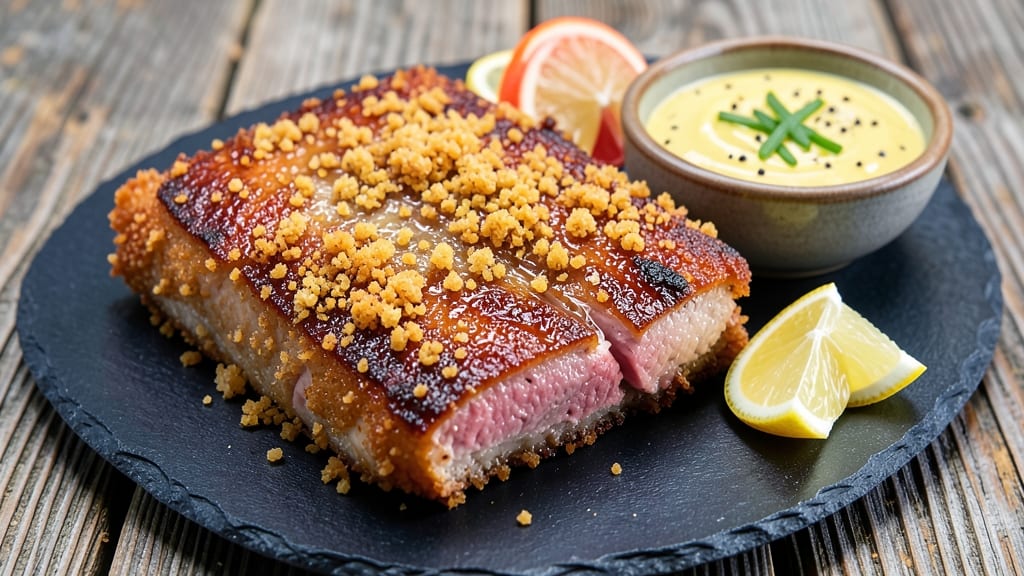
This breaded pork shoulder steak recipe delivers the perfect balance of crispy golden crust and juicy pink center that makes every bite irresistible. 🔥 After years of perfecting this technique in my kitchen—and on the pit at Smoky Pig—I can confidently say this is the method that converts even the most skeptical pork lovers.
The secret lies in a double-breading process that locks in moisture while creating that signature crunch. What sets this recipe apart is the combination of a dry brine and precise breading sequence. First, we salt the pork generously to draw out moisture, then pat it dry for maximum crispiness.
The breading station—flour, beaten egg, and panko—works in harmony to create a crust that shatters with every bite while keeping the interior tender and flavorful. This isn't just another breaded pork recipe; it's a restaurant-quality technique simplified for home cooks.
By the time you serve this, you'll have perfectly seared pork shoulder steaks with edges that are crispy enough to stand alone and a center that's so tender it melts in your mouth.
The aroma alone will have your guests asking for the recipe before they even take their first bite. Trust me—this is the kind of dish that turns weeknight dinners into memorable meals.
Serve with a simple arugula salad dressed in lemon vinaigrette or roasted sweet potato wedges to complete the plate. The crispy crust holds up beautifully, making this perfect for both casual family dinners and special occasions. Let's get cooking!
Ingredients for breaded pork shoulder steak
Pork shoulder steaks plus a few pantry staples—this is your crispy, juicy magic combo.
| Ingredient | Amount | Notes |
|---|---|---|
| Pork Shoulder Steak 🐖 | 1 ½ lb | Boneless, cut 1-inch thick |
| Kosher Salt 🧂 | 2 tbsp | For dry brine (plus extra) |
| All-Purpose Flour 🌾 | 1 cup | For first breading layer |
| Large Eggs 🥚 | 2 whole | Beaten for egg wash |
| Japanese Panko Breadcrumbs 🍞 | 2 cups | Light and crispy preferred |
| Ground Black Pepper 🌶️ | 1 tsp | Freshly cracked for heat |
| Garlic Powder 🧄 | 1 tsp | For breading flavor |
| Onion Powder 🧅 | 1 tsp | Adds depth to crust |
| Vegetable Oil 🫒 | ½ cup | High smoke point for frying |
| Butter 🧈 | 2 tbsp | Unsalted, for basting |
| Fresh Parsley 🌿 | ¼ cup | Chopped, for garnish |
| Lemon Wedges 🍋 | 2 whole | For serving |
The pork shoulder is your star—look for cuts with good marbling at Whole Foods or your butcher. If pre-cut isn't available, ask for a 1-inch thick slice; thicker pieces won't sear properly. I always buy mine 2-3 days ahead and let it sit uncovered in the fridge—this helps the dry brine work its magic. For the breading, Japanese panko is non-negotiable (the Trader Joe's brand is my go-to), but if you're in a pinch, regular breadcrumbs toasted in a dry pan work too. The key is keeping everything dry before frying—pat that pork like you mean it!
No kosher salt? Diamond Crystal kosher salt is the gold standard, but any fine sea salt works at the same weight. Short on time? Pre-mix your dry breading (flour, garlic powder, onion powder, pepper) in a baggie—just shake it on. The egg wash can be prepped ahead too, but don't add salt until right before using. For frying, vegetable oil is your best friend—it stays stable at high heat. If you're worried about splatter, use a deep skillet or Dutch oven and keep the heat at medium-high. And trust me on the butter basting—it's what turns 'good' into 'wow.'
Leftover pork? Slice thinly and serve on sandwiches—the crispy bits are pure gold. Store cooked steaks in an airtight container for 3-4 days in the fridge, or freeze for up to 3 months. Pro tip: Let them cool completely before refrigerating to prevent soggy crusts. The breading mix keeps dry for 1 week in a sealed container, so make extra—it's perfect for chicken or fish too. And those lemon wedges? Always serve them—cuts through the richness and makes everything feel fresh.
Why You'll Love This Recipe
- No-Fuss Crisp: The panko crust forms in minutes—no rolling pin, no stress. Just dredge, dip, and fry, and you’ve got that satisfying crunch without the fuss of breading layers.
- Rich & Crunchy Balance: That first bite? Crispy panko gives way to juicy, salty pork—like a hug for your taste buds. Honestly, the salt and egg combo makes the crust stick just right.
- Game for Any Meal: Toss it in a sandwich, serve it over rice, or eat it straight up. It’s my go-to for quick lunches or when I’m craving something hearty but not heavy.
- Budget-Friendly Feast: Pork shoulder steak stretches further than you’d think, and panko costs pennies. I’ve fed four people for under $15 with this—leftovers reheat like a dream too.
Step-by-step instructions for crispy breaded pork shoulder steak
Here's how to nail that perfect golden crust with a juicy, tender interior.
🍳 Step 1: Dry Brine the Pork Shoulder Steak
Pat the 1.5 lb pork shoulder steak completely dry with paper towels—get it bone dry. This is non-negotiable for crispy breading. Place it on a wire rack set over a plate to catch any drips, then sprinkle both sides generously with 1 tbsp of the 2 tbsp kosher salt.
Cover loosely with plastic wrap and refrigerate for 24 hours. I know it seems like forever, but trust me—this dry brine creates that magical crispy crust while keeping the meat insanely juicy. The salt will penetrate deeply, and the surface will become perfectly dry for maximum adhesion when we bread it.
👨🍳 Step 2: Set Up the Breading Station
In a shallow dish, whisk together the 1 cup all-purpose flour, 1 tsp garlic powder, 1 tsp onion powder, and 1 tsp ground black pepper. In another dish, beat the 2 whole large eggs until frothy but not fully scrambled. In a third dish, place the 2 cups Japanese panko breadcrumbs—don't stir them up, just spread them out evenly.
Real talk: Use three separate dishes for each layer. This keeps everything organized and prevents cross-contamination. The flour gives structure, the egg binds, and the panko delivers that shatteringly crisp crust. I like to work in a well-ventilated area—flour gets everywhere.
🍳 Step 3: Bread the Steak Like a Pro
Remove the steak from the fridge and let it sit at room temperature for 15 minutes. Working quickly, dredge it in the flour mixture, shaking off any excess. Dip into the beaten eggs, letting any excess drip off, then press firmly into the panko breadcrumbs, coating all sides completely. For extra crispiness, I press down especially hard on the top and sides.
Let the breaded steak rest for 10 minutes while you heat your pan. This gives the breading time to adhere properly. If you skip this, the breading might fall off during frying. Trust the process—it's worth the wait for that perfect crunch.
🔥 Step 4: Fry to Golden Perfection
Heat 0.5 cup vegetable oil in a large skillet over medium-high heat until it shimmers but doesn't smoke—you want 350°F. Add the breaded steak and cook for 3-4 minutes per side until the breading is deep golden brown and the internal temperature reaches 145°F.
Don't walk away during this step. The breading burns fast once it's golden. If it starts to smoke, reduce heat slightly. For the last minute, add the 2 tbsp butter to the pan—it'll baste the steak and add incredible flavor. You'll know it's ready when the breading is crispy and the meat releases easily from the pan.
🥘 Step 5: Rest and Serve
Transfer the steak to a wire rack set over a plate and let it rest for 5 minutes. This crucial step lets the juices redistribute so you don't end up with dry meat. While it rests, heat a separate skillet over low heat and melt any remaining butter from the frying pan, then pour it over the steak.
Garnish with the 0.25 cup chopped fresh parsley and serve immediately with the 2 lemon wedges on the side. The breading should be shatteringly crisp, the meat perfectly juicy inside, and the butter basting will make everything taste even better. Cut into thick slices and enjoy while it's hot!
Pro Tips For Making Breaded Pork Shoulder Steak
- Pat the steak dry: I learned this the hard way—wet pork shoulder won’t crisp up no matter how much panko you slap on it. Grab paper towels and press hard on both sides for 30 seconds. The flour and egg won’t stick properly otherwise, and your crust will turn soggy.
- Use room-temperature eggs: Cold eggs make the breading clump like wet sand. Crack them into a bowl 10 minutes before dredging and let them sit—no need to whisk. Warm eggs coat the flour evenly, so your panko sticks in a consistent layer instead of falling off in chunks.
- Fry in batches: Crowding the pan drops the temperature fast, and your pork shoulder will steam instead of sear. Work in single pieces, even if it means two trips to the skillet. A hot pan is the only way to get that golden crust—don’t skimp on the oil or the time between batches.
- Rest before slicing: Cutting into freshly fried pork shoulder sends all the juices pooling out the moment you serve it. Tent it loosely with foil for 5 minutes—just long enough to let the meat relax. Trust me, the slices will stay juicy and the panko won’t turn to mush when you cut.
Storing and reheating this breaded pork shoulder steak
Refrigerator Storage
Store cooked breaded pork shoulder steak in an airtight container for up to 3-4 days. I swear by glass Pyrex containers with snap-on lids—they keep the breading crispier longer than plastic. Let the steak cool completely before refrigerating to prevent condensation that makes the crust soggy.
If you're short on time, slice it thinly and store between layers of parchment paper to maintain texture. 💫
Freezer-Friendly Tips
Freeze cooked steaks for up to 3 months using quart-sized freezer bags—squeeze out all the air to prevent freezer burn. I like to portion them into individual servings so you can thaw just what you need.
For reheating, never microwave directly from frozen; thaw overnight in the fridge first. This keeps the breading intact and prevents a gummy texture.
Stovetop Reheating
My favorite method is stovetop reheating in a skillet over medium heat. Add 1 tablespoon of butter or oil to the pan and heat for 2-3 minutes before adding the steak. Cover with a lid and cook for 5-7 minutes, flipping once, until the breading is crispy again.
The residual heat from the pan helps restore that golden crust without drying out the meat. 🔥
Oven Refresh Method
Preheat your oven to 375°F and place the steak on a wire rack over a baking sheet. Bake for 8-10 minutes, basting with 1 tablespoon of melted butter halfway through.
This method works best for larger portions and gives even heating. For extra crispiness, broil for the last 1-2 minutes—just keep an eye on it to avoid burning.
Microwave Shortcut
When you're in a rush, cover the steak with a damp paper towel and microwave on 50% power for 1-2 minutes. Let it rest for 1 minute before serving. The damp towel helps retain moisture, but the breading won't be as crispy as stovetop or oven methods.
I only use this for quick lunches when I'm short on time. 💡
Reviving Crispiness
If your reheated steak loses its crunch, pop it back in the oven for 2-3 minutes at 400°F. The high heat will crisp up the breading again. For extra flavor, brush with a little garlic butter before reheating.
This trick works wonders for leftovers and makes them taste almost as good as fresh! The key is speed—don't let the breading sit too long after reheating or it'll turn soggy again.
Nutrition facts
Frequently asked questions
Can I use regular breadcrumbs instead of panko?
You can, but your crust won't be as crispy! Panko's larger, flakier texture creates that signature shatteringly crisp exterior. For regular breadcrumbs, toast them in a dry pan for 3-4 minutes until golden to mimic panko's effect. The breading will still stick, but expect slightly less crunch.
How do I keep the breading from falling off?
Press the breadcrumbs firmly onto the steak after dipping in egg—this creates a strong bond. Let the breaded steak rest for 10 minutes before frying (this helps adhesion) and avoid overcrowding the pan. If breading still falls off, your oil might not be hot enough—aim for 350°F and cook until golden brown.
Is this recipe safe for pregnant women?
Yes, as long as the internal temperature reaches 145°F—this kills harmful bacteria. The dry brine method and proper cooking time make this recipe safe for everyone. Just avoid raw pork or undercooked meat, which should always be avoided during pregnancy.
Can I bake this instead of frying?
Preheat oven to 400°F and bake on a wire rack for 20-25 minutes, flipping halfway. Brush with melted butter during the last 5 minutes for extra crispiness. The texture will be slightly less crispy than fried, but still delicious—great for a hands-off method.
What's the best way to serve leftovers?
Slice thinly and use for sandwiches, tacos, or salads! For reheating, stovetop in butter is best—cover with a lid for 5-7 minutes over medium heat. Avoid microwaving unless you're okay with slightly softer breading. Store leftovers in an airtight container for 3-4 days.