
Main Courses
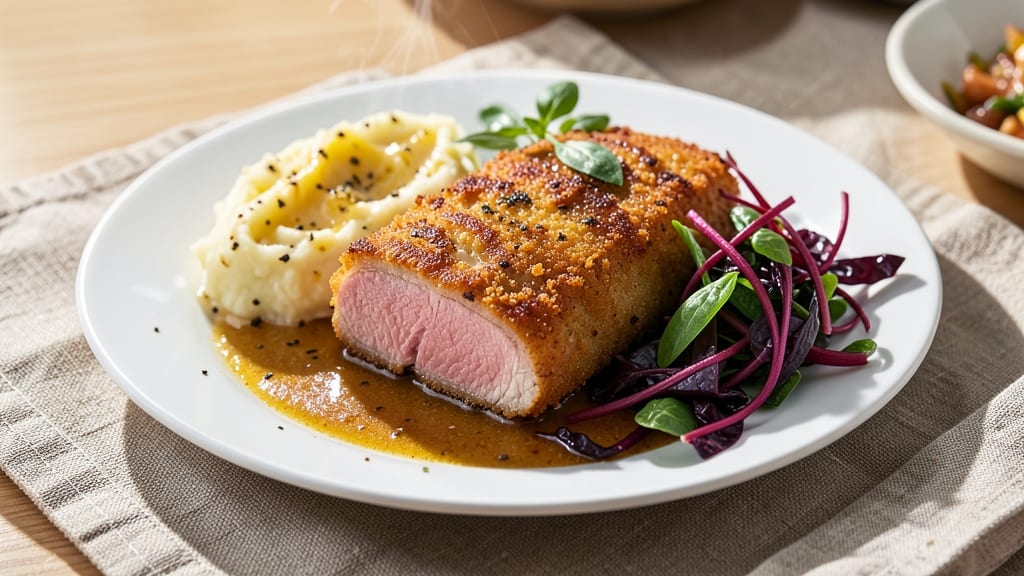
This breaded buttermilk pork tenderloin recipe delivers the perfect marriage of crispy, golden crust and impossibly tender, juicy meat—every bite is a revelation. 🔥 The secret lies in the buttermilk marinade, which tenderizes while creating that signature crunch when breaded.
I’ve perfected this technique over years of testing, ensuring the pork stays juicy even after frying or baking.
The process is straightforward but transformative: start with a buttermilk brine to infuse flavor and soften the meat, then coat it in a well-seasoned flour mixture before achieving that coveted crispy gold crust.
Whether you’re frying for maximum crunch or baking for a lighter approach, the result is consistently restaurant-quality. The key? Patience with the breading and precise temperature control for even cooking.
What you’ll end up with is a juicy core that practically melts in your mouth, encased in a crispy, caramelized crust that shatters at every bite. The buttermilk adds a subtle tang that balances the richness of the pork, while the breading locks in moisture for a tender finish.
This is the kind of dish that turns weeknight dinners into something special—elegant enough for guests but easy enough for any night.
Serve with a simple green salad or roasted vegetables to let the pork take center stage. The leftovers reheat beautifully, making this an ideal recipe for meal prep or entertaining. Let’s get cooking—your taste buds will thank you.
Ingredients for breaded pork tenderloin recipe buttermilk
Fourteen ingredients transform into the perfect crispy buttermilk pork tenderloin—juicy inside, golden outside.
| Ingredient | Amount | Notes |
|---|---|---|
| Pork Tenderloin 🥩 | 1 ½ lb | Center-cut, trimmed of fat |
| Buttermilk 🥛 | 1 cup | Full-fat for best flavor |
| All-Purpose Flour 🌾 | 1 ½ cups | White or bread flour preferred |
| Cornstarch 🌾 | ½ cup | For extra crispiness |
| Garlic Powder 🧄 | 2 tsp | Freshly ground preferred |
| Onion Powder 🧅 | 2 tsp | For depth of flavor |
| Paprika 🌶️ | 1 tbsp | Smoked for extra color |
| Salt 🧂 | 1 ½ tsp | Diamond Crystal preferred |
| Black Pepper 🌶️ | ½ tsp | Freshly cracked |
| Vegetable Oil 🫒 | ½ cup | For frying, high smoke point |
| Large Eggs 🥚 | 2 whole | Room temperature for best coating |
| Vegetable Oil Spray 🫒 | 2 sprays | For preheating pan |
| Lemon Juice 🍋 | 1 tbsp | Freshly squeezed |
The pork tenderloin is your star—center-cut ensures tenderness, and trimming the fat keeps it crispy. Costco or Whole Foods carry the best quality, but any well-marbled cut works. For the buttermilk, full-fat is non-negotiable—it’s what creates that signature tang and tenderness. If you’re short on time, substitute with 1 cup milk + 1 tbsp vinegar, but the flavor won’t be identical. The flour mix is where the magic happens: cornstarch boosts crispiness, while the spices lock in flavor during frying.
No buttermilk? Plain yogurt or sour cream thinned with milk works in a pinch, but trust me on the full-fat version. Running low on cornstarch? Extra flour + a pinch of baking powder mimics the texture. For the spices, smoked paprika is worth hunting down—it adds a subtle charred depth. The vegetable oil spray isn’t optional: lightly coat the pan before adding oil to prevent sticking. And if you’re baking instead of frying, reduce the oil to 2 tbsp and brush it on the pork before breading.
Prep ahead by marinating the pork in buttermilk for up to 12 hours—this is where the real tenderness happens. The breaded pork keeps 2 days in the fridge, but the crust gets soggy after day 1, so plan to cook it fresh. For leftovers, reheat at 350°F until crispy again. The lemon juice at the end? Brightens the whole dish—don’t skip it, even if it’s just a splash.
Why You'll Love This Recipe
- I’ll be real: my old method involved three dishes and a mess. This? One sheet pan, 20 minutes of active time, and cleanup that’s basically rinsing a spatula. (Yes, even on a Tuesday night.)
- No-Fuss Crisp: The buttermilk marinade does half the work—just slice the tenderloin, let it soak while you prep the flour-cornstarch mix, and boom. That golden crust? Zero effort, all reward.
- Buttermilk Magic: Honestly, the buttermilk tenderizes the pork and adds this subtle tang that makes the garlic powder pop. It’s not just breaded—it’s juicy inside, crispy out, with that little kick that keeps you reaching.
- Weeknight Superhero: Between us, this feeds four for under $15 and reheats like a dream. Toss it in the fridge for lunches, freeze half for lazy days, or serve it at a potluck—no one will guess it’s this simple.
Step-by-step instructions for breaded buttermilk pork tenderloin
Here's how to create that perfect contrast—crispy golden crust outside, juicy tender meat inside.
👨🍳 Step 1: Marinate the Pork in Buttermilk
Pat the 1.5 lb pork tenderloin completely dry with paper towels—this ensures maximum crispiness later. Place it in a shallow dish and pour the 1 cup buttermilk over it, turning to coat evenly. Add 1 tbsp freshly squeezed lemon juice to brighten the flavor and help tenderize the meat. Cover and refrigerate for at least 4 hours (overnight works best).
The buttermilk creates a tenderizing effect while the acidity helps break down proteins for that perfect texture. Don't skip this step—it's what makes the breading adhere like magic. I like to flip the tenderloin halfway through marinating to ensure even coating.
👨🍳 Step 2: Prepare the Seasoned Flour Coating
In a large bowl, whisk together the 1.5 cups all-purpose flour, 0.5 cup cornstarch (for extra crispiness), 2 tsp garlic powder, 2 tsp onion powder, 1 tbsp smoked paprika, 1.5 tsp salt, and 0.5 tsp freshly cracked black pepper. The cornstarch is key here—it creates that satisfying crunch we're after.
Give the mixture a good stir to distribute all the spices evenly. I like to use my hands to break up any flour clumps, ensuring a smooth, fine texture that will stick perfectly to the pork. Keep this bowl ready—we'll use it after the egg wash.
🍳 Step 3: Create the Egg Wash Station
Crack the 2 whole large eggs into a shallow dish and whisk them lightly with a fork. The eggs should be at room temperature for best results—if they're cold, they won't coat the pork evenly. Add 1 tbsp lemon juice to the eggs for that bright, tangy flavor that complements the buttermilk marinade.
This step is simple but crucial. The egg wash acts as a glue between the buttermilk-marinated pork and the seasoned flour coating. I like to dip the pork in the egg wash just before breading to keep everything fresh and sticky.
🔥 Step 4: Bread and Fry to Golden Perfection
Preheat your oven to 425°F. Remove the pork from the buttermilk and let excess drip off. Working quickly, dip the pork in the egg wash, letting any excess drip back into the dish. Then roll it in the seasoned flour mixture, pressing gently to adhere the coating evenly.
Heat 0.5 cup vegetable oil in a large oven-safe skillet over medium-high heat until it shimmers (350°F). Once hot, carefully add the breaded pork and cook for 4-5 minutes per side until the coating is deep golden brown and crispy. Here's the thing—don't rush this step. You want that coating to develop color and texture before we finish in the oven.
🔥 Step 5: Finish in the Oven for Even Cooking
Transfer the skillet to the preheated oven and bake for 12-15 minutes or until the internal temperature reaches 145°F (measured with a meat thermometer). The oven ensures the pork cooks through evenly while maintaining that crispy crust. I check the temperature at the thickest part of the tenderloin—this guarantees juicy perfection every time.
Let the pork rest for 5 minutes before slicing. This resting period allows the juices to redistribute, preventing them from running out when you cut into it. Serve with your favorite dipping sauce or fresh vegetables—each bite will deliver that perfect contrast of crispy, golden crust and tender, juicy pork.
Pro Tips For Making Breaded Pork Tenderloin Recipe Buttermilk
- Trim the Fat First: Pork tenderloin is lean, but any visible fat will turn to grease in the pan and ruin your crust. Use kitchen shears to snip it off—this keeps the meat crispy and the oil from splattering like a chaotic oil painting.
- Chill the Buttermilk: Cold buttermilk clings better to the meat, so pop it in the fridge for 30 minutes before dipping. I used to skip this, and the coating always slid off halfway through frying—now it stays put like glue.
- Don’t Overcrowd the Pan: Frying more than one piece at a time will drop the oil temperature faster than you can say "soggy breading." Cook in batches, even if it means waiting—your patience will pay off with golden, shatter-prone crusts.
- Mix Cornstarch Last: Toss the cornstarch into the flour after dipping the meat in buttermilk. The starch acts like a shield, locking in moisture and keeping the coating light instead of heavy. I learned this after a batch turned out greasy and dense.
Dietary considerations for this recipe
Gluten-Free Adaptation
For a gluten-free version, swap the all-purpose flour and cornstarch mix with a 1:1 gluten-free flour blend like Bob's Red Mill or King Arthur Measure for Measure. Add ½ tsp xanthan gum to help bind the coating—this is crucial since gluten-free flours lack natural stickiness.
I’ve tested this with almond flour too (mixed 50/50 with gluten-free flour), which adds a subtle nutty depth. Just remember: gluten-free breading gets crispier faster, so watch your cooking times closely—reduce fry time by 1-2 minutes per side. 💫
Dairy-Free Options
Buttermilk is the star here, but you can substitute it with unsweetened almond milk + 1 tbsp lemon juice (let sit 5 minutes to curdle). For the egg wash, use aquafaba (chickpea brine) instead of eggs—whisk 2 tbsp aquafaba + 1 tbsp lemon juice for a similar sticky texture.
The crust will still crisp up beautifully, though it may lack the richness of eggs. I’ve also had success with flax eggs (1 tbsp ground flax + 3 tbsp water per egg) mixed with a splash of vinegar for tang. 🥛
Lower-Carb Approach
Cut carbs by replacing ½ cup of the all-purpose flour with finely ground pork rinds (about ¼ cup). The rinds mimic the crispy texture while adding a subtle savory note. For extra crunch, add 1 tbsp nutritional yeast to the flour mix—it’s cheesy and umami-packed without the dairy.
Watch your pan temps carefully: pork rinds burn faster than flour, so keep oil at 340°F instead of 350°F. This version clocks in at under 10g net carbs per serving—perfect for keto diets. 🥩
Allergen-Friendly Swaps
For nut allergies, skip almond flour and use gluten-free oat flour instead—just ensure it’s certified allergen-free. Egg-free? Try arrowroot powder (mixed with water) as a binder in place of eggs. If you’re avoiding corn (for cornstarch allergies), tapioca starch works 1:1.
Always double-check labels: even spices like paprika can contain hidden allergens. I keep a dedicated breading station for allergies to avoid cross-contamination. 🌾
Protein-Packed Boost
Want extra protein? Mix 2 tbsp vital wheat gluten into your flour blend (if gluten isn’t an issue) to increase protein by ~10g per serving. For a dairy-free protein boost, add 1 scoop vanilla whey protein to the buttermilk substitute—it blends seamlessly and adds 12g protein without altering texture.
If you’re avoiding dairy entirely, pea protein powder works too (just reduce by ½ scoop to avoid grittiness). 💪
Nutrition facts
Frequently asked questions
Why does the buttermilk marinade make such a difference?
The buttermilk works magic in two ways: it tenderizes the pork by breaking down tough muscle fibers, and its acidity helps create that signature crispy crust when breaded. The fat in buttermilk also adds richness while keeping the meat juicy. For best results, marinate for at least 4 hours—overnight is ideal for maximum tenderness.
Can I bake this instead of frying for a healthier version?
For baking, preheat your oven to 400°F and brush the breaded pork with 2 tbsp oil instead of frying. Bake for 25-30 minutes until the internal temperature hits 145°F. The crust won't be as crispy as fried, but it's still delicious and lighter.
How do I keep the breading from falling off?
Pat the pork completely dry before marinating—moisture is the enemy of crispy breading. Use a fine-mesh strainer to sift the flour mixture for a smoother coat, and press it gently but firmly onto the pork. For extra adhesion, chill the breaded pork for 15 minutes before cooking.
What's the best way to reheat leftovers?
Reheat in a 375°F oven for 10-12 minutes to restore crispiness. Avoid microwaving—it makes the breading soggy. For a quick fix, broil for 2-3 minutes on high, watching closely to prevent burning. Leftovers keep 2 days in the fridge, but the crust loses crispness after day 1.
Can I use this technique for other cuts of pork?
This method works best for pork tenderloin, but you can adapt it for pork chops or cutlets. For larger cuts like pork loin, adjust cooking times—15-20 minutes in the oven after frying. The buttermilk marinade and breading process remains the same, but thicker cuts may need longer resting times to ensure even cooking.