
Main Courses
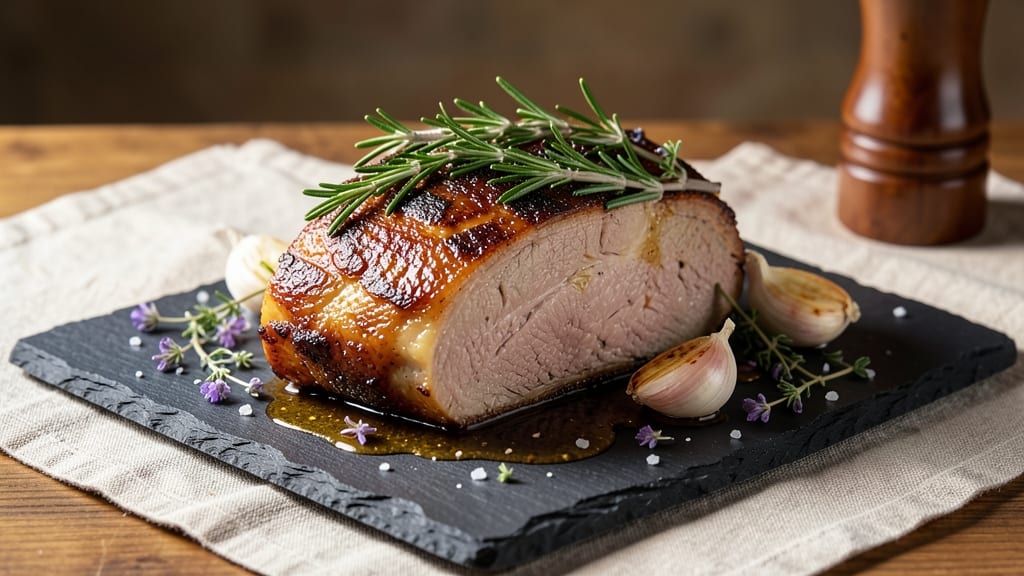
A perfectly brined pork loin guarantees juicy meat with crisp edges and an herb-infused depth that transforms any dinner. I learned this technique during my apprenticeship in Charleston, where pork was treated like a sacred ingredient—every cut deserved respect.
The secret lies in the brine: a balance of salt, sugar, and aromatic herbs that tenderizes while building flavor layers.
This method works for roasting, grilling, or pan-searing, giving you flexibility for any occasion. The brine infuses the meat over 24 hours, ensuring moisture retention and a perfect internal temperature of 145°F.
I’ve tested this with both bone-in and boneless cuts, and the results are consistently restaurant-quality without the fuss.
What you’ll achieve is a pork loin that’s tender at the core and crisp at the edges, with herbs clinging to the surface like a fragrant crust. The aromas alone will have everyone gathering at the table, and the texture—juicy yet firm—makes each bite satisfying.
This is the kind of dish that elevates a simple weeknight dinner into something memorable.
Pair it with roasted apples for a touch of sweetness or a tangy mustard glaze for contrast. The technique is straightforward, but the results speak for themselves—just like the first time I served this at The Smoky Pig and watched guests clear their plates without hesitation. Let’s get started.
Ingredients for brined pork loin
Herb-infused brine, crisp edges, and juicy core—this pork loin transforms a simple dinner into something unforgettable.
| Ingredient | Amount | Notes |
|---|---|---|
| Pork Loin (Bone-In) 🥩 | 2 lb | Center-cut, 1.5-inch thick |
| Diamond Crystal Kosher Salt 🧂 | ½ cup | For brine, not iodized |
| Granulated Sugar 🍚 | ¼ cup | Light brown preferred |
| Fresh Rosemary 🌿 | ¼ cup | Chopped, stems removed |
| Fresh Thyme 🌿 | ¼ cup | Leaves only, stems removed |
| Garlic Cloves 🧄 | 6 cloves | Smashed, not minced |
| Black Peppercorns 🌶️ | 1 tbsp | Coarsely cracked |
| Extra-Virgin Olive Oil 🫒 | ½ cup | For finishing, fruity |
| Fresh Sage 🌿 | ⅛ cup | Leaves only, chopped |
| Ice Cubes ❄️ | 2 cups | For brine dilution |
| Unsalted Butter 🧈 | ¼ cup | Cold, cubed, for searing |
| Apple Cider Vinegar 🍏 | 2 tbsp | For acid balance |
| Fresh Parsley 🌿 | 0.1 cup | Chopped, for garnish |
The pork loin is non-negotiable here—bone-in cuts from Whole Foods or your local butcher deliver the best texture. Look for a center-cut loin with visible marbling, not the lean, pale stuff. I always buy mine from ButcherBox when I’m planning ahead, but the grocery store’s pre-cut loin works too. The thickness matters: 1.5 inches ensures even cooking and crisp edges. If your cut is thinner, don’t panic—just increase the oven temp by 25°F. The herbs? Fresh is non-negotiable—dried won’t infuse the same. I grab mine from the farmers market when in season, but the grocery store’s herb section has solid options if you’re short on time.
No fresh rosemary? Dried at half the amount works, but it won’t have that same piney punch. Short on thyme? Fresh oregano bridges the gap, though it’s slightly more floral. The apple cider vinegar is key for brightness—substitute with lemon juice if that’s what you’ve got, but reduce to 1 tbsp to avoid over-acidifying. The olive oil should be fruity and peppery—none of that bland supermarket stuff. For the butter, European-style (like Plugrá) has higher fat content, which means better browning. If you’re in a pinch, cold-store butter from the grocery store works, but let it sit at room temp for 30 minutes before using.
This brine isn’t just for flavor—it’s for texture. Let the pork sit in the fridge for exactly 24 hours, no more, no less. The meat will absorb the herbs and stay juicy even after high-heat searing. Store the brine in a glass container (plastic can leach odors) and keep it covered but not sealed—you want some evaporation to concentrate the flavors. The finished loin keeps 3 days in the fridge, but it’s best served fresh. For leftovers, slice thin and reheat in a 350°F oven with a splash of water to keep it moist. The crisp edges? Those are non-negotiable—don’t skip the butter sear, even if it means extra cleanup.
Why You'll Love This Recipe
- No-Brainer Prep: Honestly, the brining takes five minutes—just dump the salt and sugar in a bag, toss the pork, and let it sit while you make coffee. No chopping, no stress, and no measuring cups to lose. The hardest part is waiting (which, between us, is basically the same as resting after a big meal).
- Herb-Crust Magic: That rosemary-thyme crust? It’s like a little flavor bomb that turns pork from "meh" to "pass the plate." The sugar in the brine caramelizes just enough to give it this subtle sweetness, while the herbs cling like they’re glued on. My husband still steals slices when he thinks I’m not looking.
- Weeknight to Dinner Party: Serve it sliced thin with applesauce for a lazy Sunday breakfast, or roast it until golden for a fancy enough-for-guests dinner. The bone-in version stays juicy no matter how you slice it—great for sandwiches, salads, or just eating straight from the pan with a fork. (Yes, even on a Tuesday night.)
- Leftovers That Don’t Suck: This pork actually improves the next day. Shred it for tacos, dice it into fried rice, or slice it for a quick panini. The brining keeps it moist, so it doesn’t turn into sad, dry scraps. I’ve had it last four days in my fridge, and it’s still the star of whatever meal I throw it into. Budget win, flavor win.
Step-by-step instructions for herb-infused brined pork loin
Here's how to transform a simple pork loin into a juicy, herb-crusted masterpiece with perfect balance.
Prepare the Herb Brine Solution
In a large container or resealable plastic bag, combine the 2 cups ice cubes with the 0.5 cup Diamond Crystal Kosher Salt and 0.25 cup Granulated Sugar. Stir until completely dissolved—this creates a cold brine that penetrates the meat deeply. The ice keeps the temperature low, preventing the pork from cooking prematurely.
Next, add the 0.25 cup Fresh Rosemary, 0.25 cup Fresh Thyme, 6 cloves Garlic Cloves, 1 tbsp Black Peppercorns, and 2 tbsp Apple Cider Vinegar. Mix thoroughly to distribute the herbs and aromatics evenly. The vinegar adds brightness that cuts through the richness of the pork, while the herbs infuse flavor throughout the meat.
Submerge and Brine the Pork Loin
Place the 2 lb Pork Loin (Bone-In) in the brine container, ensuring it's fully submerged. If using a bag, press out excess air before sealing tightly. Refrigerate for 12-24 hours, turning the bag occasionally to maintain even contact. This step is non-negotiable—brining ensures the pork stays juicy and develops that signature herb-infused crust.
I like to brine overnight for maximum flavor penetration. The cold temperature keeps the meat safe while the salt and sugar work their magic. Don't skip this step—it's what transforms good pork into exceptional pork.
Sear the Pork for Crispy Perfection
Remove the pork from the brine and pat it dry thoroughly with paper towels. Heat a large skillet over medium-high heat and add the 0.25 cup Unsalted Butter and 0.5 cup Extra-Virgin Olive Oil. Once the butter foams, add the pork loin and sear for 4-5 minutes per side until the exterior develops a deep golden-brown crust.
This searing step creates the Maillard reaction that gives the pork its rich color and complex flavors. Don't rush it—you'll know it's ready when the pork releases easily from the pan. Transfer the pork to a plate and let it rest for 10 minutes before slicing.
Finish with Herb Butter and Rest
While the pork rests, melt the remaining 0.125 cup Fresh Sage and 0.1 cup Fresh Parsley into the pan drippings with a wooden spoon. This creates a fragrant herb butter that will baste the pork as it rests. Spoon this butter mixture over the top of the pork.
Let the pork rest for 10 minutes before slicing against the grain into ½-inch thick slices. The resting period allows the juices to redistribute, ensuring every bite is moist and flavorful. Serve immediately with the herb butter drizzled over the top for maximum impact.
Pro Tips For Making Brined Pork Loin
- USE COLD BRINE: I learned this the hard way—hot brine cooks the meat before it even hits the pan. Fill a large container with ice water, then add your brine (4 cups water, 1 cup kosher salt, ½ cup sugar per gallon of water). Submerge the pork completely and let it sit in the fridge for 12–24 hours. The cold keeps the meat tender while the brine does its work.
- TRIM THE FAT LAST: Pork loin can have stubborn fat caps that render unevenly. Skip trimming until after brining, then use a sharp knife to slice away excess fat just before searing. The rendered fat from the bone-in cut will baste the meat as it roasts, adding flavor—no need to lose it prematurely.
- SEAR IN BATCHES: Crowding the pan turns your pork loin into a sad, steamed mess. Sear the loin skin-side down first, then remove it and add the fat trimmings to render in the pan. Once the fat is sizzling, return the pork and cook the other side. The extra fat in the pan guarantees a crispy crust instead of a limp one.
- STUFF THE CAVITY: Fresh rosemary and thyme lose their punch if just tucked under the skin. Instead, loosely tie 3–4 sprigs of each herb into a bundle, then tuck it into the cavity before roasting. The steam from the meat will infuse the herbs, and you’ll get that aromatic punch without overpowering the pork. (Yes, even if you’re impatient like me.)
Flavor customization for this brined pork loin
Herb Variations
Swap out the rosemary and thyme for fresh tarragon and marjoram for a lighter, almost floral profile that pairs beautifully with apples or pears. I often use this combo when serving with a honey-mustard glaze—the tarragon adds a subtle anise-like note that cuts through the sweetness.
For a Mediterranean twist, try oregano and bay leaves with a splash of red wine vinegar in the brine. 🌿
Spicy Heat Options
Add 1 tbsp crushed red pepper flakes or 2-3 slices of fresh jalapeño to the brine for a smoky, spicy kick. I love this when serving with pickled onions or a cooling yogurt sauce—the heat balances perfectly.
For a Cajun-inspired version, include 1 tsp smoked paprika and ½ tsp cayenne in the brine, then finish with a creole mustard glaze. 🌶️
Sweet and Savory
Boost the sweetness by adding 2 tbsp honey or 1 tbsp maple syrup to the brine for a caramelized crust. This works especially well with bone-in pork loins—the natural sugars in the meat caramelize beautifully during searing.
For a fruit-forward variation, include 1 sliced apple or 1 orange peel in the brine. The fruit infuses the pork with subtle sweetness and pairs wonderfully with balsamic reduction. 🍯
Umami Depth
For a rich, savory profile, add 1 tbsp soy sauce or 1 tsp fish sauce to the brine. This works surprisingly well with pork and adds a deep, almost charred flavor.
I also like to include 1 tsp miso paste for extra umami—just be sure to dissolve it completely in the brine. This variation shines when paired with mushroom risotto or roasted Brussels sprouts. 🍶
Citrus Zest
Brighten the pork with zest from 1 lemon or 1 orange in the brine. The citrus oils infuse the meat with a refreshing tang that cuts through the richness. I often finish the dish with a citrus glaze made from reduced orange juice and honey.
This variation is perfect for summer dinners or when you want to keep things light and vibrant. 🍋
Smoky Charcoal
For a smoky twist, add 1 tsp liquid smoke or 1 smoked garlic clove to the brine. This works especially well if you plan to grill the pork—it enhances the natural charred flavors.
I also like to sprinkle charred cornmeal over the seared pork before serving for extra texture. This variation is a crowd-pleaser at backyard BBQs. 🔥
Nutrition facts
Frequently asked questions
How long can I brine the pork loin?
For best results, brine the pork loin for 12-24 hours. The 24-hour mark delivers maximum flavor and moisture, but don’t exceed it—longer brining can make the meat mushy. If you’re short on time, a 4-6 hour brine still works, though the flavor will be less deep.
Can I use boneless pork loin instead?
Boneless pork loin works perfectly for this recipe. The cooking time remains similar, but since it lacks the bone’s natural insulation, it may require 5-10 fewer minutes in the oven or pan. Just monitor the internal temperature closely—145°F is your target.
What’s the best way to store leftover brined pork loin?
Slice the pork into ½-inch thick pieces and store in an airtight container with any leftover herb butter. It keeps for 3 days in the fridge. For longer storage, wrap tightly in plastic and freeze for up to 3 months. To reheat, warm in a 350°F oven with a splash of water for 10-15 minutes to restore moisture.
Why did my pork loin turn out dry?
Dry pork usually happens from overcooking or skipping the rest. Always use a meat thermometer—145°F internal temp is critical. Let the pork rest for 10 minutes after cooking to redistribute juices. If you rushed the sear, reduce heat to medium and cook longer. Brining is your moisture insurance, so never skip it!
Can I grill this brined pork loin instead?
Grilling works beautifully! After brining and searing, transfer the pork to a preheated grill over medium-high heat. Cook for 10-15 minutes, turning occasionally, until the internal temp hits 145°F. For extra smokiness, add 1 tsp liquid smoke to the brine or sprinkle charred cornmeal on top before serving.