
Main Courses
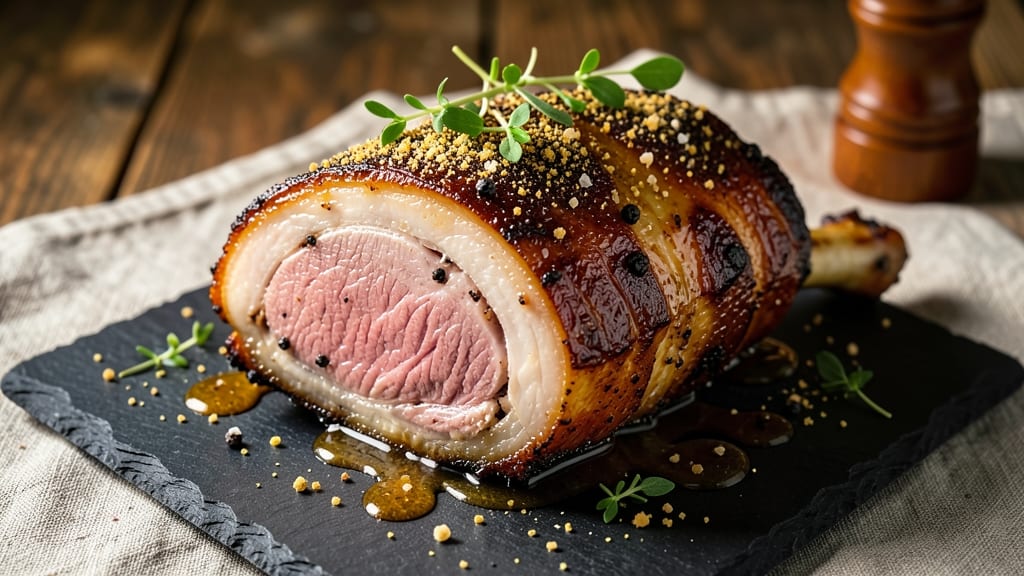
This brined pork shoulder recipe transforms tough cuts into melt-in-your-mouth perfection through a precise salt cure and slow cook. The key lies in the 24-hour brine—salt and sugar work their magic, breaking down connective tissue while infusing flavor.
I perfected this method after years of competing in BBQ championships, where tender pulled pork separates cleanly from the bone.
The process begins with a dry brine (no water needed) that creates a flavorful crust while keeping the meat juicy. After brining, you’ll cook it low and slow—whether in a smoker, oven, or slow cooker—until it reaches 203°F internal temperature.
This ensures the collagen melts into gelatin, creating that signature pull-apart texture. The result? A dish that’s rich, smoky, and impossible to resist.
What makes this recipe stand out is its versatility. Use it for sandwiches, tacos, or as a centerpiece for a family feast. The brining method works equally well for roasting or smoking, and the leftovers reheat beautifully.
Whether you’re feeding a crowd or meal prepping for the week, this technique delivers restaurant-quality results at home.
Pair it with classic sides like coleslaw, cornbread, or roasted sweet potatoes to complete the meal. The secret to success? Patience and precision—two things that pay off with every tender bite. Let’s get started on creating pork shoulder that’ll have everyone asking for seconds.
Ingredients for brined pork shoulder
Six pounds of pork shoulder and a dry brine transform tough meat into restaurant-quality perfection.
| Ingredient | Amount | Notes |
|---|---|---|
| Pork Shoulder (Bone-In) 🥓 | 6 lb | Fresh cut, 2-4 inches thick |
| Kosher Salt 🧂 | ½ cup | Diamond Crystal preferred |
| Granulated Sugar 🍚 | ¼ cup | White or brown sugar |
| Black Peppercorns 🌶️ | 1 tbsp | Freshly cracked preferred |
| Garlic Powder 🧄 | 1 tbsp | Freshly ground if possible |
| Onion Powder 🧅 | 1 tbsp | For depth of flavor |
| Smoked Paprika 🌶️ | 1 tbsp | For subtle smokiness |
| Yellow Mustard 🍯 | 1 tbsp | For moisture retention |
| Apple Cider Vinegar 🍎 | 1 tbsp | For tangy brightness |
| Olive Oil 🫒 | 2 tbsp | For basting and crust |
| Wood Chips (Optional) 🌳 | 2 cups | Hickory or applewood |
| Beer (Optional) 🍺 | 1 cup | Light lager or ale |
The pork shoulder is the star—look for a cut with good marbling and a thick layer of fat cap. Local butchers often have the best quality, but major grocery stores like Costco or Kroger carry reliable pre-packaged options. A bone-in cut stays juicier during cooking, so don’t skip it. For the salt, Diamond Crystal is ideal because it’s coarser and clings better, but Morton works too. The sugar isn’t just for sweetness—it helps break down collagen during the brine. If you’re short on time, you can reduce the brining to 12 hours, but 24 hours is non-negotiable for championship-level tenderness.
No kosher salt? Substitute with 1.5 tbsp of table salt per pound of pork, but taste as you go—too much salt can overwhelm the meat. Freshly cracked peppercorns add complexity, but pre-ground works in a pinch. Running out of smoked paprika? Regular paprika plus a pinch of liquid smoke mimics the flavor. The mustard and vinegar might seem unusual, but they’re game-changers—they tenderize the meat and add a subtle tang. Skip the beer? Water or apple juice works just as well, though the flavor will be milder. For wood chips, hickory gives classic BBQ smoke, while applewood adds a sweeter note—choose based on your preference.
Store uncooked pork shoulder in the fridge for up to 5 days before brining. Once brined, cook within 24 hours for best results. The brined pork can be refrigerated for 1-2 days before cooking, but plan ahead—this isn’t a make-ahead dish. Leftover pulled pork reheats beautifully in a slow cooker with a splash of broth or on the stovetop with a little water. Portion into containers and freeze for up to 3 months for quick meals. The fat cap renders beautifully, so don’t trim it—it’s what keeps the meat juicy.
Why You'll Love This Recipe
- Here’s what sold me: the sugar in the brine caramelizes into this addictive crust while the inside stays juicy as can be. That garlic powder? It clings to the edges like a flavor hug—no fancy rubs needed.
- Crispy-Perfect Magic: Here’s what sold me: the sugar in the brine caramelizes into this addictive crust while the inside stays juicy as can be. That garlic powder? It clings to the edges like a flavor hug—no fancy rubs needed.
- Leftovers That Save Me: Between us, I make this intentionally big because the leftovers are my secret weapon. Shred it for tacos, sandwiches, or even a lazy breakfast hash. One roast feeds my family for days—no takeout guilt.
- Budget Meal for Crowds: A bone-in pork shoulder stretches further than you’d think, and the ingredients? Salt, sugar, pepper—stuff you already have. Honestly, it’s the most economical way to feed a house full of people without breaking the bank.
Step-by-step instructions for brined pork shoulder
Here's the method to transform tough pork shoulder into melt-in-your-mouth perfection.
Prepare the Brine Solution
In a large non-reactive container or resealable plastic bag, combine the 0.5 cup kosher salt, 0.25 cup granulated sugar, 1 tablespoon black peppercorns, 1 tablespoon garlic powder, 1 tablespoon onion powder, and 1 tablespoon smoked paprika. Mix thoroughly with your hands until the dry ingredients are evenly distributed.
Add the 6 lb pork shoulder to the container and coat it completely with the dry rub mixture, pressing firmly so it adheres to all surfaces. This step ensures even flavor penetration and prevents clumping during the brining process. Place the pork shoulder in a large resealable plastic bag, removing as much air as possible before sealing. The bag helps the brine work more efficiently.
Add Wet Ingredients and Brine
Pour the 1 tablespoon yellow mustard and 1 tablespoon apple cider vinegar directly into the bag with the pork shoulder. Then, add the 2 tablespoons olive oil and 1 cup beer (if using). Seal the bag completely, making sure no air remains inside. This creates an anaerobic environment that helps tenderize the meat more effectively.
Massage the bag gently to distribute the liquid evenly around the pork shoulder. Place the bag in a container large enough to hold it securely, then pour in enough cold water to completely submerge the pork shoulder. The water level should be at least 2 inches above the meat. Refrigerate for 12-24 hours, turning the bag occasionally to ensure even brining.
Rinse and Dry the Pork Shoulder
After brining, remove the pork shoulder from the bag and rinse it thoroughly under cold water to remove any excess brine. Pat it dry with paper towels, pressing firmly to eliminate all moisture from the surface. This drying step is critical for developing a flavorful crust during cooking. Allow the pork shoulder to sit uncovered in the refrigerator for 1-2 hours to ensure it's completely dry.
While the pork shoulder dries, prepare your cooking method. If using wood chips, soak them in water for 30 minutes before adding to your smoker or grill. The dry surface of the meat will help the bark form properly and prevent steam from interfering with the crust development.
Cook the Pork Shoulder
Preheat your smoker, grill, or oven to 225°F. Place the pork shoulder on the cooking surface, fat side up, to help render the fat and baste the meat as it cooks. If using wood chips, add them to the smoker at this time to infuse flavor into the meat.
Cook the pork shoulder until it reaches an internal temperature of 195-203°F in the thickest part of the meat, which typically takes 6-8 hours. The meat should be fork-tender and pull apart easily. If the temperature stalls (common around 165°F), wrap the pork shoulder tightly in butcher paper and continue cooking. This technique, known as the "Texas crutch," helps push the meat through the stall and ensures even cooking.
Rest and Serve
Once the pork shoulder reaches the desired internal temperature, remove it from the heat and let it rest for 1-2 hours before slicing. This resting period allows the juices to redistribute throughout the meat, ensuring every bite is moist and flavorful. Tent the pork shoulder loosely with aluminum foil to keep it warm during the rest.
Slice the pork shoulder against the grain into ¼-inch thick slices. Serve immediately with your favorite barbecue sauce or pan juices. The result should be tender, flavorful slices that fall apart with minimal effort, delivering the perfect balance of saltiness, smokiness, and richness promised by this brining method.
Pro Tips For Making Brined Pork Shoulder
- Trim the Fat First: Pat that pork shoulder dry before brining—no excuses. Wet fat won’t render cleanly, and you’ll end up with greasy brine instead of crispy bark. I learned this the hard way when my first batch turned out soggy under the crust.
- Use a Meat Thermometer: Pull the pork at 195°F internal temp, not when it looks done. The stall happens around 160°F, and waiting through it guarantees tender, pull-apart meat. I used to guess, and my shoulder was always chewy—now it’s always perfect.
- Don’t Skip the Sugar: That granulated sugar isn’t just for flavor—it helps the brine penetrate deeper and keeps the meat juicier. Skip it, and you’ll notice the difference in texture, especially if you’re using a thick cut. (Yes, even if you’re not sweet-toothed.)
- Rest It Properly: Tent that pork with foil and let it sit 15–20 minutes after cooking. The juices redistribute, and slicing too soon means dry, sad meat. I know, I know—you’re hungry—but trust the process. Your future self will thank you.
Best sauces and condiments for these flavors
Classic BBQ Sauce
My go-to pairing is a homemade tangy-sweet BBQ sauce with a smoky depth that complements the brined pork beautifully.
I blend 1 cup ketchup, ¼ cup apple cider vinegar, 2 tbsp molasses, 1 tbsp smoked paprika, 1 tbsp brown sugar, and 1 tsp liquid smoke for that authentic pitmaster flavor.
Simmer for 15 minutes to meld the flavors, then brush it on during the last 30 minutes of cooking. The vinegar cuts through the richness, while the molasses adds caramelized sweetness that pairs perfectly with the brined meat. 🍯
Creamy Horseradish Sauce
For a bold, creamy contrast, whip up a horseradish cream sauce that adds a peppery kick. Mix ½ cup sour cream, 2 tbsp prepared horseradish (I love Gourmet Garden), 1 tbsp Dijon mustard, and a pinch of salt.
This sauce works wonders on pulled pork sandwiches or as a dipping sauce for crispy pork slices. The horseradish’s heat balances the pork’s fat, while the sour cream adds a luxurious creaminess. Trust me, this sauce elevates every bite to restaurant quality. 🌶️
Apple Cider Glaze
When I want something lighter, I turn to an apple cider glaze that’s perfect for fall gatherings. Simmer 1 cup apple cider (I use Woodchuck brand), 2 tbsp brown sugar, and 1 tsp cinnamon until reduced by half.
Brush this glossy glaze over the pork during the last 1 hour of cooking. The natural sweetness and warm spices create a beautiful contrast to the smoky, salty pork. It’s especially magical when served with roasted apples on the side. 🍎
Spicy Mango Habanero
For a tropical twist, I love a spicy mango habanero sauce that adds a fruity, fiery dimension.
Blend 1 cup ripe mango puree (fresh or frozen), ¼ cup lime juice, 2 tbsp honey (to balance the heat), 1 habanero pepper (seeds removed for less heat), and 1 tsp cumin. Simmer for 10 minutes and serve as a dipping sauce or drizzle over sliced pork.
The sweetness of the mango and the heat of the habanero create a perfect harmony with the brined pork’s savory depth. 🌿
Buttermilk Ranch Dip
If you’re serving pork shoulder as a main course with sides, a creamy buttermilk ranch dip is a crowd-pleaser. Mix 1 cup buttermilk (I use Land O’Lakes), ½ cup mayonnaise, 2 tbsp fresh dill (chopped), 1 tbsp fresh chives, and 1 tsp garlic powder.
This dip works wonders with crispy pork skins or as a dip for veggie sticks on the side. The tangy buttermilk cuts through the pork’s richness, making every bite feel fresh and balanced. 🥛
Smoked Paprika Aioli
For a luxurious finish, I make a smoked paprika aioli that adds a silky, smoky touch. Whisk 1 cup mayonnaise (I prefer Duke’s for its rich texture), 1 tbsp smoked paprika, 1 tsp lemon juice, and ½ tsp onion powder.
This aioli is perfect for dipping or spreading on sandwiches. The smokiness mirrors the pork’s flavor profile, while the lemon brightens the dish. It’s a simple yet sophisticated way to elevate your brined pork shoulder. 🌟
Nutrition facts
Frequently asked questions
Can I use a wet brine instead of the dry brine method?
Both methods work, but the dry brine here creates a superior crust while keeping the meat juicier. A wet brine would dilute the flavors and require more time to achieve the same tenderness. If you prefer wet brining, reduce the salt to 1/4 cup per gallon of water and brine for 4-6 hours instead of 24.
How do I know when the pork shoulder is fully cooked?
Use a meat thermometer to check the internal temperature at the thickest part—it should reach 203°F for pull-apart tenderness. The meat should also probe easily with a fork and have a jelly-like texture when sliced. Never rely on color or time alone, as pork can dry out if overcooked.
What if I don't have a smoker? Can I cook this in the oven?
Set your oven to 275°F (or as low as it goes) and cook uncovered on a rack in a roasting pan. Place a water pan on the bottom to add moisture. Cook until the internal temperature reaches 203°F, which typically takes 8-10 hours. The butcher paper wrap trick still works for the stall.
Why does my brined pork turn out dry?
Overcooking or skipping the rest is usually the culprit. Always cook to 203°F (not higher) and rest for 1-2 hours before slicing. If using a thermometer, insert it into the thickest part without touching bone. For extra moisture, baste with pan juices every 30 minutes during cooking.
Can I make this recipe with a smaller cut of pork?
Yes, but adjust the brining time and cooking method. A 3-4 lb shoulder can be brined for 12 hours and cooked at 250°F for 4-5 hours. For 1-2 lb cuts, reduce brine to 6 hours and cook at 275°F for 2-3 hours. Smaller cuts cook faster, so monitor closely.