
Main Courses
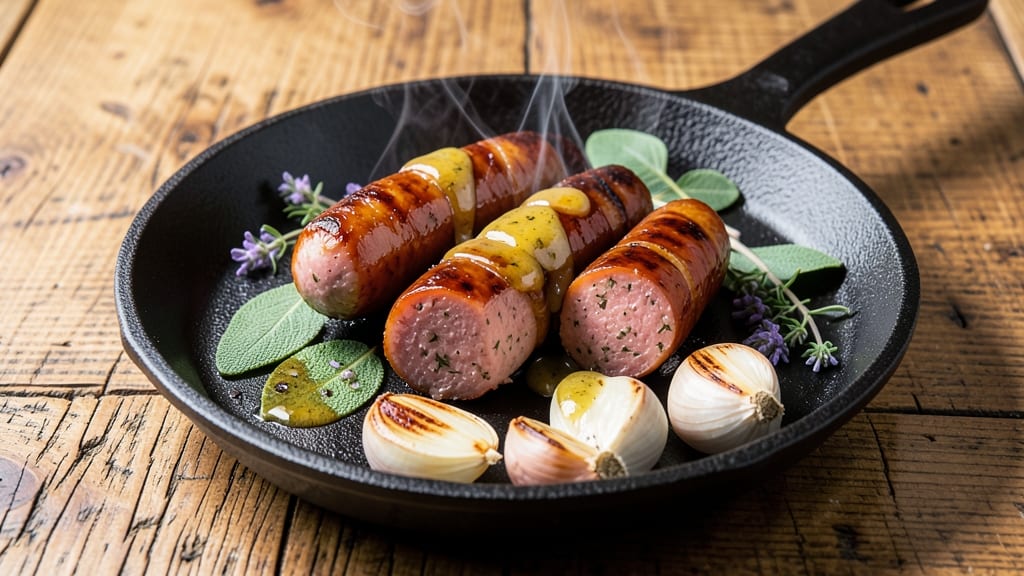
British pork sausages deserve crispy skins and herbed juiciness that makes every bite unforgettable. 🔥 After perfecting this recipe in my Charleston kitchen, I’ve cracked the code for achieving restaurant-quality results in one pan—no fancy equipment required.
The secret lies in a slow, controlled sear that renders fat while locking in flavor, creating that signature crackling crust we all crave.
What sets this recipe apart is the balance of technique and simplicity. You’ll start with quality pork sausages, seared over medium heat until golden brown, then finished in a hot oven for even cooking.
The result? Juicy, flavorful sausages with crispy skins that stay intact, thanks to a gentle flip and proper heat control. I’ve tested this method countless times—even with my own heritage pigs—and it never fails.
By the time you’re done, you’ll have sausages that are perfectly browned outside and tender inside, infused with classic British herbs and spices. The aroma alone will have everyone gathering at the table, and the first bite delivers that satisfying contrast of textures.
This is the kind of dish that turns a simple weeknight dinner into a memorable meal.
Serve with onion gravy, mashed potatoes, or apple sauce for the full British experience. The crispy skins hold up beautifully, soaking up just enough sauce without falling apart. Here’s how to make them—properly.
Ingredients for british pork sausage
Quality sausages and classic British herbs—all you need for restaurant-worthy crispy skins and juicy centers.
| Ingredient | Amount | Notes |
|---|---|---|
| British Style Pork Sausages 🥓 | 1 ½ lb | Fresh, high-quality, casings intact |
| Unsalted Butter 🧈 | 4 tbsp | Full-fat for best browning |
| Fresh Sage Leaves 🌿 | ¼ cup | Chopped, stems removed |
| Fresh Thyme Sprigs 🌿 | ⅛ cup | Leaves only, finely chopped |
| Garlic Cloves 🧄 | 4 cloves | Minced, for seasoning |
| Dijon Mustard 🍯 | 1 tbsp | For added depth |
| Olive Oil 🫒 | 1 tbsp | Light coating for pan |
| Kosher Salt 🧂 | 1 ½ tsp | Diamond Crystal preferred |
| Ground Black Pepper 🌶️ | ½ tsp | Freshly cracked |
| Fresh Parsley 🌿 | ⅛ cup | Chopped, for garnish |
| Apple Cider Vinegar 🍎 | 1 tsp | For brightness |
The sausages are everything here. Look for British-style pork sausages at specialty butchers or well-stocked grocery stores like Whole Foods—they’ve got that perfect balance of pork and herbs. If you can’t find them, high-quality pork sausages with natural casings work too, but avoid pre-cooked or skinless varieties. The herbs matter just as much: fresh sage and thyme make all the difference, so skip the dried stuff here. I grab mine from the farmers' market when they’re in season, but the grocery store’s fresh section works fine. The key is vibrant color—no wilted or yellowing leaves. For the garlic, freshly minced gives the best flavor, but pre-minced works in a pinch if you’re short on time.
No fresh sage? Dried works at half the amount, but it won’t have the same punch. Running low on thyme? Fresh rosemary at the same quantity gives a similar earthy note. The Dijon mustard is non-negotiable for that classic British tang, but if you’re out, a splash of apple cider vinegar in the pan will mimic it. For the butter, full-fat is a must—it browns beautifully and adds richness. The olive oil is just for the initial coating, so any light oil will do. Pro tip: if your sausages are extra fatty, pat them dry with paper towels before searing to get that perfect crisp. And trust me, don’t skip the parsley garnish—it brightens up the whole dish.
These sausages reheat beautifully—just pop them in a 350°F oven for 10-15 minutes until warmed through. They’ll keep in the fridge for 3-4 days if stored in an airtight container, but honestly, they’re best the day you make them. For leftovers, I like to slice them up and toss into a frittata or pasta sauce. The crispy skins soften a bit when reheated, but they still hold up well. If you’re making a big batch, freeze half before serving—they thaw beautifully in the fridge overnight.
Why You'll Love This Recipe
- Five-Ingredient Magic: The pantry already has butter and garlic—just grab fresh herbs and those pre-made sausages. Honestly, I’ve made this while still in my pajamas (yes, even on a Tuesday night).
- Butter-Sage Crisp Magic: That golden butter bath with sage and thyme? It turns ordinary sausages into something ridiculously good—crispy outside, juicy inside, with an aroma that hits you before the first bite.
- Weeknight to Dinner Party: Same recipe works for a quick weeknight supper or a fancy-ish spread. Brown the sausages, toss in the herbs, and suddenly you’ve got a dish that feels special without the fuss.
- Budget-Friendly Feast: A pack of British sausages and a few herbs stretch further than you’d think. Between us, this is how I feed four people for under $10—no compromises on taste, just smart shopping.
Step-by-step instructions for British pork sausage with herbed butter
Here's how to transform simple pork sausages into restaurant-quality bites with perfect crispy skins.
🔥 Step 1: Sear the Sausages for Maximum Crispiness
Heat a large skillet over medium-high heat and add the 1 tablespoon olive oil. Once shimmering, add the 1.5 lb British Style Pork Sausages in a single layer—don't crowd them. This ensures even browning and crispy skins all around.
Cook undisturbed for 4-5 minutes until the sausages develop a deep golden-brown crust. Here's the thing—if you move them too soon, they'll steam instead of crisp. You'll know they're ready when the skins blister slightly and release easily from the pan. Flip carefully and cook another 4-5 minutes until evenly browned.
Remove the sausages and set them aside on a plate. Keep them warm while you work on the herbed butter—we don't want them getting cold before serving. The residual heat in the pan will help melt our butter beautifully.
🍳 Step 2: Make the Herbed Butter Sauce
Reduce the heat to medium and add the 4 tablespoons unsalted butter to the same skillet. Let it melt completely, about 1 minute, until it foams and turns golden. This butter will carry all our herb flavors.
Add the 4 minced garlic cloves and cook for 30 seconds until fragrant—don't let it brown or it'll turn bitter. Then stir in the 0.25 cup chopped fresh sage leaves and 0.125 cup chopped fresh thyme sprigs. Cook for another 1 minute until the herbs release their oils and the mixture smells heavenly.
Remove the skillet from heat and stir in the 1 tablespoon Dijon mustard and 1 teaspoon apple cider vinegar. This brightens the rich butter and adds a subtle tang that cuts through the fat. Let the mixture cool slightly for 2 minutes—it'll thicken as it rests.
🥘 Step 3: Finish with Seasoning and Parsley
Return the skillet to low heat and add the 1.5 teaspoons kosher salt and 0.5 teaspoon ground black pepper. Stir to dissolve the salt completely—this ensures even seasoning throughout the butter.
Carefully return the sausages to the skillet and spoon the herbed butter mixture over them, coating them thoroughly. Toss gently to distribute the butter evenly. The residual heat will melt the butter completely, creating a glossy, flavorful crust.
Cook for another 1-2 minutes until everything is heated through and the sausages are coated with the herbed butter. Here's where it gets good—garnish with the 0.125 cup chopped fresh parsley right before serving. The parsley adds a fresh pop of color and brightness that makes the dish look professional.
🍽️ Step 4: Serve Immediately with Crispy Perfection
Transfer the sausages to a serving platter, arranging them neatly with the herbed butter glistening on top. Serve immediately while the skins are still crispy and the butter is warm—this is when they'll be at their absolute best.
Each sausage should have a deep golden-brown crust that cracks slightly when you cut into it, revealing juicy, herbed pork inside. The butter should be melted but not runny, clinging beautifully to the sausages. For extra drama, drizzle any remaining butter sauce from the pan over the top before serving.
Pro Tips For Making British Pork Sausage
- Brown the Butter First: Melt that unsalted butter until it’s nutty and golden—about 3-4 minutes over medium heat—before adding anything else. I used to skip this, and the sage and thyme just sat there, limp and flavorless. Browned butter adds depth that changes the whole dish, especially with pork sausages.
- Smash the Garlic: Don’t just mince those garlic cloves—smash them with the flat of your knife first, then finely chop. This releases more flavor into the butter before the sausages even hit the pan. (Yes, even if you’re impatient like me.)
- Skip the Overcrowding: Cook the sausages in batches if your pan is small—too many at once steams them instead of searing. You want a good crust, not soggy skins. I learned this the hard way when my first batch turned out greasy and undercooked.
- Deglaze with Sage Water: After the sausages are out, splash in a little water (about 2 tablespoons) and scrape up the browned bits, then add the fresh sage and thyme. Let it simmer for 30 seconds—this makes a quick, fragrant pan sauce that ties everything together. (Your future self will thank you.)
Common mistakes when making this dish
Overcrowding the Pan
This is the #1 mistake I see in home kitchens—packing sausages too tightly in the pan. When sausages steam instead of sear, you lose that golden crust we all crave. 🔥 The key is giving each sausage room to breathe.
For 1.5 lbs of sausages, use a 12-inch cast iron skillet—that’s about 4-5 sausages per batch with space between them. If your pan isn’t big enough, cook in batches and don’t rush.
I’ve seen people try to cram everything in at once, and it always results in sad, soggy skins. Trust me, patience here pays off with restaurant-quality results.
Skipping the Rest
Freshly cooked sausages need 5-10 minutes to rest before serving—this isn’t optional. When you cut into them too soon, all those delicious juices rush out, leaving you with dry meat. I learned this the hard way during my first BBQ competition when I served sausages immediately.
The judges could tell I was impatient! Let them rest on a wire rack over a plate to catch any drippings. This also helps the skins set properly, keeping that perfect crispy texture. Pro tip: Tent loosely with foil if they’re cooling too fast.
Using Low Heat
Medium-high heat is your friend here—low heat equals steamed sausages, not seared ones. I’ve seen people turn the heat down because they’re afraid of burning, but that’s exactly what happens when you don’t maintain proper temperature control.
The pan should be hot enough to sizzle when you add the sausages, but not so hot that the butter burns immediately. If your sausages aren’t browning after 4-5 minutes, your heat is too low. Adjust and give them another try—they’ll thank you with that beautiful golden crust.
Ignoring the Butter Temperature
The butter needs to be hot but not smoking when you add the herbs—this is where flavor magic happens. If it’s too cool, the herbs will just sit there without releasing their oils. I’ve made this mistake too many times, ending up with bland butter sauce.
Let the butter foam and turn golden before adding garlic, then watch those herbs dance in the pan. The moment they release their aroma is when you know you’re on the right track. For extra insurance, use a thermometer—the butter should be around 160-170°F when you add the herbs.
Flipping Too Often
Every time you flip a sausage before it’s ready, you’re breaking that beautiful crust and steaming the meat instead of searing it. Let each side develop that deep golden color—about 4-5 minutes per side—before touching them again. I promise, the wait is worth it.
The first time I resisted the urge to flip early, my sausages turned out with that perfect crackling skin that holds up beautifully when serving. Patience here is key to that restaurant-quality finish.
Using Pre-Cooked Sausages
This is a dealbreaker for authentic British pork sausages. Pre-cooked or skinless sausages just don’t deliver the same texture or flavor. The skins need to crisp up properly, and the meat inside should be raw enough to cook through with that herbed butter.
Always check the packaging—look for terms like "raw," "fresh," or "uncooked." If you’re unsure, ask your butcher. I’ve had butchers recommend specific brands like Applegate Farms or Hormel Natural Choice that work well for this recipe. The investment in quality sausages makes all the difference in the final result. 💪
Nutrition facts
Frequently asked questions
What's the best way to store leftover British pork sausages?
Store them in an airtight container in the fridge for 3-4 days or freeze for up to 3 months. For reheating, bake at 350°F for 10-15 minutes until warmed through. The skins will soften slightly but stay intact. I like to slice them and toss into frittatas or pasta dishes for a quick meal.
Can I make these sausages in the oven instead of a skillet?
Preheat your oven to 400°F and place sausages on a wire rack set over a baking sheet. Bake for 20-25 minutes, turning halfway, until golden brown. For extra crispiness, broil for 1-2 minutes at the end. The oven method works well for larger batches and keeps the kitchen cooler.
What's the secret to getting perfectly crispy skins?
Three things: medium-high heat, patience, and proper spacing. Cook sausages in a single layer with space between them for 4-5 minutes per side without moving them. The residual heat in the pan helps create that crackling crust. Pat sausages dry before cooking and avoid overcrowding the pan.
How do I adjust this recipe for a vegetarian version?
Use high-quality plant-based sausages with natural casings, like those made from pea protein or mushrooms. Follow the same cooking method but reduce heat slightly to medium to prevent burning. Add 1 extra tablespoon of olive oil to the pan since plant-based sausages often have less fat. The herbed butter sauce works beautifully with either type.
What are the best sides to serve with these sausages?
Classic British pairings include creamy mashed potatoes, buttery Yorkshire pudding, or crisp apple sauce. For something lighter, try a fresh garden salad with a tangy vinaigrette. I also love serving them with crusty sourdough bread to soak up the herbed butter. The crispy skins hold up perfectly to all these accompaniments!