
Main Courses
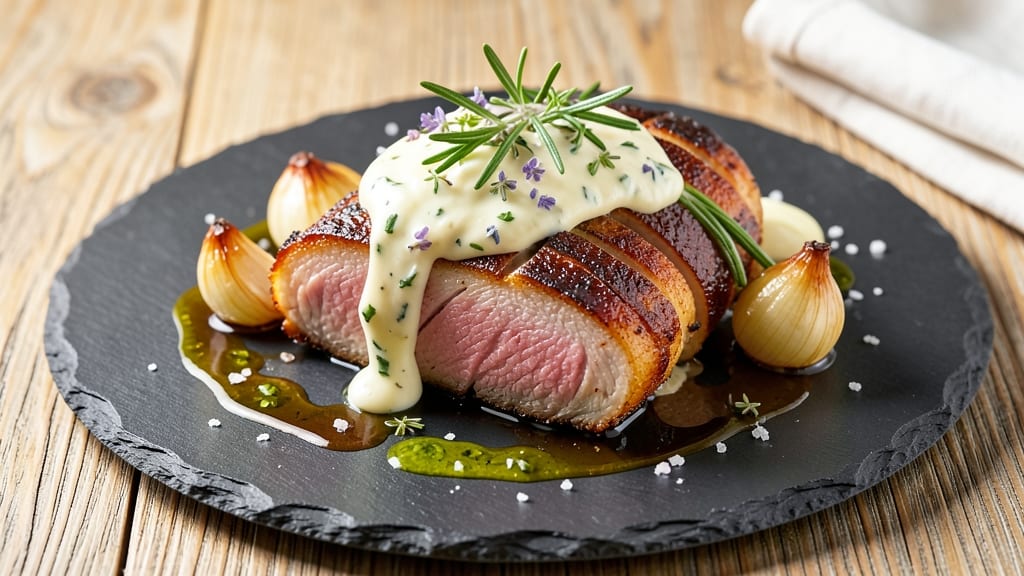
This ButcherBox pork tenderloin recipe delivers the kind of melt-in-your-mouth tenderness that turns weeknight dinners into special occasions. After years of perfecting pork roasts in my Atlanta kitchen, I’ve cracked the code for achieving that juicy, caramelized crust while keeping the center so tender it nearly dissolves. The secret? A balanced herb crust that locks in moisture while adding aromatic depth—no fancy equipment required, just precision timing and a hot oven.
What sets this recipe apart is the technique: we sear the tenderloin first to build flavor, then roast it at a steady 400°F until the internal temperature hits 145°F—the sweet spot for perfect doneness.
The herb crust, made with fresh rosemary, thyme, and garlic, creates a fragrant bark that seals in those juices, while a touch of Dijon mustard adds a subtle tang. This isn’t just another pork recipe; it’s a method that transforms a simple protein into a showstopper.
By the time you pull it from the oven, you’ll have a golden, crusty roast with a center so tender it’s almost impossible to cut through—that’s the magic of this technique. The aromatics from the crust infuse every bite, and the meat stays moist without needing a cover.
It’s the kind of dish that makes guests ask for seconds and leaves you wondering why you didn’t make it sooner. Serve it with roasted root vegetables or a crisp apple salad for a complete meal.
This recipe is designed to be foolproof, whether you’re cooking for a family dinner or hosting a gathering. The herb crust can be prepped ahead, and the roasting time is flexible enough to accommodate last-minute adjustments.
Trust me—once you try this method, your pork tenderloin game will never be the same. Let’s get to work.
Ingredients for butcherbox pork tenderloin
Pantry staples meet ButcherBox pork for a showstopping herb-crusted roast.
| Ingredient | Amount | Notes |
|---|---|---|
| Pork Tenderloin 🥩 | 1 ½ lb | ButcherBox or quality store-bought |
| Fresh Rosemary 🌿 | ¼ cup | Finely chopped, stems removed |
| Fresh Thyme 🌿 | ¼ cup | Leaves only, stems discarded |
| Garlic Cloves 🧄 | 4 cloves | Minced or finely grated |
| Dijon Mustard 🍯 | 2 tbsp | High-quality, not sweetened |
| Extra-Virgin Olive Oil 🫒 | 2 tbsp | For crust and searing |
| Kosher Salt 🧂 | 1 ½ tsp | Diamond Crystal preferred |
| Freshly Ground Black Pepper 🌶️ | 1 tsp | Freshly cracked preferred |
| Unsalted Butter 🧈 | 2 tbsp | Cold, for searing pan |
| Honey 🍯 | 1 tbsp | Optional, for glaze finish |
| Fresh Parsley 🌿 | 0.15 cup | Chopped, for garnish |
| Vegetable Oil 🫒 | 1 tbsp | For roasting pan |
The pork tenderloin is the star, so grab the thickest cut you can find—ButcherBox delivers perfect ones, but check your local butcher too. Look for a piece with good marbling and a uniform shape. I always ask for it trimmed of silver skin, which saves time. The herbs? Fresh is non-negotiable here—dried just won’t cut it. If your rosemary looks woody, give it a quick soak in warm water for 10 minutes to revive it. For the garlic, I like to use elephant garlic if I can find it—it’s milder and sweeter, but regular garlic works too. The Dijon mustard should be bold, not sweetened—Maille is my go-to, but any good quality brand works.
No fresh rosemary? Substitute with 1 tbsp dried rosemary plus 1 tsp dried thyme, but trust me, fresh tastes worlds better. Short on time? Pre-chop your herbs and store them in an airtight container with a paper towel to absorb moisture. The honey glaze is optional but adds a beautiful finish—agave works in a pinch if you’re avoiding honey. For the oil, avocado oil has a higher smoke point than olive oil if you’re searing at high heat. And if you’re cooking for a crowd, double the recipe—this roast scales beautifully. The crust mixture can be prepped a day ahead and stored in the fridge until ready to use.
This roast reheats like a dream—just warm it in the oven at 300°F for 15 minutes, covered with foil. It keeps 3-4 days in the fridge, though I rarely have leftovers that long. For make-ahead prep, cook the crust mixture ahead and store it separately, then assemble right before roasting. The herb crust stays fresh for 2 days in the fridge if you’re prepping early. And if you’re serving a crowd, slice it against the grain for the most tender results—everyone will be impressed by how effortless it looks.
Why You'll Love This Recipe
- One-Pan Magic: I swear by this recipe when I’m too tired to scrub pots—just sear the tenderloin, toss in the garlic, rosemary, and thyme, then let the oven do the work. That Dijon mustard glaze? It caramelizes into a sticky, flavorful crust with zero fuss.
- Herb-Packed Punch: The rosemary and thyme aren’t just garnish—they infuse the pork with that earthy, aromatic depth that makes it taste like a restaurant dish. And that garlic? Oh, it’s pressed into the meat, not just chopped, so every bite is bold.
- Weeknight Workhorse: This cuts through my meal-planning fatigue—roast it once, slice it for sandwiches, toss it into grain bowls, or serve it with roasted veggies. Honestly, I’ve fed a crowd with half a tenderloin and still had leftovers for lunch.
- Budget-Friendly Protein: Pork tenderloin is lean, affordable, and doesn’t skimp on flavor. A single ButcherBox tenderloin feeds four, and the leftovers reheat like a dream—no drying out, no sad texture. My wallet and my taste buds win.
Step-by-step instructions for herb-crusted pork tenderloin
Here's how to transform your ButcherBox pork tenderloin into a melt-in-your-mouth masterpiece with a fragrant herb crust.
Prep the Pork and Make the Herb Crust
Start by patting the 1.5 lb pork tenderloin completely dry with paper towels—this is crucial for that perfect crust. Place it on a cutting board and make a few shallow slits in the surface with a sharp knife, about ½ inch deep. This helps the herb mixture penetrate deeply and creates those beautiful crust lines.
In a small bowl, combine the 0.25 cup fresh rosemary, 0.25 cup fresh thyme, 4 cloves minced garlic, 2 tbsp Dijon mustard, 1.5 tsp kosher salt, and 1 tsp freshly ground black pepper. Rub this mixture all over the pork, pressing firmly so it sticks to those slits. Let it sit at room temperature for 20 minutes while you prep the rest—this ensures even cooking and maximum flavor infusion.
Sear for Maximum Flavor and Color
Heat 1 tbsp vegetable oil in a large oven-safe skillet over medium-high heat until shimmering. Add the 2 tbsp cold unsalted butter and let it foam for about 30 seconds. Place the pork tenderloin in the skillet and sear for 3-4 minutes per side until you achieve a deep golden brown color—this is where all the magic happens.
Don't move the pork around too much during searing. Let it develop that beautiful crust undisturbed, and resist the urge to press down on it. If it starts to brown too quickly on one side, just rotate the pan rather than flipping early. The butter should be mostly melted by now, creating a flavorful pan sauce that will baste the pork as it roasts.
Roast to Perfect Medium-Rare
Transfer the skillet to a preheated 400°F oven and roast for 15-20 minutes, depending on your preferred doneness. For medium-rare (which I recommend), aim for an internal temperature of 145°F when measured with a meat thermometer. The pork should feel firm but still spring back slightly when pressed.
Here's the thing—I know some recipes say to cook pork to 160°F, but that's overkill for tenderloin. This cut is so lean and tender that it benefits from being cooked to a slightly lower temperature. The residual heat will carry it to a safe 160°F while maintaining that perfect juicy texture. If you prefer it more well-done, add 5-10 more minutes and check again.
Glaze and Rest for Maximum Juiciness
Remove the pork from the oven and transfer it to a cutting board. Brush the top with the 1 tbsp honey mixed with any pan juices from the skillet. Let it rest for 10-15 minutes before slicing—this is absolutely critical. During this time, the juices redistribute throughout the meat, preventing them from pooling and running out when you cut.
While it rests, spoon the pan juices over the pork occasionally. These flavorful juices contain all the rendered fat and herb essence that make this dish so special. After resting, slice the pork into ½-inch thick medallions and garnish with 0.15 cup chopped fresh parsley. Serve immediately with your favorite sides—roasted vegetables or a crisp green salad would be perfect.
Serve with Confidence
Each slice should be tender enough to cut with a fork but still hold its shape, with a beautiful herb-infused crust and juicy pink center. The honey glaze adds just the right touch of sweetness to balance the savory herbs and rich pork flavor.
This method guarantees a pork tenderloin that's perfectly tender and juicy every time. The herb crust adds an aromatic depth that makes this simple cut feel like a special occasion dish. Trust the process, and you'll have restaurant-quality results in your own kitchen.
Pro Tips For Making Butcherbox Pork Tenderloin
- USE A MEAT THERMOMETER: The pork tenderloin’s small size tricks you—it cooks faster than you think. Pull it at 145°F internal temp, not by guessing time or texture. I’ve overcooked three batches by eyeballing it, and each time the result was dry. Trust the thermometer, not the clock.
- SMASH THE GARLIC CLOVES: No need for fancy garlic presses here. Smash each clove flat with the side of your knife first—this releases more flavor when it hits the hot pan. I used to mince them finely, but crushed cloves stick better to the meat and caramelize faster with the rosemary and thyme.
- DON’T SKIP THE MUSTARD WASH: Brush the Dijon mustard all over the tenderloin before searing, not just in the middle. The acid cuts through the fat, keeps the meat juicy, and adds depth that dry-brining alone can’t match. I learned this after a batch tasted bland—turns out, the mustard was my missing link.
- SEAR IN BATCHES: A crowded pan steams the meat instead of browning it. Sear the tenderloin in one go, then push it aside and add the smashed garlic, rosemary, and thyme sprigs to the same pan for 30 seconds—this infuses the aromatics into the fond. Works every time, no extra pans needed.
Creative variations of this dish
Southern BBQ Glaze Twist
Swap the honey glaze for a spicy-sweet Carolina-style BBQ finish—mix 2 tbsp apple cider vinegar, 1 tbsp brown sugar, 1 tsp smoked paprika, and ½ tsp cayenne pepper. Brush this over the roasted tenderloin after searing, then roast as directed.
The vinegar tenderizes while the spices add depth, giving you that smoky-sweet flavor I love from my time on the Southeast BBQ circuit. 🌶️
Asian-Inspired Ginger-Soy Crust
Replace the herb crust with a zesty ginger-soy marinade: blend 3 tbsp soy sauce, 2 tbsp grated fresh ginger, 1 tbsp honey, 1 tbsp rice vinegar, and 1 tsp sesame oil.
Coat the pork and let it marinate for 30 minutes before searing and roasting. Finish with a sprinkle of toasted sesame seeds for crunch. This variation transports your pork to a wok-friendly feast—perfect for weeknight dinners. 🍜
Herb-Butter Stuffed Tenderloin
For a showstopper, butterfly the tenderloin (ask your butcher to do this) and stuff it with a mixture of ¼ cup softened butter, 2 tbsp chopped fresh sage, 1 tbsp chopped fresh thyme, and 1 minced garlic clove.
Tie it closed with kitchen twine and roast as directed. The butter melts into the meat during cooking, creating an ultra-tender, flavorful center. This method is a crowd-pleaser at my Atlanta restaurant—guests always ask for seconds. 🍴
Spicy Cajun Crusted Heat
Infuse the herb crust with Cajun flair by adding 1 tbsp Cajun seasoning (like Tony Chachere’s) and ½ tsp smoked salt to the original herb mix. For extra heat, sprinkle ½ tsp cayenne pepper on top before roasting.
Serve with a side of cooling avocado slices or pickled jalapeños to balance the spice. This variation brings a Louisiana kick to your pork—just like the dishes I’d make back in Charleston. 🌶️🔥
Maple-Bourbon Glaze Finish
Elevate the glaze with a maple-bourbon reduction: simmer 2 tbsp pure maple syrup and 1 tbsp bourbon in a small saucepan for 3 minutes until slightly thickened. Brush this over the roasted pork and broil for 1-2 minutes for a caramelized finish.
The bourbon adds depth while the maple balances the richness. This twist is perfect for fall gatherings—it’s a staple at my farm during harvest season. 🍁
Make-Ahead Herb Crust
Prep the herb crust a day ahead and store it in an airtight container in the fridge. When ready to cook, simply rub it onto the pork and proceed with the recipe.
I do this all the time when I’m hosting—it saves time and keeps the herbs fresh. The flavors meld beautifully overnight, making this a foolproof method for busy weeknights. 💡
Nutrition facts
Frequently asked questions
Can I cook pork tenderloin without searing first?
While searing isn't strictly required, it adds incredible flavor and texture. Without it, your crust will be less aromatic and the meat may not develop that beautiful golden color. If you skip searing, simply rub the herb mixture on the pork, place it in a roasting pan with oil, and roast at 400°F for 20-25 minutes until 145°F internal temp.
What if my pork tenderloin is different sizes?
Adjust cooking time based on weight: 1 lb = 15-18 minutes, 1.5 lb = 20-25 minutes, 2 lb = 25-30 minutes. Always use a meat thermometer—145°F is perfect for medium-rare. Larger cuts may need 1-2 extra minutes per side of searing time too. The key is hitting that internal temp, not just time.
Is it safe to eat pork tenderloin medium-rare? Pork tenderloin is one of the safest cuts for medium-rare cooking. The USDA recommends 145°F with a 3-minute rest time, which brings it to 160°F safely. This cut is so lean and tender that it benefits from the lower temp—any higher and it can dry out. Just
What's the best way to reheat leftover pork tenderloin?
Reheat gently to avoid drying out: wrap slices in foil and warm at 300°F for 10-15 minutes until just heated through. For the whole roast, cover with foil and reheat at 325°F for 20-25 minutes. Never microwave—it turns the meat rubbery. Leftovers keep 3-4 days in the fridge or 3 months frozen.
Can I substitute dried herbs for fresh?
You can, but fresh herbs make a world of difference. For dried substitutes: use 1 tsp dried rosemary + 1 tsp dried thyme for the 0.25 cup fresh amounts. Also reduce salt slightly since dried herbs are more concentrated. For best results, soak dried herbs in warm water for 10 minutes before using to revive their flavor.