
Main Courses
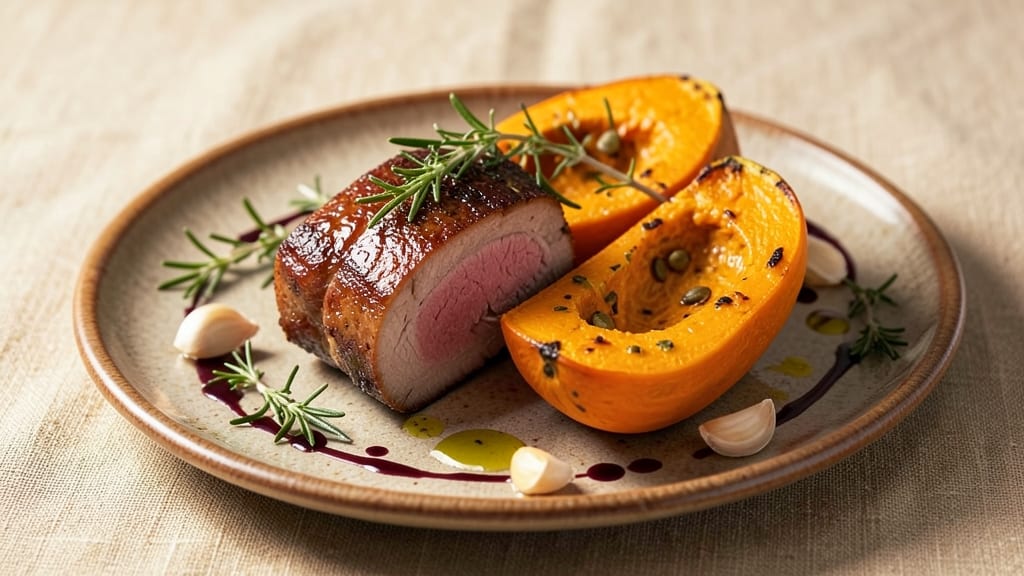
This butternut squash and pork tenderloin recipe delivers a perfect harmony of roasted sweetness and herb-crusted savory meat—a dish that feels both elegant and approachable. 🌟 The secret lies in balancing the natural caramelization of squash with a crispy, aromatic crust on the pork, creating a meal that’s as visually stunning as it is delicious.
I’ve perfected this pairing over years of cooking for crowds, ensuring every bite is tender yet packed with flavor.
The pork tenderloin gets a savory herb crust that locks in juices while developing a golden, crackling exterior—no dry meat here. Meanwhile, the butternut squash roasts until its edges turn tender and caramelized, its natural sweetness deepening as it cooks.
Together, they create a dish that’s rich enough for a dinner party but simple enough for a weeknight. The key? High heat for the pork and a touch of olive oil to enhance the squash’s natural sweetness.
What you’ll end up with is a restaurant-quality meal that’s surprisingly easy to execute at home. The pork comes out perfectly seared and juicy, while the squash melts in your mouth with just the right balance of sweetness and earthiness.
Serve it alongside a simple wild rice or a crisp green salad to round out the plate—this dish is designed to shine without needing extra fuss.
One of my favorite memories from growing up in Georgia was watching my grandmother prepare similar dishes for family gatherings, where the pork and squash were always the stars.
This recipe captures that same warmth and tradition, just with a few modern twists. Let’s get cooking—your table is about to become the center of attention.
Ingredients for butternut squash and pork tenderloin
Pork and squash shine together with these simple, flavor-packed ingredients—just a few stops at the market.
| Ingredient | Amount | Notes |
|---|---|---|
| Pork Tenderloin 🥩 | 1 ½ lb | Trimmed of silver skin |
| Butternut Squash 🎃 | 2 lb | Peeled, cubed (1-inch pieces) |
| Extra-Virgin Olive Oil 🫒 | ½ cup | High quality, fruity |
| Fresh Rosemary 🌿 | ¼ cup | Chopped, stems removed |
| Fresh Thyme 🌿 | ¼ cup | Leaves only, chopped |
| Garlic Cloves 🧄 | 6 cloves | Minced, fresh preferred |
| Dried Sage 🌿 | 1 tbsp | Crumbled, or 1 tbsp fresh |
| Diamond Crystal Kosher Salt 🧂 | 1 ½ tsp | For crust and seasoning |
| Freshly Ground Black Pepper 🌶️ | 1 tsp | Coarsely ground |
| Brown Sugar 🍯 | 2 tbsp | Light or dark variety |
| Wild Rice Blend 🌾 | 1 cup | Uncooked, for serving |
| Fresh Parsley 🌿 | ¼ cup | Chopped, for garnish |
The pork tenderloin is your star here, so pick a center-cut piece—thicker ends are perfect for searing. My go-to is Whole Foods or local butchers for the freshest, but any grocery store will have it. Look for good marbling—just a little fat keeps it juicy. The butternut squash? Costco or Trader Joe's often have pre-cut cubes, but if you're buying whole, roast it first to soften before cubing. Fresh herbs make all the difference—Whole Foods or farmers markets have the best rosemary and thyme, but grocery store bundles work in a pinch.
No fresh rosemary? Dried at double the amount gets you close. Short on thyme? Oregano or marjoram works too. The brown sugar can be swapped for maple syrup or honey if you prefer, but stick to light brown for best caramelization. For the rice, any wild blend works—just follow package instructions for cooking. The olive oil matters here—Califia Farms or Bertolli are my pantry staples, but any extra-virgin will do. And trust me on the fresh parsley—it brightens up the whole dish at the end.
Pork keeps best in the fridge for 2 days if you're prepping ahead, but it's worth cooking fresh for maximum tenderness. The squash? Roast it the same day—it doesn't reheat well. Store any leftovers in airtight containers for 3-4 days, but honestly, this tastes even better the next day as flavors meld. I always make extra rice—it reheats perfectly and pairs great with the pork for lunch the next day. Garnish with parsley right before serving, or store it separately to keep everything vibrant.
Why You'll Love This Recipe
- I swear by this trick: toss everything on a single sheet pan—pork, squash, herbs—and let the oven do the work. No chopping boards to clean, no extra pots to wash. Just slide it in, set a timer, and walk away.
- One-Pan Magic: I swear by this trick: toss everything on a single sheet pan—pork, squash, herbs—and let the oven do the work. No chopping boards to clean, no extra pots to wash. Just slide it in, set a timer, and walk away.
- Herb-Packed Pork Perfection: That rosemary and thyme? They cling to the pork like it’s their job, turning it into something rich and aromatic without needing fancy sauces. The squash soaks up the olive oil until it’s caramelized and sweet—like nature’s candy.
- Weeknight to Dinner Party: Honestly, this feeds six without breaking a sweat, but it’s just as impressive on a Sunday spread. Serve it with crusty bread for a casual night in, or plate it with a drizzle of honey for guests. No one will guess how little effort it took.
Step-by-step instructions for roasted butternut squash and herb-crusted pork
This method delivers melt-in-your-mouth pork and caramelized squash with perfect timing.
🔥 Step 1: Prep the Pork with Herb Crust
Pat the 1.5 lb pork tenderloin dry with paper towels—this ensures a crispy crust later. In a small bowl, mix together the 0.25 cup fresh rosemary, 0.25 cup fresh thyme, 6 cloves minced garlic, 1 tbsp dried sage, 1.5 tsp kosher salt, 1 tsp black pepper, and 2 tbsp brown sugar. Rub this mixture all over the pork, pressing firmly so it sticks.
Let the pork sit at room temperature for 15-20 minutes while you prep the squash. This step is crucial—it helps the pork cook evenly and develops that beautiful herb crust. Here's the thing: if you skip this resting time, the outside might overcook before the inside is tender.
🍳 Step 2: Roast the Butternut Squash
Preheat your oven to 400°F and line two baking sheets with parchment paper. Toss the 2 lb peeled, cubed butternut squash with 0.25 cup extra-virgin olive oil and 1 tsp kosher salt. Spread the squash in a single layer—don't crowd the pan, or it'll steam instead of roast.
Roast for 20-25 minutes, stirring once halfway through, until the edges are golden brown and the squash is tender when pierced with a fork. The squash should smell sweet and caramelized—this is your cue it's ready. If it's not quite there, give it another 5 minutes. Real talk: undercooked squash is tough, and overcooked squash turns mushy.
🔥 Step 3: Roast the Herb-Crusted Pork
While the squash roasts, place the pork on a separate baking sheet. Drizzle with 0.25 cup extra-virgin olive oil and spread it evenly over the herb crust. Roast at 400°F for 20-25 minutes, turning once halfway, until the internal temperature reaches 145°F and the crust is deep golden brown. You'll see the herbs crisp up beautifully—that's your signal it's done.
Don't cut into the pork just yet. Let it rest for 10 minutes before slicing—this keeps all the juices inside where they belong. I know it's tempting to dig in immediately, but trust me on this one. The pork will stay tender and juicy if you wait.
🥘 Step 4: Cook the Wild Rice
While the pork rests, rinse the 1 cup wild rice blend under cold water. Combine it with 2 cups water (or follow package instructions) in a saucepan and bring to a boil. Reduce heat to low, cover, and simmer for 45-50 minutes until the rice is tender and the liquid is absorbed. If it's still a little firm, add a splash more water and cook another 5 minutes.
Fluff the rice with a fork and stir in 0.25 cup chopped fresh parsley. The parsley adds a bright finish that cuts through the richness of the pork and squash. Here's where it gets fun—toss the roasted squash with the rice right before serving to combine all the flavors.
Pro Tips For Making Butternut Squash And Pork Tenderloin
- SEAR THE PORK FIRST: I used to roast the pork tenderloin straight from the fridge, and it always ended up dry—no matter how long I cooked it. Get that pan screaming hot (medium-high heat) and sear the pork for 3-4 minutes per side in olive oil before adding the squash. That crust locks in moisture and adds depth of flavor that roasting alone can’t match.
- PEEL THE SQUASH WRONG: Cutting off the ends and peeling butternut squash lengthwise is a pain, and you’ll waste good flesh. Instead, slice it in half lengthwise, scoop out the seeds with a spoon, then peel just the tough skin around the edges—no need to strip the whole thing. The orange flesh is sweeter and more flavorful when you leave some of the natural skin intact (just scrape off the hard parts).
- DON’T OVERCROWD THE PAN: I learned this the hard way—piling the squash chunks too close together means they steam instead of roast. Space them at least ½ inch apart on the sheet pan, and if you’re short on space, roast the pork and squash in separate pans for the first 15 minutes. Crowding turns tender squash into sad, soggy mush.
- BRINE THE PORK FOR 30 MINUTES: Skipping this step is a gamble, especially with lean pork tenderloin. Toss the pork in a bowl with ¼ cup kosher salt and 1 cup cold water (or just sprinkle 1½ teaspoons salt all over and let it sit). The salt penetrates the meat, keeping it juicy even if you overcook it by 5 minutes. Rinse and pat dry before searing—trust me, your knife will thank you.
Troubleshooting your butternut squash and pork tenderloin
Pork Too Dry?
If your pork comes out dry, you likely overcooked it or skipped the resting time. Always use a meat thermometer—pork is safe at 145°F internal temp, but pull it out at 140°F to account for carryover cooking.
I use a ThermoWorks Smoke thermometer for accuracy. Also, pat the pork dry before seasoning to help the crust form properly. 🌡️
Squash Undercooked?
The squash needs to be tender but not mushy. If it's still firm after 25 minutes, cover the pan with foil and roast another 5-10 minutes. Crowding the pan causes steaming instead of roasting—leave space between pieces.
For extra caramelization, add 1 tbsp maple syrup when tossing with olive oil. The edges should be golden brown and slightly crispy.
Herb Crust Not Crispy?
A crispy herb crust comes from proper oil distribution and high heat. Drizzle the pork with 0.25 cup olive oil after applying the herb mix, then roast at 400°F for the full 20-25 minutes.
If your oven runs hot, reduce to 375°F and check at 20 minutes. Fresh herbs crisp better than dried—stick to the recipe for best results. 🌿
Squash Too Sweet?
Balance the natural sweetness with acid. Toss the roasted squash with 1 tbsp balsamic vinegar or 1 tsp lemon juice before serving. This brightens the flavor without overpowering. For a smoky twist, add ½ tsp smoked paprika to the herb crust on the pork—it pairs beautifully with the squash's sweetness.
Pork Overcooked?
Pork tenderloin cooks quickly, so don't rush it. If it hits 145°F too fast, reduce oven temp to 375°F and tent with foil. For extra insurance, start checking internal temp at 15 minutes.
A 1.5 lb tenderloin should cook in 20-25 minutes at 400°F. If it's still pink, return to the oven for 2-3 minutes more.
Rice Too Firm?
Wild rice needs patience—don't rush it. If it's still firm after 50 minutes, add ½ cup more water and cook another 10 minutes. For best texture, use a 1:2 ratio of rice to water.
Fluff with a fork and let it sit covered for 5 minutes after cooking to steam slightly. Stir in parsley right before serving to keep it vibrant. 🌾
Nutrition facts
Frequently asked questions
Can I substitute pork tenderloin with another cut?
Yes, but choose wisely! A bone-in pork chop (like rib chops) works well—just increase cooking time by 5-7 minutes and check for 145°F internal temp. Avoid leaner cuts like loin chops, as they dry out faster. For a heartier option, try pork shoulder, but braise it instead of roasting for 2-3 hours until tender.
How do I store leftovers?
Store the pork and squash separately in airtight containers for 3-4 days in the fridge. Reheat pork in a skillet with 1 tbsp olive oil over medium heat until warmed through (165°F). For squash, reheat in the oven at 350°F for 10 minutes with a splash of water to restore moisture.
Can I make this recipe ahead of time?
Prep the herb crust and marinate the pork up to 24 hours ahead, storing it uncovered in the fridge. Roast the squash the same day—it reheats poorly. For a make-ahead meal, cook the pork and rice fully, then reheat separately. Assemble plates just before serving to keep everything vibrant.
What’s the best way to caramelize the squash?
For deeper caramelization, toss the squash with 1 tbsp maple syrup or brown sugar before roasting. Roast at 400°F for 25 minutes, then broil for 2-3 minutes until edges are crispy. For extra richness, drizzle with 2 tbsp balsamic glaze after roasting. The key is patience—don’t rush the process!
Is this dish kid-friendly?
With a few tweaks, yes! Skip the brown sugar in the herb crust and reduce garlic to 3 cloves for milder flavor. Serve the pork sliced thin with squash cut into ½-inch cubes. Pair with buttered noodles instead of wild rice. Kids often love the sweet squash—it’s like a natural dessert!