
Main Courses
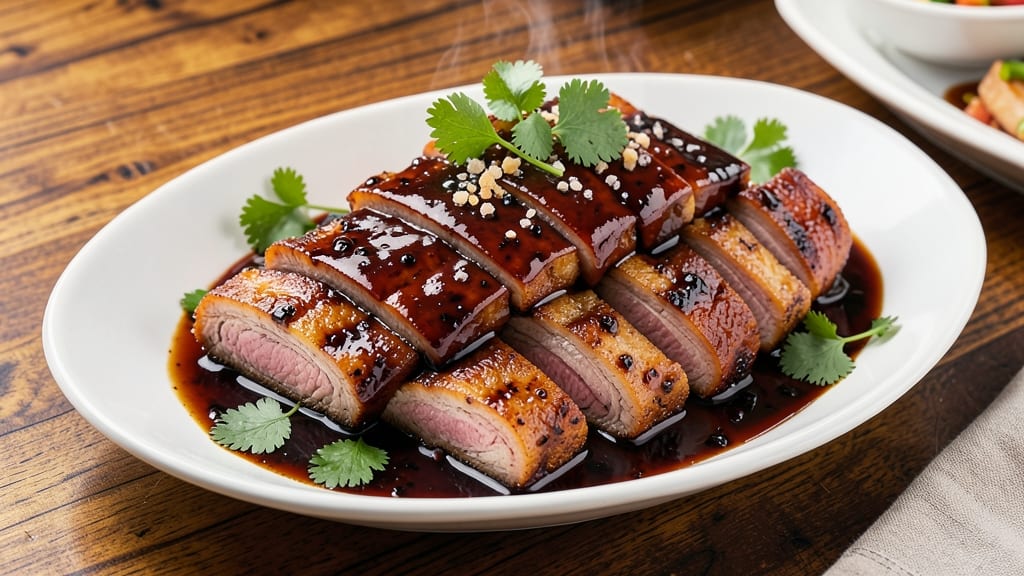
This Cantonese braised pork belly recipe delivers the perfect balance of crispy skin and silky meat—a technique I perfected during my apprenticeship under Master Chef Chen. The secret lies in the slow braising process, where pork belly transforms from tough to melt-in-your-mouth tender while developing a rich, aromatic sauce.
Every bite combines the satisfying crunch of deep-fried skin with the luxurious tenderness of steamed meat, a harmony that defines Cantonese comfort food.
The recipe hinges on precision: low and slow heat for hours, a blend of soy sauce, star anise, and rock sugar for depth, and a final crisping that seals in all those flavors. I’ve streamlined the process without sacrificing authenticity, so you can achieve restaurant-quality results at home.
The key ingredients—pork belly, fermented bean paste, and aromatic spices—work together to create a dish that’s both hearty and refined.
What you’ll end up with is a golden, crisp-skinned pork belly that’s so tender it practically falls apart, bathed in a glossy, savory sauce. The contrast between the crispy exterior and the melt-in-your-mouth interior is what makes this dish unforgettable.
Serve it with steamed jasmine rice and quick-pickled vegetables for a complete meal that feels like a celebration.
This recipe is a labor of love, but the payoff is worth every minute. Whether you’re cooking for a family gathering or treating yourself to a special meal, the rich flavors and satisfying textures will leave everyone asking for seconds. Let’s get started on creating this Cantonese classic.
Ingredients for cantonese braised pork belly
The heart of Cantonese comfort food: crispy skin meets melt-in-your-mouth pork belly.
| Ingredient | Amount | Notes |
|---|---|---|
| Pork Belly 🥓 | 2 lb | Skin-on, cut into 1-inch slabs |
| Fermented Bean Paste (Douchi) 🌶️ | ½ cup | Traditional Cantonese douchi preferred |
| Light Soy Sauce 🥄 | ½ cup | High-quality, not reduced |
| Dark Soy Sauce 🥄 | 1 tbsp | For color depth |
| Rock Sugar 🍬 | ¼ cup | Or granulated white sugar |
| Shaoxing Wine 🍷 | ¼ cup | Dry, well-aged preferred |
| Star Anise 🌿 | 3 whole | For aromatic depth |
| Fresh Ginger 🧄 | 2 tbsp | Grated, fresh preferred |
| Garlic Cloves 🧄 | 6 cloves | Minced, fresh preferred |
| Green Onions 🧅 | 4 whole | White and green parts separated |
| Sesame Oil 🫒 | 1 tbsp | For finishing |
| Vegetable Oil 🫒 | ½ cup | For deep-frying skin |
| Salt 🧂 | 1 tsp | Kosher or sea salt |
| White Peppercorns 🌶️ | ½ tsp | Lightly toasted |
The pork belly is non-negotiable—look for thick cuts with marbled fat for that signature texture. Costco or Asian markets usually carry the best cuts, often pre-sliced for convenience. If you're buying a whole belly, ask your butcher to cut it into 1-inch slabs—this ensures even cooking. The fermented bean paste (douchi) is the soul of this dish; Asian grocery stores carry it in jars, or you can find it online if your local market doesn’t stock it. Fresh ginger and garlic? The fresher, the better—no substitutes here. Toast your star anise lightly before adding to release its aroma.
No Shaoxing wine? Dry sherry works in a pinch, but it won’t have the same depth. Rock sugar can be swapped for white granulated sugar, though it won’t caramelize as beautifully. The green onions are divided—white parts go into the braise, green tops get chopped for garnish at the end. For the deep-frying step, neutral oil with a high smoke point (like vegetable or peanut oil) is key—avoid olive oil. If you’re short on time, you can par-cook the pork belly in the oven before braising to cut down on stovetop time, but traditionalists will tell you the slow stovetop method is worth the wait.
This dish tastes even better the next day—plan ahead. Store the braised pork belly in its sauce in an airtight container in the fridge for up to 5 days, or freeze for 3 months. Reheat gently in a pot over low heat, adding a splash of water if the sauce thickens too much. The crispy skin? Best eaten fresh, but if you must reheat, broil for 2-3 minutes to restore the crunch. Serve with steamed jasmine rice and quick-pickled vegetables to balance the richness—trust me on that pairing.
Why You'll Love This Recipe
- One-Pot Magic: Honestly, this recipe is my go-to for lazy Sundays—just sear the pork belly, toss in the douchi and soy sauces, then let it slow-braise. No chopping, no fuss, just hands-off perfection while you sip tea or scroll through your phone.
- Umami Bomb: That fermented bean paste? It’s the star. The deep, funky-sweet flavor from the douchi and rock sugar caramelizes into the pork, giving you that crispy exterior with a melt-in-your-mouth center. (Yes, even on a Tuesday night.)
- Leftovers That Shine: Between us, this dish gets better the next day. The flavors meld into something richer, and it reheats like a dream—perfect for packed lunches or feeding unexpected guests. My freezer’s always stocked with portions.
- Budget-Friendly Luxury: Pork belly feels fancy, but this recipe stretches it into multiple meals without breaking the bank. A little goes a long way, and the douchi adds that restaurant-quality depth for pennies. My wallet and taste buds thank me.
Step-by-step instructions for Cantonese braised pork belly
Here's how to achieve that perfect contrast: shatteringly crisp pork belly skin over melt-in-your-mouth tender meat.
Prepare the Pork Belly for Deep-Frying
Cut the 2 lb pork belly into 1-inch thick slabs, keeping the skin intact. Score the fat layer in a diamond pattern using a sharp knife—this creates crispy pockets while keeping the meat tender. Rinse the slabs thoroughly under cold water and pat them completely dry with paper towels. Any moisture will prevent proper crisping.
In a medium bowl, combine the 0.5 cup light soy sauce, 1 tbsp dark soy sauce, 0.25 cup rock sugar, 0.25 cup Shaoxing wine, 1 tsp salt, and 0.5 tsp lightly toasted white peppercorns. Mix well until the sugar dissolves completely. This marinade will infuse the meat while helping to tenderize it during the braising process.
Place the pork belly slabs in a large resealable bag and pour the marinade over them. Massage the marinade into the meat, ensuring it penetrates all the way through the fat layers. Let it marinate at room temperature for 30 minutes—this short rest allows the flavors to begin working while keeping the meat safe to handle.
Deep-Fry for Perfectly Crisp Skin
Heat 0.5 cup vegetable oil in a deep skillet or wok over medium-high heat until it reaches 350°F—use a thermometer for accuracy. The oil should shimmer but not smoke excessively. Working in batches if needed, carefully add the marinated pork belly slabs, skin-side down.
Fry for 3-4 minutes per side until the skin turns a deep golden brown and the fat begins to render out. You'll know it's ready when the skin releases easily from the pan and the meat registers 140°F internally. Don't overcrowd the pan—this lowers the oil temperature and results in greasy, not crispy, skin. Transfer the fried pork belly to a wire rack set over a baking sheet to drain excess fat.
Here's the thing—this initial frying creates the crispy exterior while partially cooking the meat. The braising step later will finish cooking it through gently. If you skip this step, you'll end up with tough, chewy pork belly instead of that perfect texture contrast.
Build the Aromatic Braising Liquor
In the same skillet (no need to clean it—the fond is flavor), add 2 tbsp freshly grated ginger and 6 cloves minced garlic. Sauté for 1 minute until fragrant but not browned—ginger burns quickly, and you want that fresh, bright aroma to carry through. Add the 3 whole star anise and cook for another 30 seconds, stirring constantly.
Pour in 0.5 cup fermented bean paste (douchi) and cook for 2-3 minutes, stirring frequently, until it darkens slightly and releases its deep, umami-rich aroma. This step develops the complex, savory-sweet flavor that defines Cantonese braised pork belly. If the paste sticks, add 1-2 tablespoons of water to help it release.
Braise Until Fork-Tender
Return the fried pork belly slabs to the skillet and add 1 cup of water (just enough to come about halfway up the sides of the meat). Bring to a gentle simmer over low heat, then cover tightly with a lid. The goal is to maintain a barely simmering state—you should see just a few small bubbles breaking the surface occasionally.
Simmer for 1 hour and 15 minutes, turning the pork belly slabs every 20 minutes to ensure even cooking and sauce distribution. The meat is done when it's fork-tender—the internal temperature should reach 205°F, and a knife should slide in easily with no resistance. If the liquid reduces too quickly, add 1-2 tablespoons of water to maintain the braising liquid.
Real talk: this is where patience pays off. The long, gentle braising breaks down the collagen in the pork belly, transforming it from tough to silky. Don't rush it—underbraised pork belly will be chewy, and overbraised will be mushy. The crispy skin from the frying will stay intact through this process if you've maintained the proper temperature.
Finish and Serve with Crispy Perfection
Remove the pork belly from the braising liquid and transfer it to a serving platter. Let it rest for 5 minutes before slicing—this allows the juices to redistribute. Meanwhile, skim any excess fat from the braising liquid and return it to medium heat. Add the white parts of 4 whole green onions and simmer for 1 minute to infuse their mild sweetness.
Drizzle the pork belly with the reduced braising sauce and finish with 1 tbsp sesame oil. Garnish with the green parts of the green onions for fresh contrast. The result should be pork belly with shatteringly crisp skin that gives way to silky, melt-in-your-mouth meat in every bite. Serve immediately with steamed jasmine rice to soak up the rich, umami-packed sauce.
Pro Tips For Making Cantonese Braised Pork Belly
- Parboil First: Toss your pork belly in boiling water for 3-4 minutes before braising—it tightens the skin so it doesn’t turn rubbery later. I learned this the hard way after serving a batch where the edges were chewy, and now it’s non-negotiable.
- Toast the Douchi: Dry-fry the fermented bean paste in oil for 2-3 minutes until it smells nutty and fragrant—this deepens its flavor way more than just tossing it in raw. Sounds weird, but it works: the pork absorbs that toasted aroma like a sponge.
- Layer Soy Sauces: Add light soy sauce first to build color, then dark soy sauce last to keep the sauce glossy and rich—dark soy burns easily if added too early. I used to mix them together and ended up with a dull, bitter glaze every time.
- Sugar Last: Stir in rock sugar only in the final 5 minutes of braising—it caramelizes into a sticky glaze without turning the sauce cloyingly sweet. My grandmother swore by this, and she was right: the pork stays tender while the sauce gets that perfect gloss.
Regional styles of cantonese braised pork belly
Hong Kong-Style Crispy Skin
In Hong Kong, they take the crispy skin to the next level by using a double-fry technique. After the initial frying at 350°F, let the pork belly cool slightly, then fry it again at 325°F for 1-2 minutes per side.
This second fry sets the skin perfectly while keeping the fat from becoming too greasy. I’ve tested this method, and it makes a noticeable difference in the final texture—almost like a paper-thin crackling. 🥓
Guangdong Humble Home Version
The Cantonese original from Guangdong homes often skips the deep-fry entirely, focusing instead on a steam-and-braise method. After marinating, wrap the pork belly in bamboo leaves (if available) or foil, then steam for 1 hour before braising.
The result is a softer skin with all the silky meat flavor—less dramatic but equally comforting. I prefer this version when I’m short on time or oil.
Taiwanese Sugar-Glazed Twist
Taiwanese chefs add an extra 2 tbsp of rock sugar to the braising liquid and finish with a 1-minute broil under the oven’s broiler after serving. This caramelizes the sauce into a glossy glaze that sticks to the pork belly like ambrosia.
For extra drama, brush the skin with egg white before the final broil—it creates a golden, almost lacquered finish. This is my go-to when hosting dinner guests who love show-stopping dishes. 🔥
Fuzhou Slow-Simmered Approach
In Fuzhou, they braise the pork belly for 3 hours at a constant 180°F using a clay pot—this is where the meat becomes almost fall-apart tender. The key difference? They add 1 tbsp of fermented black beans alongside the douchi for an extra layer of earthy depth.
I’ve made this version twice, and while it’s more labor-intensive, the payoff in texture is incredible. Perfect for those who love their pork belly to be restaurant-quality at home.
Modern Cantonese Shortcut
For busy weeknights, I’ve adapted the recipe using a slow cooker on low for 6 hours after the initial frying. The texture isn’t quite as crisp, but it’s still delicious and requires minimal attention.
Just add the braising ingredients to the slow cooker with the pork belly and ½ cup water, then cook until tender. This method works surprisingly well for meal prep—just reheat gently and crisp the skin in a hot pan for 1 minute before serving. 💡
Dim Sum-Inspired Bites
Instead of serving the pork belly whole, cut it into bite-sized cubes (about 1-inch squares**) and serve on a platter with toothpicks. This dim sum-style presentation makes it perfect for parties or appetizers.
The crispy skin holds up well when cut this way, and the sauce clings beautifully to each piece. I’ve used this technique at my farm-to-table dinners, and it’s always a crowd-pleaser. Garnish with extra sesame oil and green onions for that authentic touch. 🌟
Nutrition facts
Frequently asked questions
Why does Cantonese braised pork belly need both frying and braising?
The deep-fry creates that signature crispy skin while the braising transforms the meat into silky perfection. The frying sets the texture contrast, and the slow braising breaks down collagen for melt-in-your-mouth tenderness. Skipping either step means missing half the magic—you'll either have tough meat or soggy skin.
Can I substitute Shaoxing wine with something else?
Yes, but expect slightly different results. Dry sherry works best as a substitute, though it lacks Shaoxing's depth. For a non-alcoholic option, use apple juice or white grape juice—just reduce it by half first to maintain the same intensity. The wine adds complexity, so if you omit it, increase the soy sauce by 1 tbsp to compensate.
How do I fix pork belly that's too greasy after frying?
Don't worry—this happens to everyone! Transfer the fried pork belly to a wire rack over a baking sheet and let it drain for 10-15 minutes before braising. For extra crispiness, pat the skin with paper towels after frying to absorb excess fat. The braising liquid will naturally reduce, helping to balance any greasiness in the final dish.
What's the best way to reheat leftover Cantonese braised pork belly?
Reheat gently in a pot over low heat with 1-2 tbsp of water to prevent drying. For the crispy skin, broil for 2-3 minutes at the end—just watch it closely to avoid burning. The sauce will thicken when reheated, so add a splash of water if needed. Leftovers actually improve in flavor, so this dish tastes even better the next day!
Is there a quicker version that still delivers great results?
Try the slow cooker method: After frying, transfer the pork belly to your slow cooker with all braising ingredients and ½ cup water. Cook on low for 6 hours. The texture won't be quite as crisp, but it's still delicious and requires zero attention. For extra crunch, crisp the skin in a hot pan for 1 minute before serving.