
Main Courses
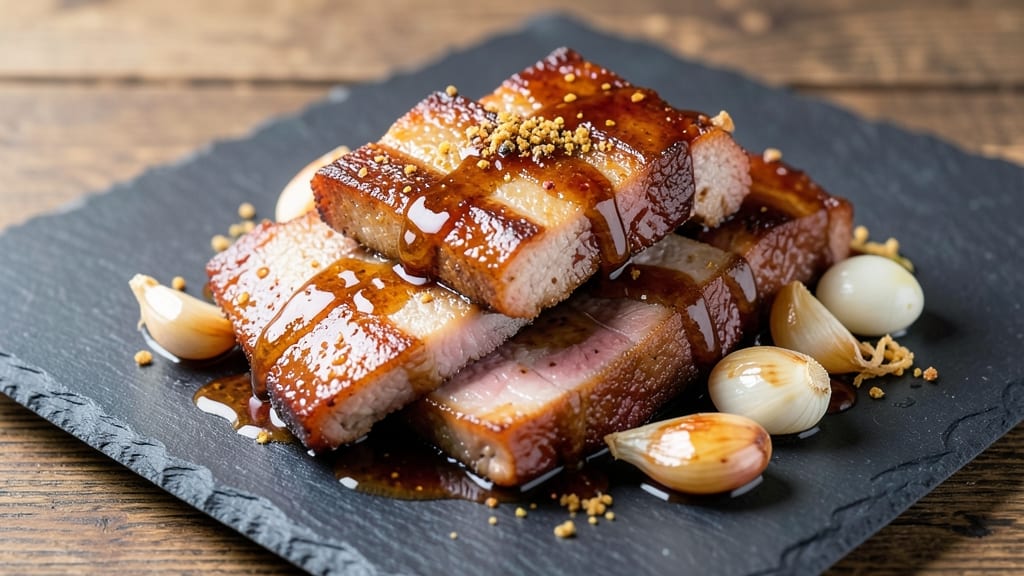
This Cantonese pork recipe delivers the perfect harmony of smoky char and aromatic five-spice, a dish that’s as much about technique as it is about tradition. 🔥 After years of perfecting the balance between crispy exterior and tender interior, I’ve developed a method that captures the essence of Hong Kong’s legendary Char Siu—without the fuss.
The secret lies in marinating the pork overnight, then grilling it over high heat to achieve that signature caramelized crust while keeping the meat juicy.
The beauty of this recipe is in its versatility—it’s equally at home as a festive centerpiece or a weeknight dinner.
I’ve tested it with both pork shoulder and tenderloin, but the real magic happens when you pair it with silky steamed buns, where the pork’s sweet-savory glaze soaks into every bite.
The five-spice blend (star anise, cinnamon, cloves, fennel, and Szechuan peppercorn) creates layers of warmth that linger long after the last bite.
What you’ll end up with is pork that’s crisp on the edges, tender inside, and coated in a glossy glaze that’s both sticky and perfectly balanced—sweet enough to satisfy but never cloying.
The aroma alone will have everyone gathering around the table, and the presentation—whether stacked on buns or sliced over rice—is restaurant-worthy. This is the kind of dish that turns a simple meal into an experience.
Serve it with jasmine rice for a classic pairing, or elevate it further with quick-pickled vegetables to cut through the richness. The leftovers reheat beautifully, making this a recipe worth doubling. Here’s how to bring the flavors of Cantonese cuisine to your kitchen—step by step.
Ingredients for cantonese pork
These bold ingredients transform simple pork into Cantonese Char Siu magic.
| Ingredient | Amount | Notes |
|---|---|---|
| Pork Shoulder 🐖 | 1 ½ lb | Boneless, cut into 1-inch chunks |
| Hoisin Sauce 🍶 | ½ cup | Store-bought or homemade |
| Brown Sugar 🍚 | ½ cup | Packed, light or dark |
| Soy Sauce 🥢 | ⅓ cup | Light or dark preferred |
| Five-Spice Powder 🌶️ | 2 tbsp | Homemade or store-bought blend |
| Garlic Cloves 🧄 | 6 cloves | Minced or finely chopped |
| Fresh Ginger 🌿 | ½ cup | Finely grated, peeled |
| Sesame Oil 🫒 | 1 tbsp | Toasted for aroma |
| Honey 🍯 | 2 tbsp | Wildflower preferred |
| Rice Vinegar 🍶 | 1 tbsp | White or seasoned |
| Cornstarch 🌾 | 1 tbsp | For glaze thickening |
| Vegetable Oil 🫒 | 2 tbsp | For grilling |
| Jasmine Rice 🍚 | 2 cups | Uncooked, for serving |
| Steamed Buns 🥖 | 4 whole | Store-bought or homemade |
The pork shoulder is non-negotiable—its fat content renders beautifully for that signature crisp. Costco or butcher shops often sell it pre-cut, but if buying whole, ask for the bone-in section near the shoulder. Look for good marbling (white flecks) for juiciness. Five-spice powder is the soul of this dish: Penzeys or Asian markets carry authentic blends with star anise, cinnamon, and Szechuan peppercorn. Fresh ginger? Buy knobby roots—they're more potent than pre-peeled chunks. For hoisin sauce, Lee Kum Kee is the gold standard, but any brand with no artificial colors works.
No five-spice blend? Mix 1 tsp each of ground cinnamon, cloves, fennel seeds, and star anise with ½ tsp Szechuan peppercorn (toasted and ground). Substitute honey with maple syrup if needed, though the floral notes won't match perfectly. Soy sauce short? Mirin or coconut aminos add depth in a pinch. For the glaze, cornstarch is key—Bob's Red Mill is my go-to brand. The buns? Trader Joe's frozen steamed buns reheat beautifully if you're short on time. Just don't skip the sesame oil—its nutty aroma is essential.
Marinate the pork overnight for maximum flavor penetration. Store leftovers in an airtight container with a paper towel pressed on top to absorb moisture—keeps 4 days in the fridge. Freeze for 3 months by wrapping tightly in foil. The glaze thickens as it cools, so reheat gently with a splash of water. Double the batch—this pork disappears fast, and reheated slices taste even better with crispier edges.
Why You'll Love This Recipe
- One-Pan Magic: I swear by this recipe when I’m too tired to wash dishes—just toss the pork shoulder with hoisin, brown sugar, and five-spice, then let the oven do the work. No flipping, no fuss, just melt-in-your-mouth results.
- Sweet-Savory Balance: That perfect harmony of sticky hoisin and smoky five-spice? It’s the kind of flavor that makes you slow down mid-bite. The brown sugar caramelizes into a glossy glaze that’ll have everyone asking for seconds.
- Leftover Goldmine: This dish actually improves the next day—tender, saucy, and packed with flavor. I meal prep it all the time because reheating it is just as good as the first bite, and it’s cheap enough to stretch for lunches.
- Budget Crowd-Pleaser: Pork shoulder is affordable, and a single batch feeds four (or my family of five if we’re honest). The hoisin and soy sauce add depth without breaking the bank, making it my go-to for potlucks or lazy Sundays.
Step-by-step instructions for charred five-spice crisp with silky steamed buns
Here's how to transform tender pork shoulder into restaurant-quality crispy edges and aromatic five-spice perfection.
🔥 Step 1: Marinate and Char the Pork Shoulder
In a large bowl, combine the 1.5 lb pork shoulder with the 0.5 cup hoisin sauce, 0.5 cup brown sugar, 0.33 cup soy sauce, 2 tbsp five-spice powder, 6 cloves minced garlic, and 0.5 cup finely grated ginger. Massage the marinade into the pork until fully coated. Cover and refrigerate for at least 4 hours (overnight is ideal) - this allows the flavors to deeply penetrate the meat.
Heat a grill pan or cast-iron skillet over medium-high heat and add 2 tbsp vegetable oil. Once hot, add the marinated pork in a single layer. Cook undisturbed for 5-6 minutes per side until deep golden brown char forms. You'll see those beautiful caramelized edges that create the crispy exterior we're after. Transfer to a plate and let rest for 5 minutes before slicing into ½-inch thick pieces.
🍳 Step 2: Create the Glossy Five-Spice Glaze
In a small saucepan, combine the 2 tbsp honey, 1 tbsp rice vinegar, 1 tbsp sesame oil, and 1 tbsp cornstarch. Whisk vigorously to dissolve the cornstarch completely - this will create our thickening agent for the glaze. Place over medium heat and cook for 3-4 minutes, stirring constantly, until the mixture thickens to a glossy consistency that coats the back of a spoon.
The glaze should have a rich amber color and a slightly sticky texture. Here's the thing - if it thickens too quickly, add 1 teaspoon water to loosen it. The glaze needs to be smooth enough to coat the pork evenly without being too runny. Remove from heat and set aside - we'll use this to finish our pork.
🥘 Step 3: Finish the Pork and Assemble the Buns
Return the sliced pork to your grill pan over medium heat. Pour the glaze evenly over the pork pieces, spooning it to coat all surfaces. Cook for an additional 2-3 minutes until the glaze caramelizes slightly and forms a sticky, glossy coating. The pork should be heated through with a beautiful charred exterior.
While the pork finishes, steam the 4 whole steamed buns according to package instructions until fully cooked and slightly translucent. The buns should be soft and pillowy - this is what makes the final dish so satisfying. To serve, place 1 pork piece on each steamed bun and drizzle with any remaining glaze from the pan.
⏰ Step 4: Prepare Jasmine Rice for Serving
Rinse the 2 cups jasmine rice thoroughly under cold water until the water runs clear. This removes excess starch that can make the rice gummy. Drain well and cook according to package instructions, typically using a 1:1.5 rice-to-water ratio and simmering for 15-18 minutes until tender and fluffy.
For best results, spread the cooked rice on a tray and let it cool slightly before serving. This prevents the rice from becoming mushy when combined with the juicy pork. The fragrant jasmine rice will complement the rich, charred flavors of the pork beautifully. Serve the pork and buns immediately with the rice on the side for scooping.
Pro Tips For Making Cantonese Pork
- CRISP THE PORK FIRST: Thinly slice the pork shoulder against the grain, then sear it in a screaming-hot wok or pan for 30 seconds per side before adding sauce. I learned this the hard way—skipping the sear makes the meat turn mushy when it hits the hoisin later. High heat locks in juices and builds a quick crust that holds up.
- USE STICKY RICE VINEGAR: Swap half the soy sauce for an equal part sticky rice vinegar in the marinade or sauce. It brightens the five-spice flavor and cuts through the sweetness of hoisin and brown sugar without overpowering. My grandmother swore by this, and she was right: the dish tastes more balanced and less cloying.
- DON’T OVERMIX THE SAUCE: Once the pork hits the sauce, stir just enough to coat—no need for a glaze. Overmixing turns the hoisin into a sticky paste that clings like glue, making the pork soggy. A few quick tosses and letting it simmer uncovered (so the sauce reduces naturally) keeps the texture tender but crisp at the edges.
- SALT THE PORK TWICE: Salt the pork shoulder generously 20 minutes before cooking, then again right after searing. The first salting tenderizes, but the second—right after the initial sear—ensures the crust forms properly. I was skeptical until I tried it: the meat stays juicy inside but develops that perfect caramelized bite.
Troubleshooting great cantonese pork
Uneven Char Development
If your pork isn't getting evenly charred, it's likely because the pieces aren't the same size or the heat isn't distributed properly. I've found that cutting the pork shoulder into 1-inch chunks (not too large, not too small) creates consistent cooking surfaces.
For best results, use a cast-iron grill pan or a charcoal grill—both distribute heat more evenly than gas burners. If using a gas grill, preheat it to 450°F and place the pork over the hottest zone for those signature blackened edges. 🔥
Soggy Buns or Glaze Too Thin
Steamed buns should be soft but not soggy when served with the pork. If yours are falling apart, they were likely oversteamed or undercooked.
I recommend using Trader Joe's frozen steamed buns (they reheat perfectly) or making your own with a 1:3 flour-to-water ratio and resting them for 10 minutes after steaming. For the glaze, if it's too thin, simmer it uncovered for an extra 1-2 minutes to reduce it. Too thick?
Add ½ teaspoon water and stir until smooth.
Pork Too Dry or Tough
Overcooking is the #1 reason pork turns out dry. The key is patience—char the pork for 5-6 minutes per side until deeply browned, then let it rest for 5 minutes before slicing. I also recommend using pork shoulder (not tenderloin) because the fat marbling keeps it juicy.
If your pork still feels tough, try slicing it against the grain—this shortens the muscle fibers and makes each bite more tender. For extra moisture, brush the sliced pork with a little sesame oil before glaze application.
Glaze Not Sticking
A glossy, sticky glaze is what makes this dish shine. If yours isn't adhering, it's likely because the pork wasn't hot enough when you applied it. Heat the sliced pork back up in the grill pan for 1-2 minutes before adding the glaze—this ensures it clings properly.
Another trick? Mix ½ teaspoon cornstarch into your glaze as a backup thickener. If the glaze still refuses to stick, try using a pastry brush to spread it evenly in thin layers, letting each layer set slightly before adding more.
Five-Spice Flavor Weak
The five-spice blend is the soul of this dish, so if it's lacking depth, your blend might be too mild.
I swear by Penzeys Spices for their authentic Cantonese five-spice powder, but if you're making your own, toast the whole spices (star anise, cinnamon, cloves, fennel, and Szechuan peppercorn) in a dry pan for 2 minutes before grinding—they'll release more aromatic oils.
For extra punch, add ½ teaspoon toasted sesame seeds to the glaze or sprinkle them on top of the finished pork. 🌶️
Nutrition facts
Frequently asked questions
Can I use pork tenderloin instead of pork shoulder for this recipe?
While pork tenderloin works, it’s leaner and more prone to drying out during the charring process. For best results, stick with pork shoulder—its fat content renders beautifully, creating that signature crispy exterior while keeping the interior juicy. If you must use tenderloin, marinate it for 6+ hours and reduce cooking time to 3-4 minutes per side to avoid toughness.
What’s the best way to store and reheat leftover Cantonese pork?
Store leftovers in an airtight container with a paper towel pressed on top to absorb moisture. They’ll stay fresh for 4 days in the fridge. To reheat, place slices in a skillet over medium heat for 2-3 minutes per side until warmed through. For extra crispiness, broil for 1 minute at the end. The glaze reheats beautifully this way!
How do I make this recipe gluten-free?
Replace the hoisin sauce with a gluten-free alternative (like tamari or coconut aminos), and use a gluten-free five-spice blend. For the buns, opt for gluten-free steamed bun wrappers or make your own with a 1:1 gluten-free flour blend. The pork itself is naturally gluten-free, so the biggest adjustments are in the sauce and buns.
Can I prepare the marinade ahead of time?
Mix the marinade ingredients (except the pork) up to 2 days ahead and store it in the fridge. When ready to use, simply add the pork and let it marinate for at least 4 hours. This saves time and lets the flavors meld even better. Just be sure to bring the marinade to room temperature before applying it to the pork for even coating.
What’s the difference between this recipe and traditional Char Siu?
This recipe captures the essence of Char Siu with its five-spice marinade and charred edges, but it’s simplified for home cooks. Traditional Char Siu often uses wrapped pork pieces (like a roast) and is cooked over an open flame for hours. Our version focuses on quick, flavorful pork chunks perfect for buns or rice. Both share the same aromatic spices and sticky glaze, though authentic Char Siu is typically served in larger cuts.