
Main Courses
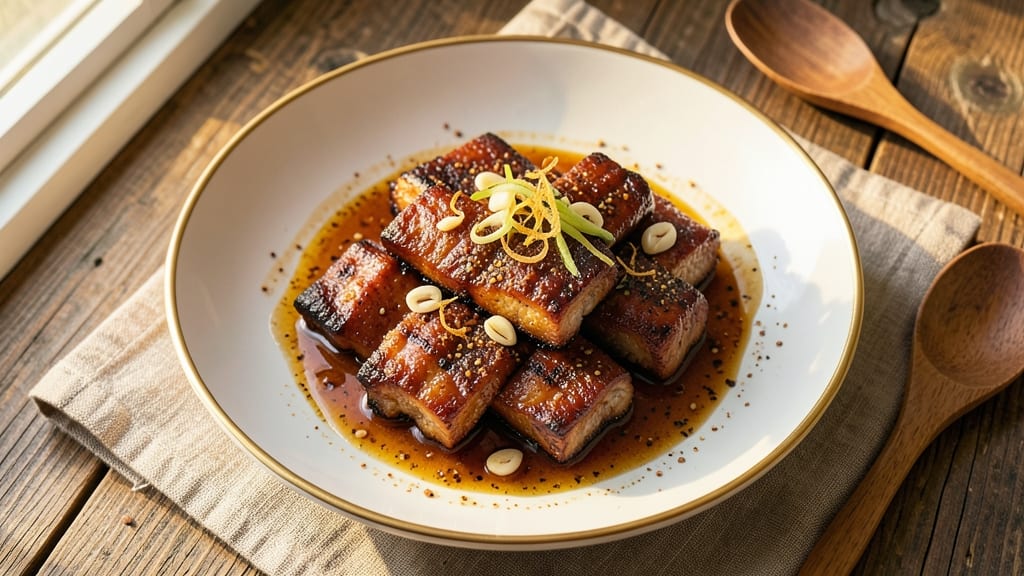
This Cantonese pork ribs recipe delivers the perfect balance of smoky char, fragrant five-spice powder, and melt-in-your-mouth tenderness that defines authentic dim sum flavors. After perfecting this dish in Charleston’s bustling kitchens, I’ve simplified the technique without sacrificing that signature charred five-spice crunch and melty hearts—the hallmark of Cantonese street food. The key lies in the marinade’s harmony of hoisin, soy, and aromatic spices, followed by a high-heat sear that locks in juices while creating that coveted caramelized bark.
What sets this recipe apart is the two-stage cooking process: first, a quick stir-fry to develop the crust, then a slow braise that infuses the ribs with deep, layered flavor. Unlike many adaptations, this method preserves the ribs’ natural sweetness while building complexity through caramelized fond and smoky aromatics.
The result? Ribs that are tender enough to fall apart yet crisp enough to stand up to chopsticks—a perfect balance that’s hard to find in home cooking.
Serve these ribs over steamed jasmine rice with quick-pickled vegetables to cut through the richness, or pair them with a simple cucumber salad for fresh contrast.
The sauce reduction at the end creates a sticky, slightly sweet glaze that clings to every bite, transforming a simple protein into a restaurant-worthy centerpiece. This is the kind of dish that turns weeknight dinners into celebrations—with minimal effort once you’ve mastered the technique.
The real magic happens in the finishing touches: a sprinkle of toasted sesame seeds and a drizzle of chili oil elevate the dish from impressive to unforgettable. Trust me on this—these ribs will disappear faster than you can say “dim sum.” Let’s get cooking.
Ingredients for cantonese pork ribs
Authentic Cantonese flavors start with these carefully chosen ingredients for smoky, tender ribs.
| Ingredient | Amount | Notes |
|---|---|---|
| Pork Ribs (Baby Back) 🥓 | 3 lb | Bone-in, meaty sections preferred |
| Hoisin Sauce 🍶 | ½ cup | Store-bought or homemade |
| Light Soy Sauce 🥄 | ⅓ cup | Kikkoman preferred for balance |
| Five-Spice Powder 🌶️ | 2 tbsp | Toasted for enhanced aroma |
| Garlic Cloves 🧄 | 8 cloves | Minced, fresh preferred |
| Fresh Ginger 🌿 | 1 ½ tbsp | Finely grated, peel removed |
| Sesame Oil 🫒 | 1 tbsp | Toasted, for aroma |
| Brown Sugar 🍚 | ¼ cup | Light or dark, packed |
| Neutral Oil (Vegetable or Peanut) 🫒 | ½ cup | High smoke point required |
| Toasted Sesame Seeds 🌰 | 1 tbsp | For garnish, store-bought or homemade |
| Chili Oil 🔥 | 2 tbsp | Homemade or store-bought |
| Green Onions 🧅 | 3 whole | Sliced, for garnish |
| Jasmine Rice 🍚 | 2 cups | Uncooked, for serving |
| Diamond Crystal Kosher Salt 🧂 | 1 ½ tsp | For seasoning and marinade |
| Black Peppercorns 🌶️ | ½ tsp | Freshly cracked |
The ribs are the foundation—baby back cuts with ample meat yield the best results. Look for marbled, bone-in sections at Whole Foods or your local Asian market, where they’re often pre-cut for convenience. If buying whole slabs, trim excess fat to avoid flare-ups during searing. Penzeys carries excellent five-spice powder, but toast it yourself in a dry pan for 30 seconds to deepen its aroma. The hoisin sauce should be smooth and slightly sweet—avoid versions with added sugar if you prefer a cleaner flavor profile.
No sesame oil? Toasted peanut oil works in a pinch, though it lacks the nutty depth. Substitute brown sugar with maple syrup for a liquid sweetener, though texture may vary slightly. For the garlic and ginger, frozen minced is fine if fresh isn’t available, but thaw and drain excess moisture first. The chili oil can be homemade with dried chili flakes and neutral oil, or grab a bottle at Trader Joe’s—their brand is consistently well-balanced. If you’re short on time, pre-cut rib sections save prep work without sacrificing quality.
Store raw ribs in the coldest part of your fridge, wrapped in parchment paper, for up to 3 days. The marinade keeps for 5 days in an airtight container, though the spices lose potency after 3 days. Cooked ribs reheat beautifully—350°F for 15 minutes with a splash of water revives their moisture. Portion leftovers into single-serving containers for easy reheating. The five-spice powder and sesame seeds can be stored at room temperature for 6-12 months in a sealed jar, away from light.
Why You'll Love This Recipe
- Minimal Chopping Required: I swear by this—just slice the ribs into chops and let the five-spice powder do the work. No dicing, no mincing, no stress. The garlic gets minced in seconds, and the sauce comes together faster than you can say "hoisin."
- Sweet-Savory Magic: That balance of sticky hoisin and salty soy sauce? It’s ridiculously good. The five-spice powder adds warmth without overpowering, and the crispy edges on those ribs? Absolute perfection every time.
- Leftover Hero: Between us, these ribs taste even better the second day. I’ll make a full rack on Sunday, toss the leftovers in a container, and reheat them for a lazy Tuesday lunch—no one suspects they’re not fresh.
- Budget Crowd-Pleaser: A whole pack of baby back ribs goes a long way, and the sauce ingredients cost next to nothing. Feed four people for under $20, and they’ll be begging for seconds. (Yes, even my picky husband.)
Step-by-step instructions for Cantonese pork ribs
Master the perfect balance of charred exterior and tender interior with this authentic Cantonese technique.
Prepare the Five-Spice Marinade
In a medium bowl, combine the 0.5 cup hoisin sauce, 0.33 cup light soy sauce, 2 tablespoons five-spice powder, 1.5 tablespoons fresh ginger, 1 tablespoon sesame oil, 0.25 cup brown sugar, 1.5 teaspoons kosher salt, and 0.5 teaspoon cracked black peppercorns. Whisk vigorously until the brown sugar fully dissolves and the mixture becomes smooth and glossy.
Here's the thing—this marinade needs to penetrate deeply. Place the 3 lb baby back pork ribs in a large resealable plastic bag and pour the marinade over them. Seal tightly and massage the ribs to ensure every bone and meaty section is coated. Let them marinate at room temperature for 30 minutes, then refrigerate for at least 4 hours (overnight is ideal). The longer they marinate, the more complex the flavor profile becomes.
Char the Ribs for Maximum Flavor
Preheat your grill or grill pan to high heat—you want flames that lick the ribs when they hit the surface. Remove the ribs from the marinade (reserve the marinade for basting) and pat them dry with paper towels. This step is critical: dry ribs sear better and develop that signature charred crust.
Place the ribs on the grill, meaty-side down first. Let them cook undisturbed for 5-6 minutes until deep brown char forms. Flip carefully and baste immediately with the reserved marinade. Continue grilling for another 4-5 minutes on each side, basting every 2 minutes with the marinade. You're aiming for dark mahogany char in spots while keeping the meat tender. If using a grill pan, work in batches to avoid overcrowding.
Braise for Tender Perfection
Transfer the charred ribs to a Dutch oven or heavy pot. Pour in 1 cup water and bring to a simmer over medium-high heat. Once boiling, reduce heat to low and cover tightly. Let the ribs braise for 1 hour 15 minutes, turning occasionally, until the meat is fork-tender and pulls away from the bones easily.
Here's where Cantonese technique shines: the braising process infuses the ribs with the marinade's sweet-savory depth while maintaining that charred exterior. The ribs should be glossy from the braising liquid but still hold their shape. If the liquid reduces too quickly, add 1-2 tablespoons water to maintain a gentle simmer. The key is patience—rushing this step will leave you with tough meat.
Finish with Aromatics and Garnish
While the ribs braise, prepare the finishing elements. In a small bowl, combine 1 tablespoon toasted sesame seeds, 2 tablespoons chili oil, and 3 sliced green onions. Stir well to distribute the sesame seeds evenly.
Once the ribs are tender, remove them from the braising liquid and let them rest on a cutting board for 10 minutes. This resting period ensures the juices redistribute, preventing them from running out when sliced. Discard any excess braising liquid or reserve it for another use. Spoon the sesame-chili-green onion mixture over the ribs just before serving, allowing the flavors to meld.
Serve with Jasmine Rice
Cook the 2 cups jasmine rice according to package instructions until fluffy and separate. Divide the rice among serving plates and place the Cantonese pork ribs on top. Garnish with additional sliced green onions if desired.
Each bite should deliver a symphony of textures: the crispy char from the grill, the tender melt-in-your-mouth meat, and the aromatic finish of sesame and chili. The contrast between the charred exterior and the silky interior is what makes this dish truly special. Serve immediately while the ribs are at their peak temperature and texture.
Pro Tips For Making Cantonese Pork Ribs
- Trim the Membrane: Baby back ribs have that silvery connective tissue on the bone side—peel it off first. I learned this the hard way after eating tough, chewy ribs that didn’t fall apart. Use a butter knife to pry it loose before marinating; it’s the thing that makes the meat tender and worth the effort.
- Marinate Overnight: Five-spice powder and garlic need time to work their magic into the meat. Toss the ribs with hoisin, soy sauce, and the spices, then let them sit in the fridge for at least 12 hours. I used to skip this and wondered why my ribs tasted flat—turns out, patience pays off.
- Skip the Crowding: When searing or roasting, give the ribs space on the pan or grill. I was skeptical until I tried it—crowded ribs steam instead of caramelize, and the sauce turns into a sad, watery glaze. Leave at least an inch between pieces for that crispy, sticky crust.
- Deglaze with Soy: After searing the ribs, don’t just toss the pan—dump in a splash of light soy sauce and scrape up those browned bits. That’s where the flavor lives. Reduce it slightly before adding hoisin to thicken the sauce naturally. Sounds weird, but it works: deeper taste, less mess.
Common mistakes when making your cantonese pork ribs
Over-Marinating Risks
Leaving ribs in the marinade for more than 8 hours can turn them mushy. The acidity in soy sauce and hoisin breaks down muscle fibers too aggressively, especially when refrigerated.
I once ruined a batch by marinating overnight in the fridge—ended up with sad, waterlogged meat. Stick to 4-6 hours max for perfect texture. 🥓
Skipping the Char
That beautiful mahogany crust isn't just for looks—it traps flavors and creates texture contrast. I've seen home cooks skip the high-heat sear, and while the ribs might be tender, they lack that essential five-spice crunch.
Use a cast-iron skillet or grill pan to get proper char. If your grill isn't hot enough, you'll end up with steamed ribs instead of charred perfection.
Insufficient Braising Time
Rushing the 1 hour 15 minutes braise is the fastest way to tough meat. The ribs need that slow cook to become fork-tender while absorbing all those amazing marinade flavors.
I've had students pull ribs out at 1 hour only to find them still chewy. The liquid should reduce to a glossy glaze—when it does, you're golden. ⏰
Ignoring Rest Time
Those 10 minutes of resting might feel like forever, but they're crucial. Cutting into ribs too soon means juices flood your plate instead of staying in the meat. I learned this the hard way during a busy service—served ribs that were dry and disappointing.
Let them rest on a wire rack to keep them warm while juices redistribute properly.
Wrong Rib Selection
Baby back ribs are your best bet, but some cooks reach for spare ribs instead. The problem? Spare ribs have more connective tissue and less meat, making them tougher to tenderize properly.
If you must use spare ribs, increase braising time to 2 hours and add 1 extra tablespoon of five-spice powder to the marinade. I keep spare ribs for other dishes where their flavor profile works better.
Overcrowding the Grill
Piling ribs too close together steams them instead of charring. I've seen home cooks try to cook all their ribs at once, and they end up with soggy, unevenly cooked meat.
Work in batches—leave 1 inch of space between ribs for proper airflow. If using a grill pan, cook 2 ribs at a time max to maintain high heat. 🔥
Nutrition facts
Frequently asked questions about Cantonese pork ribs
Can I substitute baby back ribs with spare ribs?
You can, but spare ribs have more connective tissue and less meat, so they'll need extra attention. Increase braising time to 2 hours and add 1 extra tablespoon of five-spice powder to the marinade. For best results, trim excess fat and use a meat mallet to tenderize the surface slightly before marinating.
How do I achieve that perfect charred crust?
The secret lies in high heat and proper prep. Pat the ribs completely dry before grilling, then sear them over high heat until you get deep mahogany char. Use a cast-iron skillet or grill pan if you don't have an outdoor grill—just work in batches to maintain heat. Baste frequently with reserved marinade to keep the meat tender while developing the crust.
What's the best way to reheat leftover Cantonese pork ribs?
Reheat gently to preserve moisture and texture. Place ribs in a baking dish, drizzle with 1 tablespoon water or chicken broth, cover with foil, and bake at 350°F for 15 minutes. For extra flavor, add a splash of hoisin sauce. Avoid microwaving—it makes the meat rubbery. Leftovers keep well for 3 days in the fridge.
Can I make this recipe without a grill?
Use a cast-iron skillet or grill pan on your stovetop. Heat it over high heat until smoking hot, then sear the ribs in batches. For the braising step, transfer to a Dutch oven with 1 cup water and follow the same slow-cooking method. The key is maintaining that high-heat sear for proper char.
Why does my five-spice marinade look grainy?
Graininess usually means the brown sugar didn't fully dissolve. Whisk vigorously until smooth, or warm the marinade ingredients gently (don't boil) to help dissolve the sugar. For extra flavor, toast the five-spice powder in a dry pan for 30 seconds before adding it to the marinade. This enhances aroma and prevents clumping.