
Main Courses
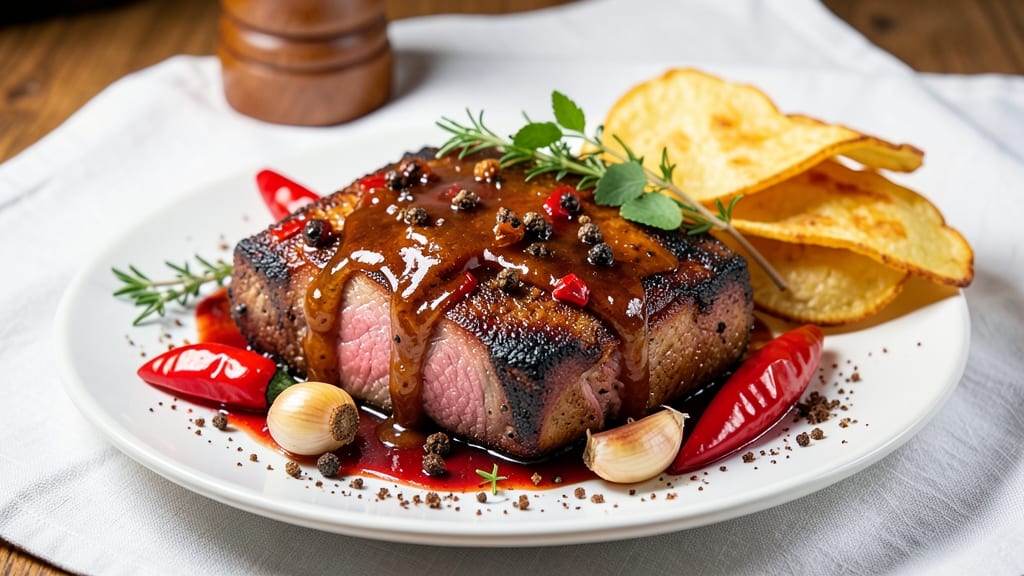
This Caribbean pork loin recipe delivers restaurant-quality jerk-spiced crust with melt-in-your-mouth tenderness—perfect for a flavorful weeknight dinner or special occasion. 🔥 After years of perfecting jerk marinades in Charleston, I’ve developed a method that balances bold spices with just enough sweetness to create a caramelized bark while keeping the meat impossibly tender inside.
The key? A long, slow cook that lets the flavors penetrate deeply without drying out the pork.
The secret lies in the marinade: a blend of Scotch bonnet peppers, allspice, thyme, and a touch of rum that infuses the pork with authentic Caribbean heat and depth.
I roast the loin at a low temperature to ensure even cooking, then finish it with a quick sear to lock in those smoky, spicy flavors. This isn’t just a pork dish—it’s a full sensory experience that transports you to the islands with every bite.
What you’ll end up with is a perfectly cooked pork loin, glistening with a dark, aromatic crust that’s crispy on the outside and so tender it nearly falls apart. The meat stays juicy and flavorful, with layers of spice that build from the first bite.
Serve it with my go-to sides—garlicky rice and peas, caramelized plantains, and a tangy mango salsa—to complete the meal.
This recipe is designed to impress, whether you’re feeding a family or hosting a dinner party. The flavors are bold but balanced, and the technique is straightforward enough for home cooks to master. Let’s get cooking—your taste buds will thank you.
Ingredients for caribbean pork loin
Bold flavors and tender meat—here’s what you’ll need for Caribbean perfection.
| Ingredient | Amount | Notes |
|---|---|---|
| Pork Loin 🍖 | 3 lb | Center-cut, bone-in preferred |
| Scotch Bonnet Peppers 🌶️ | 2 whole | Seeds removed for less heat |
| Allspice Berries 🌿 | 1 tbsp | Ground or whole, toasted |
| Fresh Thyme 🌿 | ¼ cup | Stems removed, loosely packed |
| Garlic Cloves 🧄 | 8 cloves | Peeled, roughly chopped |
| Dark Brown Sugar 🍚 | ½ cup | Packed, not lightly spooned |
| Rum 🍹 | ½ cup | Dark rum, aged 3+ years |
| Olive Oil 🫒 | ¼ cup | Extra-virgin for marinade |
| Lime Juice 🍋 | ¼ cup | Freshly squeezed |
| Salt 🧂 | 2 tbsp | Diamond Crystal kosher |
| Ground Black Pepper 🌶️ | 1 tsp | Freshly cracked |
| Honey 🍯 | 2 tbsp | Wildflower preferred |
| Cinnamon Sticks 🌿 | 1 whole | Lightly toasted |
The Scotch bonnet peppers are non-negotiable for that authentic jerk heat, but handle them with gloves—they’re aggressive! I grab mine at Whole Foods or the Latin market, where they’re usually sold fresh. Allspice berries are the secret weapon here—buy them whole and toast them lightly in a dry pan for 2 minutes to deepen their flavor. The pork loin should be center-cut and bone-in if possible; Costco sells great quality at a reasonable price. For the rum, Havana Club 7-year is my go-to, but any dark rum will work—just avoid the cheap stuff that tastes like cough syrup.
No Scotch bonnet? Habanero or serrano peppers at half the quantity will get you close, but the flavor won’t be identical. Running out of fresh thyme? Dried works at one-third the amount, but it lacks that bright, floral note. The honey can be swapped for maple syrup if you’re avoiding it, though it’ll tweak the caramelization slightly. For the brown sugar, muscovado sugar adds molasses depth—worth hunting down if you’re ambitious. If you’re short on time, pre-made jerk seasoning from Trader Joe’s can be a shortcut, but I’d still add fresh garlic, thyme, and lime for balance.
Marinate the pork for at least 12 hours—overnight is ideal. Store it in a sealed container in the fridge, and flip it once halfway through for even flavor absorption. The marinade keeps for 3 days in the fridge, but the pork itself should be cooked within 2 days of marinating. Leftovers? This dish reheats beautifully—just warm it gently in a skillet or oven to preserve that crispy crust. For a crowd, double the recipe and use two loins—roast them side by side for even cooking.
Why You'll Love This Recipe
- One-Pan Magic: I swear by this recipe when I’m too tired to wash extra dishes. The pork sits in its own juices with the peppers and allspice, turning the whole sheet pan into a flavor factory—no skillet, no strainer, just wipe and go.
- Heat That Stays: Between us, that Scotch bonnet and allspice combo is chef’s kiss. The pork gets this perfect char on the outside while staying tender inside, and the heat lingers just enough to wake up every bite—like a warm hug for your taste buds.
- Weeknight to Party: This cuts through the monotony of dinner routines but also shines at gatherings. Serve it sliced over rice for a quick weeknight meal, or platter-style with plantains for your next dinner party—same effort, different vibes.
- Budget-Friendly Feast: Pork loin stretches farther than you’d think when braised with these bold flavors, and the spices cost pennies. Honestly, I make double batches just to have leftovers for lunches—my wallet and my lunchbox thank me.
Step-by-step instructions for jerk-spiced pork loin
Here's how to create a perfectly tender pork loin with a bold, aromatic jerk crust that'll impress anyone.
👨🍳 Step 1: Toast the Spices and Prepare the Marinade
In a dry skillet over medium heat, toast the whole cinnamon stick and 1 tablespoon allspice berries for 2-3 minutes until fragrant and lightly browned. This step unlocks their deep, complex flavors that'll infuse the pork. Immediately transfer the spices to a bowl and let them cool.
Add the toasted spices to a blender with the 8 peeled garlic cloves, 0.25 cup fresh thyme, 2 whole Scotch bonnet peppers (seeds removed), 0.5 cup dark brown sugar, 0.5 cup rum, 0.25 cup olive oil, and 0.25 cup lime juice. Blend until smooth, scraping down the sides as needed. The mixture should be vibrant red-orange with a thick, syrupy consistency.
🍳 Step 2: Marinate the Pork Loin
Place the 3 lb pork loin in a large resealable bag or shallow dish. Pour the marinade over the pork, turning it to coat evenly. Seal the bag or cover the dish and refrigerate for at least 4 hours, or up to 24 hours for maximum flavor penetration. I like to marinate overnight—this is where the magic happens as the spices and liquids transform the meat.
Here's the thing—don't skip this step. The marinade doesn't just add flavor; it tenderizes the meat and creates that signature jerk crust. The acid from the lime juice and rum breaks down muscle fibers, while the sugar and spices form a caramelized bark during cooking.
🔥 Step 3: Sear the Pork Loin for Crispy Perfection
Preheat your oven to 375°F. Remove the pork from the refrigerator and let it sit at room temperature for 30 minutes. This ensures even cooking. Pat the pork dry with paper towels—this is crucial for that crispy crust we're after. Season with 2 tablespoons salt and 1 teaspoon ground black pepper.
Heat a large oven-safe skillet over medium-high heat until very hot. Add the pork loin and sear for 3-4 minutes per side until deeply browned and the internal temperature reaches 140°F. You'll know it's ready when you see a deep mahogany crust forming and the meat releases easily from the pan. Transfer the skillet to the preheated oven.
⏰ Step 4: Roast to Fall-Off-Tender Perfection
Roast the pork loin for 25-30 minutes until the internal temperature reaches 145°F for medium-rare (use a meat thermometer for accuracy). The pork should feel tender when pressed gently with tongs, and the crust should be deeply caramelized. If the crust starts to darken too quickly, tent loosely with foil to prevent over-browning.
Here's where patience pays off. The pork will continue cooking slightly after you remove it from the oven, so pull it out when it's just shy of your desired doneness. For a more even cook, you can flip the pork halfway through roasting, but it's not necessary with this thick cut.
🍽️ Step 5: Rest and Serve
Transfer the pork loin to a cutting board and let it rest for 15-20 minutes before slicing. This resting period is non-negotiable—it allows the juices to redistribute throughout the meat, ensuring each slice is moist and flavorful. Real talk: skipping this step means dry, tough pork. Don't skip it (I learned the hard way).
Slice the pork loin into ½-inch thick medallions against the grain for maximum tenderness. The crust should be dark and crackly, while the interior should be juicy and pink in the center for medium-rare. Serve immediately with your favorite sides—think grilled pineapple, coconut rice, or a fresh mango salsa to complement the jerk flavors.
Pro Tips For Making Caribbean Pork Loin
- Sear the Pork First: Hit that pork loin with a screaming-hot pan—no rushing—until you get deep golden-brown crusts on all sides. I learned this the hard way: skipping the sear means flavor stuck in the middle, not on the outside where it belongs. Use about 2 tablespoons of oil, enough to sizzle properly, and don’t crowd the pan.
- Char the Scotch Bonnet: Toss whole Scotch bonnet peppers directly into the searing pork fat for 30 seconds until their skins blacken in spots. That char adds smoky depth—way better than just chopping them raw. Remove them early, scrape off the burnt bits, then dice. (Yes, even if you’re impatient like me.)
- Crush the Allspice: Don’t just toss in whole allspice berries—lightly crush them with the flat of your knife first. This releases their aroma without turning the sauce bitter. My grandmother swore by this, and she was right: the flavor integrates smoother, especially when simmered with garlic and thyme.
- Deglaze with Vinegar: After searing the pork, splash in 2 tablespoons of white vinegar or lime juice before adding broth. The acid cuts through the fat, lifting all those caramelized bits stuck to the pan. This isn’t the prettiest method, but it’s the tastiest—trust the process.
Serving suggestions for this recipe
Classic Caribbean Sides
Start with garlicky rice and peas—the foundation of any Caribbean pork meal. I use 1 cup coconut milk, 1 cup long-grain rice, ½ cup kidney beans, and 4 cloves garlic sautéed in 2 tbsp oil until fragrant.
The coconut milk adds richness that balances the jerk heat beautifully. For extra depth, stir in 1 tsp thyme and ½ tsp curry powder while cooking. 🌱
Caramelized plantains are a must—they add natural sweetness that contrasts the spicy pork. Slice 2 ripe plantains into ½-inch rounds, then fry in 2 tbsp oil over medium heat for 3-4 minutes per side until golden brown and tender. Sprinkle with a pinch of salt and serve warm. These are my go-to sides because they’re simple yet pack serious flavor.
Tangy Mango Salsa
This bright, acidic salsa cuts through the richness of the pork while adding freshness. Dice 1 ripe mango, ½ red bell pepper, ¼ red onion, and ¼ cup cilantro. Mix with 2 tbsp lime juice, 1 tbsp honey, and a pinch of salt.
The honey balances the acidity, while the mango adds tropical sweetness that complements the jerk perfectly. Serve chilled or at room temperature. 🍍
Spicy Coleslaw Twist
Swap out the mayo for a Caribbean-inspired slaw with a kick. Shred 4 cups cabbage and 2 carrots, then toss with ¼ cup lime juice, 2 tbsp olive oil, 1 tbsp honey, and 1 tsp jerk seasoning (use leftover marinade for authenticity).
The lime and jerk seasoning give it a zesty, spicy edge that pairs wonderfully with the pork. This slaw is lighter than traditional versions but still packs bold flavor.
Garnish Like a Pro
Finish your plate with fresh cilantro and lime wedges for a pop of color and acidity. I also love adding toasted pepitas (pumpkin seeds) for texture—they add a nutty crunch that contrasts the tender pork.
For a restaurant-worthy touch, drizzle the pork slices with a rum reduction made by simmering ¼ cup rum with 1 tbsp brown sugar until syrupy. Just a few drops elevate the dish instantly. ✨
Beverage Pairings
Cool down the heat with a rum punch—mix 1 cup dark rum, ½ cup pineapple juice, ½ cup orange juice, and ½ cup ginger beer. Serve over ice with a lime wedge.
The sweetness and spice of the punch mirror the flavors in the pork, making it the perfect drink companion. For non-alcoholic options, try hibiscus iced tea—it’s tart, refreshing, and pairs beautifully with the rich, spicy pork.
Nutrition facts
Frequently asked questions
Can I use bone-in or bone-out pork loin for this recipe?
Bone-in pork loin works best here—it stays juicier and develops more flavor during the long cook. If you must use boneless, choose a thick cut (at least 1.5 inches thick) to prevent drying out. The bone also helps regulate cooking temperature naturally, which is key for that perfect jerk crust.
How do I handle the heat from Scotch bonnet peppers?
Always wear food-safe gloves when handling Scotch bonnets—they’re one of the hottest peppers in the world! Remove seeds and membranes first to reduce heat. For milder heat, use only 1 pepper instead of 2, or substitute with habanero at half the quantity. Never touch your face after handling them!
Can I make this recipe in a slow cooker instead of oven?
Sear the pork first in a skillet, then transfer to your slow cooker with the marinade. Cook on LOW for 6-7 hours or HIGH for 4-5 hours until internal temp reaches 145°F. The slow cooker keeps the meat incredibly tender, though the crust won't be as crispy. Finish with a quick broil or pan sear if you want that restaurant-style bark.
What's the best way to reheat leftovers?
Reheat sliced pork in a skillet over medium-low heat with 1 tbsp oil for 3-4 minutes until warmed through. Avoid microwaving—it makes the crust soggy. For reheating whole leftovers, wrap tightly in foil and bake at 300°F for 20 minutes. The foil keeps the meat moist while the oven gently re-crispes the edges.
How can I adjust this for a grilled version?
Marinate the pork as directed, then grill over indirect heat for 20-25 minutes, turning occasionally, until internal temp hits 145°F. Finish with 2-3 minutes of direct heat to caramelize the crust. Keep the grill lid closed to maintain even heat. For extra smokiness, add wood chips (hickory or fruitwood works best) to the coals.