
Main Courses
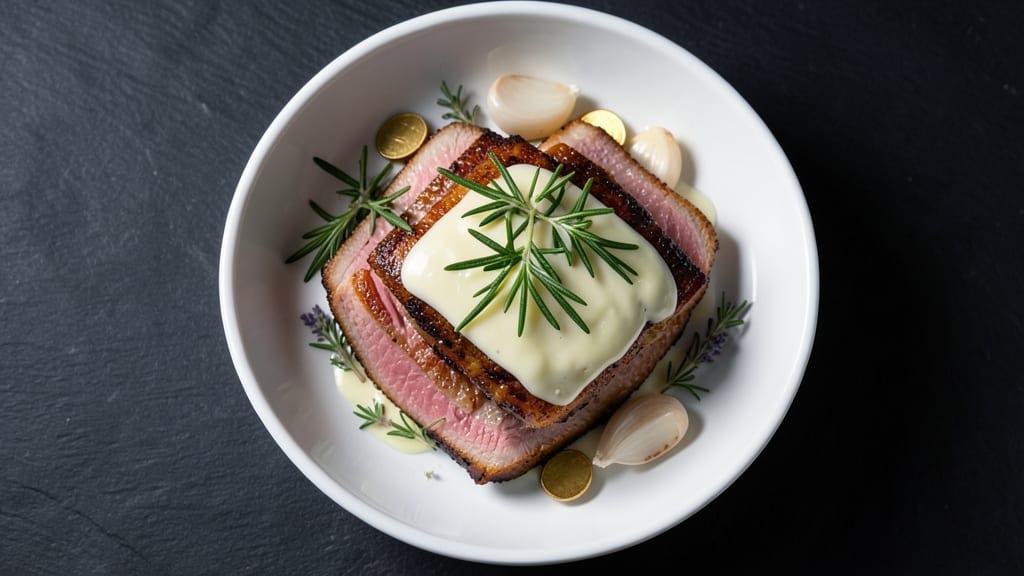
This carnivore diet pork tenderloin recipe delivers restaurant-quality tenderness with zero carbs—just pure, flavorful meat. After years of perfecting pork cuts for my restaurant, I’ve cracked the code for achieving that melt-in-your-mouth texture while keeping it simple.
The secret lies in a high-heat sear followed by precise roasting, ensuring every bite stays juicy and rich.
The herb-crusted pan-sear technique creates a flavorful bark without any non-meat ingredients, making it perfect for strict carnivore diets. You’ll need just a few pantry staples—no vegetables, grains, or dairy—and about 30 minutes of active time. The internal temperature of 145°F guarantees perfect doneness every time, with no guesswork.
What you’ll end up with is a perfectly seared pork tenderloin with a fragrant herb crust and tender, juicy meat inside. The fat cap renders beautifully during cooking, basting the meat naturally for extra richness.
This is the kind of meal that satisfies even the most dedicated carnivore while still feeling like a special occasion dish.
Pair it with a simple butter baste or rendered pork fat drizzle for an extra layer of flavor—no sides needed. Here’s how to make it perfectly every time, with tips to ensure your pork stays juicy and flavorful from start to finish.
Ingredients for carnivore diet pork tenderloin
Nine simple ingredients transform into a perfectly tender, herb-crusted carnivore pork tenderloin—no carbs, no guesswork.
| Ingredient | Amount | Notes |
|---|---|---|
| Pork Tenderloin 🥩 | 1 ½ lb | Center-cut, fat cap intact |
| Unsalted Butter 🧈 | ½ cup | Cold, cut into 1-inch cubes |
| Fresh Rosemary 🌿 | ¼ cup | Finely chopped, stems removed |
| Fresh Thyme 🌿 | 0.15 cup | Leaves only, stems discarded |
| Garlic Cloves 🧄 | 4 cloves | Minced, skin-on for extra flavor |
| Diamond Crystal Kosher Salt 🧂 | 1 ½ tsp | For seasoning and crust |
| Ground Black Pepper 🌶️ | ½ tsp | Freshly cracked for intensity |
| Extra-Virgin Olive Oil 🫒 | 1 tbsp | High smoke point preferred |
| Fresh Sage Leaves 🌿 | 0.1 cup | Chopped, for herb crust |
The pork tenderloin is your star—look for center-cut pieces with a visible fat cap at the store. Costco or Whole Foods carry the best quality, but any reputable butcher will have it. Uniform size matters: aim for 1.5 pounds total, trimming if needed to ensure even cooking. The fat cap renders during searing, basting the meat naturally—don’t remove it! Fresh herbs are non-negotiable here; Trader Joe's sells pre-chopped rosemary and thyme in small bags, perfect for this recipe. If you’re using dried herbs, toast them in a dry pan for 30 seconds to wake up their flavor.
No fresh rosemary? Substitute with 1 tbsp dried rosemary plus 1 tsp dried sage—just remember dried herbs are potent. Short on time? Pre-minced garlic from a jar works in a pinch, though fresh minced has more depth. The butter should be cold when you cube it—this ensures a proper sear. If you’re strict carnivore, use rendered pork fat instead of butter for zero carbs. For extra richness, add a pinch of smoked paprika to the herb mix. The olive oil is just for searing—use something with a high smoke point like avocado oil if you’re concerned about flavor transfer.
This pork keeps beautifully—3-4 days in the fridge if wrapped tightly in parchment and foil. For longer storage, freeze for up to 3 months in a vacuum-sealed bag. Reheat gently in a skillet with a splash of water or pork fat to restore moisture. Leftovers reheat best at 300°F for 10 minutes—never microwave, or you’ll dry it out. Portion into single servings before freezing for easy meals. The herb crust stays crispy when reheated properly, so don’t skip the fat basting step!
Why You'll Love This Recipe
- Five-Ingredient Magic: I swear by this recipe because it’s that simple—just pork, butter, herbs, and garlic. No fancy prep, no stress. Honestly, I’ve made it while still in my pajamas (yes, even on a Tuesday night).
- Butter-Basted Bliss: That crispy rosemary-thyme crust with the creamy garlic butter inside? It’s the kind of flavor that makes you close your eyes and sigh. The pork stays juicy, the butter caramelizes—every bite is pure satisfaction.
- Weeknight & Weekend Hero: Toss it on the table for a quick family dinner or slice it thin for fancy appetizers. Between us, it’s my go-to for date nights too—minimal effort, maximum wow factor.
- Leftovers That Don’t Suck: Unlike other pork dishes, this stays tender and delicious for days. I’ll be real: I’ve reheated slices straight from the fridge, and they’re still amazing. Budget-friendly? Absolutely—one tenderloin feeds a crowd and leaves me with meals for the week.
Step-by-step instructions for herb-crusted pan-seared pork tenderloin
Here's how to transform simple ingredients into a perfectly tender, herb-infused pork tenderloin that's ideal for any carnivore-friendly meal.
Prepare the Herb Crust Mixture
In a small mixing bowl, combine the 0.25 cup fresh rosemary, 0.15 cup fresh thyme, 0.1 cup fresh sage leaves, 4 cloves minced garlic, 1.5 tsp Diamond Crystal kosher salt, and 0.5 tsp ground black pepper. Using your hands or a fork, gently mix until the herbs are evenly distributed and the garlic is fully incorporated. The mixture should be coarse but well-combined—this ensures maximum flavor penetration and a flavorful crust.
Set this herb mixture aside while you prepare the pork. The freshness of these herbs is key to developing that aromatic crust we're after. If you're using particularly tough stems, give them a quick chop with kitchen shears to make them easier to handle and mix.
Create the Butter Herb Paste
In a separate bowl, cut the 0.5 cup unsalted butter into 1-inch cubes and place them in the bowl. Add the herb mixture to the butter and use your hands to work it together until you achieve a thick, cohesive paste. The butter should be fully coated with the herbs and garlic, with no dry spots remaining. This paste will create both the crust and the flavorful basting liquid during searing.
If the mixture seems too crumbly, add a teaspoon or two of water to help bind it together. The goal is a thick, spreadable paste that will adhere beautifully to the pork. This step is crucial for developing that rich, aromatic crust that makes this dish so special.
Sear the Pork Tenderloin
Heat a large skillet over medium-high heat until it's very hot. Add the 1 tablespoon extra-virgin olive oil and swirl to coat the bottom evenly. Place the 1.5 lb pork tenderloin in the skillet, fat side down, and let it sear undisturbed for 3-4 minutes until it develops a deep golden brown crust. This initial sear is essential for locking in juices and building flavor.
After the first side is well-browned, carefully flip the pork and immediately press the herb butter mixture firmly onto the surface, covering it completely. The butter will begin to melt and sizzle—this is exactly what we want. Return the pork to the skillet and continue searing for another 3-4 minutes on the second side, basting occasionally with the melted butter.
Finish Cooking to Perfect Tenderness
Reduce the heat to medium and continue cooking the pork for an additional 8-10 minutes, turning occasionally and basting with the melted butter. The internal temperature should reach 145°F when measured with a meat thermometer. This is the perfect temperature for pork tenderloin—juicy, tender, and safe to eat.
Once the pork reaches the proper internal temperature, remove it from the skillet and let it rest on a cutting board for 5-10 minutes. This resting period is crucial for allowing the juices to redistribute throughout the meat, ensuring each slice is moist and flavorful. During this time, you can keep the skillet warm over low heat if you'd like to make a quick pan sauce with the rendered butter.
Slice and Serve
After resting, slice the pork tenderloin into ½-inch thick medallions against the grain for maximum tenderness. The herb crust should be crisp and fragrant, with the meat underneath perfectly pink and juicy. Serve immediately while the crust is still crisp and the meat is at its most tender.
This herb-crusted pork tenderloin is a perfect carnivore-friendly dish that delivers incredible flavor and texture without any carbohydrates. The combination of fresh herbs, garlic, and butter creates a flavor profile that's both complex and satisfying, making it an excellent centerpiece for any meal.
Pro Tips For Making Carnivore Diet Pork Tenderloin
- START HOT, END LOW: Pork tenderloin sears best when screaming hot—get your pan smoking before adding butter. Once browned, drop the heat to medium and let it cook through evenly, or you’ll end up with a dry, overcooked center that’ll have you questioning carnivore diets entirely.
- SALT THE MEAT FIRST: Season the tenderloin with salt before searing—let it sit for 20 minutes uncovered in the fridge. This draws out moisture, ensuring a better crust when you hit it with butter and herbs, and keeps the inside juicy. (Yes, even if you’re impatient like me.)
- CHOP THE HERBS COARSELY: Fresh rosemary and thyme lose their punch when minced too fine—toss them in whole sprigs or roughly chopped. They’ll infuse flavor without turning the butter into a muddy paste, and you’ll actually taste them instead of just butter and garlic.
- REST IT UNDER FOIL: Skip the plate—wrap the cooked tenderloin in foil and let it rest for 5-10 minutes. This traps heat and keeps the juices from pooling on the cutting board (which is how you end up with a dry first slice). Your knife will thank you too.
Best sauces and condiments for carnivore diet pork tenderloin
Butter Herb Crust
The star of this carnivore-friendly pork is the butter-herb crust—a rich, aromatic paste made from 0.5 cup cold butter mixed with fresh rosemary, thyme, and sage. The cold butter ensures a proper sear while the herbs create a fragrant bark without any non-meat additives.
For extra depth, I like to add 1 tsp smoked paprika to the herb mix—it gives that subtle smokiness without breaking carnivore rules. 🌿
Rendered Pork Fat Drizzle
For a true carnivore approach, replace butter with rendered pork fat—simply melt down fat from your pork cuts and use it to baste the tenderloin. The fat renders beautifully during cooking, creating a natural basting sauce.
I keep a jar of rendered fat on hand for all my carnivore dishes—it’s pure flavor with zero carbs. Store it in an airtight container in the fridge for up to 3 months.
Garlic-Infused Olive Oil
If you want to add another layer of flavor without dairy, try brushing the pork with garlic-infused olive oil before searing. Simmer 1 cup olive oil with 6 minced garlic cloves and 1 sprig rosemary for 5 minutes, then strain.
The oil adds richness while keeping the dish strictly meat-focused. I use this technique when I’m craving something extra flavorful but still want to stay carnivore-compliant. 🧄
Simple Salt Crust
For a minimalist approach, skip the herbs entirely and create a salt crust using 2 tsp Diamond Crystal kosher salt mixed with 0.25 cup rendered pork fat. Press this mixture onto the pork before searing—it creates a crispy, savory crust with zero carbs.
This method is my go-to when I’m in a hurry but still want restaurant-quality results. The salt enhances the pork’s natural flavor without any extra ingredients.
Pan Sauce Finishing
After removing the pork, keep the skillet warm and deglaze it with 2 tbsp rendered pork fat or bone broth (if you’re using it). Add 1 tsp minced garlic and 1 sprig fresh thyme, then simmer for 1 minute to create a quick pan sauce.
Drizzle this over the sliced pork for extra richness—it’s like a carnivore-friendly pan sauce without any non-meat components. This step takes just 2 minutes but adds serious flavor. 💫
Nutrition facts
Frequently asked questions
Can I use bone broth instead of butter for the herb crust?
For a carnivore-friendly twist, replace the butter with 2 tbsp rendered pork fat or bone broth (if you're using it). Simmer 1 cup bone broth with the herbs and garlic until reduced by half, then brush it onto the pork before searing. This keeps it zero-carb while adding incredible depth of flavor.
What if my pork tenderloin comes out dry?
Dry pork usually means overcooking or cutting against the grain incorrectly. Always use a meat thermometer and stop at 145°F—never go higher. Let it rest for 10 minutes before slicing, and always cut against the grain (look for the muscle fibers and slice perpendicular to them). If it's still dry, try brining it in cold water with salt for 30 minutes before cooking.
How do I store leftovers without drying them out?
Wrap cooled pork tightly in parchment paper, then foil, and refrigerate for up to 3-4 days. For reheating, use a skillet over low heat with a splash of pork fat or bone broth—never microwave. For longer storage, freeze in single portions for up to 3 months. Thaw overnight in the fridge and reheat gently to restore moisture.
Can I make this recipe with a smaller or larger pork tenderloin?
Yes! Adjust cooking times proportionally—smaller cuts (1 lb) cook faster, while larger ones (> 2 lbs) need extra time. For 1 lb, sear 2-3 minutes per side and finish at 325°F for 8-10 minutes. For 2 lbs, increase sear time to 4-5 minutes per side and roast for 12-15 minutes. Always use a meat thermometer!
Is this recipe truly carnivore-compliant?
Yes! This recipe contains zero carbs—just pork, fat, and herbs. For strict carnivore, replace butter with rendered pork fat and use bone broth if needed. The only non-meat components are herbs, which are technically plant-based but negligible in quantity. Always check your herb sources for additives if you're ultra-strict.