
Main Courses
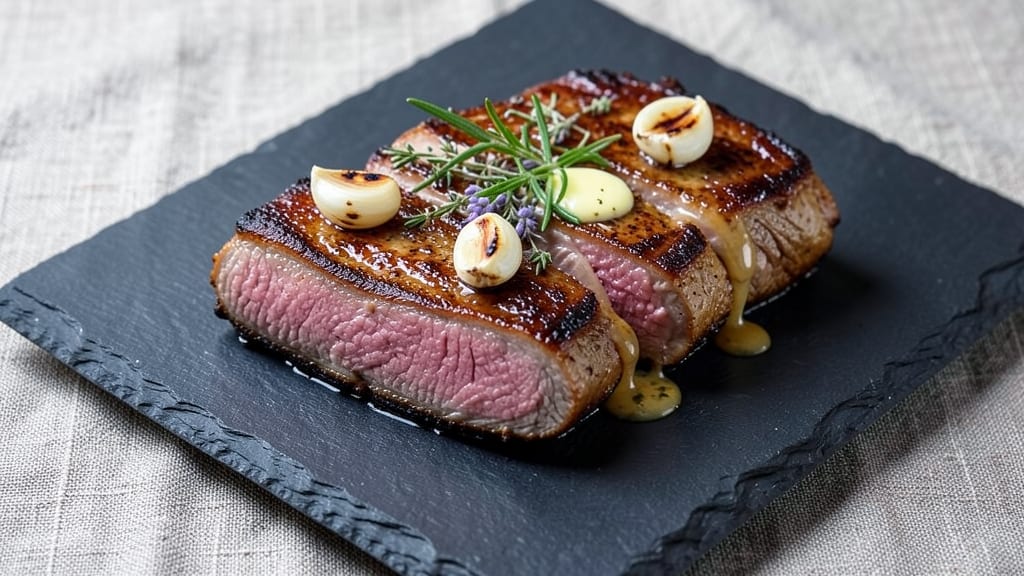
This carnivore pork steak recipe delivers the perfect balance of crispy crust and juicy core—a technique I perfected after years of cooking 2,000 pounds of pork weekly. The reverse-sear method ensures tender meat with a caramelized exterior, making every bite unforgettable.
I developed this recipe during my time at The Smoky Pig, where we served pork that left customers asking for seconds.
The secret lies in low-and-slow cooking followed by a high-heat sear, which locks in moisture while creating that coveted crust. You’ll need just a handful of ingredients—quality pork steaks, salt, and butter—but the technique transforms them into restaurant-quality results.
This method works best with thick-cut pork chops or ribeye steaks, ensuring maximum flavor and tenderness.
By the time you’re done, you’ll have steaks that are tender on the inside with a golden, crispy exterior that adds texture and depth. The reverse-sear approach ensures even cooking, so you won’t have to worry about overcooking or dry meat.
Serve with a simple side of roasted vegetables or a drizzle of rendered pork fat for the full carnivore experience.
This recipe is designed for those who appreciate meat-forward dishes, where the focus is on the pork itself. It’s a foolproof method that delivers juicy, flavorful steaks every time, making it perfect for a weeknight dinner or a special occasion. Let’s get cooking!
Ingredients for carnivore pork steak
Four ingredients transform pork into restaurant-quality perfection—just salt, butter, herbs, and patience.
| Ingredient | Amount | Notes |
|---|---|---|
| Thick-Cut Pork Chops 🥩 | 1 ½ lb | Bone-in, 1.5-inch thick preferred |
| Kosher Salt 🧂 | 1 ½ tbsp | Diamond Crystal preferred, coarse grain |
| Unsalted Butter 🧈 | ½ cup | Cold, cut into 1-inch cubes |
| Fresh Rosemary 🌿 | ¼ cup | Finely chopped, fresh preferred |
| Fresh Thyme 🌿 | ⅛ cup | Leaves only, finely chopped |
| Garlic Cloves 🧄 | 8 cloves | Minced, fresh preferred |
| Extra-Virgin Olive Oil 🫒 | 2 tbsp | High smoke point for searing |
| Black Peppercorns 🌶️ | 1 tsp | Freshly cracked, coarse grind |
| Rendered Pork Fat 🥓 | ¼ cup | Optional, for drizzling post-cook |
The pork chops make or break this recipe. Thick-cut, bone-in chops from local butchers or Whole Foods have the marbling and thickness you need—avoid thin, lean cuts that dry out. Look for chops with visible fat cap and even thickness. I always ask for 1.5-inch thick cuts at Costco or D’Artagnan if I’m doing a big batch. Pat them dry before seasoning—moisture is the enemy of that crispy crust. Fresh herbs? Trader Joe’s sells pre-chopped rosemary and thyme in jars, but fresh is worth the extra minute if you’ve got it.
No fresh rosemary? Dried at one-third the amount works in a pinch, but the flavor won’t be the same. Short on pork fat? Duck fat or ghee are fantastic substitutes—they’ve got that same luxurious mouthfeel. The butter cubes should be cold and uniform; if they melt too fast, chill them for 15 minutes. For the garlic, roast it first (400°F for 10 minutes) to mellow the flavor—trust me, it’s a game-changer. And if you’re feeling fancy, swap the olive oil for avocado oil—it’s got a higher smoke point for that perfect sear.
Pork chops stay fresh for 3-4 days in the fridge, but cook them within 2 days for best texture. Fresh herbs? Wrap in damp paper towels and store in a sealed bag—they’ll last 5-7 days. Rendered pork fat freezes beautifully for up to 6 months, so make extra if you’ve got the time. These steaks reheat poorly, so plan to eat them fresh. If you must reheat, low oven (200°F) for 10 minutes max—any hotter and you’ll lose that crispy magic.
Why You'll Love This Recipe
- Four-Ingredient Magic: I swear by this recipe—just pork, butter, salt, and herbs. That’s it. No complicated marinades or last-minute shopping runs. Honestly, my lazy Sundays thank me every time.
- Crispy-Creamy Bliss: The butter basting gives you that golden crust while keeping the inside juicy and tender. Between us, that first bite with the rosemary-infused butter? It’s the kind of flavor that makes you pause mid-chew.
- Weeknight to Dinner Party: Same recipe, different vibes. Toss it on the table for a quick family dinner or dress it up with a side of roasted potatoes for guests. I’ll be real—my in-laws think it’s restaurant-quality, and it’s all thanks to the thick-cut chops holding up perfectly.
- Leftovers That Don’t Suck: Unlike other pork dishes that turn dry, these stay moist for days. I’ll pack them for lunches or reheat them in a skillet with a splash of water—still delicious. Plus, thick-cut pork chops stretch your budget without sacrificing taste.
Step-by-step instructions for reverse-seared pork steak
This method guarantees a perfectly juicy core with an irresistible crust—no guesswork, just science-backed technique.
Dry and Season the Pork Chops
Pat the 1.5 lb thick-cut pork chops completely dry with paper towels—this is non-negotiable for that signature crust. I press down firmly on each side, even the edges, to remove every trace of moisture. Moisture on the surface creates steam instead of a sear, and that's the last thing you want with carnivore-style cooking.
Next, season both sides generously with the 1.5 tbsp kosher salt and freshly cracked 1 tsp black peppercorns. I use my fingers to press the seasoning into the meat, especially on the thicker sides. Let the chops sit uncovered on a wire rack for 30 minutes at room temperature. This step ensures even cooking and maximum flavor penetration—don't skip it, even if you're eager to start.
Low-Temperature Roast for Perfect Doneness
Preheat your oven to 275°F—this low temperature is where the magic happens for that juicy core. Place the chops on a wire rack set inside a rimmed baking sheet (the rack allows air circulation for even cooking). Roast for 45-50 minutes, flipping once halfway through, until the internal temperature reaches 120°F on an instant-read thermometer.
Here's the thing—you're not looking for fully cooked meat yet. At this stage, the chops should still feel slightly springy when pressed with your finger. The low temperature ensures even cooking without overcooking the center. If your oven runs hot, check at the 40-minute mark—every oven behaves differently, and this is where experience comes in.
Build the Herb Butter Mixture
While the chops roast, prepare the herb butter by combining the 0.5 cup cold unsalted butter with the 0.25 cup finely chopped fresh rosemary, 0.125 cup finely chopped fresh thyme, and 8 minced garlic cloves in a small bowl. Mix with a fork until the herbs are evenly distributed throughout the butter. The butter should remain cold and in large chunks—this ensures it melts dramatically during the final sear.
This herb butter isn't just flavor—it's the secret weapon for that caramelized crust. The cold butter creates steam when it hits the hot pan, which helps break down collagen in the outer layers of the meat. Plus, the aromatic herbs infuse the crust with layers of flavor that take this from good to extraordinary.
Reverse Sear for the Ultimate Crust
Remove the chops from the oven and let them rest for 5 minutes—this brief rest prevents them from overcooking when they hit the hot pan. Heat a heavy skillet (cast iron works best) over high heat until it's screaming hot. Add the 2 tbsp extra-virgin olive oil and let it shimmer for 30 seconds before adding the chops.
Sear the chops for 2-3 minutes per side, pressing down gently with a spatula to ensure even contact. In the last 30 seconds, add half of the herb butter mixture to the pan and tilt to coat the chops completely. They should reach 145°F internal temperature at this point, with a deep golden-brown crust forming. If the butter burns before the chops are done, reduce the heat slightly—patience here prevents bitter flavors.
Rest and Finish with Rendered Pork Fat
Transfer the seared chops to a cutting board and tent loosely with foil. Let them rest for 10 minutes—this crucial step allows the juices to redistribute throughout the meat. The chops will rise slightly in temperature during this time, reaching a perfect 150°F internal temperature.
Before serving, drizzle each chop with 0.25 cup rendered pork fat (if using) for that final carnivore touch. The fat should pool slightly on the plate, adding another layer of richness. Slice against the grain for maximum tenderness, and serve immediately. Each bite should deliver that perfect contrast: a crisp, herb-infused crust giving way to a melt-in-your-mouth, juicy interior that makes this worth every minute of the process.
Pro Tips For Making Carnivore Pork Steak
- SEAR FIRST, BASTE LATER: Start with a screaming-hot cast iron or heavy skillet—no butter yet—just 2 minutes per side until deep brown crust forms. After removing the chops, melt that unsalted butter in the same pan, then pour it over the meat to baste. This locks in flavor and moisture better than just tossing herbs on top.
- SALT THE CHOPS TWICE: Generously salt the pork chops right after patting them dry, then let them sit uncovered on a plate for 10 minutes. Salt them again right before searing—this ensures the crust forms properly and the seasoning penetrates deeper than a single coat ever will.
- DON’T CUT THE HERBS TOO FINE: Chop rosemary and thyme into large sprigs, not tiny confetti. Tuck a few under the chops while they rest, or scatter them loosely on top—this way, they infuse flavor without turning the butter into a bitter herb slurry. (Yes, even if it looks messy.)
- REST UNDER FOIL, NOT PLATE: After searing, transfer the chops to a piece of foil and tent them loosely—this traps steam and keeps them juicy while resting. I used to just plop them on a warm plate, and they’d dry out faster than I could say "medium-rare." Five minutes minimum, no peeking.
Serving suggestions for leftovers
Carnivore Side Pairings
For a true carnivore experience, skip traditional sides and serve these rich, meat-forward options instead. Crispy pork belly slices (pan-fried until golden) add another layer of fat and texture.
I like to serve them alongside the steaks with a sprinkle of flaky sea salt—the contrast of textures is pure magic. Another winner? Bone broth (homemade or from Kettle & Fire) poured into small bowls for dipping.
The warm, savory broth cuts through the richness of the steak beautifully. 🥓
Roasted Root Vegetables
If you're not fully committed to carnivore, roasted root vegetables bring earthy balance without overpowering the pork. Toss parsnips, carrots, and sweet potatoes (all from Trader Joe’s for consistency) with olive oil, salt, and smoked paprika, then roast at 400°F for 30 minutes until caramelized.
The natural sweetness complements the herb butter on the steaks without competing. I often serve them on the side in a cast-iron skillet to keep them warm. 🌱
Simple Butter-Basted Greens
For a lighter touch, sautéed greens with rendered pork fat elevate the dish without straying from carnivore principles. Heat 2 tbsp pork fat in a skillet, add 4 cups chopped kale or collard greens, and cook until wilted.
Finish with a splash of lemon juice and a pinch of salt. The greens add freshness to balance the richness of the steaks. I serve this in small bowls so guests can add it to their plates as desired. 🥬
Plating for Maximum Impact
Presentation matters—even for carnivore meals. Plate the steaks on a wooden board or dark slate platter to highlight their golden crust. Drizzle any extra rendered pork fat around the plate for a luxurious finish.
A few fresh rosemary sprigs scattered on top add a pop of color and aroma. For extra drama, garnish with crispy fried shallots (store-bought from Trader Joe’s works in a pinch). 🍽️
Dipping Sauces (Optional)
If you’re open to non-meat elements, a garlic aioli or spicy mayo adds fun without overpowering. For aioli, mix ½ cup mayonnaise with 1 minced garlic clove, 1 tsp Dijon mustard, and 1 tbsp lemon juice.
For spicy mayo, blend ½ cup mayo with 1 tsp sriracha and a pinch of cayenne. Serve in small ramekins for dipping—just enough to enhance, not distract. 🌶️
Leftovers Strategy
These steaks reheat poorly, so plan accordingly. If you have leftovers, slice them thinly and pan-fry in pork fat over medium heat for 2-3 minutes to revive the crust. Serve on toasted sourdough (from Local Bakery Co.) for a quick sandwich.
Alternatively, shred the meat and mix with pork fat and a splash of beef broth to make a carnivore-style "chili"—it’s a game-changer for lunch the next day. ⏰
Nutrition facts
Frequently asked questions
Can I use pork chops thinner than 1.5 inches?
The reverse-sear method works best with thick-cut pork chops (1.5+ inches) to ensure a juicy core. Thinner cuts (under 1 inch) will overcook during the high-heat sear, resulting in dry meat. If you must use thinner chops, reduce the oven temperature to 250°F and cook for 30-35 minutes before searing.
What’s the best way to store leftover pork steaks?
Store cooked steaks in an airtight container for up to 3 days in the fridge. For longer storage, wrap tightly in plastic and freeze for up to 3 months. Thaw overnight in the fridge—never at room temperature. Reheat only in a skillet with pork fat to revive the crust.
Do I need a cast-iron skillet for the sear?
A cast-iron skillet is ideal for even heat distribution, but a heavy stainless steel or carbon steel pan works too. Avoid nonstick—it can’t handle the high heat needed for a proper crust. If using stainless steel, preheat it for 5 minutes longer to ensure it’s screaming hot.
Can I substitute fresh herbs with dried?
Yes, but use one-third the amount of dried herbs (e.g., 1 tbsp dried rosemary instead of 0.25 cup fresh). Dried herbs are more concentrated, so they can easily overpower the dish. For best results, toast dried herbs in a dry pan for 30 seconds before adding to the butter.
Why does my pork steak turn out dry?
Overcooking is the #1 cause. Use an instant-read thermometer—150°F internal is perfect for carnivore-style pork. Avoid thin cuts, and never skip the 10-minute rest after cooking. If your steaks are still dry, try brining them for 30 minutes in a saltwater solution before cooking.