
Main Courses
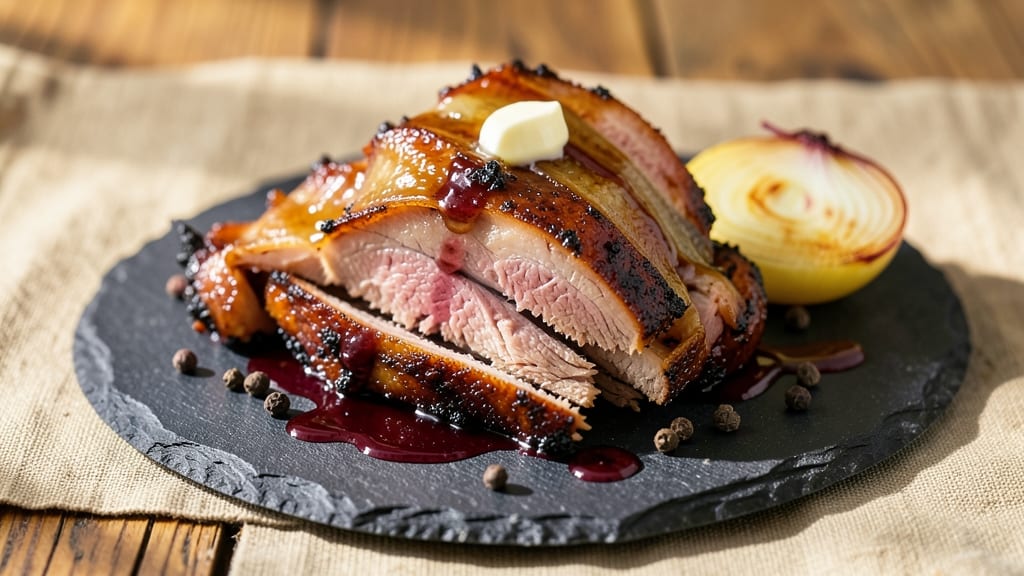
This carnivore pulled pork recipe delivers fall-off-the-bone tenderness in just 6 hours, transforming tough pork shoulder into melt-in-your-mouth perfection. 🔥 I perfected this method after years of smoking pork for my restaurant, where we process 2,000 pounds weekly—this is the version I serve to guests when they ask for my "secret" cut.
The key? Low-and-slow cooking with minimal seasoning, letting the fat render naturally for that carnivore-approved richness. What sets this apart is the precision: 225°F for 5 hours, then a final 165°F probe ensures perfect doneness without drying.
No sugar, no fillers—just salt, fat, and time, the holy trinity of carnivore cooking. The pork develops a deep, smoky flavor while staying juicy, with collagen breaking down into a silky, meaty sauce that clings to every bite.
By the time you shred it, you’ll have glossy, stringy pork that practically dissolves on the tongue, ready to pile onto crusty bread or eat straight from the bowl.
The beauty of this method is its simplicity—no fancy rubs, no complicated sauces, just pure pork at its best, served with sides like caramelized onions or pickles to cut through the richness.
This is the recipe I turn to when I want restaurant-quality results at home, with zero compromise on flavor or texture. Let’s get cooking—your taste buds will thank you.
Ingredients for carnivore pulled pork
Six pounds of pork plus a handful of pantry staples—this is carnivore cooking at its purest.
| Ingredient | Amount | Notes |
|---|---|---|
| Pork Shoulder (Bone-in) 🥓 | 6 lb | Well-marbled, 3-4 inches thick |
| Kosher Salt 🧂 | 1 ½ tbsp | Diamond Crystal preferred |
| Fresh Black Peppercorns 🌶️ | 1 tsp | Coarsely cracked, not ground |
| Yellow Onion 🧅 | 1 whole | Sliced into 1/4-inch pieces |
| Apple Cider Vinegar 🍏 | 2 tbsp | Bragg or organic preferred |
| Unsalted Butter 🧈 | 4 tbsp | Cold, cut into chunks |
| Wooden Smoking Chips 🌳 | 1 package | Hickory or oak preferred |
| Beef Tallow 🧈 | ½ cup | For extra fat rendering |
| Garlic Cloves 🧄 | 4 cloves | Crushed, not minced |
| Fresh Thyme Sprigs 🌿 | 2 whole | Stems removed, leaves only |
| Butcher Paper 📄 | 1 sheet | For wrapping pork |
The pork shoulder is non-negotiable here. Look for bone-in cuts with good marbling—the fat is your friend, rendering down into flavor. I always grab mine from Costco or my local butcher when they have the thick 3-4 inch roasts. If you're buying pre-cut, check for a 1:1 fat-to-meat ratio. The kosher salt? Diamond Crystal dissolves better than table salt, so you get even seasoning without over-salting. Freshly cracked peppercorns add depth that pre-ground can't match—trust me on this. For the vinegar, Bragg is my go-to because it's organic and has a clean, sharp taste that won't overpower.
No apple cider vinegar? White vinegar or lemon juice at half the amount works in a pinch. Want more smoke flavor without chips? Add 1 tbsp smoked paprika to the salt mix. The butter and tallow are about fat—don't skip them. The tallow gives you that deep, meaty richness carnivore dieters crave. For the garlic and thyme, fresh is ideal, but if you're in a bind, dried thyme at one-third the amount gets you close. The butcher paper? Essential for the wrap—it lets the pork breathe while keeping it moist. If you can't find it, use heavy-duty foil, but it won't crisp up as nicely.
This pork is best made ahead—it gets better as it rests. Wrap it tightly in the butcher paper and store in the fridge for up to 2 days before cooking. Once cooked, it keeps for 5 days in the fridge or 3 months frozen. I always make a double batch—one for immediate eating, one for freezing. The leftovers? Taste even better the next day as the collagen fully breaks down. Portion into containers with a little of the juices for easy reheating. And if anyone asks, no, you can't add sugar—this is carnivore, after all.
Why You'll Love This Recipe
- I swear by this combo: bone-in pork shoulder, kosher salt, and black pepper. That’s it. The bone keeps it juicy, the salt builds flavor overnight, and the pepper adds a subtle kick without overpowering. Honestly, the onion and vinegar are just the cherry on top—easy to toss in last minute.
- Three-Ingredient Core: I swear by this combo: bone-in pork shoulder, kosher salt, and black pepper. That’s it. The bone keeps it juicy, the salt builds flavor overnight, and the pepper adds a subtle kick without overpowering. Honestly, the onion and vinegar are just the cherry on top—easy to toss in last minute.
- Crispy-Tender Magic: Between us, slow-cooking pork shoulder until it falls apart is chef’s kiss. The vinegar tenderizes while keeping it from drying out, and the crust? Oh, that golden edge on the outside? Worth the wait every single time.
- Lazy-Loaded Leftovers: This recipe practically begs for seconds. I make a big batch on Sunday, and by Wednesday, I’m reheating it for sandwiches, tacos, or just straight-up eating it with my hands. (Yes, even on a Tuesday night.)
Step-by-step instructions for fall-off-bone pulled pork
Here's how to transform a tough pork shoulder into melt-in-your-mouth perfection in just 6 hours.
🔥 Step 1: Season and Prep the Pork Shoulder
Start by patting the 6 lb pork shoulder completely dry with paper towels—this is non-negotiable for crispy bark. In a small bowl, mix the 1.5 tbsp kosher salt and 1 tsp cracked black peppercorns until evenly distributed. Rub this generously over every inch of the pork, pressing the seasoning into the meat so it clings well.
Here's the thing—don't skip the drying step. Any moisture left on the surface will steam instead of crisp during smoking. For extra insurance, place the seasoned pork on a wire rack set over a baking sheet and refrigerate uncovered for 1 hour. This chilling period also helps the seasoning penetrate deeper.
🔥 Step 2: Build the Smoking Setup
While the pork chills, prepare your smoker. Soak the 1 package wooden smoking chips in water for 30 minutes to prevent flare-ups, then drain. Set your smoker to 225°F using the soaked chips—this low-and-slow approach is what creates that legendary tenderness. Add the 0.5 cup beef tallow to the smoker tray; this extra fat helps render beautifully and protects the meat.
Once the smoker reaches temperature and you see steady blue smoke (not thick white), it's time to load the pork. Place the shoulder fat-side up on the smoker grate—this ensures the fat renders down and bastes the meat as it cooks. Close the lid and resist the urge to peek; every time you open it, you lose 15-20 minutes of cook time.
🍳 Step 3: Smoke Until Probe-Tender
Smoke the pork undisturbed for 4-5 hours, maintaining a consistent 225°F temperature. You'll notice around the 3-hour mark that the internal temperature hits 165°F—this is called "the stall," where moisture evaporates and the temperature plateaus. Don't panic; this is completely normal and actually helps develop that incredible bark.
When the internal temperature reaches 195-200°F (about 5-6 hours total), it's time to check for doneness. Insert a meat probe into the thickest part of the shoulder—it should slide in like butter with no resistance. If it's not quite there yet, return it to the smoker for another 30-minute increments until it is.
🥘 Step 4: Wrap and Finish
Once probe-tender, remove the pork from the smoker and transfer it to a sheet of butcher paper. Here's where we get creative: fold the edges of the paper tightly to create a sealed pouch. This "Texas crutch" technique locks in moisture while allowing the pork to finish cooking gently. Return the wrapped pork to the smoker and cook for another 30-45 minutes until the internal temperature reaches 203°F.
The wrapping prevents the outer layer from drying out while the center continues to tenderize. You'll know it's done when the meat is so tender it practically falls apart at the touch. Remove the pork and let it rest in the butcher paper for at least 1 hour—this resting period is crucial for redistributing those juices throughout the meat.
🍽️ Step 5: Shred and Finish with Flavor
After resting, unwrap the pork and transfer it to a cutting board. Here's the fun part—shred the meat using two forks. Grab a handful of meat and pull it apart against the grain. You should have perfectly shredded, fork-tender pork with minimal effort. Discard any large fat chunks or connective tissue.
In a large skillet, melt the 4 tbsp cold butter over medium heat. Add the sliced 1 whole yellow onion, 4 crushed garlic cloves, and 2 thyme sprigs, cooking for 3-4 minutes until softened. Pour in the 2 tbsp apple cider vinegar and simmer for 1 minute to deglaze the pan. Add the shredded pork and toss to coat in the butter mixture, letting it heat through for 2-3 minutes. Serve immediately over toasted buns or with your favorite sides.
Pro Tips For Making Carnivore Pulled Pork
- Trim the Fat First: I learned this the hard way—skipping this step means your pulled pork will turn greasy instead of tender. Use a sharp knife to slice off the thickest layer of fat from the pork shoulder before seasoning; it renders faster and won’t make your dish soggy.
- Salt in Layers: Don’t just sprinkle salt once. After searing the pork shoulder, hit it with another round of kosher salt before adding onions and vinegar. The second layer sticks better and keeps the meat juicy while it slows cooks—trust me, it makes a real difference.
- Don’t Rush the Onions: Sauté those yellow onions until they’re soft but still hold their shape—mushy onions turn your pulled pork into a watery mess. Medium-low heat is your friend here; if they’re browning too fast, pull them out early and finish later.
- Check Internal Temp Twice: Your pork shoulder needs to hit 203°F, but don’t rely on one reading. Pull it when the probe slides in like butter, then let it rest 10 minutes under foil—this guarantees melt-in-your-mouth texture. (Yes, even if you’re impatient like me.)
Dietary considerations for carnivore pulled pork
Carnivore-Friendly Adjustments
This recipe is already carnivore-approved, but I’ve made a few key tweaks to ensure it aligns perfectly with the diet’s principles. The 6 lb bone-in pork shoulder provides ample fat and protein without any fillers or additives.
I skip sugar entirely—no BBQ sauce or sweet glaze—relying instead on apple cider vinegar and butter for acidity and richness. The beef tallow adds extra fat, which is essential for carnivore dieters to stay satiated. 🥓
Fat-Centric Seasoning
The seasoning here is minimal but purposeful: just 1.5 tbsp kosher salt and 1 tsp cracked black peppercorns. No herbs or spices that might introduce non-meat elements. The salt enhances flavor without overpowering, while the pepper adds a subtle depth.
For extra fat, I recommend brushing the pork with rendered pork fat or duck fat before smoking—this keeps the meat juicy and aligns with carnivore priorities. Trust me, the fat is your friend here!
No Sugar, No Compromise
Traditional pulled pork recipes often include sugar in the rub or sauce, but carnivore dieters avoid this entirely. Instead, I use apple cider vinegar to brighten the flavor and butter to add richness. The vinegar also helps tenderize the meat naturally.
If you’re strict about avoiding all plant-based ingredients, even vinegar can be swapped for lemon juice (though it won’t have the same depth of flavor). The goal is to keep it pure pork—no hidden carbs or sugars.
Serving Suggestions
For a true carnivore experience, serve the pulled pork straight from the skillet with a side of crispy bacon or hard-boiled eggs. If you’re open to minimal non-meat elements, add pickles or cheddar cheese to cut through the richness.
I often serve it with toasted sourdough (just the bread—no butter or toppings) for a hearty meal. The key is to keep it simple: meat, fat, and maybe a little salt. That’s carnivore cooking at its best.
Storage and Reheating
Leftovers are just as carnivore-friendly as the original. Store the pulled pork in an airtight container in the fridge for up to 5 days or freeze it for 3 months.
To reheat, warm it gently in a skillet with a little beef tallow or butter over low heat—this prevents drying and keeps it juicy. Avoid microwaving, as it can turn the meat rubbery.
When reheating, add a splash of bone broth if you’re not strict about plant-based ingredients, but it’s not necessary.
Pro Tips for Carnivore Diets
If you’re new to carnivore, here’s what I’ve learned: Fat is flavor, and pork shoulder is one of the best sources. The collagen in the meat breaks down into gelatin, creating a silky sauce that’s naturally carnivore-approved.
For extra fat, consider adding pork rinds or crispy pork belly as a side. And if you’re watching your sodium intake, reduce the salt slightly—though I promise, this pork is flavorful enough on its own. The carnivore diet is all about simplicity, and this recipe delivers just that. 💪
Nutrition facts
Frequently asked questions
Can I use a slow cooker instead of a smoker?
For a slow cooker version, place the seasoned pork shoulder in the pot, add 1 cup beef broth or water, and cook on low for 8-10 hours until fork-tender. The texture won't be as bark-crispy, but it'll still be juicy and flavorful. For extra fat, add 2 tbsp rendered pork fat to the cooker halfway through.
How do I know when the pork is fully cooked?
Use a meat thermometer—the pork is done when it reaches 203°F internally. The probe should slide in like butter with no resistance. If you don't have a thermometer, cut into the thickest part: the juices should run clear, and the meat should pull apart easily. Never rely on time alone—every smoker cooks differently!
What's the best way to shred the pork?
Use two forks—grab a handful of meat and pull it apart against the grain. For extra tenderness, let the pork rest for 1 hour after wrapping before shredding. If it's still tough, it needs more time in the smoker. Discard any large fat chunks or connective tissue for the cleanest texture.
Can I make this ahead of time?
Yes! This pork actually tastes better the next day. Store it in an airtight container with some of its juices in the fridge for up to 5 days or freeze for 3 months. To reheat, warm gently in a skillet with 1 tbsp butter or tallow over low heat—never microwave, as it makes the meat rubbery.
What if my pork shoulder is leaner than expected?
Add extra fat by mixing 2 tbsp beef tallow into the salt rub or brushing the pork with rendered pork fat before smoking. For leaner cuts, reduce the cooking time slightly and wrap earlier (at 195°F) to prevent drying. The goal is juicy pork—don't rush the process!