
Sauces & Condiments
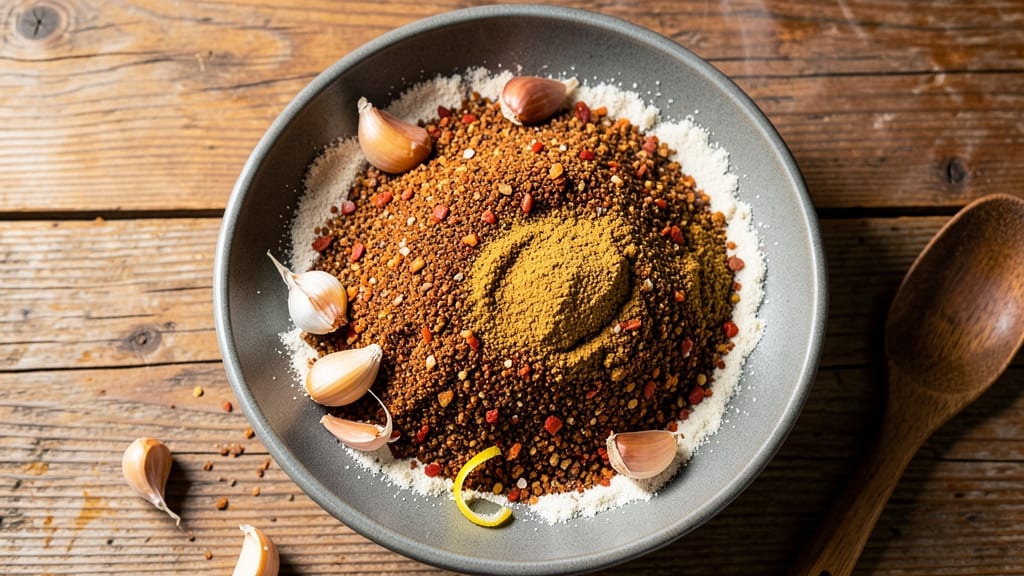
This chicken and pork rub recipe transforms ordinary meat into smoky, bold masterpieces with just a handful of pantry staples.
After years of perfecting blends for my pit at The Smoky Pig, I’ve distilled the essence of Carolina BBQ into a simple, foolproof dry rub that works equally well on grilled chicken, pulled pork, or roasted pork chops.
The secret lies in balancing sweet, smoky, and spicy notes—just enough brown sugar for caramelization, cayenne for heat, and smoked paprika for that unmistakable barbecue aroma.
The blend is designed for versatility: use it generously on whole chickens before roasting, or coat pork shoulder thickly for pulled pork that falls apart at the touch. I’ve tested this rub on everything from bone-in ribs to boneless breasts, and it delivers restaurant-quality bark every time.
The key is applying it at least 30 minutes before cooking—this lets the spices penetrate and develop flavor, ensuring your meat isn’t just seasoned but transformed.
What makes this rub stand out is its adaptability. Need it milder? Reduce the cayenne. Craving extra smokiness? Add a pinch of chipotle powder. The base ingredients—coarse salt, black pepper, garlic powder—are always present, creating a foundation that’s both bold and approachable.
Store it in an airtight container for up to 6 months, so you’re always ready to elevate your next meal with professional-level flavor.
Whether you’re hosting a weekend BBQ or prepping for a weeknight dinner, this rub turns simple cuts of meat into showstoppers. The beauty of a dry blend is its simplicity: no oils to spoil, no refrigeration needed, just pure, concentrated flavor waiting to be unlocked by heat.
Let’s get your grill—or oven—ready.
Ingredients for chicken and pork rub
Nine simple spices transform meat into restaurant-quality masterpieces with just a sprinkle.
| Ingredient | Amount | Notes |
|---|---|---|
| Coarse Kosher Salt 🧂 | ½ cup | Diamond Crystal preferred |
| Smoked Paprika 🌶️ | ¼ cup | High-quality for smoky depth |
| Brown Sugar 🍚 | ¼ cup | Light or dark, packed |
| Ground Black Pepper 🌶️ | 2 tbsp | Freshly cracked for bite |
| Garlic Powder 🧄 | 1 tbsp | Non-iodized preferred |
| Onion Powder 🧅 | 1 tbsp | Finely ground for sweetness |
| Cayenne Pepper 🔥 | 1 tsp | Adjust for heat preference |
| Ground Cumin 🌿 | 1 tsp | Toasted for deeper flavor |
| Mustard Powder 🍯 | ½ tsp | Yellow or Dijon style |
The salt is non-negotiable—Diamond Crystal dissolves better than table salt, creating that perfect crust. I grab mine in bulk at Whole Foods or the bulk section of Kroger, where you can smell the freshness. Smoked paprika makes or breaks the BBQ vibe—Penzeys or McCormick are solid choices, but avoid the dusty stuff. Brown sugar should be packed lightly; don’t tamp it down or you’ll end up with clumps. For the cayenne, hotter than you think—start with half and taste before adding more. The cumin? Toast it in a dry pan for 30 seconds first—game-changer for depth.
No smoked paprika? Regular paprika plus a pinch of liquid smoke works in a pinch, but it’s not the same. Running low on cayenne? Red pepper flakes at half the amount or a dash of chipotle powder for smokiness. Mustard powder missing? Dijon mustard powder is the same thing—just check the label. The garlic and onion powders can be swapped one-for-one, but the cumin is essential—it’s the heart of the blend. If you’ve got whole spices, grind them fresh for even better flavor. This mix is designed to be adaptable, so tweak it to your taste.
Store in an airtight container—glass jar with a tight lid works best—somewhere dark and cool. Keeps for 6 months without losing potency, though I usually use it up faster than that. Double the batch and give some away—everyone needs this in their pantry. For extra smokiness, add a pinch of chipotle powder. For milder heat, cut the cayenne in half. The beauty of a dry rub is its simplicity: no oils, no refrigeration, just pure flavor waiting to be unlocked by heat.
Why You'll Love This Recipe
- Pantry Magic: I’ll be real—this rub lives in my spice rack year-round. Five ingredients, no fancy shopping, and that smoky-sweet depth? It’s my secret for turning basic chicken thighs or pork chops into something that tastes like it belongs on a grill at a summer cookout.
- Crispy-Sweet Perfection: That brown sugar and smoked paprika combo? It caramelizes into a crust that’s addictive. I’ve tried it on everything from chicken drumsticks to pork tenderloin, and every time, the first bite makes me want to make more—even when I’m not supposed to be eating.
- Weeknight Hero: Between us, this is the rub I grab when I’m exhausted and need dinner fast. Toss it on chicken breasts before roasting, or slather it on pork chops for a quick sear. It’s the kind of flavor that turns a rushed meal into something that feels intentional—no stress, just satisfaction.
- Budget-Friendly Leftovers: Honestly, I make double batches because the leftovers are just as good. The rub keeps well, so I can use it on whatever’s on sale—pork shoulder, chicken thighs, even roasted potatoes. It’s my way of stretching groceries without sacrificing taste, and that’s a win in my book.
Step-by-step instructions for creating the perfect chicken and pork rub
This bold dry-blend transforms simple proteins into smoky, flavorful masterpieces every time.
Measure Ingredients Precisely
Start by gathering all your ingredients in individual bowls for easy access. I like to use a medium-sized mixing bowl that can comfortably hold everything without overflowing. Begin with the 0.5 cup coarse kosher salt—it's the base of our rub and provides that essential salty foundation. Next, measure out the 0.25 cup smoked paprika—this is where you'll get that beautiful smoky depth that makes this rub so special.
Add the 0.25 cup brown sugar packed firmly into your measuring cup. This isn't just for sweetness—it helps create that perfect caramelized crust on your meats. The 2 tablespoons ground black pepper comes next, and I always recommend freshly cracked pepper for that extra bite. Remember to level off your measuring spoons for accuracy—packed or heaped measurements can completely change the balance of flavors.
Combine Dry Ingredients Thoroughly
With all your ingredients measured out, it's time to combine them in your mixing bowl. I use a whisk for this step because it helps break up any clumps and ensures even distribution. Start by adding the 1 tablespoon garlic powder and 1 tablespoon onion powder—these will provide that savory backbone to complement the smokiness. Give everything a good stir with the whisk to start breaking down any larger particles.
Next, add the 1 teaspoon cayenne pepper and 1 teaspoon ground cumin. Be careful with the cayenne—this is where the heat comes from, and you can always add more later if needed. Finally, sprinkle in the 0.5 teaspoon mustard powder. This might seem like a small amount, but it adds that subtle tang that ties everything together. Whisk vigorously for about 1-2 minutes until you see no more dry spots and the mixture looks uniformly colored.
Mix Until Uniform and Free-Flowing
After whisking, I like to use my hands to really work the rub through. Grab a handful of the mixture and rub it between your palms to break up any remaining clumps. You're looking for a texture that's fine and even—almost like wet sand. This ensures your rub will stick perfectly to your meats and create that beautiful, even crust.
Transfer the mixture to a fine-mesh sieve and shake it gently over your mixing bowl. This removes any larger particles that might have formed during mixing. Once sifted, give it one final stir with a fork to ensure everything is thoroughly combined. The rub should now be a rich, deep color with visible flecks of paprika and black pepper throughout. This is your signal that it's ready to use—no more mixing needed.
Store Properly for Maximum Freshness
Transfer your freshly mixed rub to an airtight container with a tight-sealing lid. I prefer glass jars with silicone seals for this purpose—they keep out moisture and maintain freshness. Store the rub in a cool, dark place like your pantry. When properly stored, this rub will keep for up to 3 months, though I find it's always best when used within 1 month for maximum flavor.
Before each use, give the rub a good shake to redistribute any settled ingredients. The texture should remain free-flowing and easy to apply. This rub works beautifully on chicken, pork, and even fish—just be sure to pat your protein dry before applying to ensure the rub sticks properly. The secret to success is in the application: don't be shy—press the rub firmly into the meat so it adheres well and develops that incredible crust during cooking.
Pro Tips For Making Chicken And Pork Rub
- MEASURE THE SALT FIRST: I learned this the hard way—dumping all the kosher salt in at once turns your rub into a salty brick. Use 2 tablespoons of coarse salt as your base, then adjust the rest. The brown sugar will mellow it out, but trust me, you’ll taste the difference if you skimp here.
- CRUSH THE GARLIC POWDER: That jarred garlic powder clumps like a nightmare. Break it up with your fingers or the back of a spoon before mixing—no one wants gritty flecks in their rub. If you’re lazy, pulse it briefly in a spice grinder, but don’t overdo it or you’ll turn it into paste.
- DON’T SKIP THE REST: After applying the rub, let the meat sit uncovered in the fridge for at least 30 minutes. I know, I know—you’re eager to grill—but this lets the salt penetrate and the spices stick. Rushed it once? The rub slid off like sand. Now I plan ahead.
- USE A MIXING BOWL, NOT YOUR HANDS: Brown sugar and smoked paprika make a sticky mess. Scrape the ingredients together with a fork or rubber spatula instead of digging in with your fingers. You’ll save cleanup time and avoid ending up with sugar glued to your palms—trust me, it’s worse than it sounds.
Pro cooking tips for this recipe
Salt First, Always
I can’t stress this enough: pat your meat bone-dry before applying the rub. Wet surfaces prevent the spices from sticking, and you’ll end up with a sad, flavorless crust. I use two paper towels—one to blot, one to press—and always work in batches if cooking larger cuts.
For chicken, I apply the rub 30 minutes before cooking to let it penetrate. Pork shoulder? I go heavy-handed and let it sit overnight in the fridge for maximum flavor infusion. 🧂
Smoke Without a Smoker
No smoker? No problem. The smoked paprika in this rub delivers that signature BBQ aroma, but you can amplify it further. Add ½ teaspoon liquid smoke to the mix for extra depth, or sprinkle a pinch of chipotle powder for a smoky kick.
For grilled meats, I like to toss a handful of wood chips (hickory or apple) directly on the coals—just don’t overdo it, or you’ll end up with bitter smoke. The key is balance: the rub’s smokiness should complement, not overpower, your cooking method. 🌶️
Sweet Spot for Caramelization
The brown sugar in this rub isn’t just for sweetness—it’s the secret to that deep, crackling bark on your meat. For grilled chicken, I recommend cooking over medium-high heat (around 400°F) to encourage caramelization. If using an oven, broil for the last 3-5 minutes to get that perfect crust.
Pro tip: Don’t rush it. Let the sugar break down slowly, or you’ll end up with a burnt exterior and raw interior. Patience here makes all the difference. 🔥
Heat Control Hacks
Too spicy? Cut the cayenne pepper in half next time. Not enough heat? Add ½ teaspoon of crushed red pepper flakes or a dash of chipotle powder. For pork, I often reduce the cayenne to ½ teaspoon—it’s still bold but more approachable.
If you’re serving kids or sensitive eaters, set aside a small portion of the rub before applying it to the meat. That way, you can adjust the heat level per serving without sacrificing flavor. 🌶️
Double the Batch, Gift the Rest
This rub makes two full batches—perfect for gifting or prepping ahead. I like to package it in small glass jars with a handwritten label (e.g., “Smoky BBQ Rub—Great for Chicken & Pork!”).
Store it in a cool, dark place for up to 6 months, though it’s best used within 1 month for peak freshness. If you’re feeling fancy, add a wooden spoon to the jar for stirring.
Trust me, your neighbors will thank you when they taste your perfectly seasoned pulled pork. 🎁
Oven vs. Grill Techniques
Grilling? Apply the rub generously and sear over direct heat for 3-4 minutes per side before moving to indirect heat. For the oven, I recommend 400°F and 20-25 minutes for chicken thighs or 4-5 hours for pork shoulder (with a Texas crutch wrap at 165°F).
The key difference? Grilling gives you those charred grill marks, while the oven delivers even, consistent bark. Either way, rest your meat for 10 minutes before serving—this lets the juices redistribute, keeping every bite moist and flavorful. ⏱️
Nutrition facts
Frequently asked questions
Can I use this rub on other meats besides chicken and pork?
This versatile rub works beautifully on fish fillets, turkey, or even tofu for a meaty alternative. For fish, apply it lightly—just enough to coat the surface—and cook over medium heat to avoid overpowering the delicate flavor. I’ve also used it on sausages and ham steaks with fantastic results. The key is adjusting the cooking time and temperature to match the protein’s needs.
How do I adjust the heat level for sensitive eaters?
Simply reduce the cayenne pepper to ½ teaspoon or omit it entirely for a milder version. For extra heat control, mix a small portion of the rub with 1 tablespoon of olive oil to create a paste—this lets you apply less spice directly to the meat while still getting the full flavor profile. I also recommend keeping a small bowl of plain salt nearby to adjust seasoning at the table.
Can I make this rub ahead of time and store it?
Yes! This rub keeps for up to 6 months in an airtight container stored in a cool, dark place like your pantry. For best flavor, use it within 1 month of mixing. I like to double the batch and store it in small glass jars for easy gifting or quick access. Just give it a good shake before each use to redistribute the spices evenly.
What's the best way to apply the rub to meat?
Always pat your meat completely dry with paper towels first—this helps the rub stick better. For chicken, apply it 30 minutes before cooking and press it firmly into the skin. For pork shoulder, I recommend applying it overnight in the fridge for maximum flavor penetration. Use your hands to work the rub into crevices and seams, especially on thicker cuts. The more you press, the better the crust will develop.
Can I use this rub for slow-cooking or smoking?
Perfect for both! For smoking, apply the rub generously and smoke at 225-250°F until the internal temperature reaches 165°F for chicken or 203°F for pork shoulder. For slow-cooking, coat the meat thoroughly and add a splash of apple cider vinegar to the cooking liquid to enhance the bark. The rub’s spices will infuse beautifully during long cooking times, creating deep, complex flavors.