
Main Courses
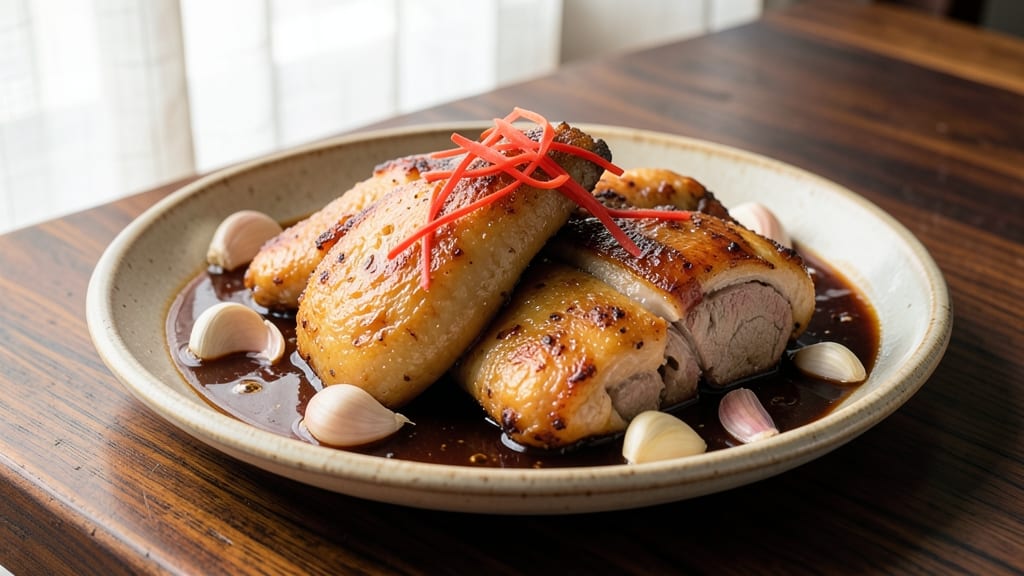
This Chicken Pork Adobo recipe Philippines delivers the perfect balance of tangy, savory, and slightly sweet flavors in one rich, aromatic pot. 🌟 The secret lies in the marriage of soy sauce, vinegar, and garlic—a classic Filipino technique that transforms tough cuts into melt-in-your-mouth tenderness.
After years of perfecting this dish, I’ve simplified the process without sacrificing that restaurant-quality depth.
The beauty of adobo is its versatility—this recipe works with chicken, pork, or both, all braised together in a single pot. The key steps are marinating the meat to infuse flavor, then slow-cooking until the sauce reduces to a glossy, caramelized perfection.
No fancy equipment needed, just patience and a few pantry staples. What you’ll end up with is a dish that’s as comforting as it is impressive.
What makes this version stand out is the careful balance of ingredients: just enough vinegar for tang, soy sauce for umami, and garlic for aromatic punch. The meat becomes fork-tender while the sauce clings beautifully, making every bite satisfying.
It’s the kind of meal that tastes even better the next day, perfect for feeding a crowd or meal prepping for the week.
Once you try this recipe, you’ll understand why adobo is a Filipino staple—it’s hearty, flavorful, and impossible to resist. Let’s get cooking and bring a taste of the Philippines to your dinner table.
Ingredients for chicken pork adobo recipe philippines
Six ingredients transform tough cuts into melt-in-your-mouth Filipino comfort food magic.
| Ingredient | Amount | Notes |
|---|---|---|
| Chicken Thighs (bone-in, skin-on) 🍗 | 1 ½ lb | Cut into even pieces |
| Pork Shoulder 🥩 | 1 ½ lb | Cut into 1-inch chunks |
| Soy Sauce 🍶 | ½ cup | Use Filipino-style preferred |
| White Vinegar 💧 | ½ cup | White or cane vinegar |
| Garlic Cloves 🧄 | 8 cloves | Minced for marinade |
| Fresh Ginger 🌿 | 2 tbsp | Finely grated, fresh preferred |
| Bay Leaves 🌿 | 2 whole | Dried or fresh |
| Black Peppercorns 🌶️ | 1 tsp | Crushed lightly |
| Sugar 🍚 | 2 tbsp | White or brown sugar |
| Olive Oil 🫒 | 2 tbsp | For searing meat |
| Water 💧 | 1 cup | Or substitute with broth |
| Salt 🧂 | 1 ½ tsp | Kosher or sea salt |
The meat is everything here—bone-in, skin-on chicken thighs and pork shoulder give you that signature adobo texture. Look for well-marbled cuts at your local Asian market or butcher shop. If you can't find Filipino-style soy sauce, Lee Kum Kee or Silver Swan are solid substitutes. Fresh ginger makes all the difference—Trader Joe's usually has great organic ginger, or grab it from the produce section. The bay leaves? Don't skip them—they add that subtle earthy depth that separates home cooking from restaurant-quality.
No Filipino soy sauce? Kikkoman or La Choy work in a pinch, but add an extra 0.5 tsp sugar to balance the flavor. Running low on vinegar? Apple cider vinegar is a direct swap. The garlic and ginger can be pre-minced to save time—Trader Joe's sells pre-minced jars that last for months. Sugar substitutes? Honey or maple syrup at the same amount, but the caramelization won't be identical. For extra richness, add 1 tbsp coconut milk to the finished sauce. And if you're feeling fancy, a splash of calamansi juice (if you can find it) takes this to next-level Filipino flavor.
This dish tastes even better the next day—3-4 days in the fridge, or 3 months frozen. Store with the sauce to keep everything moist. I like to portion it into glass containers so I can reheat just what I need. The sauce thickens as it cools, so add a splash of water if it's too sticky when reheating. Leftovers make amazing sandwiches or rice bowls—trust me on this. For a quick shortcut, use rotisserie chicken instead of raw thighs, but sear it first for better flavor.
Why You'll Love This Recipe
- Foolproof Simplicity: I swear by this recipe because it’s actually easy—just brown the meat, toss in garlic, vinegar, and soy sauce, then let it simmer. No fancy techniques, no stress, and the flavors build themselves.
- Tangy-Savory Magic: That perfect balance of salty soy and bright vinegar? It’s addictive. The bone-in chicken stays juicy while the pork gets tender, and every bite has that crispy edge from the skin—no extra work needed.
- Weeknight Workhorse: I make this when I’m swamped because it’s that reliable. Feed the whole family, pack leftovers for lunch, or serve it with rice—it’s the ultimate lazy-day hero, and honestly, who doesn’t need that?
- Budget-Friendly Feast: Pork shoulder and chicken thighs stretch across meals without breaking the bank. Double the batch, reheat it for days, and still have money left for actual groceries—because let’s be real, this recipe works.
Step-by-step instructions for chicken pork adobo
Here's how to make this tangy, savory Filipino classic that tastes like home.
🍳 Step 1: Sear the Meats Until Golden
Heat a large Dutch oven or heavy pot over medium-high heat. Add the 2 tablespoons olive oil and let it get shimmering hot. Working in batches to avoid crowding, add the 1.5 lb chicken thighs and 1.5 lb pork shoulder (cut into 1-inch chunks). Sear for 5-6 minutes until the chicken is golden brown and the pork releases easily from the pan.
I press down gently on the pork pieces during the first minute—this prevents them from curling and ensures even contact with the pan. If the oil starts smoking, reduce the heat slightly. You want a good sear without burning the meat. Transfer the seared meats to a plate and set aside.
👨🍳 Step 2: Build the Flavor Base
In the same pot, add the 8 cloves minced garlic and 2 tablespoons finely grated ginger. Cook for 30 seconds until fragrant—you should smell that garlic releasing its sweet aroma. Be careful not to let it burn, as it can turn bitter quickly.
Add the 2 whole bay leaves and 1 teaspoon crushed black peppercorns, stirring for 10 seconds to toast them lightly. This releases their essential oils and deepens the flavor. Real talk: don't skip this step—it makes all the difference in the final taste.
🥘 Step 3: Simmer the Sauce to Perfection
Pour in the 0.5 cup soy sauce, 0.5 cup white vinegar, and 2 tablespoons sugar. Stir well to combine, then add the 1 cup water and 1.5 teaspoons salt. Bring the mixture to a boil, scraping up any browned bits from the bottom of the pot.
Return the seared meats to the pot, reduce the heat to low-medium, and cover partially. Let it simmer for 45-50 minutes until the pork is fork-tender and the sauce has thickened slightly. Here's the thing—if it looks too thin, uncover and let it reduce for another 10 minutes. The sauce should coat the back of a spoon.
⏰ Step 4: Finish and Rest for Maximum Flavor
Once the pork is tender (it should pull apart easily with a fork), remove the bay leaves. Taste the sauce and adjust seasoning if needed—add a splash more vinegar for tang or a pinch of sugar if it's too sharp.
Let the adobo rest for 10 minutes off the heat. This allows the juices to redistribute throughout the meat, ensuring every bite is moist and flavorful. Serve hot with steamed rice—it's the perfect pairing for soaking up that delicious sauce!
Pro Tips For Making Chicken Pork Adobo Recipe Philippines
- CRISP THE SKIN FIRST: Don’t skip browning the chicken thighs—sear them skin-side down in a hot pan until the skin turns golden and crispy. I used to rush this step, thinking the adobo sauce would handle it, but that crispy skin is what makes the dish sing. If your skin isn’t cooperating, lower the heat slightly—high heat burns before it browns.
- USE HALF THE VINEGAR: Start with just ½ cup of white vinegar, not the full 1 cup most recipes demand. Adobo’s tang comes from the vinegar, but too much makes the dish harsh. Taste as you go—you can always add more later, but you can’t take it out. (Yes, even if the recipe says otherwise.)
- DON’T BOIL THE GARLIC: Smash the garlic cloves with the flat side of your knife before adding them—this releases more flavor without burning. I learned this the hard way after making adobo that tasted like vinegar and regret. If your garlic turns bitter, you’ve cooked it too long. Add it raw or lightly toasted, then simmer gently.
- REST THE MEAT AFTER COOKING: Let the chicken and pork sit under foil for 10 minutes after pulling them from the pot. This lets the juices redistribute, so every bite stays moist instead of dry. I know, I know—you’re hungry now. But trust me, skipping this step means ending up with meat that’s tough and sad. (Your future self will thank you.)
Creative variations of these flavors
Spicy Adobo Twist
For a kick, add 1-2 tablespoons of Calabrian chili paste or 1-2 tbsp of Penzeys 7-Pot Chili Crisp to the sauce during the final 10 minutes of simmering. This adds a smoky, spicy depth that balances the tangy-sweet flavors beautifully.
I like to add it with the vinegar and soy sauce so it blends seamlessly. If you're sensitive to heat, start with 1 teaspoon and adjust to taste. 🌶️
Coconut Milk Creamy
Swap out the water for ½ cup coconut milk (full-fat for best results) in the sauce to create a richer, creamier version. Add it along with the soy sauce and vinegar, then simmer as directed.
This works especially well if you're serving it over jasmine rice—the coconut milk adds a luxurious texture that pairs perfectly with the tangy adobo flavors. Look for Thai Kitchen coconut milk in most grocery stores.
Vegetable-Packed Adobo
Add 1 cup of chopped bell peppers, 1 cup of sliced mushrooms, and 1 cup of baby potatoes to the pot during the final 20 minutes of cooking. These veggies absorb the adobo sauce beautifully and add a satisfying crunch.
For extra color, throw in ½ cup of sliced carrots or 1 cup of green beans. This version is perfect for a heartier meal without altering the core flavors of the dish.
Slow Cooker Adaptation
For a hands-off approach, sear the meats as directed, then transfer everything (including the sauce ingredients) to a 6-quart slow cooker. Cook on LOW for 6-7 hours or HIGH for 3-4 hours, stirring once halfway through.
The slow cooker method is ideal for busy weeknights—just add the veggies (if using) during the last 30 minutes of cooking to keep them crisp. This version tastes even better the next day! ⏰
Sweet Potato Swap
Replace the pork shoulder with 1.5 lbs of sweet potatoes, peeled and cubed into 1-inch pieces. Sear them lightly in olive oil for 2-3 minutes per side until golden, then proceed with the recipe as usual.
The sweet potatoes absorb the adobo sauce wonderfully and add a natural sweetness that complements the tangy flavors. This vegetarian-friendly version is a crowd-pleaser, especially for those who prefer plant-based meals.
Lemon-Garlic Boost
Brighten up the dish by adding 2 tablespoons of fresh lemon juice and 2 extra garlic cloves (minced) during the final 10 minutes of simmering. This adds a refreshing citrus note that cuts through the richness of the soy sauce and pork.
I also like to garnish the finished dish with lemon wedges for serving—it’s a simple but effective way to elevate the flavors. 🍋
Nutrition facts
Frequently asked questions
Can I use chicken breast instead of chicken thighs?
Chicken breast works, but it's leaner and dries out faster. For best results, use bone-in, skin-on thighs—they stay juicier during the long simmer. If you must use breast, cut it into 1-inch pieces, sear them quickly, and reduce the cooking time by 10-15 minutes to avoid toughness.
What makes this adobo different from other Filipino adobo recipes?
This version balances soy sauce and vinegar perfectly while keeping the sauce tangy but not overpowering. The key is using white vinegar (not cane vinegar) for brightness and simmering until the sauce coats the meat. Many recipes skip the sugar or use too much vinegar—this one gets the harmony right.
How do I know when the pork is fully cooked?
The pork is done when it's fork-tender and pulls apart easily with minimal resistance. For 1.5 lb pork shoulder, this takes 45-50 minutes of simmering. Test by inserting a fork—if it slides in smoothly and the juices run clear, it's ready. Overcooking makes it dry, so keep an eye on it!
Can I make this in a slow cooker or Instant Pot?
For a slow cooker, sear the meats first, then transfer everything to the pot and cook on LOW for 6-7 hours. For an Instant Pot, use the "Sauté" function to sear, then pressure cook on HIGH for 20 minutes (natural release). Both methods work well—just adjust the cooking time to avoid overcooking.
What if my sauce is too thin or too thick?
If the sauce is too thin, uncover the pot and simmer for 10-15 minutes to reduce it. For a thicker sauce, add 1 tablespoon cornstarch mixed with 2 tablespoons water and stir until it thickens. Too thick? Thin with 1-2 tablespoons water or vinegar. The sauce should coat the back of a spoon but still be pourable.