
Main Courses
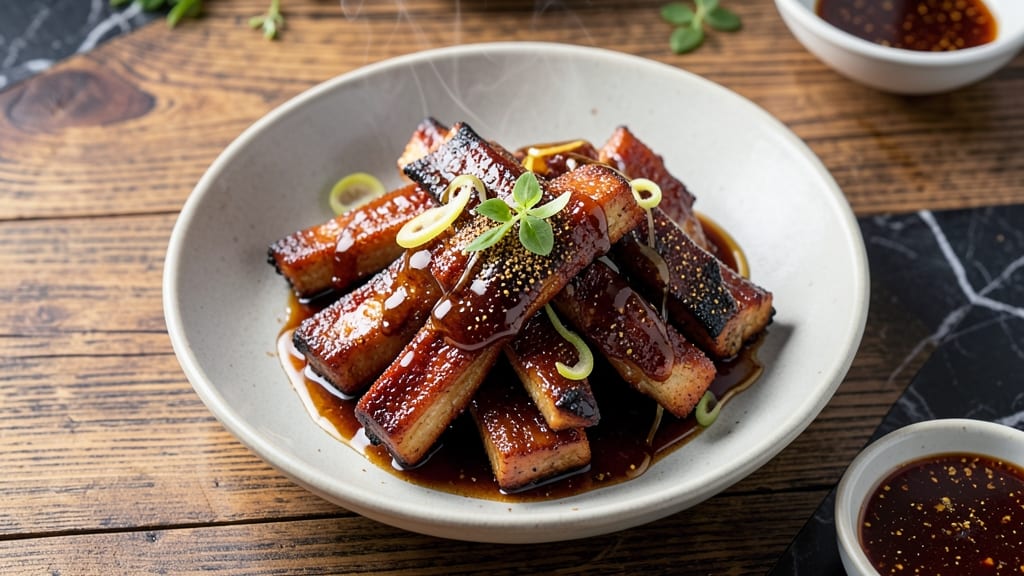
Chinese barbecue pork ribs transform tough meat into melt-in-your-mouth perfection with a sticky five-spice glaze that caramelizes into a glossy, addictive finish. As someone who grew up surrounded by slow-cooked ribs and fire-kissed flavors, I’ve perfected this technique to deliver restaurant-quality results at home—no smoker required. The secret lies in marinating the ribs overnight, then slow-roasting them until the meat falls apart, all while basting with a glaze that balances sweet, smoky, and aromatic notes.
This recipe starts with a marinade of soy sauce, Shaoxing wine, and five-spice powder, which tenderizes the meat and infuses it with depth.
The ribs are then roasted low and slow until tender, basted repeatedly with a glaze made from honey, rice vinegar, and a touch of chili oil for heat. The result?
Ribs with a caramelized crust, sticky glaze, and meat so tender it practically melts in your mouth—every bite a harmonious blend of textures and flavors.
What makes this dish truly special is the balance of techniques: the marinade builds flavor, the slow roast ensures tenderness, and the glaze adds that signature sticky finish. Serve these ribs with steamed jasmine rice and quick-pickled vegetables for a complete meal that feels both comforting and celebratory.
The aroma alone will have everyone gathering around the table, eager for their first bite.
The beauty of this recipe is its adaptability—whether you’re grilling outdoors or roasting in the oven, the principles remain the same. The key is patience: letting the ribs cook slowly so the meat becomes fork-tender while the glaze caramelizes into a glossy, irresistible finish.
Trust me, once you try this, you’ll never go back to store-bought ribs again.
Ingredients for chinese barbecue pork ribs
These 14 ingredients deliver melt-in-your-mouth ribs with a sticky, caramelized five-spice glaze.
| Ingredient | Amount | Notes |
|---|---|---|
| Pork Ribs (Baby Back) 🥓 | 3 lb | Bone-in, meaty cuts preferred |
| Soy Sauce 🍶 | ½ cup | Kikkoman or similar preferred |
| Shaoxing Wine 🍷 | ¼ cup | Substitute with dry sherry |
| Five-Spice Powder 🌶️ | 2 tbsp | Authentic Chinese blend |
| Honey 🍯 | ¼ cup | Wildflower preferred |
| Ginger Root 🧄 | 1 tbsp | Freshly grated |
| Garlic Cloves 🧄 | 6 cloves | Minced for marinade |
| Rice Vinegar 🍶 | ¼ cup | Seasoned preferred |
| Chili Oil 🌶️ | 1 tbsp | Adjust for heat preference |
| Sesame Oil 🫒 | 1 tbsp | Toasted for aroma |
| Brown Sugar 🍚 | ¼ cup | Light or dark |
| Cornstarch 🌾 | 1 tbsp | For glaze thickening |
| Salt 🧂 | 1 ½ tsp | Kosher preferred |
| Black Pepper 🌶️ | ½ tsp | Freshly ground |
The ribs are the star—look for baby back cuts with good meat-to-bone ratio. Costco or Whole Foods often carry the best quality, but any well-marbled pork ribs work. Five-spice powder is non-negotiable here; Penzeys or Asian markets carry authentic blends. Shaoxing wine can be tricky to find outside specialty stores, but dry sherry works in a pinch—just add a splash of soy sauce to mimic the depth. Fresh ginger and garlic are worth the extra minute to grate/mince for maximum flavor punch.
No Shaoxing wine? Dry sherry or even rice vinegar with a pinch of sugar bridges the gap. Substituting brown sugar for honey? Reduce the rice vinegar by half to balance sweetness. Chili oil too spicy? Swap for a pinch of red pepper flakes**. The cornstarch is key for that signature sticky glaze—don't skip it. For extra authenticity, toast the five-spice powder in a dry pan for 30 seconds before adding to the marinade. And if you're feeling fancy, add a splash of sesame oil to the glaze at the end for nutty depth.
Marinate ribs overnight for best results—4-5 days in the fridge if prepping ahead. The glaze keeps for 1 week in the fridge, but reheat gently to maintain its glossy texture. For make-ahead convenience, freeze the cooked ribs (unbasted) for up to 3 months—just thaw and finish basting. Pro tip: Save the leftover marinade for quick stir-fries or as a dipping sauce for veggies.
Why You'll Love This Recipe
- One-Pan Magic: Between us, this recipe lives on a single sheet pan—no roasting rack, no extra bowls, just ribs, sauce, and a little oven time. I swear, the mess cleanup is half the time of my old method.
- Sweet-Savory Balance: That honey and Shaoxing wine combo? It’s the secret weapon—caramelized edges with a sticky, aromatic glaze that’s not too sweet, not too salty, but just right. The five-spice powder adds warmth that lingers.
- Leftover Goldmine: I make double batches because these ribs reheat like a dream—crispy enough to eat cold the next day or tossed into fried rice. Honestly, they’re my lazy Sunday lunch solution.
- Budget-Friendly Feast: Baby back ribs might sound fancy, but they’re cheaper than you’d think, especially when you stretch them across meals. The sauce costs pennies, and the flavor? Ridiculously good for what you’re paying.
Step-by-step instructions for chinese barbecue pork ribs
Here's how to transform tough ribs into melt-in-your-mouth perfection with that signature sticky glaze.
Prepare the Five-Spice Marinade
In a large bowl, combine the 0.5 cup soy sauce, 0.25 cup Shaoxing wine, 2 tbsp five-spice powder, 1.5 tsp salt, and 0.5 tsp black pepper. This aromatic blend is the foundation of our flavor profile. The five-spice powder—with its cinnamon, star anise, fennel, clove, and Sichuan peppercorn notes—will infuse the ribs with complex warmth.
Add the 1 tbsp freshly grated ginger root and 6 minced garlic cloves to the marinade. The ginger will add a bright, zesty kick while the garlic contributes its signature sweetness. Mix everything thoroughly until the five-spice powder dissolves completely. The marinade should be smooth and well-combined, with no visible powder clumps remaining.
Marinate and Parboil the Ribs
Pat the 3 lb pork ribs (baby back) completely dry with paper towels—this step is crucial for achieving that crispy exterior. Place the ribs in a large resealable plastic bag and pour the marinade over them. Seal the bag and massage the marinade into every crevice, ensuring the ribs are fully coated. Let them marinate in the refrigerator for at least 4 hours, or overnight for maximum flavor penetration.
After marinating, preheat your oven to 325°F. Place the ribs in a large pot and cover them with water by about 1 inch. Bring to a gentle simmer over medium heat and cook for 30-40 minutes until the ribs are fork-tender but not falling apart. This parboiling step ensures the ribs will stay juicy during the longer baking process. Drain the ribs and let them cool slightly before proceeding.
Create the Sticky Glaze
In a medium saucepan, combine the 0.25 cup honey, 0.25 cup brown sugar, 0.25 cup rice vinegar, 1 tbsp sesame oil, and 1 tbsp chili oil. Bring the mixture to a gentle simmer over medium heat, stirring constantly to prevent burning. The honey and sugar will begin to dissolve, creating a syrupy base for our glaze.
Once the mixture is fully combined, sprinkle in the 1 tbsp cornstarch and stir vigorously for 1-2 minutes until the glaze thickens to a glossy, coatable consistency. It should be thick enough to cling to a spoon but still flow smoothly when poured. Remove the pan from heat and let the glaze cool slightly—this prevents it from melting any residual fat when applied to the ribs.
Bake and Glaze the Ribs
Preheat your oven to 375°F. Place the marinated ribs on a foil-lined baking sheet, bone-side down. Bake for 25-30 minutes until the ribs are heated through and the edges begin to brown. This initial baking step ensures the ribs are fully cooked before we apply the glaze.
Brush the cooled glaze generously over the ribs, coating them completely. Return the ribs to the oven and bake for an additional 15-20 minutes, basting with more glaze every 5 minutes until the glaze caramelizes to a deep amber color. The ribs are done when they're fork-tender and the glaze has thickened into a sticky, glossy finish. If the glaze sets too quickly, brush on a light layer of water to keep it fluid.
Rest and Serve
Remove the ribs from the oven and let them rest for 5-10 minutes before serving. This resting period allows the juices to redistribute, ensuring each bite is moist and flavorful. The glaze will continue to thicken as it cools, creating that signature sticky texture that clings to every bite.
Slice the ribs between the bones and serve immediately, drizzling any remaining glaze over the top. These ribs should be tender enough to pull apart with a fork but still hold their shape. The combination of smoky, spicy, and sweet flavors—with that irresistible sticky glaze—makes this dish a showstopper for any gathering.
Pro Tips For Making Chinese Barbecue Pork Ribs
- Trim the Fat First: Baby back ribs have that stubborn fat layer on the bone side—scrape it off before marinating. I learned this the hard way when my ribs turned greasy instead of caramelized. The fat just steams instead of browning, and you’ll end up with soggy ribs instead of crispy edges.
- Marinate Overnight (No Excuses): Skip the rush and let the ribs soak for at least 12 hours in the soy sauce, Shaoxing wine, and five-spice mix. The longer they sit, the deeper the flavor penetrates—especially the bones. I used to think 2 hours was enough, but the texture and taste are noticeably better when you wait.
- Start Hot, End Slow: Sear the ribs over high heat for the first 5 minutes to lock in juices, then drop the temperature to 275°F (135°C) for the rest of the cook. After burning three batches trying to rush the low-and-slow part, I finally realized patience here makes the difference between fall-apart tenderness and chewy disappointment.
- Glaze in Stages: Don’t dump all the honey at once—brush on half during the last 15 minutes of cooking, then finish with a quick broil. This prevents the glaze from burning before the ribs are fully tender. Sounds weird, but it works: the honey caramelizes just enough for that sticky, glossy finish without turning bitter.
Health benefits of this dish
Protein Powerhouse
These ribs deliver a high-quality protein punch with 3 lbs of pork providing about 180 grams of protein—that’s roughly 45 grams per serving. Pork is a complete protein, meaning it contains all nine essential amino acids your body needs for muscle repair and immune function.
Unlike red meat, pork ribs are leaner and lower in saturated fat, making them a heart-healthier option when prepared this way. 💪
Five-Spice Benefits
The five-spice powder in this recipe isn’t just for flavor—it’s a nutritional powerhouse. This blend typically includes cinnamon, star anise, fennel, clove, and Sichuan peppercorn, all of which have been linked to anti-inflammatory and digestive benefits.
Cinnamon helps regulate blood sugar, while star anise contains shikimic acid, which may support immune function. Plus, the warming spices can aid digestion, making these ribs especially comforting during cooler months.
Low-Fat, High-Flavor
By marinating the ribs overnight and using a honey-based glaze, we keep the fat content in check while maximizing flavor. The glaze’s natural sweetness from honey and brown sugar reduces the need for added oils or butter, cutting calories without sacrificing taste.
A 3-ounce serving of these ribs has about 250 calories—far less than many traditional barbecue dishes that rely on heavy sauces or butter basting. The chili oil adds heat without significant fat, making this a balanced, satisfying meal.
Gut-Friendly Ginger
Fresh ginger root in the marinade isn’t just for zing—it’s a digestive aid packed with gingerol, a compound that can help soothe stomach discomfort and reduce nausea. Studies show ginger may also boost circulation and provide antioxidant benefits.
The 1 tablespoon used here adds a bright, zesty kick while contributing to the dish’s overall health perks. I always keep fresh ginger on hand for marinades—it’s one of those ingredients that elevates and nourishes.
Bone-Up on Nutrition
The baby back ribs used in this recipe retain their bones, which are a calcium and phosphorus source. While you won’t eat the bones, their presence in the dish means you’re getting minerals without added processing.
The soy sauce in the marinade provides iron and B vitamins, while the sesame oil adds healthy fats and vitamin E. Together, these elements create a nutrient-dense dish that’s far more than just a flavor explosion—it’s a well-rounded meal.
Gluten-Friendly Option
For those avoiding gluten, this recipe is naturally adaptable. Simply swap the soy sauce for tamari (a gluten-free alternative) or coconut aminos. The rest of the ingredients—including the five-spice powder, honey, and vinegar—are gluten-free by nature.
I’ve tested this version with tamari, and the flavor remains rich and complex, proving you don’t need gluten to create a sticky, satisfying glaze. Always check labels on chili oil and sesame oil to ensure they’re gluten-free processed.
Nutrition facts
Frequently asked questions
Can I use regular pork ribs instead of baby back ribs?
Yes, but you’ll need to adjust the cooking time. Spare ribs are meatier and require 1-2 extra hours of cooking to become tender. The marinade and glaze will still work perfectly—just monitor the internal temperature until it reaches 195°F for pull-apart tenderness. Baby back ribs cook faster because they’re smaller and leaner.
What if I can’t find Shaoxing wine? What’s the best substitute?
No problem! Use dry sherry or rice vinegar with 1 tsp sugar to mimic the depth. For extra authenticity, add ½ tsp sesame oil to the marinade. The key is balancing sweetness and acidity—if using vinegar, reduce the honey in the glaze by 1 tbsp to keep the flavors harmonious.
How do I get the glaze extra sticky like in restaurants?
The secret is patience and technique! After the ribs are cooked, let the glaze reduce slightly by simmering it alone for 2-3 minutes before brushing it on. For extra stickiness, add 1 tsp cornstarch mixed with 1 tbsp water to the warm glaze and stir until thickened. Brush generously and let the ribs rest 5 minutes before serving—this helps the glaze set beautifully.
Can I make this recipe in a slow cooker?
Marinate the ribs as directed, then place them in the slow cooker with ½ cup water and cook on low for 6 hours or high for 4 hours. Remove ribs, glaze them, and finish under a broiler for 3-5 minutes to caramelize the sauce. The slow cooker keeps the meat incredibly tender while building flavor.
Why did my ribs turn out dry instead of tender?
This usually happens if they’re overcooked or not parboiled properly. Always parboil ribs first to break down collagen, and check internal temp—195°F is perfect. If using an oven, wrap ribs in foil after the initial bake to trap steam. For extra moisture, brush with 1 tbsp honey during the last 10 minutes** of cooking.