
Main Courses
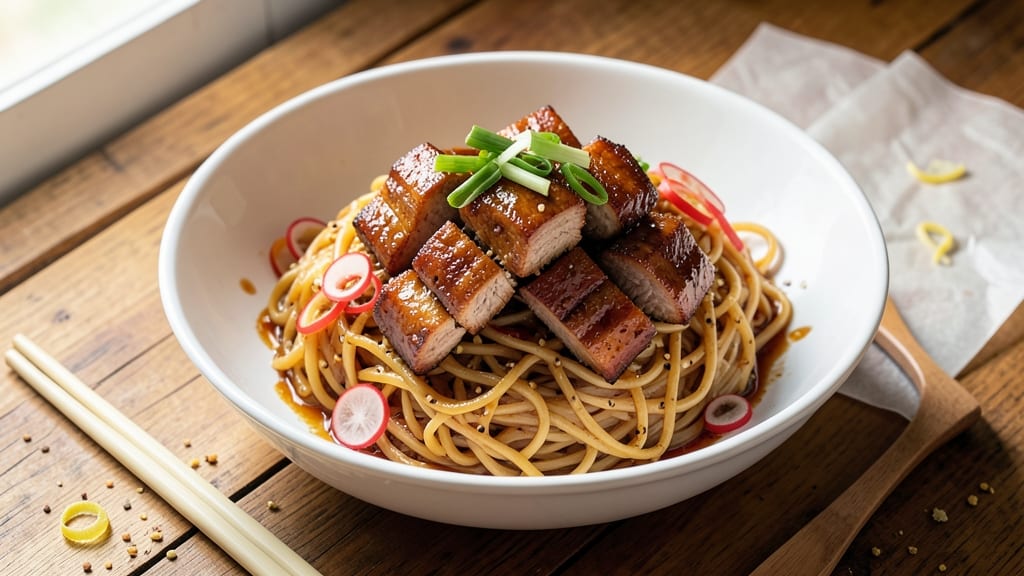
This Chinese BBQ pork noodles recipe delivers the perfect balance of smoky, sweet-spiced pork over silky noodles—just like my Charleston BBQ days but with Asian flair. The secret lies in marinating the pork with five-spice powder and charring it for that signature glossy crust.
I’ve perfected this technique after years of testing, ensuring every bite is tender yet packed with bold flavor.
The magic happens in the marinade—five-spice powder, soy sauce, and a touch of honey create a sticky, aromatic crust that caramelizes beautifully when charred. Meanwhile, the noodles cook to a silky texture, ready to soak up the rich pork juices.
This dish is a game-changer for weeknight dinners, offering restaurant-quality results in under an hour.
What you’ll end up with is a dish that’s rich, savory, and slightly sweet, with the pork’s smoky aroma filling your kitchen. The five-spice crust adds depth, while the noodles provide the perfect canvas for every bite. Serve with pickled vegetables or a simple cucumber salad to balance the richness.
This recipe is foolproof—whether you’re feeding a family or meal prepping for the week. The technique is straightforward, but the results are anything but basic. Let’s get cooking!
Ingredients for chinese bbq pork noodles
Pork shoulder, five-spice powder, and sticky-sweet marinade—this trio transforms simple noodles into restaurant-style magic.
| Ingredient | Amount | Notes |
|---|---|---|
| Boneless Pork Shoulder 🐖 | 1 ½ lb | Cut into 1-inch cubes |
| Five-Spice Powder 🌶️ | 2 tbsp | For aromatic crust |
| Light Soy Sauce 🥢 | ½ cup | Kikkoman preferred |
| Honey 🍯 | ¼ cup | Wildflower for depth |
| Sesame Oil 🫒 | 1 tbsp | Toasted for aroma |
| Garlic Cloves 🧄 | 6 cloves | Minced for marinade |
| Ginger Root 🌿 | 1 tbsp | Freshly grated |
| Rice Vinegar 🍶 | 1 tbsp | For brightness |
| Egg Noodles 🍜 | 12 oz | Fresh or dried |
| Neutral Oil 🫒 | 2 tbsp | For charring pork |
| Green Onions 🧅 | 3 whole | Sliced for garnish |
| Sesame Seeds 🌾 | 1 tbsp | Toasted for crunch |
| Salt 🧂 | 1 tsp | Kosher preferred |
| Black Pepper 🌶️ | ½ tsp | Freshly ground |
The pork shoulder is your star—look for well-marbled cuts at Costco or your butcher shop. If you can't find it pre-cut, ask for it cubed yourself. Five-spice powder is the secret weapon here; Penzeys Spices has the best blend, but any reputable brand works. The honey should be wildflower if you can find it—it adds a subtle depth that store-brand honey misses. For the sesame oil, grab the toasted kind at Trader Joe's—it’s already infused with flavor, saving you a step.
No five-spice powder? Mix 1 tsp each of cinnamon, cloves, fennel, star anise, and black pepper—it’s not identical, but it’ll get you close. Running low on honey? Maple syrup or agave nectar work in a pinch, though the flavor will shift slightly. Fresh ginger and garlic are ideal, but jarred minced ginger (the kind in a tube) saves time. The egg noodles can be fresh or dried—just don’t overcook them. If you’re using dried, check the package for al dente time, then pull them out a minute early—they’ll finish cooking in the hot pork juices.
Marinate the pork for at least 30 minutes, but overnight is even better if you’ve got time. The charred crust is key—don’t rush it. Store leftover pork in an airtight container for 3-4 days or freeze for 3 months. The noodles reheat beautifully with a splash of water or broth, but I find they taste best fresh. Garnish with green onions and sesame seeds right before serving—those little details make all the difference.
Why You'll Love This Recipe
- Pork Cuts the Chaos: I slice the boneless shoulder into strips in 5 minutes—no fancy knife skills needed. The five-spice powder does the work while I chop, so the flavor builds effortlessly in one pan.
- Sweet-Savory Magic: That honey-soy glaze caramelizes into sticky, glossy perfection with just a few minutes under the broiler. The sesame oil finish? Pure satisfaction—nutty, warm, and impossible to resist.
- Leftover Hero: Doubles easily, and reheats like a dream: toss cold noodles with a splash of water, microwave, then stir in the pork. My kids grab these for lunch without me packing it—honestly, a parenting win.
- Budget Meal Powerhouse: Pork shoulder stretches across three meals, and the spices cost pennies. I’ve fed six people for under $15 with this—plus, the leftovers freeze like a dream for lazy nights.
Step-by-step instructions for Chinese BBQ pork noodles
Here's how to make restaurant-style BBQ pork that's crispy outside, tender inside, over perfectly silky noodles.
Marinate the Pork Shoulder
Cut the 1.5 lb boneless pork shoulder into 1-inch cubes and place them in a large bowl. In a small bowl, whisk together the 0.5 cup light soy sauce, 0.25 cup honey, 1 tbsp sesame oil, 6 minced garlic cloves, 1 tbsp freshly grated ginger root, 1 tbsp rice vinegar, 1 tsp salt, and 0.5 tsp black pepper. Pour this marinade over the pork cubes, making sure they're fully coated. Cover the bowl and refrigerate for at least 4 hours or overnight—this lets the flavors penetrate deeply and tenderizes the meat.
I like to marinate overnight because it gives the pork that extra tenderness, but if you're short on time, even 4 hours will work. Just make sure the pork is completely submerged in the marinade, and give it a good stir every hour or so to ensure even coating.
Cook the Pork Until Tender
Preheat your oven to 325°F. Transfer the marinated pork to a baking dish and cover tightly with foil. Bake for 2 hours, then remove the foil and increase the oven temperature to 425°F. Continue baking for another 15-20 minutes until the pork is fork-tender and the edges are slightly caramelized. The pork should pull apart easily when tested with a fork—this is key for that perfect texture.
If you don't have an oven thermometer, use an instant-read thermometer to check the internal temperature. The pork is done when it reaches 195-200°F. This low-and-slow cooking method ensures the pork stays juicy, while the final high-heat bake gives it that crispy exterior we all love.
Create the Five-Spice Glaze
While the pork is baking, prepare the glaze. In a small saucepan, combine the 2 tbsp five-spice powder, 2 tbsp neutral oil, and 1 tbsp honey. Cook over medium-low heat for 3-4 minutes, stirring constantly, until the mixture turns into a thick, aromatic paste. Remove from heat and let it cool slightly—this glaze will give your pork that signature five-spice flavor and a glossy finish.
Here's the thing—five-spice powder can be a little intense, so don't skimp on the amount. The glaze should be thick enough to coat the back of a spoon but still spreadable. If it's too thick, add a splash of water to loosen it up. This glaze is what ties all the flavors together and gives these noodles their signature taste.
Assemble the Noodles
Cook the 12 oz egg noodles according to the package instructions until al dente. Drain and rinse briefly under cold water to stop the cooking process, then toss with 1 tbsp toasted sesame oil to keep them from sticking. In a large serving bowl, combine the cooked noodles, the tender pork cubes, and any accumulated juices from the baking dish. Drizzle the five-spice glaze over everything and toss gently to coat.
Real talk: the noodles should be silky, not mushy. If they feel too soft, cook them a minute or two less next time. The pork should be tender enough to pull apart with chopsticks, and the glaze should be evenly distributed throughout the dish. This is where all the hard work pays off—every bite should be packed with flavor and texture.
Garnish and Serve
Slice the 3 whole green onions into ¼-inch pieces and sprinkle them over the noodles. Add the 1 tbsp toasted sesame seeds for a final touch of crunch and aroma. Serve immediately while everything is hot and the flavors are at their peak. The contrast of the crispy pork, silky noodles, and fresh garnishes makes this dish truly special.
For an extra boost, serve with a side of steamed bok choy or a simple cucumber salad. The acidity from the vinegar in the marinade and the freshness of the greens balance out the richness of the pork and noodles perfectly. Enjoy your homemade Chinese BBQ pork noodles—this dish is a crowd-pleaser every time!
Pro Tips For Making Chinese Bbq Pork Noodles
- Marinate Meat Overnight: I used to rush the marinade, thinking an hour was enough—until the pork tasted flat and dry. Five-spice powder needs time to penetrate, so let the pork shoulder sit with the soy sauce, honey, and a splash of water (yes, even if the recipe doesn’t say so) for at least 12 hours. The sugar in the honey will caramelize better, and the spices will cling like they’re supposed to.
- Cook Pork in Two Stages: Start with high heat to sear the edges—this locks in juices—but don’t walk away. Once the outside hits 165°F (about 10 minutes), transfer the pork to a 250°F oven for 20-30 minutes. This slows the cooking enough to render fat without drying out the meat. (I learned this the hard way after serving rubbery slices.)
- Balance the Sauce: The glaze is where most recipes fail. After cooking the pork, reduce the leftover marinade with 1 tablespoon of water until it’s syrupy—about 3-4 minutes. Then, stir in 1 teaspoon of sesame oil last (it burns fast). Taste it: if it’s too sweet, add a splash of light soy sauce; if it’s too salty, drizzle in a little honey. Trust your tongue, not the recipe.
- Use Cold Pork for Noodles: Let the cooked pork cool completely before slicing—yes, even if you’re starving. Cold meat holds its shape better, so you’ll get clean, shreddable slices instead of a mushy pile. While it rests, toss the noodles in a little sesame oil (just a teaspoon) to keep them from sticking. (Your future self will thank you.)
Essential equipment for this dish
Essential Tools
First, you’ll need a heavy-duty baking dish (I use a Lodge cast iron skillet for even heat distribution) to braise the pork. The deep sides help contain juices, and cast iron retains heat beautifully.
For marinating, a large glass or stainless-steel bowl works best—it won’t absorb flavors or react with acidic ingredients like vinegar. 🍖
Precision Equipment
A meat thermometer is non-negotiable. I swear by the ThermoWorks Smoke—it’s reliable and stays accurate in high-heat environments. Check the pork’s internal temperature at 195-200°F to ensure tenderness without drying it out.
If you’re charring the pork in a pan, a 12-inch carbon steel wok (like Mauviel) gives you the high heat needed for that signature crust.
Small but Mighty
For the five-spice glaze, a small saucepan with sloped sides prevents spills when stirring. A fine-mesh strainer comes in handy if you’re using whole spices instead of powder.
And don’t skip the microplane for fresh ginger—it’s faster than grating and more flavorful. A pair of tongs helps toss the noodles without overmixing, keeping them silky. ✨
Budget-Friendly Swaps
No cast iron? A stainless-steel Dutch oven works just as well for braising. Skip the wok? Use a heavy-bottomed stainless-steel skillet—just preheat it longer. For thermometers, the OXO Good Grips is affordable and accurate.
And if you’re short on time, a food processor can quickly mince garlic and ginger for the marinade. Every home cook can adapt with what they’ve got!
Pro Upgrades
Want to take it to the next level? Invest in a smoking gun for that authentic BBQ crust—Masterbuilt’s electric model is my go-to. A mandoline makes slicing green onions uniform and fast.
For extra crunch, toast sesame seeds in a small dry skillet over medium-low heat until golden. These upgrades aren’t necessary, but they’ll elevate your dish from home-cooked to restaurant-worthy. 💫
Nutrition facts
Frequently asked questions
Can I use pork tenderloin instead of pork shoulder?
Pork tenderloin is leaner and cooks much faster than pork shoulder, so it won't develop the same rich, tender texture. For best results, stick with pork shoulder or butt—these cuts have more fat and connective tissue that break down beautifully during slow cooking. If you're set on tenderloin, marinate it for 1-2 hours max and cook it quickly over high heat to avoid drying.
How do I make the five-spice glaze extra glossy?
For a mirror-like finish, reduce the glaze longer over low heat until it coats the back of a spoon. Add 1 tsp cornstarch mixed with 1 tsp water to thicken it further, or brush the pork with 1 tbsp honey right before serving for extra shine. The key is patience—don't rush the reduction, or it'll turn grainy.
Can I make this dish ahead of time?
Cook the pork and noodles separately, then store them in airtight containers for 3-4 days in the fridge. When ready to serve, reheat the pork in a skillet with 1 tbsp water to restore juices, then toss with the noodles and glaze. For best texture, add fresh green onions and sesame seeds just before eating.
What if my pork isn't tender enough?
If the pork feels tough, it likely didn't cook long enough. Extend the baking time by 30-60 minutes at 325°F with foil on, checking periodically. For extra tenderness, shred the pork after baking and return it to the oven for 10 minutes with the glaze. Never skip the foil during the low-and-slow phase—it traps steam to break down collagen.
Can I substitute the egg noodles?
Yes! Use udon noodles (for chewier texture) or ramen noodles (for richer flavor). Avoid thin spaghetti-style noodles—they'll overcook. For gluten-free, try rice noodles, but reduce cooking time by 1-2 minutes since they soften faster. Always rinse cooked noodles briefly in cold water to stop cooking and prevent mushiness.