
Main Courses
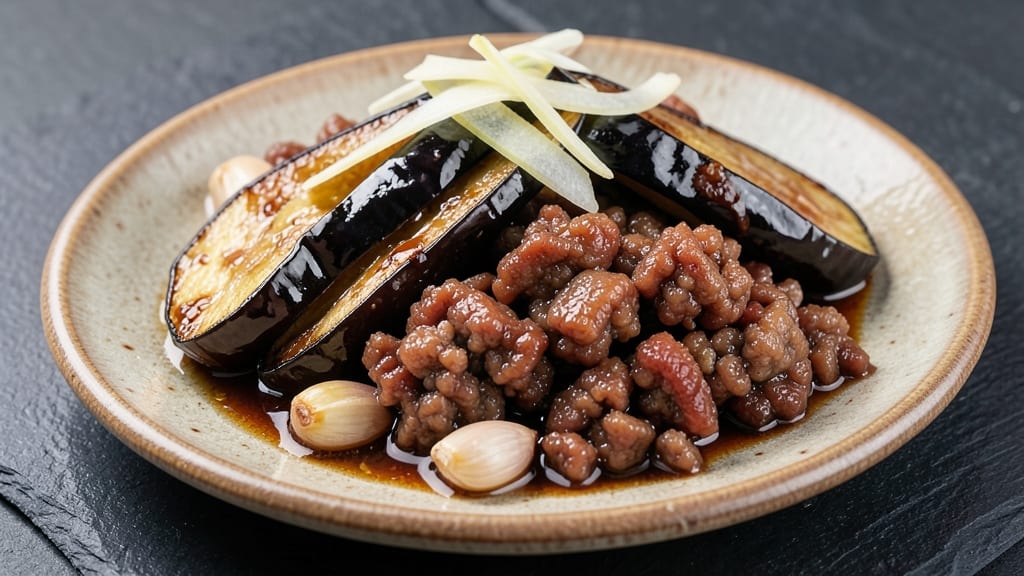
Chinese braised eggplant with minced pork transforms humble ingredients into a dish that feels like a hug from a bustling Shanghai kitchen. ✨ The secret lies in the balance—silky eggplant that melts in your mouth and tender pork that absorbs the rich, aromatic sauce. I first tasted this dish in a tiny family-run restaurant in Charleston, where the owner swore by slow-braising to develop deep, layered flavors without a single drop of oil wasted.
What makes this recipe special is its simplicity paired with professional technique. You'll start with a quick stir-fry to build flavor, then let the eggplant and pork braise in their own juices until fork-tender.
The sauce—sweet, salty, and umami-rich—coats every bite, creating a harmony that's both comforting and exciting. No fancy equipment needed, just patience and attention to timing.
By the time you're done, you'll have a dish that's restaurant-quality without the fuss: eggplant so tender it practically dissolves, pork that's juicy and flavorful, all swimming in a glossy sauce that's perfect with steamed rice or crusty bread. The aroma alone will have everyone gathering around your table.
This is the kind of dish that improves with leftovers—flavors deepen as the sauce reduces further. Serve it warm with a sprinkle of green onions for freshness, and you'll understand why this recipe has been a staple in Chinese home kitchens for generations. Let's get cooking!
Ingredients for chinese braised eggplant with minced pork
Pantry staples meet Asian market finds for this restaurant-worthy one-pot dish.
| Ingredient | Amount | Notes |
|---|---|---|
| Fresh Eggplant 🍆 | 2 lb | Asian or Japanese variety preferred |
| Ground Pork 🐖 | 1 lb | Freshly minced for texture |
| Garlic Cloves 🧄 | 8 cloves | Minced, aromatic base |
| Fresh Ginger 🌿 | ½ cup | Julienned, for zing |
| Light Soy Sauce 🥄 | ½ cup | Kikkoman preferred |
| Dark Soy Sauce 🥄 | 1 tbsp | For depth of flavor |
| Shaoxing Wine 🍷 | ¼ cup | Substitute dry sherry |
| Brown Sugar 🍯 | ¼ cup | Packed, for sweetness |
| Sesame Oil 🫒 | 1 tbsp | Toasted, for aroma |
| Green Onions 🧅 | ¼ cup | Sliced, for garnish |
| Cornstarch 🌾 | 1 tbsp | For thickening sauce |
| Vegetable Oil 🫒 | 1 tbsp | Light, for stir-fry |
| Salt 🧂 | ½ tsp | Adjust to taste |
| White Pepper 🌶️ | ¼ tsp | Freshly ground |
The eggplant is the star here—Asian varieties (long, slender, and glossy) hold up best to braising. Trader Joe's or H Mart usually carry them, but any eggplant works in a pinch. Look for firm, heavy ones—no soft spots. The pork should be freshly minced (not pre-ground), which makes all the difference in texture. Costco sells bulk pork shoulder that you can grind yourself if you're ambitious, but most grocery stores have pre-minced pork in the meat section. For the ginger, grab the freshest root you can find—Asian markets often have it in vibrant, plump pieces.
No Shaoxing wine? Dry sherry or even a splash of rice vinegar works in a squeeze. Substituting regular sugar for brown sugar? Add a pinch of cinnamon to mimic the molasses notes. The soy sauces are non-negotiable for that authentic umami punch—Kikkoman light soy is the gold standard, but any good-quality light and dark soy will do. For the sesame oil, toast it lightly in a dry pan first (30 seconds) to bring out its aroma before adding to the dish. The cornstarch slurry is key for that glossy, velvety sauce—don't skip it!
This dish tastes even better the next day as flavors meld. Store leftovers in an airtight container for up to 5 days in the fridge. For freezing, portion into single servings—it reheats beautifully with a splash of water. The eggplant absorbs the sauce like a sponge, so if you're serving it cold, garnish with extra green onions for freshness. Double the recipe? It freezes for 3 months—perfect for lazy weeknights.
Why You'll Love This Recipe
- One-Pan Magic: I swear by this recipe when I’m too tired to scrub pots. Slice the eggplant, brown the pork, toss in garlic and ginger—then let the stove do the work. The eggplant soaks up all that savory soy sauce while the pork stays juicy. Honestly? It’s the kind of dish that makes me feel like I actually cooked something.
- Umami Bomb: That first bite of tender eggplant with the crispy pork bits? Chef’s kiss. The ginger and garlic caramelize into something deep and aromatic, while the light soy sauce balances it all without overpowering. It’s the kind of flavor that lingers—perfect for when you crave something rich but not heavy.
- Leftover Goldmine: This dish tastes even better the next day, which is great because it’s so easy to double. I’ll make a big batch on Sunday, and by Wednesday, it’s still the star of my lunch. The eggplant holds up perfectly, and the pork stays flavorful—no sad, dry leftovers here.
- Budget Weeknight Win: Ground pork and eggplant are cheap staples that still feel special. I can feed four people for under $10, and it’s way more impressive than takeout. Plus, the ingredients are pantry-friendly—no fancy shopping required. Between us, this is my go-to when I need something reliable and delicious.
Step-by-step instructions for Chinese braised eggplant with minced pork
This one-pot wonder delivers tender eggplant and savory pork in a rich, aromatic sauce.
🍳 Step 1: Prep and Braise the Eggplant
Cut the 2 lb fresh eggplant into 1-inch cubes—no need to peel. Toss them in a large bowl with 1 tablespoon vegetable oil, 0.5 teaspoon salt, and 0.25 teaspoon white pepper. Mix until evenly coated. This step ensures the eggplant absorbs flavor and stays tender.
Heat a wok or deep skillet over medium heat and add the eggplant in a single layer. Let it cook undisturbed for 5 minutes until the edges start to soften and turn slightly golden. Stir gently to prevent sticking, then transfer to a plate. You want the eggplant to start cooking but not fully tender yet—it'll finish in the braise.
👨🍳 Step 2: Stir-Fry the Pork and Aromatics
In the same wok, add 1 tablespoon vegetable oil and increase heat to medium-high. Add the 1 lb ground pork and cook for 3-4 minutes, breaking it apart with a wooden spoon until it loses its raw color and turns golden brown. This step develops the pork's flavor and texture.
Push the pork to one side of the wok and add 1 tablespoon vegetable oil to the empty space. Add 8 cloves minced garlic cloves and 0.5 cup julienned fresh ginger, stirring for 30 seconds until fragrant. The garlic should sizzle and turn golden—don't let it burn. Add the pork back in and mix well to combine.
🥘 Step 3: Build the Braising Sauce
Pour in 0.5 cup light soy sauce, 1 tablespoon dark soy sauce, and 0.25 cup shaoxing wine. Stir well and let the mixture simmer for 2 minutes until it reduces slightly and clings to the pork. Here's where the magic happens—the soy sauces and wine create a deep, umami-rich base.
Add 0.25 cup packed brown sugar and stir until dissolved. The sauce should thicken slightly and turn glossy. If it's too thick, add 2 tablespoons water to loosen it. This step balances the flavors—sweet, salty, and savory all in harmony.
⏰ Step 4: Braise Until Silky and Tender
Return the eggplant to the wok and stir to combine with the pork mixture. Add 1 tablespoon cornstarch mixed with 2 tablespoons water to thicken the sauce. Bring to a gentle simmer and cover with a lid. Cook for 15-20 minutes on low heat, stirring occasionally, until the eggplant is fork-tender and the sauce has thickened to a glossy consistency.
Here's the thing—patience is key. The eggplant should be soft enough to pierce with a fork but still hold its shape. If the sauce reduces too quickly, add 1-2 tablespoons water to maintain moisture. The result should be silky eggplant with a rich, savory sauce clinging to every bite.
🍽️ Step 5: Finish and Serve
Remove from heat and stir in 1 tablespoon toasted sesame oil. The aroma will fill your kitchen—trust me, it's worth it. Garnish with 0.25 cup sliced green onions for freshness and color. Serve immediately over steamed rice to soak up every last bit of that delicious sauce.
This dish tastes even better the next day, so make extra if you can. The flavors meld and deepen, making each bite even more satisfying. Pair it with a crisp green salad or quick-pickled vegetables for a complete meal.
Pro Tips For Making Chinese Braised Eggplant With Minced Pork
- Parboil Eggplant First: Cut the eggplant into chunks, then boil it for 3-4 minutes before braising—this softens it faster and keeps it from turning mushy later. I learned this the hard way after serving rubbery eggplant that needed another 10 minutes of simmering to finish.
- Salt the Pork Twice: Mix the minced pork with 1 teaspoon salt before cooking, then add another pinch after the garlic and ginger—this balances the flavors without overpowering the dish. My grandmother swore by this, and she was right: the pork stays juicier this way.
- Low Heat After Frying: Once the pork and aromatics are cooked, drop the heat to medium-low and cover the pan—this lets the eggplant absorb the sauce without burning. After burning three batches, I finally figured out that patience here makes all the difference.
- Skip the Overcrowding: Fry the pork in batches if needed—packing the pan too tight steams the meat instead of browning it. Sounds weird, but it works: crispy pork bits add texture the lazy way (no extra oil needed) and cut cooking time by half.
Troubleshooting perfect results
Eggplant Too Watery?
If your eggplant releases too much water during cooking, it’s likely from underripe or overripe produce. I’ve found that Asian eggplant varieties (like the long, slender ones) handle braising better than globular types. Before cooking, pat the cubes dry with paper towels to remove excess moisture.
Also, salt the eggplant 10 minutes before cooking—place the cubed eggplant in a colander, sprinkle with ½ teaspoon salt, and let it sit while you prep the pork. This draws out water naturally. 💧
Pork Overcooked or Dry?
Ground pork can easily dry out if cooked too long or at high heat. The key is quick cooking—only 3-4 minutes over medium-high heat until just golden. If your pork turns rubbery, it’s likely been overworked.
Use freshly minced pork (not pre-ground) for better texture. For extra insurance, add 1 teaspoon cornstarch to the pork while stir-frying—it helps retain moisture. 🐖
Sauce Too Thin or Watery?
A thin sauce usually means the cornstarch slurry wasn’t incorporated properly or the heat was too low during braising. First, toast the cornstarch in a dry pan for 30 seconds before mixing with water to activate its thickening power.
If the sauce is still thin, simmer uncovered for an extra 2-3 minutes to reduce it. For a quick fix, mix ½ teaspoon cornstarch with 1 teaspoon cold water, stir into the sauce, and let it bubble for 1 minute. 🥄
Eggplant Still Crunchy?
Undercooked eggplant is usually the result of insufficient braising time or too much liquid in the pot. To fix this, cover the wok tightly with a lid and cook on low heat for an additional 5-10 minutes, stirring occasionally.
If the sauce is too watery, remove the lid and simmer uncovered for 2-3 minutes to evaporate excess liquid. For next time, parboil the eggplant for 3 minutes before stir-frying to jumpstart the cooking process. 🍆
Flavors Not Balanced?
If your dish tastes too sweet, salty, or bland, it’s likely an imbalance in the soy sauce, sugar, or Shaoxing wine. Taste as you go! For sweetness, adjust with ½ teaspoon at a time—brown sugar caramelizes quickly.
If it’s too salty, dilute with 1 tablespoon water and simmer to reduce. For depth, add ½ teaspoon white pepper or a pinch of MSG (if you have it) to amplify umami. 🌶️
Sauce Too Thick or Gluey?
A gluey sauce often means the cornstarch was overcooked or clumped. To fix it, stir in 1 tablespoon water and simmer gently until smooth. For next time, whisk the cornstarch slurry vigorously before adding to the wok and keep stirring constantly for 30 seconds after adding.
If the sauce is still too thick, thin with 1 tablespoon hot water from the pot. 💡
Nutrition facts
Frequently asked questions
Can I substitute ground pork with another meat?
For a leaner option, try ground chicken or turkey, but increase cooking time by 1-2 minutes to ensure tenderness. For richer flavor, ground beef works well—just reduce the cooking time slightly to avoid overcooking. If you're vegetarian, extra-firm tofu (pressed and cubed) mimics the texture beautifully when braised with the eggplant.
How do I know when the eggplant is perfectly tender?
The eggplant should be fork-tender—easy to pierce with a fork but still holding its shape. Press a cube gently; it should yield slightly without falling apart. If it's still crunchy, cover and cook for 5 more minutes on low heat. Overcooking turns it mushy, so keep an eye on it during the final 15-20 minutes of braising.
Can I make this dish ahead of time?
This dish actually improves with time! Store leftovers in an airtight container in the fridge for up to 5 days. The flavors deepen as the sauce reduces further. Reheat gently in a skillet with a splash of water to restore moisture. For freezing, portion into single servings—it reheats beautifully for up to 3 months. Just avoid freezing with the rice to prevent sogginess.
What's the secret to getting that glossy sauce?
The gloss comes from three key steps: toasting the cornstarch in a dry pan first, using both light and dark soy sauce, and simmering uncovered for the last 2-3 minutes to reduce. For extra shine, stir in 1 teaspoon toasted sesame oil at the very end. If your sauce is still dull, whisk in ½ teaspoon cornstarch mixed with 1 teaspoon water and simmer for 1 minute.
Can I use regular eggplant instead of Asian eggplant?
Yes, but you'll need to adjust the technique. Regular eggplant has more water content, so pat it very dry and salt it 10 minutes before cooking to draw out moisture. Cut it into slightly larger 1.5-inch cubes and reduce braising time to 12-15 minutes to prevent mushiness. The flavor will be similar, just slightly less delicate.