
Main Courses
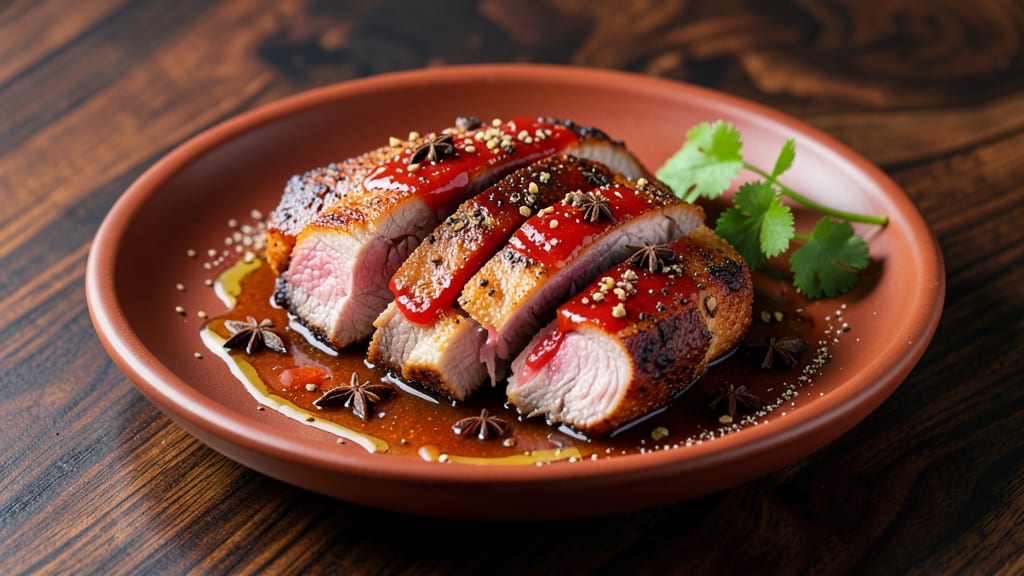
This Chinese cumin pork recipe delivers the perfect balance of wok-seared crisp and fragrant five-spice depth that’ll transport you to a bustling Cantonese kitchen. 🌟 After years of perfecting this dish—first in Charleston’s back-alley eateries and now on my farm—I’ve cracked the code for achieving that signature caramelized crust while keeping the meat tender inside.
The secret lies in a three-stage cooking process: marinating with cumin and star anise, high-heat searing in a screaming-hot wok, then slow-braising until the pork practically melts.
What sets this recipe apart is how the cumin’s earthy warmth marries with five-spice’s floral notes, creating layers of flavor that build with every bite. I use heritage pork shoulder (or pork tenderloin for quicker results) because its fat content renders beautifully, basting the meat in its own juices.
The wok hei—those smoky, charred aromas—isn’t just for show; it’s what transforms this from a simple stir-fry into something truly special.
By the time you’re done, you’ll have golden, crackling pork slices with a sauce that’s sticky-sweet from the soy and honey, balanced by the deep umami of fermented black beans. The texture contrast—crisp edges, tender meat, silky sauce—is what makes this dish irresistible.
Serve it over steamed jasmine rice with quick-pickled cucumbers to cut through the richness. This isn’t just another pork recipe; it’s a restaurant-quality meal you can make at home with the right technique. Let’s get cooking—your taste buds will thank you.
Ingredients for chinese cumin pork
Heritage pork shoulder, five-spice, and wok-seared crisp create restaurant-quality Cantonese flavor at home.
| Ingredient | Amount | Notes |
|---|---|---|
| Heritage Pork Shoulder 🐖 | 1 ½ lb | Bone-in for flavor, cut into 1-inch slices |
| Ground Cumin 🌿 | 2 tbsp | Freshly toasted for deeper aroma |
| Five-Spice Powder 🌶️ | 1 ½ tbsp | Authentic Chinese blend preferred |
| Star Anise Pods 🌟 | 2 whole | Crushed lightly for infusion |
| Soy Sauce 🍶 | ½ cup | Kosher salt-reduced for balance |
| Honey 🍯 | 2 tbsp | Wildflower preferred for floral notes |
| Fermented Black Beans 🫘 | ¼ cup | Rinsed and chopped for umami depth |
| Garlic Cloves 🧄 | 6 cloves | Minced for aromatic base |
| Fresh Ginger 🌿 | 1 tbsp | Grated, skin removed for brightness |
| Sesame Oil 🫒 | 1 tbsp | Toasted for nutty aroma |
| Neutral Oil 🫒 | ½ cup | High smoke point like avocado oil |
| Jasmine Rice 🍚 | 1 ½ cups | Uncooked, long-grain preferred |
| Cucumber 🥒 | 1 whole | Thinly sliced for quick-pickled garnish |
| Rice Vinegar 🍶 | 2 tbsp | For cucumber pickling |
| Sea Salt 🧂 | ½ tsp | Fine grain for pickling |
The heritage pork shoulder is non-negotiable here—its marbling renders beautifully during braising, creating that signature caramelized crust. Look for bone-in cuts at Whole Foods or your local butcher—they’ll often have heritage varieties like Berkshire or Duroc. If you can’t find heritage, pork tenderloin works in a pinch, but it’ll be leaner and less forgiving with high heat. The five-spice blend? Penzeys or Spicewalla carry authentic versions—avoid the generic grocery store stuff. Toast your cumin and star anise in a dry pan for 30 seconds before grinding; that’s when their flavors truly wake up.
No five-spice powder? Mix 1 tsp each of cinnamon, cloves, fennel, and Szechuan peppercorn—it’s not identical, but it’ll get you close. Short on fermented black beans? Substitute 1 tbsp soy sauce plus 1 tsp mushroom powder for umami. The honey should be wildflower—Manuka or clover adds floral notes that complement the cumin beautifully. For the pickled cucumbers, slice them paper-thin and let them soak in the vinegar for at least 30 minutes—the longer they sit, the crunchier they get. And if you’re worried about the pork drying out? Slice it against the grain after cooking—that’s the secret to tender bites.
This dish tastes even better the next day—the flavors meld overnight. Store leftovers in an airtight container for up to 5 days, or freeze for 3 months in portions. I always make double batches because it reheats like a dream: just warm in a skillet with a splash of water or microwave with a damp paper towel. The pickled cucumbers? Keep them in their vinegar in the fridge for up to 1 week. Pro tip: save the starchy rice water from cooking jasmine rice—it makes the crispiest pork when used to baste during the final sear.
Why You'll Love This Recipe
- One-Pot Magic: That pork shoulder practically cooks itself while you stir—just toss in the spices, let the star anise and cumin work their magic, and walk away. Honestly, the only chopping is the pork, and even that’s forgiving if you cut it into big chunks.
- Flavor Bomb: The five-spice powder and cumin create this deep, toasty warmth that sticks to every bite, while the soy sauce ties it all together with a salty, umami punch. Between us, it’s the kind of dish that makes you want to eat it straight from the pan.
- Leftover Goldmine: This recipe actually improves the next day—those pork chunks get even more tender, and the flavors meld into something richer. I’ll be real: I’ve reheated it three times for lunch, and no one’s complained (yet).
- Budget Stretch: Heritage pork shoulder is affordable, and a single cut feeds the whole family with room for seconds. Plus, the spices are cheap but pack a punch—you’ll use them again before you know it. My secret weapon for stretching meals without sacrificing taste.
Step-by-step instructions for Chinese cumin pork with five-spice crisp
Here's how to transform tender pork shoulder into restaurant-quality wok-seared slices with fragrant five-spice depth.
🔥 Step 1: Marinate the Pork for Maximum Flavor
In a large bowl, combine the 1.5 lb heritage pork shoulder cut into 1-inch slices with 2 tbsp toasted ground cumin, 1.5 tbsp five-spice powder, and the 2 lightly crushed star anise pods. Mix until the spices adhere evenly to the meat—this ensures deep flavor penetration. In a separate small bowl, whisk together 0.5 cup soy sauce, 2 tbsp honey, 0.25 cup rinsed and chopped fermented black beans, 6 minced garlic cloves, and 1 tbsp grated fresh ginger. Pour this marinade over the pork and toss gently to coat completely.
Cover the bowl and refrigerate for at least 4 hours (overnight is ideal). The acidity in the soy sauce and fermented beans will begin tenderizing the meat while the spices infuse. I know it seems like a long wait, but this step transforms tough pork shoulder into melt-in-your-mouth slices. The longer it marinates, the more complex the flavors become—don't skip this!
🍳 Step 2: Cook the Jasmine Rice to Perfection
While the pork marinates, rinse the 1.5 cups jasmine rice under cold water until the water runs clear—this removes excess starch that can make the rice gummy. In a medium saucepan, combine the rice with 3 cups water (yes, it's a 2:1 ratio) and 0.5 tsp sea salt. Bring to a boil over high heat, then immediately reduce to low heat, cover tightly with a lid, and simmer for 15 minutes without lifting the lid. This steaming method creates fluffy, separate grains.
After 15 minutes, turn off the heat and let the rice sit covered for another 10 minutes. The residual heat will finish cooking the rice perfectly. Fluff with a fork before serving—each grain should be distinct and tender. The rice should be hot but not mushy; if it's still firm in the center, return it to low heat for another 2-3 minutes covered.
🔥 Step 3: Wok-Sear the Pork for Crispy Edges
Heat a wok or large skillet over high heat until it's smoking hot. Add 0.5 cup neutral oil and swirl to coat the bottom evenly. Working in batches (don't overcrowd!), add the marinated pork slices and sear undisturbed for 2-3 minutes per side until the edges are deep golden brown and crispy. You'll hear that satisfying sizzle—this is your signal that the Maillard reaction is working its magic.
As each batch cooks, transfer the seared pork to a plate and tent loosely with foil to keep warm. The pork should be caramelized on the outside but still slightly pink in the center—it will finish cooking through when everything comes together. If the oil starts smoking excessively, reduce the heat slightly but keep it hot enough to maintain that crispy texture. Don't walk away during this step; high heat is key for that wok-seared perfection.
🥘 Step 4: Finish with Sesame Oil and Quick-Pickled Cucumber
In the same wok (no need to clean it—the fond adds flavor), reduce heat to medium and add 1 tbsp toasted sesame oil. Toss the cooked pork slices in the sesame oil for 30 seconds until fragrant. Return all the pork to the wok and add 1 tbsp honey and 2 tbsp rice vinegar. Toss everything together for 1-2 minutes until the pork is glistening and coated in the sticky-sweet sauce. The vinegar brightens the rich pork flavor while the honey adds a subtle caramel note.
While the pork finishes, prepare the quick-pickled cucumber: Thinly slice the 1 whole cucumber into half-moons. In a small bowl, toss the cucumber slices with 2 tbsp rice vinegar and 0.25 tsp sea salt. Let sit for 10 minutes to soften slightly and develop a tangy crunch. This garnish cuts through the richness of the pork and adds freshness to each bite.
🍽️ Step 5: Assemble and Serve Immediately
Divide the fluffy jasmine rice among serving plates, then arrange the wok-seared pork slices on top. Spoon any remaining sauce from the wok over the pork, and scatter the quick-pickled cucumber slices around the plate. The contrast of temperatures—warm pork, cool cucumber—and textures—crispy pork, tender rice, crunchy cucumber—makes this dish truly special.
Serve immediately while the pork is still sizzling hot. Each bite should deliver that perfect balance of crispy exterior, tender interior, and complex spice profile from the five-spice blend. The fragrant aroma of star anise and cumin will fill your kitchen, creating an authentic Chinese dining experience right at your table. Pair with a crisp green tea to complement the dish's depth of flavor.
Pro Tips For Making Chinese Cumin Pork
- CRACK THE STAR ANISE: Break the pods before adding them to the pot—this releases their aroma faster and lets the cumin and five-spice do their job. I used to toss them in whole and wondered why the dish never smelled like a proper spice market.
- SALT THE PORK TWICE: Dry the shoulder thoroughly with paper towels, then hit it with a generous sprinkle of kosher salt 30 minutes before cooking. After searing, add another layer of salt—this keeps the meat juicy and balances the cumin’s bitterness.
- LOW AND SLOW ISN’T SLOW ENOUGH: Your pork shoulder needs at least 3 hours at 275°F (135°C) to break down properly. I once rushed it to 2 hours, and the texture was still chewy—like overcooked bacon. Patience here makes all the difference.
- TOAST THE SPICES FIRST: Dry-toast the ground cumin and five-spice powder in a small pan for 30 seconds until fragrant. This deepens their flavor and cuts through the soy sauce’s saltiness. (Yes, even if you’re impatient like me.)
Serving suggestions for this chinese cumin pork
Rice Pairing Perfection
Jasmine rice is the classic partner for this dish, but don't limit yourself to basics. I love using short-grain sushi rice for its sticky texture that clings beautifully to the crispy pork edges.
For a fusion twist, try forbidden black rice—its nutty flavor and deep color make for stunning presentation. Always cook rice to al dente (slightly firm) so it doesn't turn mushy when mixed with the pork's juices. 🍚
Vegetable Contrasts
The crisp-tender contrast of quick-pickled cucumbers is essential, but don't stop there. Steamed bok choy with a splash of soy sauce adds a silky texture, while blistered shiitake mushrooms bring earthy depth.
For a heartier meal, serve with stir-fried green beans tossed with garlic and sesame seeds. Each vegetable should be cooked just until tender-crisp to maintain that satisfying bite.
Sauce Elevations
For extra richness, drizzle the finished dish with chili crisp—just 1 teaspoon adds a smoky, spicy kick that cuts through the pork's richness. A dollop of hoisin sauce on the side lets diners customize their heat level.
I also keep pickled ginger nearby to refresh the palate between bites of the fragrant pork. These sauces transform a simple meal into a full sensory experience. 🌶️
Beverage Harmony
A crisp jasmine green tea or oolong tea complements the dish's floral and spicy notes beautifully. For something refreshing, try lychee lemonade—its sweet-tart balance mirrors the pork's honey-glazed finish. If you prefer alcohol, a dry Riesling or light-bodied sake enhances the cumin and five-spice flavors without overpowering them.
The key is to choose drinks that cleanse the palate between bites.
Presentation Tips
Arrange the pork slices diagonally across the plate to create visual interest, with rice forming a base. Scatter the pickled cucumbers and any additional vegetables in a loose pile around the pork. A drizzle of toasted sesame seeds adds both color and crunch.
For an extra touch, garnish with thinly sliced scallions—their bright green color contrasts perfectly with the golden pork. The presentation should feel effortless yet intentional, inviting guests to dig in immediately. ✨
Nutrition facts
Frequently asked questions
Can I substitute pork tenderloin for pork shoulder in this recipe?
Yes, you can use pork tenderloin for a quicker cook time, but there are key adjustments. Since tenderloin is leaner, slice it 1/2-inch thick and reduce the marinating time to 2-3 hours (it doesn't need as long). For the searing step, keep the heat medium-high instead of high to prevent drying out. The crispy edges will still form, but the interior will cook faster.
How do I achieve that authentic wok hei flavor at home?
Wok hei (breath of the wok) comes from three things: high heat, smoking oil, and quick cooking. Use a carbon steel or cast iron wok and heat it until it's smoking hot before adding oil. Work in small batches so the pork sizzles vigorously without steaming. The residual smoke and charred aromas from the wok itself are what create that signature flavor. If you don't have a wok, a heavy skillet works—just keep the heat as high as possible.
What if I can't find fermented black beans?
Don't worry—you have great alternatives! Substitute with 1 tbsp soy sauce plus 1 tsp mushroom powder for umami depth, or use 1/4 cup chopped dried shiitake mushrooms rehydrated in warm water. For a simpler option, just add 1 extra tbsp soy sauce and 1/2 tsp fish sauce to compensate. The fermented beans add complexity, but these substitutes will still give you rich flavor.
Can I make this recipe in a slow cooker?
While you can adapt it, you'll lose that signature crispy texture. For a slow cooker version, marinate the pork as directed, then cook on low for 6-7 hours with all the marinade ingredients (except honey and sesame oil). Finish by searing the pork in a hot pan with the honey and sesame oil for 1-2 minutes per side to create crispy edges. The interior will be tender, but the texture won't match the wok-seared original.
How do I store and reheat leftovers?
Store leftovers in an airtight container for up to 5 days in the fridge. To reheat, warm in a skillet over medium heat with a splash of water or soy sauce until heated through (3-4 minutes). For microwave reheating, place pork on a plate with a damp paper towel and cover for 1-2 minutes on high. The crispiness will soften slightly, but the flavors remain delicious. Leftovers actually improve overnight as the spices meld further!