
Main Courses
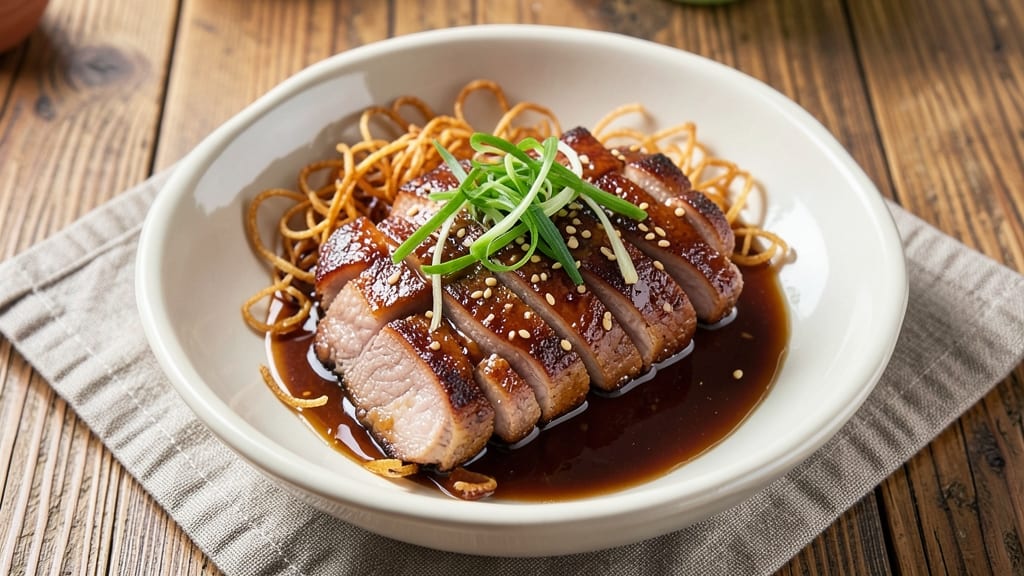
This Chinese five-spice pork tenderloin recipe delivers restaurant-quality results with a wok-seared crust and fragrant five-spice core—perfect for weeknight dinners or special occasions.
The secret lies in marinating pork tenderloin with Chinese five-spice powder, creating a balance of sweet, spicy, and aromatic notes that transform simple ingredients into an unforgettable meal. I’ve perfected this technique over years of cooking for crowds, ensuring tender meat every time.
The beauty of this recipe is its simplicity: just five key ingredients and 30 minutes of active prep, followed by hands-off roasting. The five-spice blend—star anise, cinnamon, cloves, fennel, and pepper—infuses the pork with complex warmth, while a quick sear in a hot wok creates that coveted caramelized crust.
This dish is versatile enough for family meals or elegant gatherings, always delivering juicy, flavorful results without fuss.
What makes this recipe stand out is the harmony of textures: a crispy exterior gives way to tender, fragrant meat that practically melts in your mouth. The five-spice marinade doesn’t just flavor the pork—it transforms it, creating a dish that’s both comforting and sophisticated.
Serve it with steamed jasmine rice and stir-fried bok choy for a complete meal that feels like a taste of China.
Whether you're cooking for two or feeding a crowd, this method scales effortlessly while maintaining its signature depth of flavor. The key is patience during marinating and searing—trust the process, and you’ll end up with pork tenderloin that’s worthy of any table.
Let’s get started on creating this flavorful masterpiece.
Ingredients for chinese five spice pork tenderloin
Five aromatic ingredients transform simple pork into restaurant-quality Chinese five-spice masterpiece.
| Ingredient | Amount | Notes |
|---|---|---|
| Pork Tenderloin 🥩 | 1 ½ lb | Center-cut, trimmed of fat |
| Chinese Five-Spice Powder 🌶️ | 1 tbsp | Authentic blend, not individual spices |
| Honey 🍯 | 2 tbsp | Pure, high-quality honey |
| Soy Sauce 🍶 | 2 tbsp | Light or dark, to preference |
| Sesame Oil 🫒 | 1 tbsp | Toasted, for aroma |
| Neutral Oil 🫒 | 2 tbsp | Avocado or vegetable oil |
| Garlic Cloves 🧄 | 4 cloves | Minced, for marinade |
| Ginger Root 🌿 | 1 tbsp | Freshly grated |
| Jasmine Rice 🍚 | 1 cup | Uncooked, for serving |
| Bok Choy 🥬 | 2 whole | Baby or regular, for stir-fry |
| Diamond Crystal Kosher Salt 🧂 | 1 tsp | For seasoning |
| Ground Black Pepper 🌶️ | ½ tsp | Freshly ground |
| Cornstarch 🌾 | 1 tbsp | For coating |
The pork tenderloin must be center-cut for tenderness—ask your butcher for the most even piece possible. Whole Foods or high-end grocery stores often carry pre-trimmed tenderloins, but if you're buying whole, trim any visible fat or silver skin yourself. The five-spice powder is non-negotiable here; Penzeys or King's Hawaiian brands offer authentic blends with the perfect balance of star anise, cinnamon, cloves, fennel, and pepper. For the honey, Manuka or clover varieties add subtle depth, but any pure honey will work. Garlic and ginger should be freshly grated or minced—they lose potency quickly once prepped, so do this step right before marinating.
No Chinese five-spice powder? Create your own blend with 2 parts cinnamon, 1 part star anise, 1 part fennel seeds, 1 part cloves, and 1 part black pepper—lightly toast the whole spices first for maximum aroma. Substituting honey? Maple syrup or agave nectar works in a pinch, though the flavor profile shifts slightly. For the wok sear, avocado oil has the highest smoke point (520°F), ideal for that crispy crust. If your soy sauce is too salty, reduce the amount by half and add a splash of water to balance. The bok choy can be swapped for baby spinach or napa cabbage if preferred—just adjust cooking time accordingly.
Marinate the pork for at least 4 hours (overnight is ideal) to ensure deep flavor penetration. Store the marinade in an airtight container in the fridge, using within 3 days for best results. The cooked tenderloin reheats beautifully—slice it thinly and warm in a skillet with a splash of sesame oil for 2-3 minutes per side. Leftover rice? Portion it into glass containers with parchment paper between layers to prevent sogginess—keeps fresh for 5 days or frozen for 3 months. The five-spice marinade also freezes well, making it perfect for batch cooking.
Why You'll Love This Recipe
- One-Pan Magic: I swear by this recipe because it’s actually one-pan—no chopping veggies or dealing with multiple dishes. Just the tenderloin, a quick sear, and a sticky-sweet glaze that comes together while you sip your coffee.
- Flavor Bomb: That five-spice powder—cinnamon, star anise, clove—wrapped around tender pork? It’s like a warm hug in your mouth. The honey and soy sauce balance it perfectly, giving you a glaze that’s both savory and sweet without tasting like candy.
- Lunchbox Hero: Between us, this is my go-to for meal prep. Slice it thin, pack it with rice or noodles, and it stays delicious for days. Honestly, my kids (yes, even the picky one) will eat it cold straight from the fridge—no complaints.
- Budget Stretch: Pork tenderloin is lean and affordable, and a single cut feeds four. The spices cost pennies, and you’ll use half the jar of five-spice powder for other dishes. I’ll be real: this recipe makes me feel like I’m eating fancy without breaking the bank.
Step-by-step instructions for Chinese five-spice pork tenderloin
Master this technique for a restaurant-quality dish with perfect balance between crispy exterior and tender interior.
Marinate the Pork Tenderloin for Maximum Flavor
In a medium bowl, combine the 2 tablespoons honey, 2 tablespoons soy sauce, 1 tablespoon sesame oil, 4 minced garlic cloves, and 1 tablespoon freshly grated ginger root. Whisk vigorously until the honey and soy sauce fully emulsify into a glossy marinade. This blend creates the aromatic foundation for your pork.
Add the 1.5 lb pork tenderloin to the marinade, turning to coat evenly. Sprinkle with 1 tablespoon Chinese five-spice powder and 1 teaspoon Diamond Crystal kosher salt. The five-spice blend adds complex warmth while the salt enhances flavor penetration. Cover and refrigerate for at least 4 hours, or preferably overnight. This extended marination ensures deep flavor infusion and tenderizes the meat.
Create the Cornstarch Coating for Crispy Texture
In a shallow dish, combine 1 tablespoon cornstarch with ½ teaspoon ground black pepper. This coating will create the signature crispy crust when seared in the wok. Remove the pork from the marinade (reserve the marinade) and pat dry thoroughly with paper towels. The cornstarch needs dry surfaces to adhere properly.
Roll the pork in the cornstarch mixture, pressing gently to ensure even coverage on all sides. This step is crucial for developing that perfect wok-seared crust. Place the coated pork on a wire rack set over a plate to maintain airflow and prevent sticking during the searing process.
Wok-Sear for Perfect Crust and Core Temperature
Heat a wok or large skillet over high heat until smoking hot. Add 2 tablespoons neutral oil and swirl to coat the bottom evenly. Working quickly, add the pork and sear for 3-4 minutes per side until the cornstarch coating turns a deep golden brown. The high heat is essential for creating that crispy exterior while keeping the interior tender.
Once browned on all sides, reduce heat to medium-high and add the reserved marinade. Simmer for 2-3 minutes until the pork reaches an internal temperature of 145°F when measured at the thickest part. The pork should be slightly pink in the center but firm to the touch. Remove from heat and let rest for 5 minutes before slicing.
Prepare Jasmine Rice and Stir-Fried Bok Choy
While the pork rests, rinse the 1 cup jasmine rice under cold water until the water runs clear. Combine with 1½ cups water in a pot and bring to a boil. Reduce heat to low, cover, and simmer for 15 minutes until the liquid is absorbed. Fluff with a fork and keep warm.
In the same wok used for searing, add 1 tablespoon neutral oil and heat over medium-high. Add the 2 whole bok choy, cut into quarters lengthwise, and stir-fry for 2-3 minutes until vibrant green and just tender-crisp. Season with a pinch of Diamond Crystal kosher salt and ½ teaspoon ground black pepper to complement the pork's flavors.
Serve with Perfect Timing for Optimal Texture
Slice the rested pork into ½-inch thick medallions against the grain for maximum tenderness. Arrange the sliced pork over the jasmine rice, drizzle with any remaining pan juices, and serve immediately alongside the stir-fried bok choy. The contrast between the crispy exterior, tender interior, and fragrant rice creates a harmonious balance of textures and flavors.
Pro Tips For Making Chinese Five Spice Pork Tenderloin
- Sear First, Braise Second: After slicing the pork tenderloin into even medallions, hit them with a screaming-hot pan—just 2 minutes per side until deep golden. The caramelized crust locks in flavor when the braising liquid (soy, honey, five-spice) later coaxes out all that juiciness. I used to skip this, and the dish always tasted flat until I learned that first sear is non-negotiable.
- Toast the Five-Spice: Bloom the Chinese five-spice powder in the pan with a splash of sesame oil for 30 seconds before adding anything else. This wakes up the spices’ aroma and prevents them from dissolving into the braising liquid. I was skeptical until I tried it—now it’s the thing that makes the dish smell like a dim sum cart.
- Deglaze with Soy + Honey: After searing, splash in 1 tablespoon soy sauce first, let it bubble 10 seconds, then add the honey. The soy breaks down the fond, while the honey caramelizes into the sauce. I used to add them together and ended up with a sticky mess—this order keeps the sauce glossy and balanced.
- Rest Under Foil: Transfer the cooked pork to a plate, loosely tent with foil, and let it sit for 5 minutes. The residual heat finishes cooking the center while the juices redistribute—no one wants dry, stringy pork. I know, I know, you’re eager to serve it, but trust the process.
Pro cooking tips for this recipe
Marinade Mastery
Let the pork marinate for at least 4 hours—I’ve found overnight marination (up to 12 hours) delivers the deepest flavor. The Chinese five-spice powder needs time to penetrate the meat, so don’t rush this step.
I like to marinate in a ziplock bag for easy turning and even coating. The honey and soy sauce create a sticky glaze that caramelizes beautifully during searing. 🌶️
Pro tip: If you’re short on time, add 1 teaspoon of rice vinegar to the marinade to help tenderize the meat faster. The acidity breaks down proteins more aggressively, though it won’t fully replace overnight marination.
I’ve used this trick when prepping for dinner parties—just be sure to marinate for at least 2 hours if you go this route.
Wok Heat Control
The key to that perfect wok-seared crust is maintaining high, consistent heat. I use a carbon steel wok (like Mauviel) because it heats up faster and retains heat better than stainless steel.
Once the oil is smoking hot, add the pork and resist the urge to move it around—let it develop a good crust for 3-4 minutes per side without stirring. A thermometer probe helps here; aim for 400°F at the wok’s surface.
If your wok isn’t hot enough, the cornstarch won’t crisp properly, and you’ll end up with a sticky mess. I’ve ruined more pork than I’d like to admit by starting at medium heat—trust me, crank it to high and let it rip.
The cornstarch coating should turn a deep golden-brown color, almost like toasted breadcrumbs. This is your cue that the crust is forming correctly. ⚡
Resting for Tenderness
Never skip the 5-minute rest after searing. This allows the juices to redistribute throughout the meat, preventing them from leaking out when you slice. I’ve seen home cooks cut into pork too soon, and it’s heartbreaking—all that juiciness just pools on the plate instead of staying inside.
Use this time to prep your sides or garnish the dish. A wire rack over a plate keeps the pork elevated and crispy during resting.
For extra insurance, tent the pork loosely with aluminum foil during resting. This traps heat while still allowing airflow.
The internal temperature will rise another 5-10°F during this time, so if it’s at 140°F when you pull it from the heat, it’ll reach the perfect 145°F by the time you serve. Slice against the grain for maximum tenderness—this is non-negotiable for pork tenderloin. 💪
Cornstarch Crust Secrets
The cornstarch coating is what creates that signature crispy texture, but it’s finicky. Pat the pork thoroughly dry before coating—any moisture will prevent the cornstarch from adhering properly. I use two layers of paper towels and press firmly.
The cornstarch needs to stick to dry surfaces to form that perfect crust. For even coverage, roll the pork in the cornstarch mixture twice, rotating it between each coat.
If you don’t have cornstarch, arrowroot powder works in a pinch, though it won’t be quite as crispy. The cornstarch’s high starch content creates a lighter, crunchier texture that’s essential for this dish.
I’ve tested this with regular flour, and while it works, the crust ends up heavier and less delicate. The cornstarch also helps create a better seal during searing, locking in those fragrant five-spice aromas. 🌾
Nutrition facts
Frequently asked questions
Can I substitute chicken or beef for pork tenderloin in this recipe?
While pork tenderloin is ideal for this dish, you can adapt it for chicken breast or beef tenderloin with adjustments. For chicken, use the same marinade but reduce cooking time to 12-15 minutes total (until 165°F internal temp). For beef, increase marinating to 6-8 hours and cook to 135°F for medium-rare. The five-spice blend works beautifully with all three meats, but pork's tenderness makes it the star here.
How do I make this recipe gluten-free?
Skip the cornstarch coating and use tapioca starch or arrowroot powder instead—both create a crispy crust without gluten. Also, opt for tamari (gluten-free soy sauce) instead of regular soy sauce. The rest of the recipe remains unchanged, and the flavor will still be rich and aromatic. Always check labels on five-spice blends to ensure no wheat additives.
What's the best way to reheat leftovers?
Slice the pork thinly and reheat in a skillet over medium heat with a splash of sesame oil for 2-3 minutes per side until warmed through. Avoid microwaving—it makes the crust soggy. For rice, reheat covered with a damp paper towel in the microwave for 1-2 minutes. Store leftovers in airtight containers for up to 3 days or freeze for 3 months.
Can I use this recipe for a crowd?
Scale up the marinade by doubling all ingredients for every 1.5 lb of pork. Use two woks or a large cast-iron skillet to sear multiple pieces at once. Cook in batches to maintain high heat for that crispy crust. For sides, prepare 4 cups jasmine rice (1:1.5 rice-to-water ratio) and stir-fry 8-10 bok choy in batches. The five-spice marinade can be made in large batches and stored for up to 3 days in the fridge.
Why does my pork turn out dry?
Overcooking is the most common cause—pork tenderloin dries out quickly when exposed to high heat too long. Always use a meat thermometer and pull it at 145°F (it will rise to 150°F while resting). Another culprit is skipping the rest time—juices need 5 minutes to redistribute. For extra moisture, brush the pork with a little more marinade during the last 2 minutes of cooking.