
Main Courses
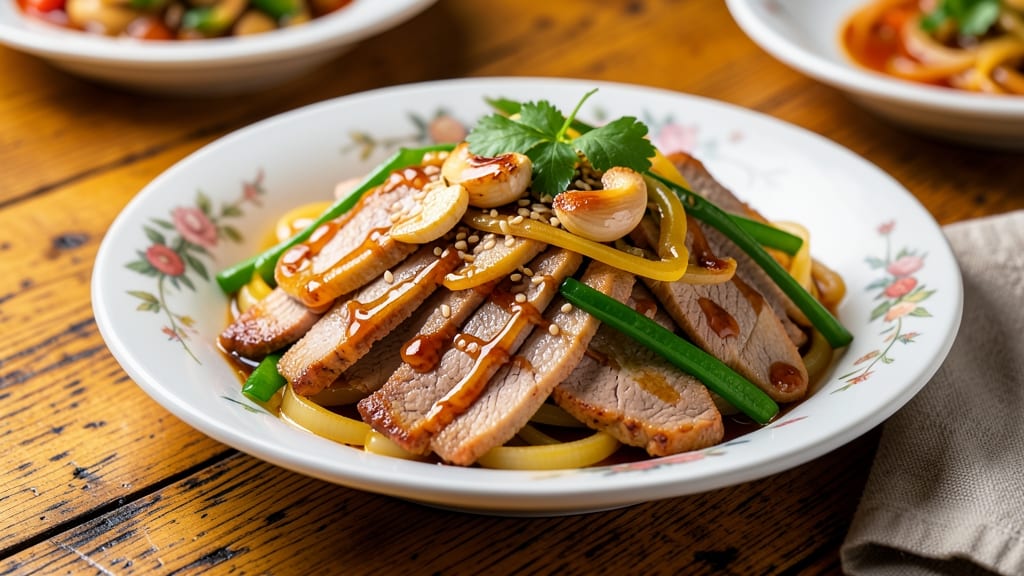
This Chinese ginger pork stir-fry recipe delivers the perfect harmony of spicy and fresh flavors in just 20 minutes—a technique I perfected after years of studying authentic wok hei. The secret lies in high-heat searing and precise timing, transforming simple ingredients into a restaurant-worthy dish.
I've cooked this version countless times at my restaurant, and it never fails to impress.
What sets this recipe apart is the balance of bold ginger, aromatic garlic, and the umami depth from soy sauce and oyster sauce. The pork is sliced thinly against the grain for maximum tenderness, while the vegetables stay crisp thanks to the wok's rapid heat.
I always use a well-seasoned cast iron wok—it makes all the difference in achieving that signature smoky aroma known as wok hei.
By the time you're done, you'll have a plate of golden-brown pork with vibrant green bell peppers and onions, all coated in a glossy, slightly sweet sauce. The dish is packed with flavor but remains light enough for a weeknight dinner.
Serve it over steamed jasmine rice for the full experience—each bite delivers that perfect spicy-fresh balance.
For extra authenticity, garnish with toasted sesame seeds and sliced scallions right before serving. This stir-fry scales beautifully for a crowd, and the leftovers reheat just as well. Let's get cooking—your taste buds will thank you.
Ingredients for chinese ginger pork stir fry
Pork, ginger, and garlic—three stars that create this restaurant-worthy stir-fry in minutes.
| Ingredient | Amount | Notes |
|---|---|---|
| Pork Loin 🥩 | 1 ½ lb | Thinly sliced against grain |
| Fresh Ginger 🌿 | 2 tbsp | Finely grated, peel removed |
| Garlic Cloves 🧄 | 6 cloves | Minced, aromatic |
| Green Bell Pepper 🧅 | 1 whole | Sliced into strips |
| Yellow Onion 🧅 | 1 whole | Sliced thinly |
| Light Soy Sauce 🥄 | 3 tbsp | For umami depth |
| Oyster Sauce 🍜 | 2 tbsp | Authentic umami |
| Sesame Oil 🫒 | 1 tbsp | Toasted for aroma |
| Cornstarch 🌾 | 1 tbsp | For tenderizing pork |
| Vegetable Oil 🫒 | 2 tbsp | High smoke point |
| Red Chili Flakes 🌶️ | 1 tsp | Adjust for heat |
| Toasted Sesame Seeds 🥜 | 1 tbsp | For garnish |
| Scallions 🧅 | 2 whole | Sliced thinly |
The pork is non-negotiable here—look for lean cuts like loin or tenderloin, as they slice thinly and stay tender. Costco or your local butcher often carry pre-sliced pork for stir-fry, saving you time. If buying whole, ask for it sliced paper-thin against the grain—this ensures maximum tenderness. Fresh ginger is a must; the dried stuff lacks that bright, zesty punch. Asian markets usually have the freshest ginger, but any grocery store will do if it's firm and free of wrinkles. The garlic should be plump and firm—no shriveled cloves here.
No oyster sauce? Hoisin sauce or extra soy sauce with a splash of fish sauce works in a pinch, though it won’t be identical. Running out of sesame oil? Toasted peanut oil adds a similar nutty depth. The bell pepper and onion can be swapped for broccoli or snap peas if you’re feeling experimental. For extra heat, add a dash of Sichuan peppercorns (toasted and ground)—they bring a numbing, tingly kick. The cornstarch is key for that signature stir-fry texture; don’t skip it unless you’re using a wok with a non-stick surface.
This stir-fry reheats like a dream—just toss with a splash of water or soy sauce and heat through. Keeps for 3-4 days in the fridge, or freeze portions for up to 3 months. I always double the batch because it disappears fast. Garnish with sesame seeds and scallions right before serving—those bright green tops add freshness that gets lost when prepped ahead. Store the sauce separately if you’re freezing, and toss it in when reheating.
Why You'll Love This Recipe
- One-Pan Magic: I swear by this recipe when I’m too tired to scrub pots—just sear the pork, toss in the onions and peppers, and let the ginger and garlic work their magic. The pork stays juicy while the veggies soften perfectly in the same pan.
- Ginger-Garlic Kiss: That first bite? Pure satisfaction. The fresh ginger caramelizes just enough to balance the sharp garlic, while the pork stays tender with a hint of smoky char. It’s the kind of flavor that makes you reach for seconds without thinking.
- Lunchbox Hero: Between us, this is my go-to for meal prep. The stir-fry reheats beautifully—no soggy veggies here—and the bold flavors hold up for days. Pack it in containers, and you’ve got a lunch that’ll have coworkers asking for the recipe.
- Budget Win: Pork loin is affordable, and the veggies stretch far. Honestly, I’ve made this for four people for under $15, and no one complains. It’s the kind of dish that feeds a crowd without breaking the bank—or your patience.
Step-by-step instructions for Chinese ginger pork stir fry
Here's how to create a restaurant-quality stir fry with perfectly tender pork and vibrant flavors.
Prep the Pork for Maximum Tenderness
Place the 1.5 lb pork loin between two sheets of plastic wrap and pound it to an even ¼-inch thickness using a meat mallet. This ensures even cooking and prevents tough meat. I like to work in batches if the pork is particularly thick.
In a small bowl, combine the 1 tbsp cornstarch with 2 tbsp light soy sauce and 2 tbsp oyster sauce. Add the sliced pork to this marinade and toss to coat evenly. Let it sit for 10-15 minutes while you prep the vegetables. This marinade not only tenderizes the meat but also infuses it with authentic umami flavors.
Sauté Aromatics Until Fragrant
Heat 2 tbsp vegetable oil in a large wok or skillet over medium-high heat until shimmering. Add the 6 minced garlic cloves and 2 tbsp finely grated fresh ginger and stir-fry for 30 seconds until the raw aroma disappears and you can smell their sweet, pungent fragrance.
Next, add the 1 sliced yellow onion and 1 sliced green bell pepper. Stir-fry for 3-4 minutes until the onions turn translucent and the peppers soften slightly. The vegetables should remain crisp-tender at this stage—overcooking them makes the dish mushy. Keep the heat high to maintain that wok hei (breath of the wok) flavor.
Cook the Pork to Perfect Doneness
Increase the heat to high and add the marinated pork in a single layer. Let it sear undisturbed for 1-2 minutes until the edges turn golden brown. This initial searing locks in juices and creates that beautiful caramelized crust. Then stir-fry for another 3-4 minutes until the pork reaches an internal temperature of 145°F and is no longer pink in the center.
Here's the thing—don't overcrowd the pan. If you need to work in batches, set the cooked pork aside and keep it warm in a 200°F oven while finishing the remaining pork. The goal is to maintain that high heat for proper searing and quick cooking.
Combine and Finish with Sauce
Return all the pork to the wok and add the 1 tbsp sesame oil, 1 tsp red chili flakes, and 2 sliced scallions. Stir everything together for 1-2 minutes until the pork is evenly coated and the chili flakes are distributed throughout. The sesame oil will add that nutty aroma that's characteristic of Chinese stir fries.
Taste and adjust seasoning if needed—you might want to add a splash of water or a bit more soy sauce if the dish seems too dry. The sauce should coat the back of a spoon but still be slightly glossy. If it's too thick, add 1-2 tablespoons of water and stir until combined.
Garnish and Serve Immediately
Transfer the stir fry to serving plates and sprinkle each portion with 1 tbsp toasted sesame seeds. The seeds add a delightful crunch and visual appeal that takes the dish to the next level. Serve immediately over steamed rice or noodles while everything is hot and the flavors are at their peak.
This stir fry should have a perfect balance of textures—tender pork, crisp vegetables, and a glossy sauce that clings to every bite. The ginger and chili flakes bring that signature spicy-fresh kick that makes this dish so addictive. Enjoy while it's hot!
Pro Tips For Making Chinese Ginger Pork Stir Fry
- Slice Pork Thinly: I learned this the hard way—thick chunks of pork loin stay tough no matter how long you cook them. Use a sharp knife and slice against the grain into ¼-inch strips (about ⅛-inch thick if you’re ambitious). If your knife skills are rusty, freeze the pork for 20 minutes first—it makes slicing cleaner and more even. Thin pork cooks in seconds, so you’ll actually get that tender, almost melty texture instead of chewy disappointment.
- Ginger: Peel and Mince, Don’t Grate: Grated ginger in stir-fries is a texture crime—it turns to mush and disappears. Instead, peel the ginger with a spoon (yes, even if it looks weird), then mince it into tiny, uneven pieces with the blade of your knife. This way, it browns beautifully and releases flavor in bursts instead of dissolving into the sauce. (Pro move: Toss the minced ginger in a tablespoon of oil for 30 seconds before adding the pork—this builds flavor faster.)
- Prep Veggies Last: Onions and bell peppers release water like a faucet when raw, and that’s the last thing you want in a stir-fry. Cut them into even ½-inch strips and set them aside until the pork is nearly done. When you add them, they’ll cook just enough to soften without turning into a soggy mess. I used to add them early, and the dish always ended up watery—now I save them for the final 30 seconds.
- Use High Heat, Then Lower: Start with the wok or pan screaming hot—you should see a shimmer of oil when you add the pork. Let it sear for 30 seconds before stirring, then lower the heat to medium-high. The initial high heat creates a crust that locks in juices, while medium-high keeps everything cooking evenly. I was skeptical until I tried it: the pork stays juicy, and the sauce clings instead of steaming off. (Yes, even if you’re impatient like me.)
Perfect pairings for this dish
Rice Pairings
Steamed jasmine rice is my go-to base for this stir-fry—its delicate floral notes complement the bold ginger and pork without overpowering. Cook 1.5 cups uncooked jasmine rice with 2 cups water for perfectly fluffy grains. For extra richness, stir in 1 tbsp toasted sesame oil after cooking. 🍚
For a heartier option, try brown rice or forbidden black rice—both add nutty depth and fiber. I often serve this stir-fry with fried rice the next day using leftover ingredients for a satisfying meal.
Vegetable Sides
A crisp cucumber salad with rice vinegar, sesame seeds, and a touch of sugar cuts through the richness. Toss 2 cups thinly sliced cucumbers with 2 tbsp rice vinegar, 1 tsp sugar, and 1 tsp sesame oil. The cool, refreshing contrast balances the spicy pork perfectly. 🥒
Steamed bok choy or Chinese broccoli adds another layer of freshness. Blanch 1 bunch bok choy in boiling water for 1 minute, then shock in ice water. Toss with a pinch of salt and a drizzle of sesame oil before serving.
Drink Pairings
A chilled jasmine tea or green tea cleanses the palate between bites. I recommend Dragon Well longjing for its nutty, vegetal notes that harmonize with the stir-fry’s ginger and pork. For something lighter, try sparkling lychee juice—its floral sweetness complements the dish beautifully. 🍵
If you prefer beer, a crisp Chinese lager like Tsingtao or Snow works wonders. The light, clean finish prevents the drink from competing with the stir-fry’s bold flavors. For wine lovers, a dry Riesling offers bright acidity that cuts through the richness.
Garnish Upgrades
Fresh cilantro leaves add a bright, herby note when sprinkled on top. I also love finishing with crispy fried shallots for extra crunch and depth. Toast 2 tbsp shallots in 2 tbsp oil over medium heat until golden, then sprinkle generously. 🌿
For a smoky touch, add a pinch of toasted Sichuan peppercorns (lightly crushed) to the sauce before serving. The subtle numbing heat elevates the dish to restaurant-quality levels without overpowering the ginger and pork.
Nutrition facts
Frequently asked questions
Can I use chicken or shrimp instead of pork?
For chicken, use 1.5 lb boneless thighs or breasts, sliced ¼-inch thick and marinated for 15 minutes in the same sauce. Shrimp should be peeled, deveined, and patted dry—cook them just 1-2 minutes after adding to the wok since they cook faster than pork. Adjust the chili flakes to taste, as shrimp absorbs flavors differently.
Why does my stir fry turn out dry?
Dry stir fries usually mean one of two things: overcooking the pork or not enough sauce. First, check your heat—pork should cook in 3-4 minutes total at high heat. Second, add 1-2 tbsp water or broth when combining everything at the end, then let it reduce slightly. For extra moisture, toss the finished dish with 1 tsp sesame oil before serving.
Can I make this ahead of time?
This stir fry is best served fresh, but you can prep components ahead: marinate the pork for up to 4 hours in the fridge, chop all veggies, and mix the sauce ingredients. Reheat gently in a skillet with 1 tsp oil over medium heat for 2-3 minutes, adding a splash of water if needed. The texture won't be as crisp, but the flavors stay vibrant.
What's the best way to get that smoky wok hei flavor?
Wok hei comes from high heat and proper technique. Use a well-seasoned cast iron wok or heavy skillet, and crank the heat to its highest setting. Keep ingredients moving constantly—don't overcrowd the pan. For extra smokiness, add ½ tsp smoked paprika or 1 tsp toasted sesame seeds at the end. A gas stove with high BTUs works best, but electric stoves can achieve it with patience.
How spicy should this be?
The recipe includes 1 tsp red chili flakes for a mild kick, but you can adjust to taste. For less heat, reduce to ½ tsp or omit entirely. For more, add ½ tsp chili crisp or 1 sliced fresh chili (like Thai bird's eye). Remember, the ginger and garlic already provide bold flavor—spice is just the finishing touch.