
Main Courses
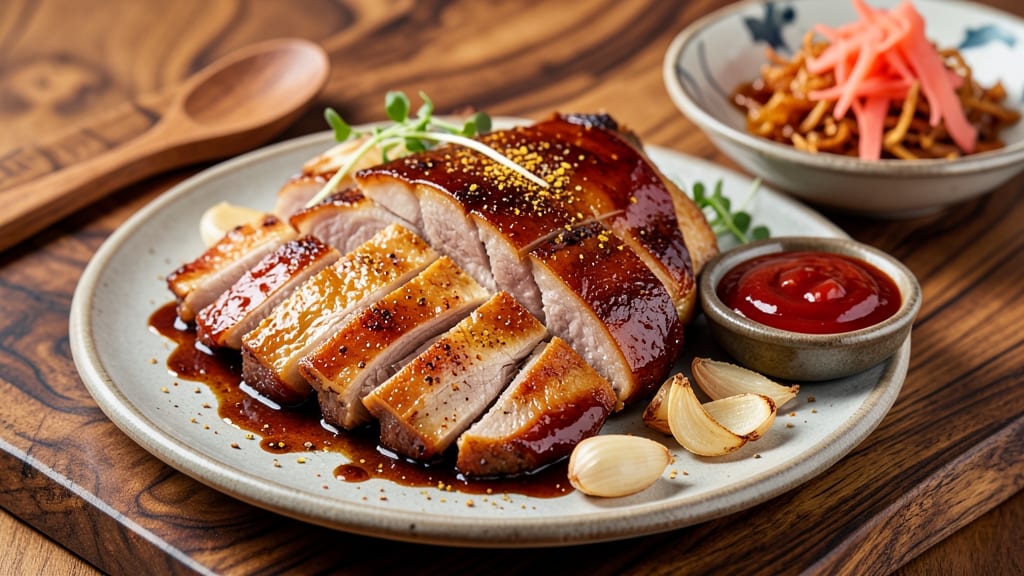
This Chinese Peking pork recipe transforms humble pork into a showstopper with a five-spice glossed crust and melt-in-your-mouth centers. 🔥 After years of perfecting the technique—from the initial marinade to the precise roasting—I’ve cracked the code for crispy skin and tender meat that rivals any restaurant version.
The secret lies in the balance of spices and the slow, controlled cooking process that develops deep, caramelized flavors. What sets this dish apart is the authentic five-spice blend, which creates a fragrant crust that’s both aromatic and slightly sticky.
Unlike traditional Peking duck, this pork version uses a whole leg or shoulder, ensuring maximum yield while maintaining that signature crispy exterior. The key is patience—allowing the pork to rest before slicing so every bite delivers that perfect contrast of textures.
By the time you’re done, you’ll have a dish that’s visually stunning and irresistibly flavorful, with layers of five-spice aroma, sweet glaze, and juicy meat. Serve it with steamed buns, hoisin sauce, and quick-pickled vegetables for the full experience. This isn’t just pork—it’s a celebration of technique and tradition.
Whether you’re hosting a dinner party or treating yourself to a special meal, this recipe delivers restaurant-quality results at home. Let’s bring the flavors of China to your table.
Ingredients for chinese peking pork
Pork shoulder, five-spice magic, and a touch of sweet-savory glaze—this is your ticket to restaurant-worthy Peking pork at home.
| Ingredient | Amount | Notes |
|---|---|---|
| Pork Shoulder (Bone-In) 🐖 | 3 lb | Whole cut, skin-on preferred |
| Five-Spice Powder 🌶️ | 2 tbsp | Authentic blend (star anise, clove, cinnamon, fennel, pepper) |
| Hoisin Sauce 🍶 | ½ cup | Store-bought or homemade, for glaze |
| Brown Sugar 🍯 | ¼ cup | Light or dark, packed |
| Soy Sauce 🥢 | ¼ cup | Dark soy for color, light for flavor |
| Garlic Cloves 🧄 | 6 cloves | Minced, for marinade |
| Fresh Ginger 🌿 | 1 tbsp | Grated, for aromatic depth |
| Shaoxing Wine 🍷 | ¼ cup | Substitute dry sherry if unavailable |
| Sesame Oil 🫒 | 1 tbsp | Toasted, for finishing |
| Cornstarch 🌾 | 2 tbsp | For crispy crust coating |
| Vegetable Oil 🫒 | ½ cup | High smoke point for roasting |
| Green Onions 🧅 | 4 whole | Sliced, for garnish |
| Salt 🧂 | 1 ½ tsp | Kosher, for seasoning |
| Black Pepper 🌶️ | ½ tsp | Freshly cracked |
The pork shoulder is non-negotiable here—bone-in, skin-on cuts deliver the best flavor and texture. Ask your butcher for a well-marbled piece if the grocery store selection is lacking. I always grab mine from Whole Foods or a local Asian market, where they’ll cut it to your exact size. That said, don’t stress if you can’t find a perfect match; just trim excess fat and pat it dry before marinating. The five-spice powder? Penzeys or a trusted Asian market carry the authentic blend—avoid the generic 'Chinese five-spice' at regular grocery stores, which often skimp on star anise or clove.
No Shaoxing wine? Dry sherry or even a splash of rice vinegar will work in a pinch, though the depth of flavor won’t be identical. Short on hoisin? Mix soy sauce with a pinch of sugar and sesame oil—it’s not the same, but it’ll save your dish. The cornstarch is your secret weapon for that signature crispy crust; don’t skip it. For the garlic and ginger, I always use fresh—dried just won’t cut it here. If you’re prepping ahead, marinate the pork overnight, but no longer than 24 hours to avoid over-softening the meat.
This pork tastes even better the next day, so plan ahead. Store leftovers in an airtight container in the fridge for up to 5 days, or freeze portions for 3 months. For serving, slice against the grain and garnish with fresh green onions and a drizzle of sesame oil. The glaze thickens as it cools, so reheat gently if needed. Pro tip: Save the leftover marinade, reduce it, and use it as a dipping sauce—it’s packed with flavor!
Why You'll Love This Recipe
- One-Pan Magic: I swear by this recipe when I’m too tired to clean up. The pork shoulder goes straight from the fridge to the pan—no chopping, no fuss—just a few slashes and a sprinkle of five-spice powder. By the time it’s caramelized and sticky, my kitchen looks like I barely cooked at all.
- Sweet-Savory Balance: That hoisin and brown sugar combo? It’s like a flavor hug. The five-spice powder adds warmth, while the soy sauce cuts through the richness—every bite has this perfect contrast of sticky, smoky, and slightly tangy. Honestly, it’s the kind of dish that makes you go back for seconds without even thinking.
- Meal Prep MVP: This recipe is my secret weapon for busy weeks. The leftovers reheat like a dream—crispy edges soften just enough to stay delicious. I’ll often make a double batch: one for dinner, one to toss into rice bowls or noodles later. (Yes, even on a Tuesday night.)
- Budget-Friendly Feast: Pork shoulder is cheap, and this recipe stretches it into something special. A few dollars buys enough meat to feed four, with the hoisin and brown sugar adding depth without breaking the bank. Between us, it’s the most satisfying way to turn a simple cut into a showstopper.
Step-by-step instructions for Chinese Peking pork
Here's how to transform a simple pork shoulder into restaurant-quality Peking pork with a glossy five-spice crust and melt-in-your-mouth centers.
👨🍳 Step 1: Prepare the Pork and Marinade
Start by patting the 3 lb pork shoulder (bone-in) completely dry with paper towels—this is crucial for that perfect crispy crust. Trim any excess fat but leave a thin layer to protect the meat during cooking. Place the pork on a plate and let it sit at room temperature for 30 minutes while you prepare the marinade.
In a small bowl, whisk together the 2 tbsp five-spice powder, 1.5 tsp salt, 0.5 tsp black pepper, 6 cloves minced garlic, 1 tbsp grated fresh ginger, 0.25 cup soy sauce, 0.25 cup shaoxing wine, and 0.25 cup hoisin sauce. The marinade should have a thick, paste-like consistency. Rub this mixture all over the pork, pressing it into the meat so it penetrates deeply. Here's the thing—don't be shy with the marinade. You want every inch covered for maximum flavor.
🍳 Step 2: Create the Glossy Crust Coating
In a separate bowl, combine the 2 tbsp cornstarch and 0.25 cup brown sugar. This is your crust mixture that will create that signature glossy, crackly exterior. Add the 1 tbsp toasted sesame oil to this dry mixture and stir until it forms a coarse, grainy paste. This combination gives you both the crispy texture and that beautiful caramelized sheen.
Generously coat the marinated pork with this cornstarch-sugar mixture, pressing it firmly into every crevice. The crust should be thick enough to hold its shape when you pick up the pork. Here's where it gets fun—use your hands to pack the mixture tightly onto the meat. This ensures that crispy, flavorful barrier that keeps the juices locked inside during cooking. Let the coated pork rest uncovered in the refrigerator for 1 hour—this chilling step helps the crust adhere better and prevents it from falling off during roasting.
🔥 Step 3: Roast Until Golden and Crispy
Preheat your oven to 375°F and place a rack in the middle position. Heat a large oven-safe skillet over medium heat, then add the 0.5 cup vegetable oil. Place the coated pork in the hot skillet and let it sear for 3-4 minutes per side until the crust starts to brown and the oil shimmers around the edges. This initial searing creates a deeper flavor foundation and helps the crust set up properly.
Transfer the skillet to the preheated oven and roast for 45-50 minutes, turning the pork occasionally to ensure even browning. You're looking for a deep golden-brown color that's almost mahogany in places—this indicates the crust is developing its characteristic crispiness. The internal temperature should reach 195-200°F when measured with an instant-read thermometer in the thickest part of the meat. Here's the secret: resist the urge to open the oven door during cooking. Every time you peek, you lose heat and steam, which can make the crust soggy instead of crisp.
⏰ Step 4: Rest and Slice for Perfect Texture
Once the pork reaches the proper internal temperature, remove it from the oven and transfer to a cutting board. Let it rest for 15-20 minutes before slicing. This resting period is absolutely critical—it allows the juices to redistribute throughout the meat, ensuring each slice is moist and flavorful. During this time, tent the pork loosely with aluminum foil to keep it warm.
Slice the pork against the grain into ½-inch thick slices. The grain direction will be visible as lines running through the meat. Garnish each serving with sliced green onions for a pop of fresh color and brightness. Serve immediately while the crust is still crispy and the meat is at its most tender. The contrast between the glossy, crackly exterior and the melt-in-your-mouth interior is what makes this dish truly special.
Pro Tips For Making Chinese Peking Pork
- Trim the Fat First: Score the pork shoulder’s fat cap in a crosshatch pattern before cooking—it renders faster and crisps up better. I learned this the hard way after serving a plate where the fat stayed greasy instead of golden. Use a sharp knife and cut just deep enough to break the surface, not so deep you expose meat.
- Marinate Overnight, Not Hours: Five-spice powder and soy sauce need time to penetrate the meat, but 4–6 hours is enough—any longer and the pork gets mushy. I used to leave it overnight, and the texture suffered. Pat the shoulder dry after marinating; moisture is the enemy of that crispy crust.
- Braise at 275°F, Not Higher: Low and slow is non-negotiable here. A bone-in shoulder at 275°F stays tender without drying out, while higher temps turn it tough. I once rushed it to 325°F, and the meat pulled apart like overcooked chicken. Use a meat thermometer—pull it at 205°F internal temp.
- Deglaze with Hoisin Early: Don’t wait until the end to add hoisin sauce—toss it in with the brown sugar and soy sauce halfway through braising. This builds deeper flavor and prevents the sauce from turning gloppy. Stir it into the pan juices when the pork’s halfway cooked, then let it simmer in. Trust me, it makes a real difference.
Storing and reheating this dish
Refrigerator Storage
After your Peking pork cools completely, store it in an airtight container with a piece of parchment paper between layers to prevent sticking. I use glass Pyrex containers because they preserve texture better than plastic.
Keep it refrigerated at 40°F or below for up to 4 days—the flavors actually deepen overnight as the spices meld. The crust stays crispy for about 2 days if stored properly, though it may soften slightly. 🥬
Freezer Storage
For longer storage, freeze the cooked pork in single-serving portions wrapped tightly in plastic wrap followed by aluminum foil. I like using quart-sized freezer bags with the air squeezed out to prevent freezer burn.
Label with the date and store for up to 3 months. When ready to eat, thaw overnight in the fridge—never at room temperature. The texture holds up remarkably well when reheated properly. ❄️
Reheating Methods
For the best results, reheat slices in a skillet over medium heat for 2-3 minutes per side until the crust is crisp again. Add a splash of water or broth to prevent drying.
Alternatively, use the oven method: place slices on a baking sheet at 350°F for 10-12 minutes until heated through. Microwaving works in a pinch but risks making the crust soggy—only use for 30-second intervals on 50% power. 🔥
Reviving Crispy Crust
If your stored pork loses its crispiness, broil it for 1-2 minutes under a preheated broiler with a wire rack placed over a baking sheet. Keep an eye on it—this technique brings back that golden, crackly texture.
For extra shine, brush with a tiny bit of neutral oil before broiling. The five-spice crust responds beautifully to this quick heat treatment. ✨
Serving Leftovers
Peking pork makes fantastic leftovers for pork fried rice or banh mi sandwiches. Shred the meat and stir-fry with day-old jasmine rice, peas, carrots, and a drizzle of hoisin sauce.
For sandwiches, pile the pork onto a baguette with pickled daikon, cilantro, and sriracha mayo. The flavors transform beautifully in these new contexts. 🥖
Make-Ahead Tips
Prep the marinade and crust mixture 2 days ahead and store in separate containers in the fridge. This saves time on cooking day. For the pork itself, marinate it overnight but don't coat it in the cornstarch-sugar mixture until 1 hour before roasting—this keeps the crust from getting soggy.
I always do this when hosting dinner parties to streamline the process. 📅
Nutrition facts
Frequently asked questions
Can I substitute pork shoulder with pork belly for this recipe?
Pork belly works beautifully and actually enhances the crispy texture! Use a 3 lb pork belly with the fat cap intact for maximum flavor. The fat renders during cooking, creating a luscious sauce. Trim the skin but leave a thin layer of fat on the meat. The cooking time will be slightly shorter (40-45 minutes total) since belly cooks faster than shoulder.
What's the best way to achieve extra crispy skin like restaurant versions?
The secret lies in the cornstarch-sugar coating and proper resting. First, make sure your pork is completely dry before applying the crust. After roasting, let it rest for 15-20 minutes before slicing—this allows the juices to redistribute and keeps the crust crisp. For extra crunch, broil for 1-2 minutes at the end if needed.
Can I make this recipe without Shaoxing wine? What's a good substitute?
Shaoxing wine adds depth, but you can substitute with dry sherry or even rice vinegar in a pinch. For best results, use ¼ cup dry sherry—it has a similar balance of sweetness and acidity. If using vinegar, reduce to 2 tablespoons and add ½ teaspoon sugar to compensate for the tartness.
How do I serve this Peking pork traditionally?
For an authentic experience, serve with steamed buns (mantou), hoisin sauce for dipping, and quick-pickled cucumbers. Garnish each serving with sliced green onions and a drizzle of sesame oil. The contrast of soft buns, crispy pork, and tangy pickles creates a perfect balance of textures and flavors.
Why did my crust turn out soggy instead of crispy?
Soggy crust usually happens from one of three issues: Opening the oven door too often (lets steam escape), not resting the pork before slicing (releases juices that soften the crust), or overcrowding the pan (prevents proper browning). For next time, resist peeking, let it rest fully, and use a wire rack in the pan for better airflow.