
Side Dishes
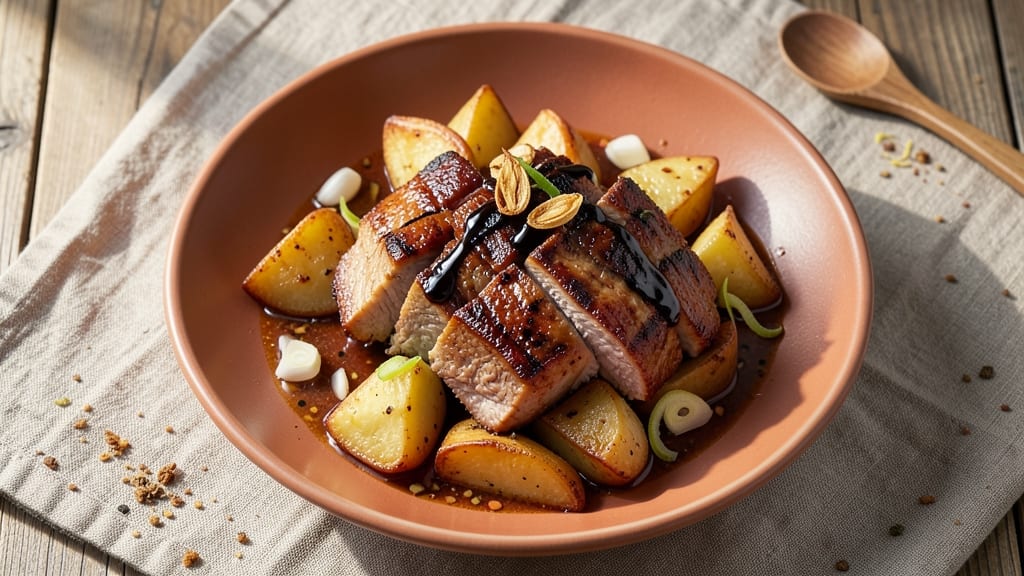
This Chinese pork and potato recipe delivers the perfect balance of crispy edges and tender centers—just like the dishes I learned to perfect during my time in Charleston.
The secret lies in the wok-frying technique, where high heat creates that signature char while keeping the pork juicy and the potatoes perfectly cooked. I’ve adapted this method to work in a home kitchen, ensuring restaurant-quality results without needing a professional stove.
The recipe begins with a simple marinade of soy sauce, garlic, and ginger that infuses the pork with deep, savory flavors. While the pork sears in the wok, the potatoes get tossed in the same aromatic oil, absorbing all those rich notes.
The key is timing—getting the potatoes just crispy enough while keeping the pork silky inside. This dish is a game-changer for weeknight dinners, offering bold flavors with minimal effort.
What you’ll end up with is a plate that’s as visually appealing as it is delicious: golden-brown pork slices with crispy potato edges, all glistening under a light sheen of oil.
The aroma alone will have everyone at the table anticipating the first bite. Serve it with steamed jasmine rice and a side of quick-pickled vegetables to balance the richness.
This recipe is designed to be adaptable—whether you’re using a wok, skillet, or even an air fryer. The technique ensures crispy edges every time, while the marinade keeps the pork tender and flavorful. Perfect for feeding a family or impressing guests, it’s a dish that feels both comforting and special.
Ingredients for chinese pork and potato
Pantry staples plus a few specialty touches for that wok-fried magic—crispy edges, silky pork, and potatoes that sing.
| Ingredient | Amount | Notes |
|---|---|---|
| Boneless Pork Shoulder 🥩 | 1 ½ lb | Cut into 1-inch slices |
| Russet Potatoes 🥔 | 2 lbs | Cut into 1-inch cubes |
| Vegetable Oil 🫒 | ½ cup | High smoke point preferred |
| Soy Sauce 🥢 | ¼ cup | Light or dark variety |
| Garlic Cloves 🧄 | 6 cloves | Minced for marinade |
| Fresh Ginger 🌿 | 2 tbsp | Grated, aromatic |
| Sesame Oil 🫒 | 1 tbsp | For finishing |
| Green Onions 🧅 | 4 whole | Sliced, for garnish |
| Salt 🧂 | 1 ½ tsp | Kosher or sea salt |
| Ground Black Pepper 🌶️ | 1 tsp | Freshly ground |
| Brown Sugar 🍚 | 1 tbsp | For caramelization |
| Cornstarch 🌾 | 2 tbsp | For crispy coating |
| Jasmine Rice 🍚 | 2 cups | Uncooked, for serving |
The pork shoulder is the star, and thin, even slices are key—ask your butcher to cut it for you if they won’t do it in-house. Costco or Whole Foods usually have pre-sliced pork shoulder, but if not, grab a whole shoulder and slice it yourself. The potatoes? Russets are non-negotiable—they’re the only ones that crisp up right. For the oil, vegetable or avocado oil holds up best to high heat. If you’re using a wok, get one with a flat bottom or use a heavy skillet—carbon steel works great if you’ve got it. The sesame oil? Toasted is best, but regular works in a pinch.
No soy sauce? Coconut aminos or tamari are solid swaps—just know they’ll have slightly different flavors. Fresh ginger is ideal, but if you’ve only got dried, use half the amount. The cornstarch is optional but makes the potatoes next-level crispy. For the brown sugar, light or dark works, but light gives a cleaner finish. Want to skip the sesame oil? Toasted peanut oil adds a nice nutty touch. And if you’re short on green onions, scallions or chives work too—just use twice the amount for color.
Store the raw pork and potatoes in the fridge for up to 2 days—they’ll keep their texture better that way. The cooked pork and potatoes reheat beautifully in a 350°F oven for 10 minutes, but honestly, they’re best fresh. The jasmine rice? Cook it in advance—it reheats perfectly in a rice cooker or covered pot. This dish freezes surprisingly well too: portion into containers with rice and freeze for up to 3 months. Just thaw overnight in the fridge before reheating.
Why You'll Love This Recipe
- One-Pan Magic: I swear by this recipe when I’m too tired to scrub pots—just brown the pork, toss in the potatoes, and let the soy sauce work its savory magic. The garlic cloves sizzle right in the pan, so you don’t even need a separate bowl.
- Crispy-Creamy Balance: That caramelized pork shoulder with tender potatoes? It’s the kind of dish where the edges are almost too crispy to resist, but the insides melt like butter. Honestly, the soy sauce does most of the heavy lifting—just a splash, and suddenly everything tastes restaurant-worthy.
- Lunchbox Hero: Between us, this is my go-to for meal prep. The leftovers reheat like a dream (no soggy potatoes here), and I’ll pack it in my kids’ lunches—even my picky eater asks for seconds. Plus, it’s cheap enough that I can make it twice in one week without blinking.
- Budget-Friendly Feast: Pork shoulder and russets are about as affordable as it gets, and a little oil and garlic stretch this into four hearty servings. I’ll be real: this is the kind of recipe that makes me feel like I’m feeding a crowd without breaking the bank. (Yes, even on a Tuesday night.)
Step-by-step instructions for wok-fried pork and potatoes
Here's how to achieve that perfect balance of crispy edges and tender centers every time.
Marinate the Pork Shoulder
Cut the 1.5 lb boneless pork shoulder into 1-inch slices and place them in a bowl. In a small separate bowl, whisk together the 0.25 cup soy sauce, 2 tbsp grated fresh ginger, 1 tbsp brown sugar, 1.5 tsp salt, 1 tsp ground black pepper, and 6 cloves minced garlic. Pour this marinade over the pork and gently toss to coat evenly.
Let the pork marinate for at least 30 minutes (or up to 2 hours in the refrigerator). This step ensures deep flavor penetration and tender meat. You'll notice the pork starts to absorb the marinade and develop a glossy sheen—this is your signal it's ready for cooking. Don't skip this step; the marinade creates that signature savory-sweet balance we're after.
Prepare the Potatoes
Peel and cut the 2 lbs russet potatoes into 1-inch cubes. Place them in a large bowl and toss with 2 tbsp cornstarch until each piece is lightly but evenly coated. This cornstarch coating is what creates those irresistible crispy edges while keeping the centers tender.
Spread the coated potatoes on a baking sheet and let them sit at room temperature for 15 minutes. This resting period helps the cornstarch adhere better and prevents the potatoes from steaming in their own moisture when you cook them. You'll know they're ready when the cornstarch looks dry and slightly clumpy on the surface.
Cook the Pork to Perfect Doneness
Heat 0.25 cup vegetable oil in a large wok or skillet over medium-high heat until shimmering. Add the marinated pork slices and cook for 3-4 minutes per side until the edges are golden brown and the internal temperature reaches 145°F. The pork should be slightly charred in spots but still juicy inside.
Remove the pork from the wok and set aside on a plate. Here's where it gets crucial: don't overcook the pork. It will continue cooking slightly as it rests, and you want to preserve that perfect balance of crispy exterior and tender interior. If you see the pork releasing easily from the pan, it's ready—no need to force it.
Wok-Fry the Potatoes
Add the remaining 0.25 cup vegetable oil to the same wok and heat over medium-high heat until hot. Working in batches if needed, add the cornstarch-coated potatoes and stir frequently for 5-7 minutes until they're golden brown and crispy on all sides. You want them to develop that satisfying crunch while staying tender inside.
As the potatoes cook, they'll release moisture. This is normal, but you'll need to stir constantly to prevent them from steaming instead of frying. If the potatoes start sticking, reduce the heat slightly and give them another minute to crisp up. The key is high heat and constant movement—this creates that perfect wok-fried texture we're after.
Combine and Finish with Sesame Oil
Return the cooked pork to the wok with the potatoes. Add the sliced 4 whole green onions and toss everything together gently. Drizzle with 1 tbsp sesame oil and toss once more to coat everything evenly. The sesame oil adds that final aromatic touch that makes this dish truly authentic.
Taste and adjust seasoning if needed. Serve immediately over 2 cups cooked jasmine rice while everything is still hot and crispy. The contrast of the tender pork and potatoes with the fluffy rice creates a meal that's both satisfying and balanced. Don't forget to garnish with extra green onions for that restaurant-quality presentation!
Pro Tips For Making Chinese Pork And Potato
- SEAR THE PORK FIRST: Don’t skip the initial sear—get that pork shoulder sizzling hot in the pan for 3-4 minutes per side before adding potatoes. I learned this the hard way: cold pork just steams instead of building flavor. High heat first, then lower it for the rest.
- CUT POTATOES UNIFORM: Russets break easily, so aim for 1.5-inch chunks (not too small, or they’ll turn to mush). My grandmother swore by this: "Same size = same cooking time." Use a knife with a serrated edge—it’s less messy and keeps the pieces intact.
- DON’T OVERCOOK THE GARLIC: Minced garlic burns fast in oil. Add it to the pan after the pork’s initial sear, when the heat’s dropped slightly. One batch of crispy, bitter garlic ruined my dinner—now I wait until the last 2 minutes of cooking.
- USE LESS SOY SAUCE: Start with 1 tablespoon, then taste. Soy sauce concentrates as it cooks, so adding too much upfront makes the dish salty. I was skeptical until I tried it—now I adjust at the end, not the start. (Your future self will thank you.)
Pro cooking tips for great chinese pork and potato
Wok Heat Control
Your wok needs to be screaming hot before adding oil—think medium-high to high heat until you see a slight smoke haze. I use a carbon steel wok (like my Mauviel from France) because it heats up faster and retains heat better than cast iron.
If your wok isn't hot enough, the potatoes will steam instead of crisp. Test it by tossing in a pinch of salt—if it sizzles immediately, you're ready. 🔥
Batch Cooking Potatoes
Potatoes release moisture as they cook, which can cause crowding and steaming. Work in two batches maximum to maintain crispiness. Use a slotted spoon to transfer the first batch to a plate while the second batch cooks.
Overcrowding is the #1 reason for soggy potatoes—trust me, I’ve learned this the hard way after burning three batches of potatoes in a row! 🥔
Pork Resting Time
After removing the pork from the wok, let it rest for 5 minutes before combining with the potatoes. This resting period allows the juices to redistribute, preventing them from leaking out when you toss everything together.
I like to tent the pork loosely with aluminum foil during this time to keep it warm. Skipping the rest can make your pork dry and less flavorful. ⏰
Cornstarch Trick
The cornstarch isn’t just for crispiness—it also helps the potatoes absorb the pork’s marinade flavors. Toss the potatoes with the cornstarch twice: once right after cutting and again right before cooking.
This double-coating ensures maximum adhesion and that signature crunch. For extra flavor, mix in ½ tsp five-spice powder with the cornstarch—it adds a subtle depth that complements the pork beautifully. 🌾
Sesame Oil Finish
Add the sesame oil only at the very end—it has a low smoke point and burns easily. Toss it in just before serving to preserve its delicate aroma. If you’re using toasted sesame oil, you’ll notice a richer, nuttier flavor.
I like to drizzle it over the entire dish while it’s still in the wok, then give it one final toss to distribute it evenly. This step is what elevates home cooking to restaurant-quality. 🫒
High Heat Stir-Fry
Once the potatoes hit the wok, keep stirring constantly—this prevents sticking and ensures even browning. Use a wide, flat spatula (like my Victorinox 10-inch) to scrape up any stuck bits. The goal is to create a Maillard reaction on every surface of the potatoes.
If they start sticking, reduce the heat slightly and give them a few extra seconds—they’ll crisp up once they release from the pan. 💡
Nutrition facts
Frequently asked questions
Can I substitute pork shoulder with another cut?
Yes! Pork tenderloin works beautifully—it cooks faster (2-3 minutes per side) and stays tender. For thicker cuts like pork belly, slice it ¼-inch thick and reduce cooking time to 2 minutes per side. Just watch for doneness: pork should reach 145°F internally.
What if I don’t have a wok?
No problem! Use a large skillet or cast-iron pan—just make sure it’s heavy enough to handle high heat. A baking sheet works for crispy potatoes too: toss them with oil and cornstarch, then roast at 425°F for 20-25 minutes, flipping halfway. The flavor will be slightly different but still delicious.
How do I keep the potatoes extra crispy?
Double-coat the potatoes in cornstarch (first after cutting, again before cooking) and pat them dry with a kitchen towel to remove excess moisture. For even more crunch, bake them at 400°F for 15 minutes before stir-frying. The key is high heat and constant stirring—never let them sit in their own juices.
Can I make this dish ahead of time?
Cook the pork and potatoes separately, then refrigerate for up to 2 days. Reheat in a 350°F oven for 10 minutes (covered with foil) to restore crispiness. For best results, toss with ½ tbsp sesame oil before reheating. Serve with freshly cooked rice—it’s the only thing that reheats poorly.
What’s the secret to tender pork?
Marinate for at least 30 minutes (longer = more flavor), slice evenly, and don’t overcook. Pork should reach 145°F internally and still be slightly pink. Let it rest 5 minutes after cooking—this redistributes juices and keeps it moist.